Quick Answer
No, you don't have to prewash Sew Kind of Wonderful fabrics, but the right choice depends on the fabric type and your project. Pop Cloth is designed for easy curved piecing and typically works best unwashed, while vintage cloth may need extra care. Always test a small piece if you're unsure.
If you've been quilting for a while, you've likely heard conflicting advice about prewashing fabric. Some quilters swear by it to prevent color bleeding and shrinkage, while others skip it to keep the fabric's crispness. When it comes to Sew Kind of Wonderful fabrics, the answer isn't one-size-fits-all.
In this myth-busting guide, we'll separate fact from fiction and give you clear verdicts for different fabric types, including Pop Cloth and vintage cloth, so you can make the best choice for your next quilt.
Myth: You must prewash all quilting fabrics
Many quilters believe that prewashing is a non-negotiable step for every fabric. However, the truth is that prewashing is a personal choice influenced by the fabric's fiber content, weave, and intended use. For quilting cottons, prewashing can remove excess dye and prevent shrinkage, but it can also soften the fabric and make it harder to cut accurately.
Sew Kind of Wonderful patterns, especially those designed for curved piecing, often rely on the fabric's body and stiffness. Prewashing may cause fabric to become limp, making it more challenging to achieve the crisp seams that the Wonder Curve Ruler technique is known for. So, while prewashing isn't wrong, it's not always necessary.
- Consider the fabric's role: if it's for a wall hanging, prewashing may be optional; for a frequently washed quilt, it might be beneficial.
Pop Cloth: prewash or not?
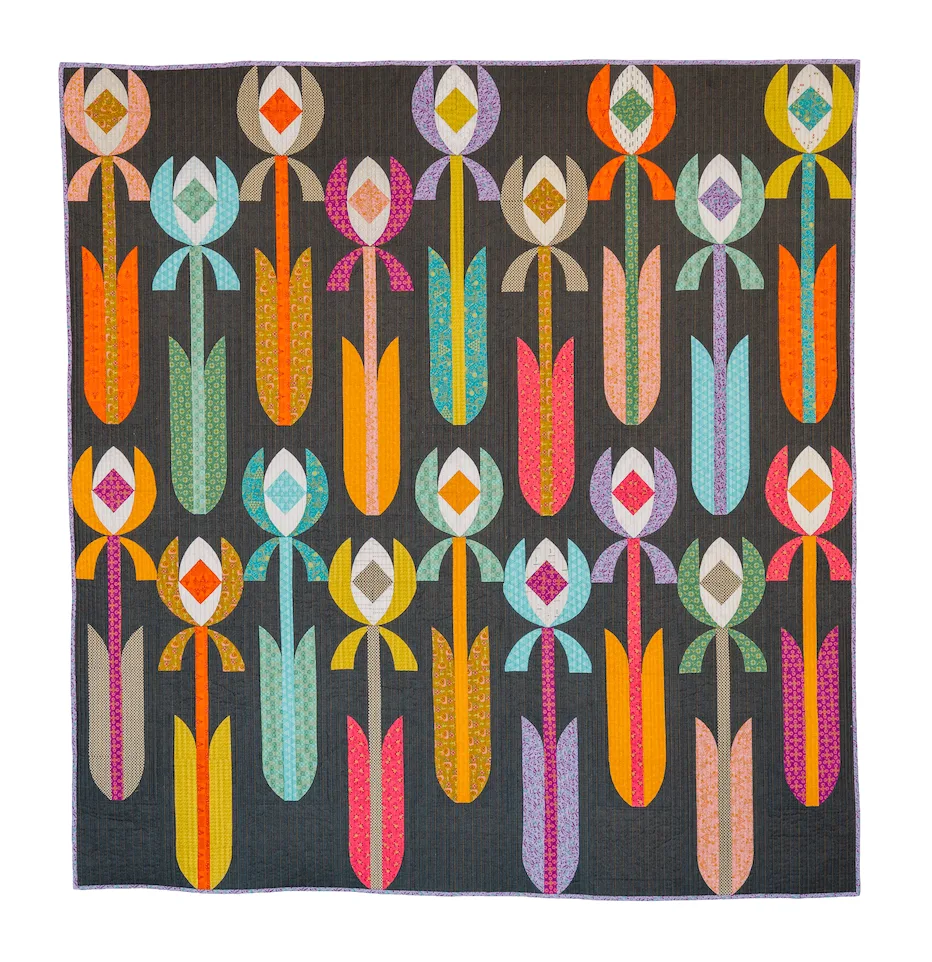
Pop Cloth is a fabric collection designed by Sew Kind of Wonderful for FreeSpirit Fabrics. It's specifically made for easy curved piecing with a 'cut, sew, and square up' approach—no pinning, centering, or snipping required. This suggests that the fabric's finish is intentional to support the technique.
Washing Pop Cloth before cutting could alter its texture, potentially making it less crisp and more prone to stretching during curved piecing. If you're using a pattern like Aunty Iris, which features easy curved piecing, you might want to skip prewashing to maintain the fabric's original hand. However, if you're concerned about colorfastness, test a small swatch first.
- If you prewash, use cold water and a mild detergent, then press thoroughly to restore some body.
Vintage cloth: extra care needed
Vintage cloth, like the Primitive Cloth used in the Checkers & Chains Quilt Kit, often has a different feel and may be more delicate. Older fabrics can be more prone to fading or bleeding, so prewashing might be a safer option to set colors and remove any musty odors.
However, be aware that prewashing vintage cloth can cause significant shrinkage or distortion. Always test a small piece if you have extra, and consider using a color catcher sheet. If the fabric is part of a kit, like the Checkers & Chains Quilt Kit that includes 7-1/2 yards of assorted Primitive Cloth, you'll want to avoid surprises by prewashing all pieces together if you choose to do so.
- For vintage cloth, a gentle cycle with cold water and air drying is the safest bet.
Verdicts at a Glance
- Prewashing all fabrics is mandatory: False. Prewashing is a choice, not a rule. It depends on the fabric and project. Skip prewashing for crisp curved piecing; test if unsure.
- Pop Cloth must be prewashed: No. Pop Cloth is designed for no-pin curved piecing; prewashing may reduce its structure. Test a swatch first; usually, no prewash needed.
- Vintage cloth should never be prewashed: Not true. Vintage cloth may benefit from prewashing to set colors, but caution is needed. Gentle prewash with color catcher; test first.
Fabric Facts
- Aunty Iris Quilt Kit (Pop Cloth): Pop Cloth Fabric Collection designed by Sew Kind of Wonderful for FreeSpirit Fabrics is used for the Soft Focus quilt shown on the cover. Knowing that Pop Cloth is a specific collection helps you understand its intended use and why prewashing might not be recommended for best results.
- Checkers & Chains Quilt Kit in Primitive Cloth: Primitive Cloth Fat Quarter Bundle (10 prints/fat quarters) - $40; Primitive Cloth 1/2 yard Bundle - (10 prints 1/2 yard cuts) - $75. If you're working with vintage cloth bundles, you have the option to test a small piece before committing to prewashing the entire kit.
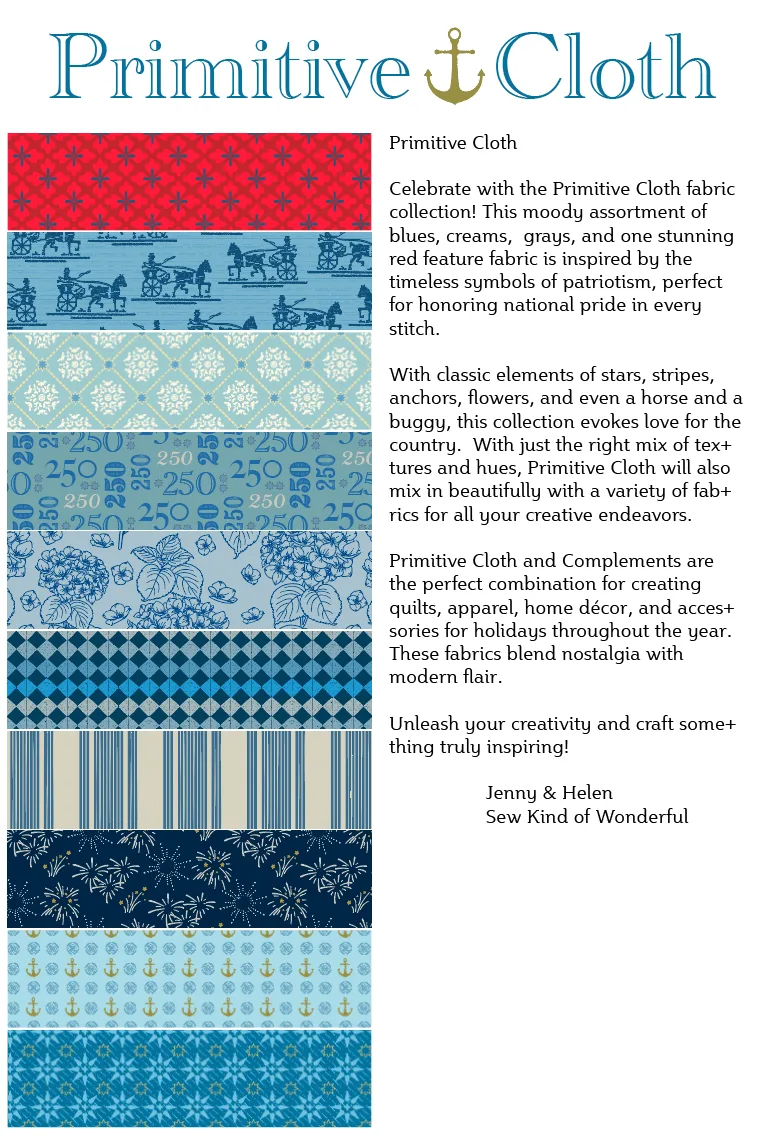
Primitive Cloth Fat Quarter Bundle
The prewash debate doesn't have a one-size-fits-all answer. For Sew Kind of Wonderful fabrics, consider the fabric type and your quilting technique. When in doubt, test a small piece and decide based on your own experience. Happy quilting!