Quick Answer
Buy an NAD+ complex supplement only if the label tells you three things: which precursor form it uses (NR or NMN), the exact milligrams per serving, and who verified the finished product. If any of those is missing, you cannot compare it to anything else on the shelf. For most shoppers, a single-precursor product with a clear dose and a third party tested claim is a better starting point than a crowded blend.
What "NAD+ Complex" Actually Means on a Label
NAD+ is a coenzyme your cells already use in energy metabolism and repair processes, and levels tend to decline with age. No oral supplement delivers NAD+ itself in a useful way, so "NAD+ complex" products supply precursors your body converts. The word complex usually means the formula stacks a precursor with supporting ingredients such as resveratrol, trimethylglycine, or B vitamins.
That stacking is where labels get vague. A complex can list six ingredients and still leave the precursor dose unstated, or bury it under a proprietary blend. Before you compare price per serving, find the precursor line and read the number next to it.
Compare Precursor Forms Before You Compare Brands
Nicotinamide riboside (NR) and nicotinamide mononucleotide (NMN) are the two precursor forms you will see most often. Both are studied for raising NAD+ availability, and both are sold in capsules or powder. Niacin and nicotinamide are older, cheaper forms, but they behave differently in the body and are usually not what a complex product is built around.
The practical difference for a buyer is transparency. Some brands disclose the exact precursor and milligram amount; others list "NAD+ blend" without a breakdown. If two products cost the same but only one names its form and dose, the named one is the only one you can evaluate.
How to Read NAD+ Supplement Dosage
Look at the serving size first, then the milligrams. A bottle that says "500 mg" but defines a serving as two capsules is a 250 mg dose per capsule. Multiply by capsules per day to get your real daily cost, not the sticker price.
There is no single official daily target for NR or NMN, and research doses vary by study. That means you should treat any label claiming a specific "clinically proven" amount with caution unless the brand cites the study. A reasonable approach is to start at the lowest disclosed dose on the label and follow the manufacturer's serving instructions rather than stacking multiple NAD+ products.
Third Party Testing Is the Filter That Matters Most
Precursor powders are sensitive to moisture and heat, and the category has a history of products that contained less than the label claimed. A third party tested NAD+ supplement has been checked by a lab that is not the brand itself, which is the only independent signal you get as a shopper.
Look for a specific claim rather than a badge graphic: the testing lab name, a lot number, or a certificate you can request. If a brand says "lab tested" but cannot tell you who tested it, treat that as a marketing phrase, not a verification.
Supporting Ingredients: Helpful or Filler?
Resveratrol, trimethylglycine, and B vitamins appear in many complexes because they are cheap to include and easy to list. None of them replace a disclosed precursor dose, and none of them fix an underdosed formula.
If you already take a B-complex or a resveratrol product, a stacked NAD+ complex may double up on ingredients you did not intend to take twice. Read the full supplement facts panel, not just the front label, before you add it to an existing routine.
Storage, Form, and Cost Per Day
Capsules are the most common format and the easiest to dose consistently. Powders are cheaper per gram but require a scale or scoop and expose the ingredient to air every time you open the container. Sublingual tablets exist but often carry a premium without a disclosed advantage.
Store any precursor product cool and dry, with the lid sealed. If your bathroom runs humid, move it to a cabinet in another room. Heat and moisture degrade the ingredient you paid for.
Decision Rules for Buying an NAD+ Complex
- Rule 1: No precursor dose, no purchase: Find the NR or NMN line and the milligrams per serving. If the bottle only says "NAD+ complex" or lists a proprietary blend without numbers, you have no way to compare it to another product. Checkpoint: you should be able to say the form and the dose out loud before you buy.
- Rule 2: One precursor beats a crowded blend: If you are new to the category, choose a product built around a single disclosed precursor. You can add resveratrol or B vitamins separately later if you decide you want them. Checkpoint: fewer ingredients means fewer variables when you judge how you feel.
- Rule 3: Verify the tester, not the badge: Ask the brand which lab tested the lot or look for a lot-specific certificate. A third party tested NAD+ supplement should be able to name the lab. Checkpoint: if the answer is "we test everything," keep looking.
- Rule 4: Calculate cost per day, not per bottle: Divide the bottle price by the number of days the label's serving size actually covers. A 60-capsule bottle taken two capsules daily is a 30-day supply, not a 60-day one. Checkpoint: compare cost per day across brands before you compare anything else.
- Rule 5: Do not stack NAD+ products: Taking two different precursor products at once makes the total dose unknown and makes it impossible to tell which one, if either, is doing something. Checkpoint: pick one product and give it a consistent trial before adding anything else.
Product Facts to Compare Against
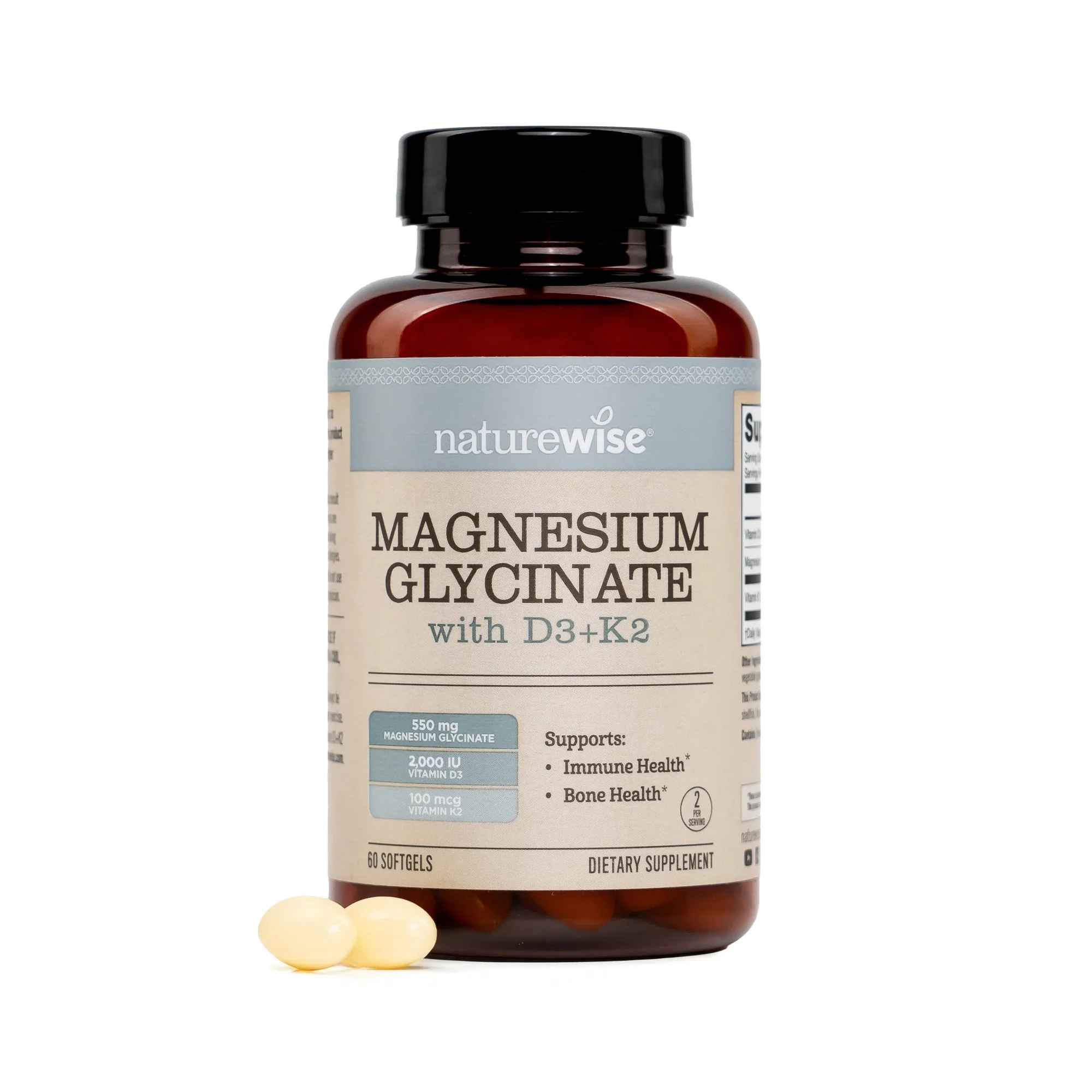
- Magnesium Glycinate with D3 + K2: 550 mg non-buffered Magnesium Glycinate per serving, with 100 mcg Vitamin K2 as MK-7 and Vitamin D3 offered in 2,000 IU, 4,000 IU, and 10,000 IU strengths. A concrete example of how a supplement label can disclose both the mineral form and the exact dose, plus offer strength options so you can match the product to your needs instead of guessing.
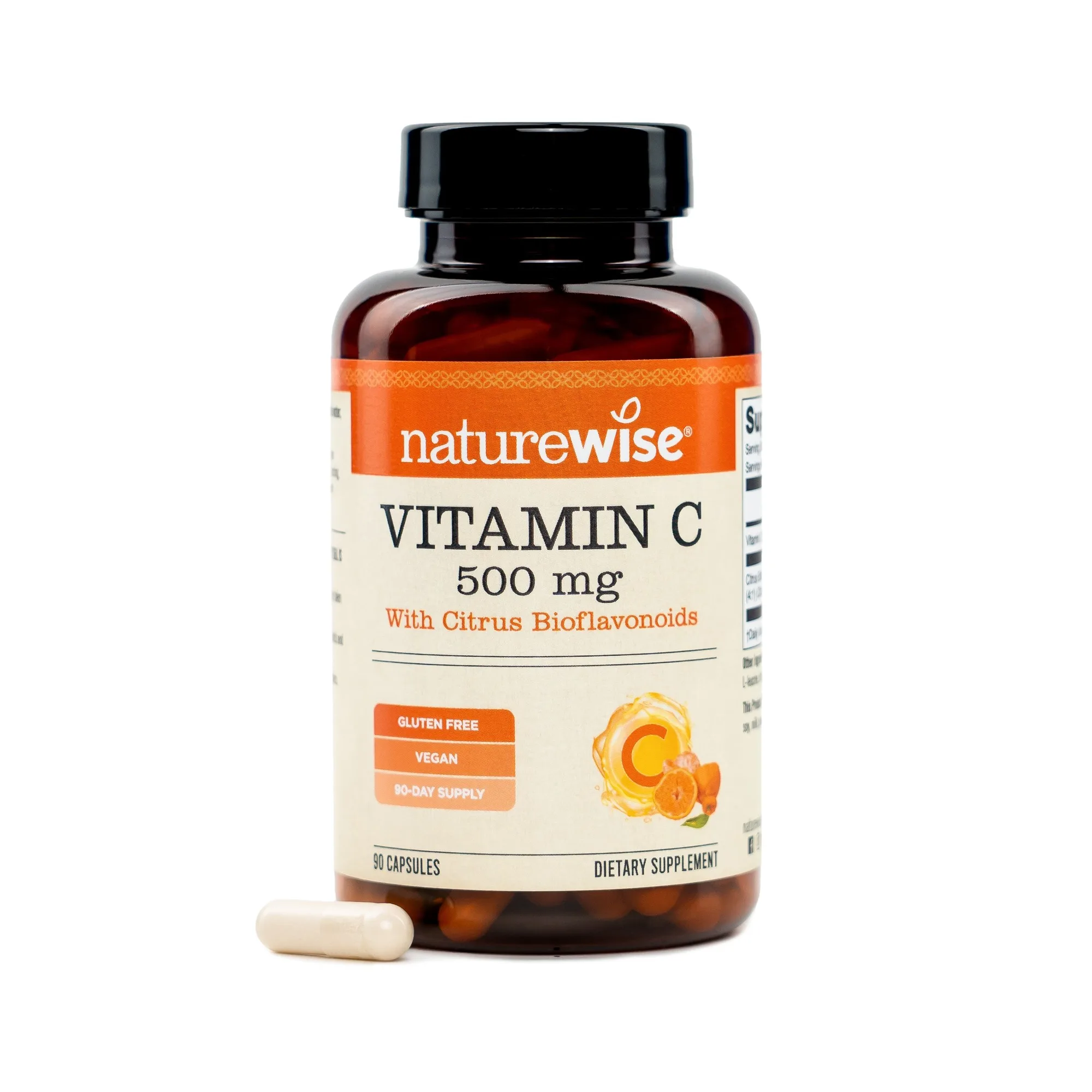
- Vitamin C with Citrus Bioflavonoids: 500 mg Vitamin C with 75 mg Citrus Bioflavonoids, a 90-day supply, gluten free and vegan. Shows what a fully transparent serving looks like, including the supporting ingredient amount and the total supply length, which is the same information you should demand from any NAD+ complex label.
Who Should Buy an NAD+ Complex
Best for
- Shoppers who want a single, clearly dosed precursor product and are willing to read the supplement facts panel before buying
- People already taking a foundational routine who want to add one targeted product without duplicating B vitamins or resveratrol
- Buyers who prioritize independent verification and will ask a brand for its testing documentation
Not for
- Anyone looking for a guaranteed anti-aging result; the research on oral precursors is still developing and no product can promise an outcome
- Shoppers who want the cheapest possible capsule and are not concerned with disclosed dosing or third party testing
- People already taking an NR or NMN product who would be stacking two precursors at once