Quick answer
A nail binder is worth buying if you own more than three or four press-on sets and you want to keep them sorted, protected, and easy to reuse. If you only keep one set in rotation, a simple box or the original packaging is enough. Buy a binder with removable pages and clear pockets so you can see each set without unpacking it.
Press-on nails are reusable, but loose sets in a drawer are not. Once tips separate from their size labels, you lose the pair you need and the set you paid for. A nail binder solves that by giving every set a fixed, visible home.
This guide covers what a nail binder actually does, how to choose one that fits your collection, and which CLAWSIE Nails sets benefit most from binder storage. It also covers the trade-offs so you can decide whether a binder fits your routine or whether a simpler option is enough.
What a nail binder actually does
A nail binder is a zippered or snap-closed case that holds removable pages of clear pockets. Each pocket fits one press-on set, so tips stay paired, sized, and visible. The binder protects nails from dust, bending, and the scratches that happen when loose tips rub together in a bag.
The real benefit is speed. When you want to wear a set, you flip to the page, pull the tips, and apply. No hunting through mismatched piles, no guessing which tip is a thumb. For anyone who rotates sets weekly, that saved time adds up.
- Look for pages that can be removed and reordered as your collection grows.
- Clear pockets let you see the design without opening the binder.
- A binder is not a substitute for cleaning and drying nails before storage.
How to choose a nail binder that fits your collection
Start with capacity. Count your active sets, then add two or three empty pockets for new purchases. A binder that is too small forces you to double up tips, which defeats the purpose. A binder that is too large is bulky to store and harder to flip through.
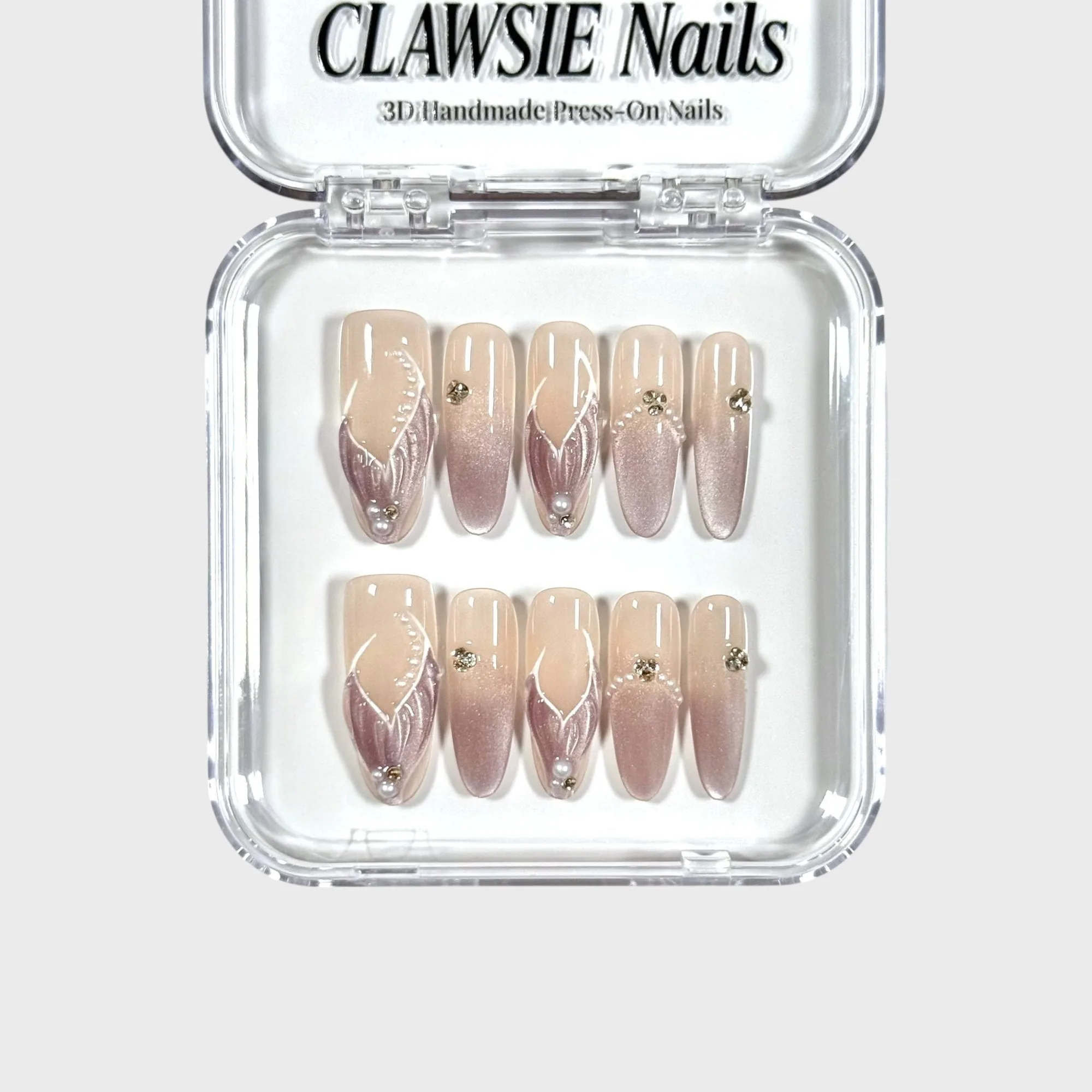
Pocket size matters more than cover material. Long styles like Sirena long oval press-on nails need deeper pockets than short almond sets. Measure your longest tip before buying, and check the listed pocket dimensions rather than assuming one size fits all.
Sirena
- Measure your longest press-on tip before choosing pocket depth.
- Choose a binder with a flat spine if you plan to stack it on a shelf.
- Removable pages let you group sets by season, color, or occasion.
Binder storage versus original packaging
Original packaging is fine for one or two sets. It keeps tips paired and includes the size chart. The problem is that boxes and sleeves do not stack well, and once you open a set, the packaging rarely survives a second wear. A binder replaces that clutter with one item.
The trade-off is cost and space. A binder costs more than a plastic box, and it takes up shelf room. If you only wear press-ons a few times a year, the original packaging plus a small drawer is cheaper and just as effective.
- Keep the original size chart inside the binder page for reference.
- Label each pocket with the set name and size so you can restock faster.
- Do not store nails while wet or tacky from glue or gel.
Which press-on sets benefit most from a binder
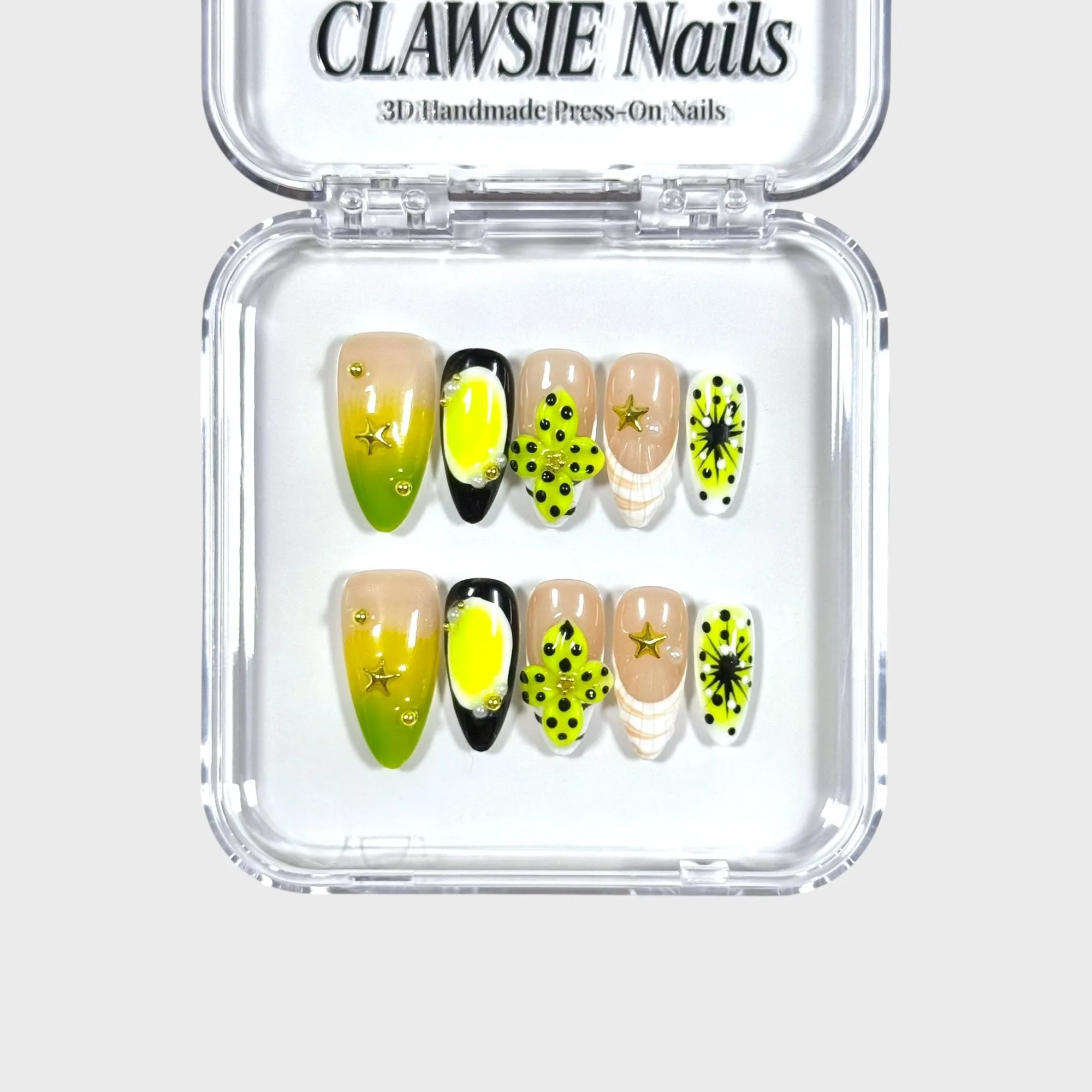
Sets you plan to reuse benefit most. Emerisse medium almond press-on nails are described as lightweight and reusable, which makes them a natural fit for binder storage between wears. The same applies to any set you want to keep paired and ready.
Emerisse
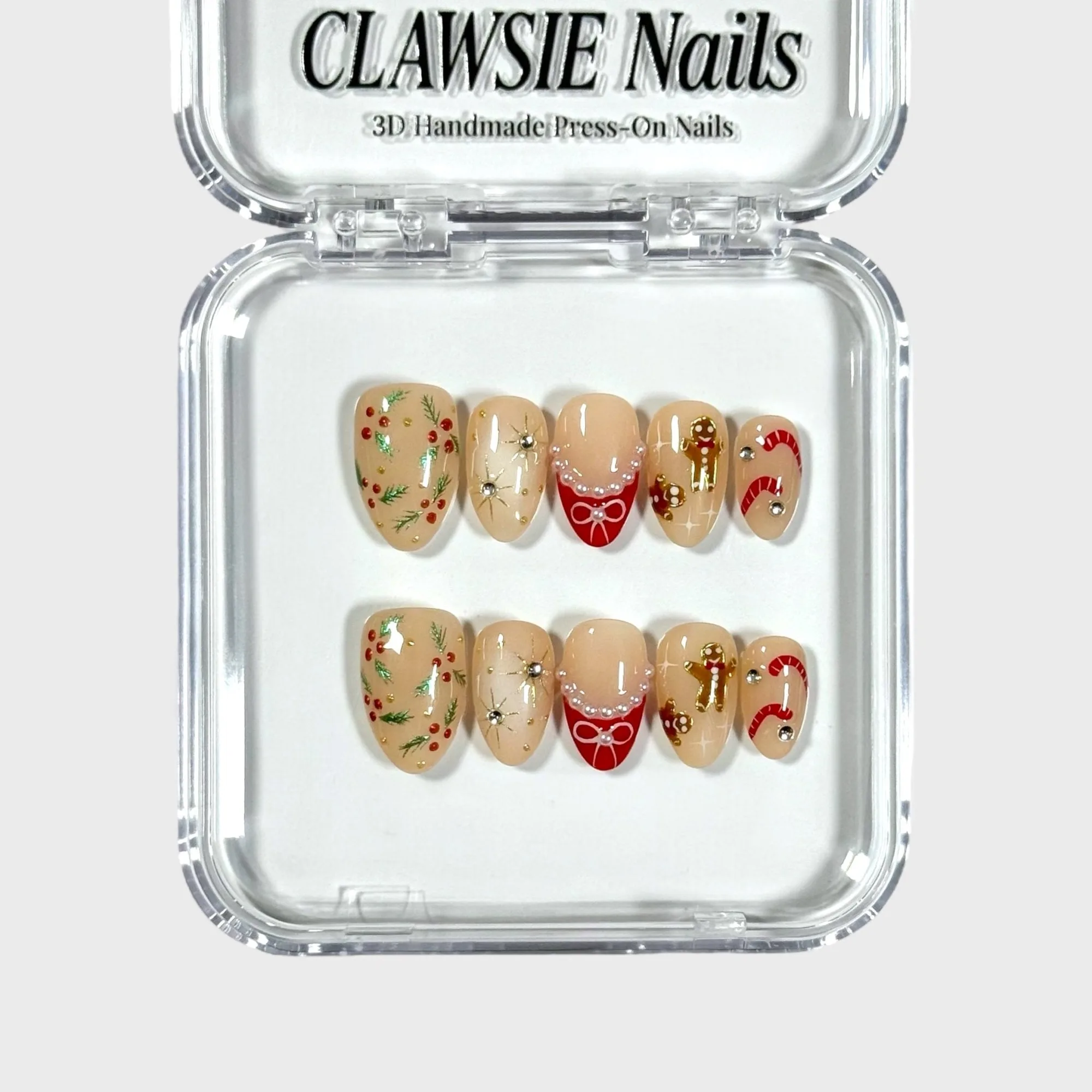
Seasonal sets also benefit. Gingerbread press-on nails are a warm, seasonal look, so they may sit unused for months. A binder keeps them protected and easy to find when the season returns, instead of crushed at the bottom of a drawer.
- Store reusable sets in a binder to protect the tips between wears.
- Group seasonal sets together so you can swap them in and out quickly.
- Keep a small pouch for glue gel and tools so everything travels together.
Decision rules for buying a nail binder
- Rule 1: Count your reusable sets first: If you own three or more sets you plan to wear again, a binder is worth it. If you own one or two, original packaging is enough. Buy capacity for your current sets plus two spare pockets.
- Rule 2: Match pocket depth to your longest tip: Long oval and XL square styles need deeper pockets than short almond or coffin sets. Measure before you buy. Check listed pocket dimensions, not just the binder cover.
- Rule 3: Choose removable pages over fixed ones: Removable pages let you reorder sets by season, color, or size as your collection changes. Fixed pages are cheaper but less flexible long term.
- Rule 4: Keep cleaning separate from storage: A binder protects nails from dust and bending, but it does not clean them. Dry and clean tips before they go in. Never store nails while wet or tacky from glue or gel.
Catalog facts that affect binder storage
- Emerisse: Emerisse is a set of medium almond press-on nails described as lightweight and reusable. Reusable sets are the best candidates for binder storage because you will wear them more than once and need the tips kept paired.
- Gingerbread: Gingerbread press-on nails are a warm, seasonal look available in sizes XS, S, and L. Seasonal sets sit unused for long stretches, so a binder protects them from dust and bending until the season returns.
- Sirena: Sirena is a set of long oval press-on nails with a purple ombre fade, pearl accents, and shimmering textures. Long oval tips need deeper binder pockets than short styles, so check pocket depth before buying.
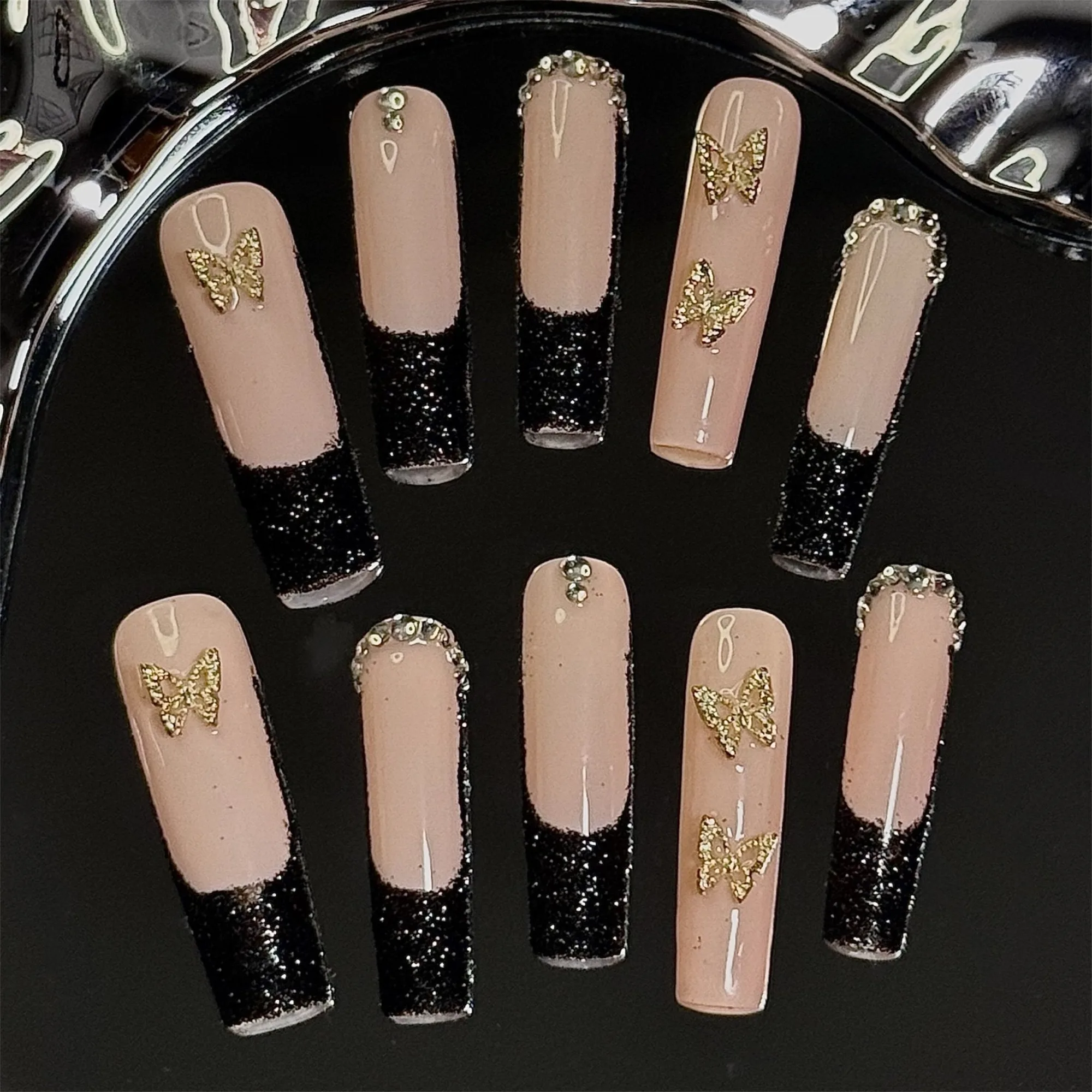
- Noiré: Noiré is a set of long XL square press-on nails with nude pink bases, black glitter French tips, and silver butterfly accents. XL square tips are wider and longer, so they may need a larger pocket or a binder with adjustable pages.
Is a nail binder right for you?
Best for
- People who own three or more reusable press-on sets and rotate them regularly
- Anyone who has lost tips or size labels in a loose drawer
- Seasonal wearers who store sets for months between wears
Not for
- People who own one or two sets and wear them once
- Anyone who prefers the original packaging and a small drawer
- Shoppers looking for a cleaning or sanitizing product, since a binder only stores nails
A nail binder is a small purchase that protects the sets you already own and makes reuse faster. Count your sets, measure your longest tip, and choose removable pages. If you keep only one set in rotation, skip it and keep the original packaging instead.