Quick answer
A needle file set is a group of small, fine-cut files used for shaping, deburring, and smoothing tight spots that a full-size file cannot reach. Most hobbyists need three shapes first: flat for edges and slots, round for holes and concave curves, and triangular for inside corners. Replace a file when it skates over the work instead of biting, and clean it with a file card before that happens.
Needle files earn their place in a toolbox because they reach what sandpaper and full-size files cannot: inside corners, small holes, slots, and curved details on models, jewelry, and miniatures. The questions below are the ones hobbyists ask most often, answered in short, standalone form so you can jump to the one that matches your problem.
If you are building a first set or replacing worn files, the answers also point to a few Excel Blades tools that pair well with needle files for precision work. Read the question you need, then put the file to work.
What is a needle file set, and what is it used for?
A needle file set is a collection of small files, usually 4 to 7 inches long, with fine teeth for detail work. They shape, deburr, and smooth metal, plastic, wood, and resin in places a standard file cannot fit. Common jobs include cleaning up 3D-printed supports, easing a slot in a model railroad track, rounding a jump ring, and refining a cut edge after a craft knife.
Needle files remove material slowly and precisely, which is the point. They are not for hogging off large amounts of stock; use a larger file or saw for that, then switch to a needle file for control. A file card and a light touch keep them cutting cleanly.
- Use the coarsest cut that still gives you control, then finish with a finer cut.
- File in one direction with light pressure; dragging back and forth dulls teeth faster.
Needle file shapes explained: which shape does what?
Shape decides where a file can reach. A flat file handles straight edges, slots, and flat surfaces. A round file cleans holes and concave curves. A triangular file gets into inside corners and sharp angles. A half-round file combines a flat side and a curved side for mixed work. A square file fits square holes and keyways. A knife or barrette file reaches narrow slots and delicate edges.
Most hobbyists do not need every shape at once. Start with flat, round, and triangular, then add half-round or square when a project calls for it. If you are unsure which shape suits a specific task, match the file profile to the shape of the gap or edge you need to work.
- Inside corner: triangular or knife file.
- Hole or curve: round file.
- Flat edge or slot: flat file.
Needle file sizes for hobbies: how small should you go?
Needle file sizes are usually described by length and cut rather than by a single number. Shorter files, around 4 inches, give the most control in tight work; longer files, around 6 to 7 inches, cover more surface per stroke. Cut refers to tooth coarseness: finer cuts leave a smoother finish but remove material slowly, while coarser cuts move faster and leave more visible scratches.
For miniatures, jewelry, and model railroad details, a set of short, fine-cut files is the most useful starting point. For larger plastic or wood parts, a medium cut saves time before you switch to a fine file for finishing. If a product listing does not state cut or exact length, treat that as a limitation and check the physical file before buying.
- Small parts: short, fine-cut files.
- Larger surfaces: medium cut first, fine cut to finish.
- No stated cut on a listing? Confirm before you buy.
When should you replace needle files?
Replace needle files when they stop biting and start skating across the surface, when the teeth look flattened or shiny under light, or when they leave polished tracks instead of cutting. Rust, clogged teeth, and bent tips are also signs it is time to retire a file. A worn file is not just slower; it makes you push harder, which risks slipping and damaging the workpiece.
Cleaning extends life but does not restore a worn cut. If a file card and a light oiling no longer bring back the bite, replace it. Keep a spare of your most-used shape, usually flat or round, so a dull file does not stall a project.
- Skating instead of cutting: replace.
- Shiny, flattened teeth: replace.
- Rust or bent tip: replace.
Needle file cleaning FAQ: how do you keep files cutting?
Clean needle files with a file card, brushing along the teeth in the direction of the cut. For packed metal or plastic, use a brass brush or a piece of soft wood to push debris out of the grooves. Avoid water on steel files; moisture invites rust. A light wipe with oil after cleaning helps protect the teeth.
Do not use a file as a pry bar or a scraper, and do not store files loose in a drawer where they knock against each other. A roll or a dedicated compartment keeps teeth intact. If you cut soft metals like aluminum or brass, clean more often because the teeth load up faster.
- Brush with the cut, not against it.
- Keep files dry and oiled lightly.
- Store separately to protect teeth.
Which file set is best for modelers and jewelers?
Modelers and jewelers need different things from a file set. Modelers often work in plastic, resin, and balsa, where a medium cut and a few shapes cover most jobs. Jewelers work in metal, where fine cuts and shapes like round, triangular, and half-round matter more for smoothing solder joints and shaping wire. A file set for modelers should include a flat, round, and triangular file at minimum.
If your work mixes materials, a small set with several shapes and a fine cut gives the most flexibility. Pair it with a needle nose pliers for holding small parts and a fine scribe for marking, so you are not switching tools mid-task. For heavy material removal, use a saw first, then refine with a file.
- Modelers: flat, round, triangular, medium to fine cut.
- Jewelers: round, triangular, half-round, fine cut.
- Mixed work: a multi-shape set with a fine cut.
How do needle files compare with other small tools?
Needle files remove material by abrasion; craft knives slice; saws cut; pliers grip and bend. They overlap in tight work but are not interchangeable. A file is the right choice when you need to smooth, shape, or deburr an edge after a cut. A knife is the right choice when you need to separate material. A saw is the right choice when the cut is too large for a file.
For model railroad work, a pull saw blade handles track and balsa, then a needle file cleans the cut. For jewelry, pliers shape wire and a file smooths the ends. Keeping the right tool for each step is faster than forcing one tool to do everything.
- Cut first with a knife or saw, refine with a file.
- Use pliers for holding and bending, not for shaping.
- Match the tool to the step, not the project.
Needle file quick answers
First shapes to buy
Flat, round, and triangular cover edges, holes, and inside corners for most hobby work. Add half-round or square only when a project demands it.
Cut and size
Short, fine-cut files give the most control on miniatures and jewelry; medium cut moves faster on larger parts. If the listing does not state cut or length, confirm before buying.
Cleaning routine
Brush along the teeth with a file card after each session, keep files dry, and oil lightly. Clean files cut longer and leave a better finish.
Replacement sign
When the file skates instead of biting, or the teeth look shiny and flattened, it is worn out. Keep a spare of your most-used shape.
Pairing tools
Use a knife or saw to cut, pliers to hold, and a scribe to mark; then file to refine. Right tool for each step beats forcing one tool.
Excel Blades tools that pair with needle files
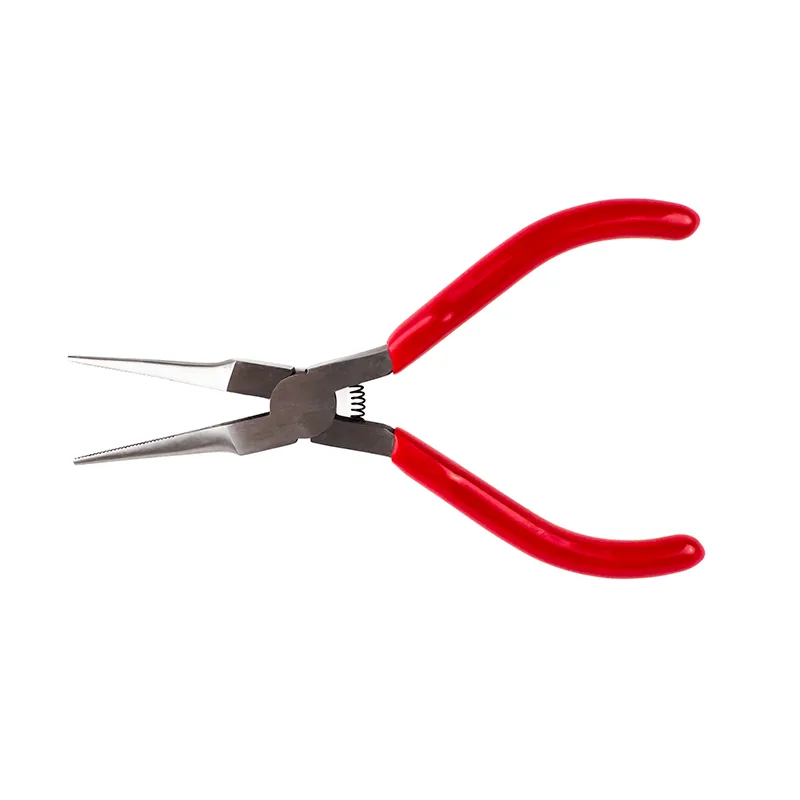
- Needle Nose Pliers for Jewelry Making: Excel Blades 5.5-inch soft-grip needle nose pliers are made from carbon steel with a tapered, long-nose design for reaching tight spaces and handling delicate parts. They hold small parts steady while you file, which keeps your fingers clear of the file teeth.
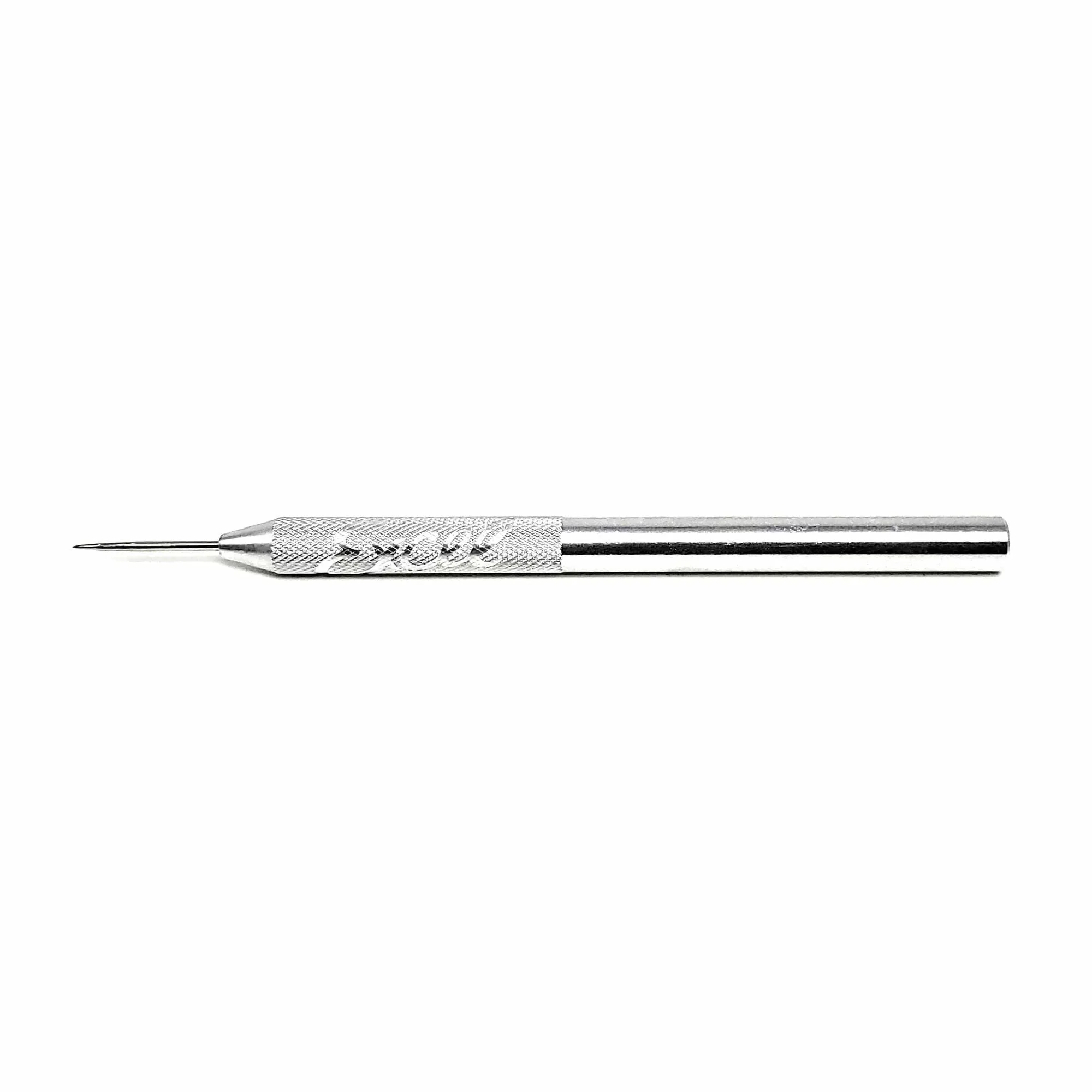
- Fine Needle Point Scribe Tool for Hobbies: The fixed-point scribe has a .058-inch steel tip and an aluminum body, and is used for etching, marking and scoring, making holes, fine lines, and releasing air bubbles on materials like leather, paper, wood, plastic, vinyl, and fondant. A scribe marks the line before you file, so you remove material exactly where you intend.
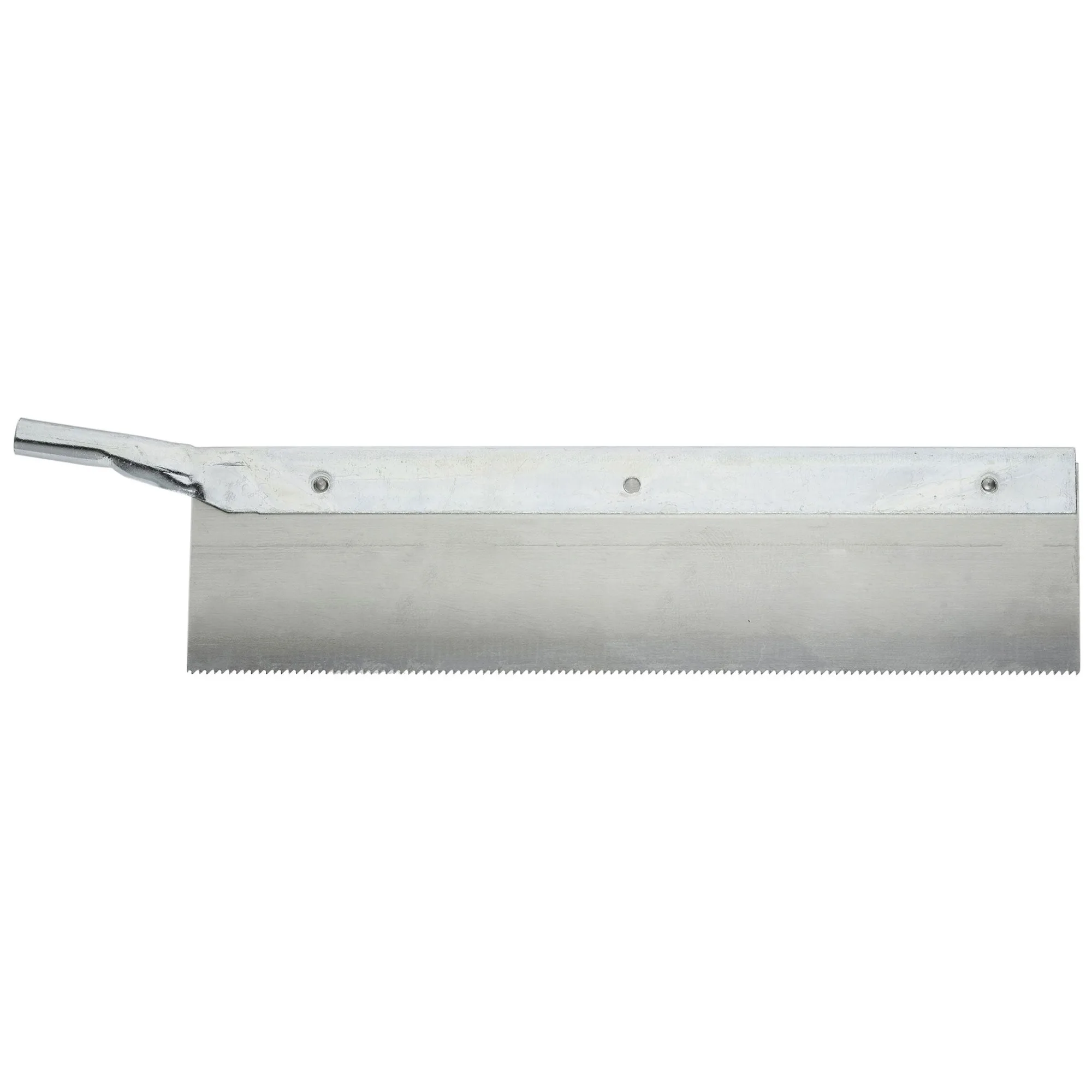
- Razor Saw Blade 46 Teeth per Inch (1.50 x 5.50): This hardened serrated steel blade with a soft metal backer measures 1.50 x 5.50 x .012 inches with 46 teeth per inch, fits K2, K5, and K6 Excel handles, and is used for balsa wood, fiberglass, plastic, and model railroad tracks. Use it to make the cut, then switch to a needle file to clean and true the edge.
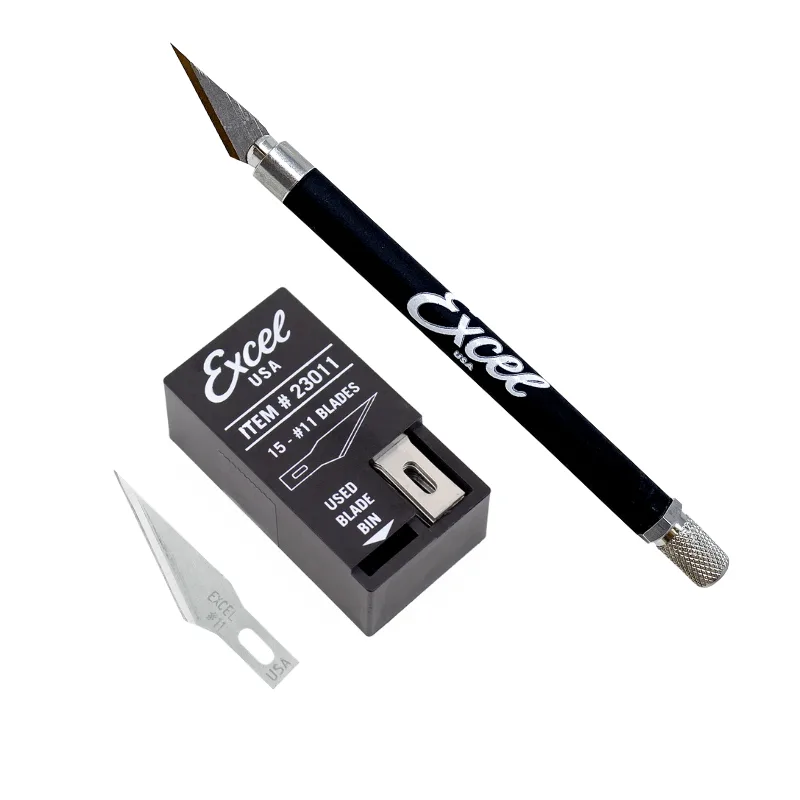
- K18 Knife with 15 #11 Blades: The K18 knife bundle pairs a durable aluminum handle with razor-sharp #11 precision blades for detailed cutting work right out of the package. A clean knife cut leaves less material for the file to remove, which saves time and extends file life.
Needle files reward a light touch and a little maintenance. Pick the shapes that match your work, keep them clean and dry, and replace them when they stop biting. With a knife, saw, pliers, and scribe alongside, your needle file set becomes the finishing tool that makes small work look clean.