Quick answer
Buy one safe sleep space, two or three swaddles or sleep sacks in the right size, and a few footed jammies. Skip positioners, wedges, and loose blankets. If your baby is rolling, switch from a swaddle to a sleep sack like the Cottontail Sleep Bag, and size up only when the neckline and armholes still fit snugly.
The one-piece rule for newborn sleep
For sleep, dress your baby in one layer of clothing plus one sleep bag or swaddle, then stop. A footed jammie plus a sleep sack already counts as two layers, so a blanket on top adds heat your baby cannot push away. This is why sleep sacks are called a blanket alternative: they stay on, but they do not cover the face or tangle. If the room feels cold, add a layer under the sleep sack or choose a warmer TOG rating, not a loose blanket.
- One clothing layer plus one sleep bag or swaddle
- No loose blankets, pillows, or positioners in the crib
- If you add a hat, remove it once your baby is indoors and supervised
Swaddle or sleep sack: when to switch
A swaddle restricts the arms and helps newborns settle, but it is not a forever product. The switch point is rolling. As soon as your baby shows any sign of rolling, stop swaddling and move to a sleep sack with free arms. If your baby already fights the swaddle, do not force it; a sleep sack from the start is a valid choice. The trade-off is real: swaddles can calm a startle reflex, but sleep sacks stay useful for months longer and are safer once mobility begins.
- Swaddle: best for newborns who startle awake and are not rolling
- Sleep sack: best once rolling begins, or for babies who hate swaddling
- Never swaddle so tightly that hips cannot bend
How many pieces do you actually need
Two to three sleep sacks or swaddles is the practical minimum because spit-up and diaper leaks happen at night. One in the wash, one on the baby, one spare. For footed jammies, three to four pairs covers most weeks. You do not need a different sleep sack for every month; you need one that fits now and one in the next size up. Buying ahead is fine only if you check the size chart, because an oversized sleep sack can ride up over the face.
- 2-3 sleep sacks or swaddles
- 3-4 footed jammies
- 1 spare in the next size up, only after checking the size chart
Fit checks that prevent middle-of-the-night problems
A sleep sack is safe only when it fits. Test the neckline: if you can fit more than two fingers between the neck and the fabric, it is too loose. Check the armholes the same way. For footed jammies, pull the foot gently; if the heel slides out of the foot cup, the size is too big and can bunch around the legs. Slightly stretchy fabrics like the Alpine footed jammies are designed to grow with your baby, but stretch is not a substitute for the right size. When in doubt, size down for sleep, not up.
- Two-finger test at the neckline and armholes
- Foot should stay in the foot cup without pulling
- No more than one finger of extra fabric at the chest
What to skip in the first months
Skip crib bumpers, sleep positioners, weighted swaddles, and loose blankets. They are not newborn sleep essentials, and some are outright unsafe. You also do not need a special newborn pillow or a second sleep sack in every print. If a product claims to keep a baby on their back or improve breathing, treat that as a reason to walk away, not a feature. The safest sleep setup is a firm, flat surface with a fitted sheet and nothing else.
- No positioners or wedges
- No weighted sleep sacks or swaddles
- No loose blankets or stuffed animals in the sleep space
Decision rules for your first sleep setup
- If your baby is not rolling: A swaddle can help with the startle reflex. Choose one that lets the hips bend and keep the arms snug but not pinned. Recheck the swaddle every night as your baby grows.
- If your baby is rolling or fighting the swaddle: Switch to a sleep sack with free arms, like the Cottontail Sleep Bag, and stop swaddling completely. Rolling is the switch point, not a certain weight.
- If the room is warm: Use a lightweight footed jammie such as the Alpine footed pajamas and a sleep sack rated for lighter warmth. Add layers under the sleep sack, not on top of it.
- If the sleep sack neckline is loose: Size down or choose a different size. A sleep sack that can ride up over the face is not safe for sleep. Use the two-finger test before the first night.
Products that fit this list
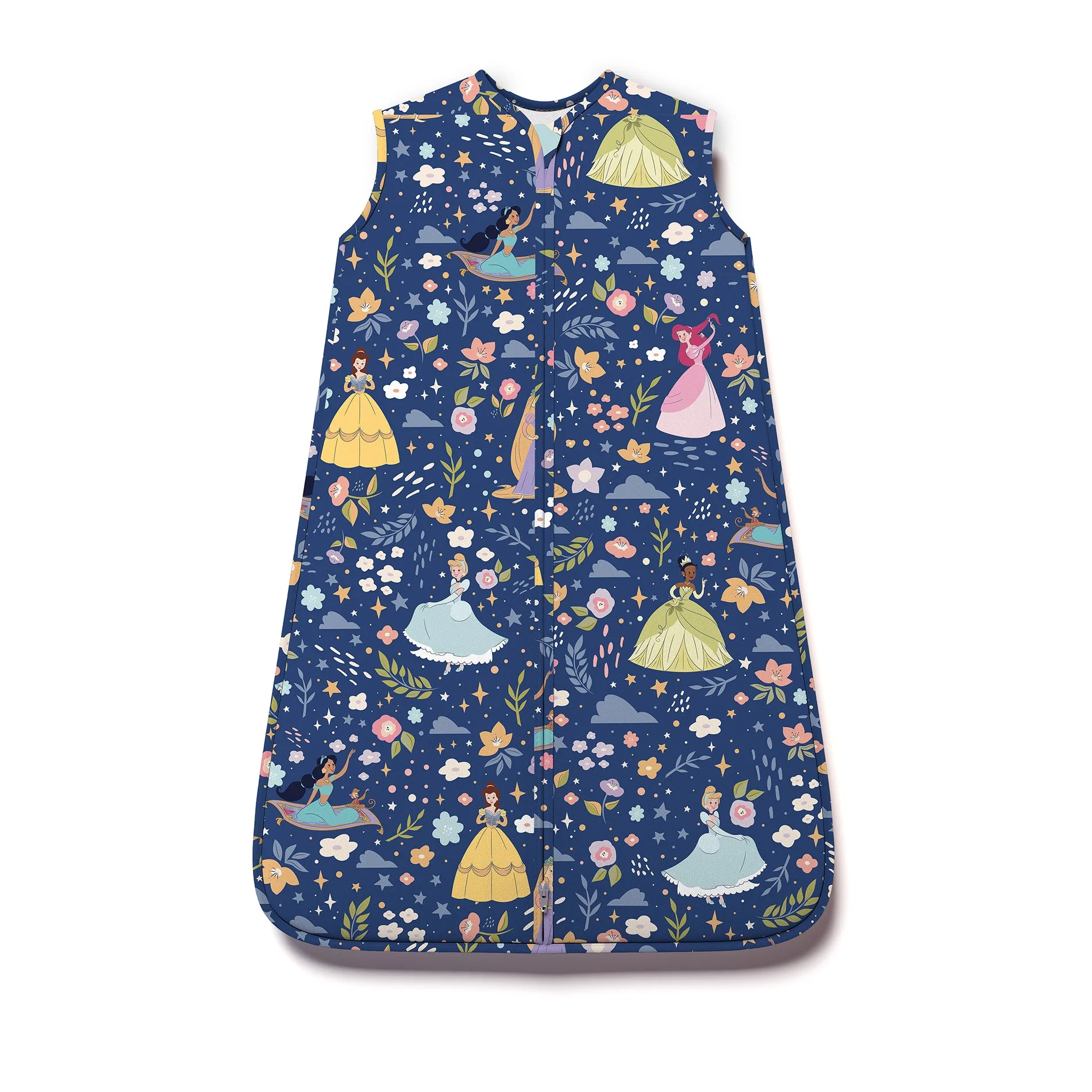
- DISNEY PRINCESS SQUAD SLEEP BAG: The Disney Princess Squad Milk Snob Sleep Bag is an official licensed Disney sleep sack described as a blanket alternative with a TOG rating system for warmth. The TOG rating tells you how warm the bag is, so you can match it to your room temperature instead of guessing with extra layers.
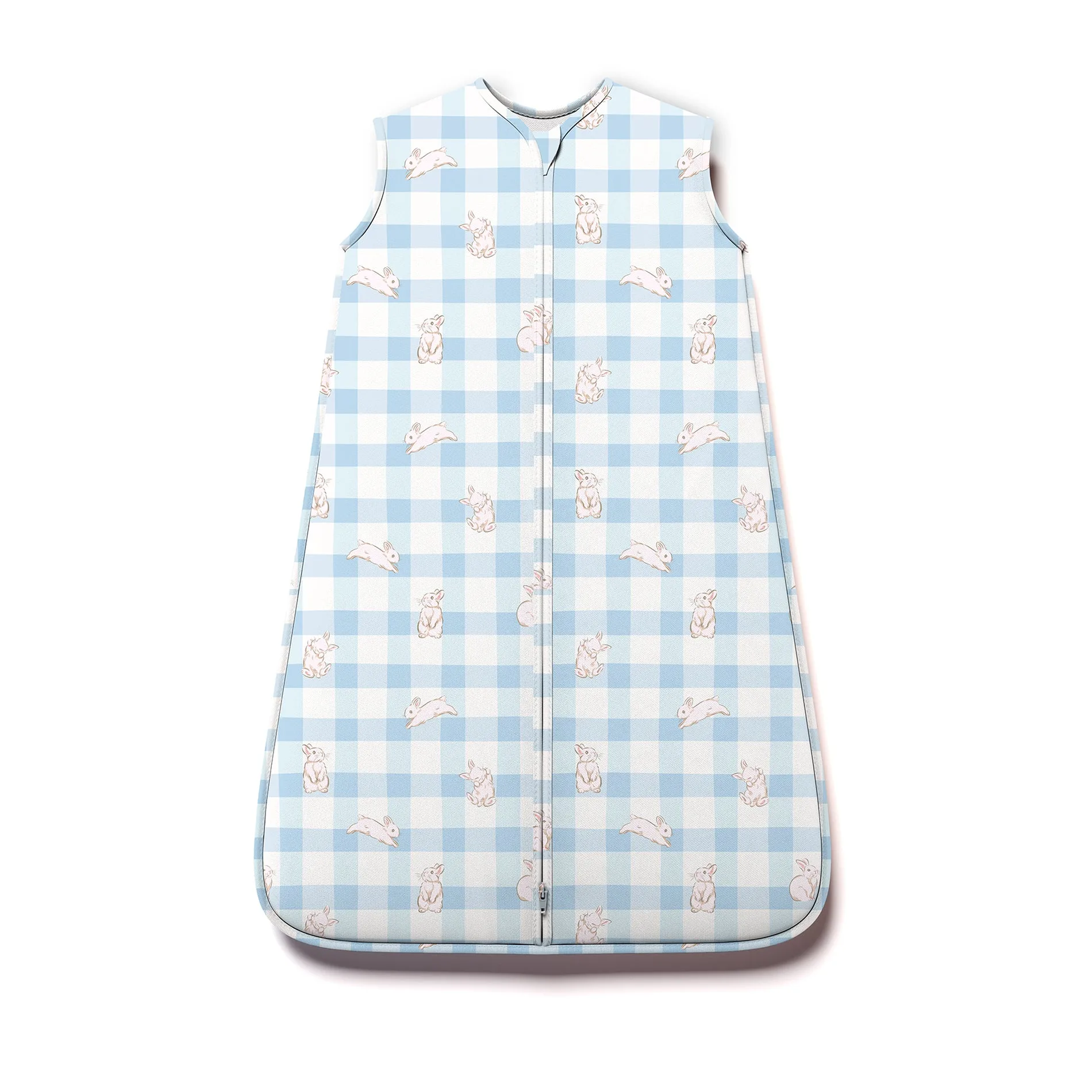
- COTTONTAIL SLEEP BAG: The Cottontail Milk Snob Sleep Bag is a sleep sack with a bunny and blue gingham design, sold in sizes. A sized sleep sack lets you get the neckline and armholes right, which is the main safety check once your baby moves from swaddling.
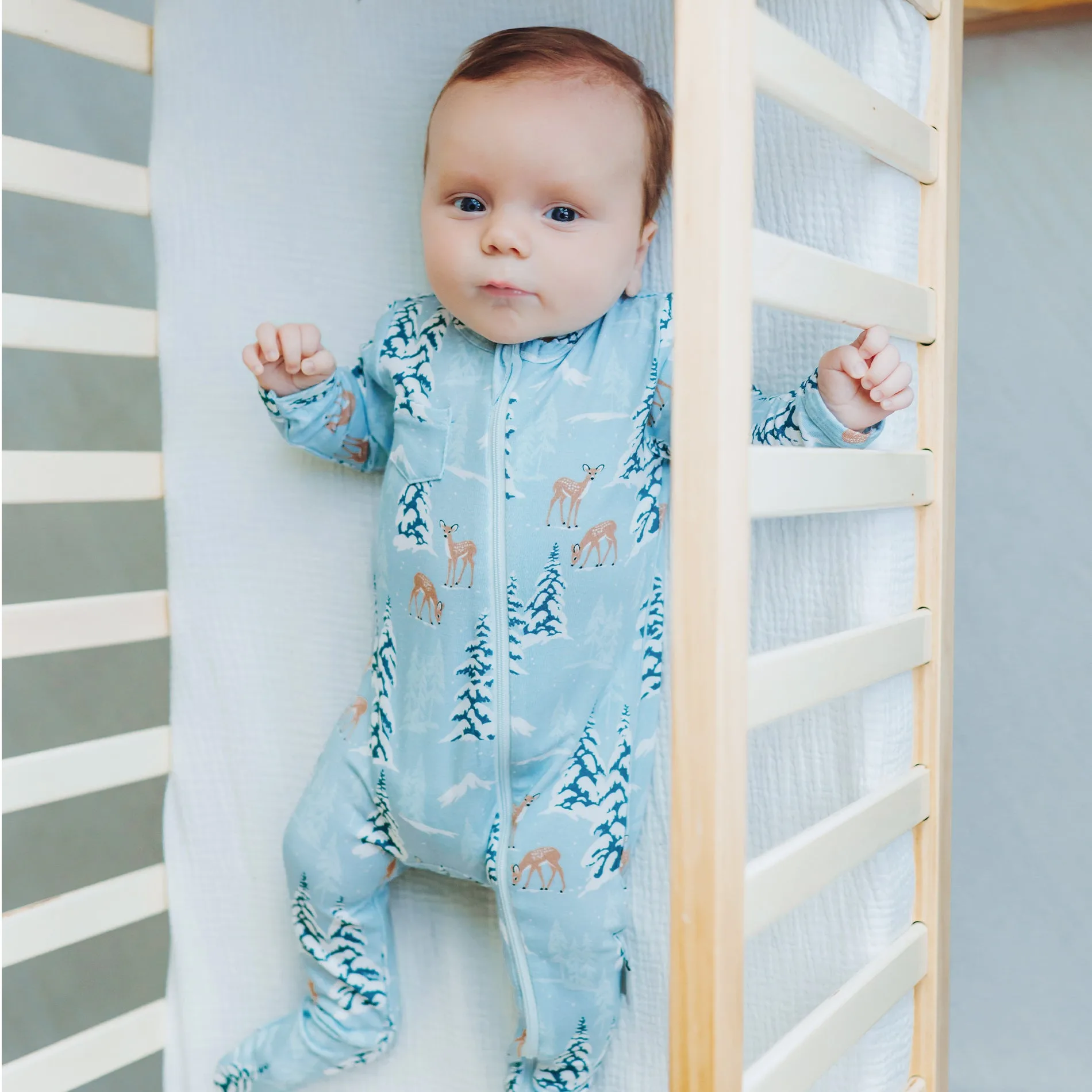
- ALPINE FOOTED JAMMIES: Alpine Milk Snob footed pajamas are slightly stretchy, lightweight, and breathable, with winter trees and deer on a blue background, sold in sizes. A lightweight footed jammie works as the one clothing layer under a sleep sack, and the slight stretch helps it last through a growth spurt without being oversized.
Who this first-buy list fits
Best for
- Parents setting up a first sleep space and unsure what to buy
- Caregivers who want a swaddle-to-sleep-sack plan before the rolling stage
- Anyone who prefers a short, safety-first list over a full nursery haul
Not for
- Parents looking for weighted sleep products, which are not recommended
- Shoppers who want a single sleep sack to last from newborn to toddler without size changes
- Anyone who plans to use loose blankets in the crib