Quick answer
Choose a 3-axis kit for manual tilt alignment on a budget, or a 5-axis kit with encoded Z for automated, high-repeatability measurements. The encoded Z option is essential for step-height or topography stitching.
Manual vs motorized pitch/roll: what changes
The 3-axis kit uses a manual PR stage, meaning you adjust tilt by hand. That works fine for occasional setup changes but adds operator time and variability. The 5-axis kits motorize pitch and roll, so the system can level the sample automatically—critical for unattended measurement sequences or when you need consistent alignment across many parts.
Encoded Z: why it matters for height-sensitive work
Standard Z stages track position by counting motor steps, which can slip or lose accuracy over long moves. An encoded Z stage uses a linear encoder to report real position. If you measure deep steps, tall features, or stitch multiple fields of view, encoded Z eliminates cumulative error and gives you traceable height data without recalibration.
How to decide: three checkpoints
- 1. Do you need motorized tilt?: If your samples vary in wedge or you run automated sequences, choose a 5-axis kit. If you level once per batch and don't mind a manual knob, the 3-axis kit saves cost.
- 2. Is height accuracy critical?: For step-height measurements, topography stitching, or any application where Z position must be known precisely, pick a kit with encoded Z. The standard motorized Z is adequate for simple surface roughness scans. Encoded Z is the only way to guarantee traceable height data without external calibration.
- 3. What Z travel range do you need?: Standard 5-axis kits offer typical Z travel. If your parts have tall features or you need to measure deep recesses, consider the 5-axis kit with 200mm Z travel, which extends the vertical range significantly. 200mm Z travel is available as a separate option—check your part dimensions before ordering.
Motion kit options at a glance
-
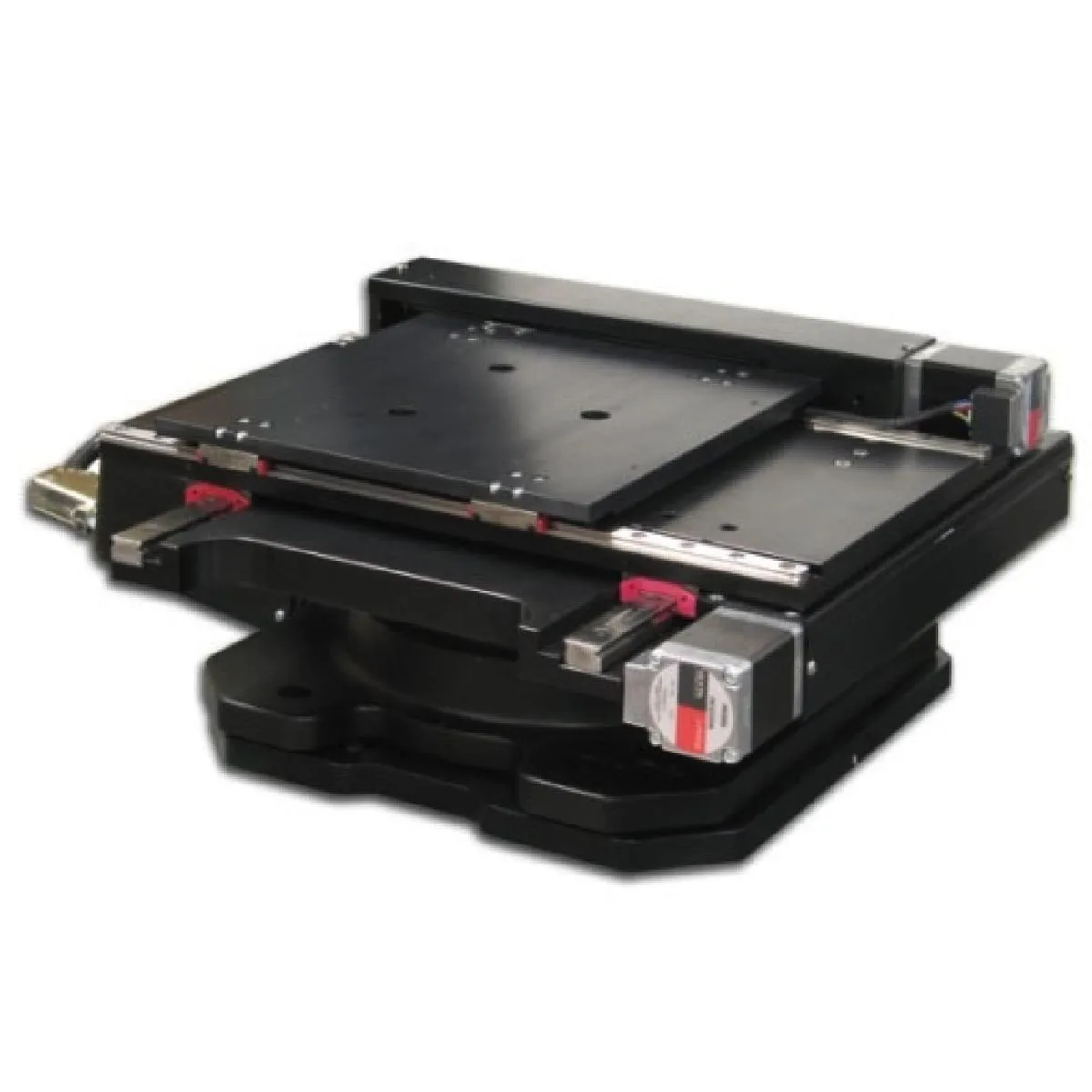
NewView 3 axis motion kit,: The NewView 3 axis motion kit combines a motorized XYZ stage with a manual PR, supporting three-axis motion. You get automated X, Y, and Z positioning but must adjust pitch and roll by hand, which is fine for simple setups or when tilt rarely changes.
NewView 3 axis motion kit,
-
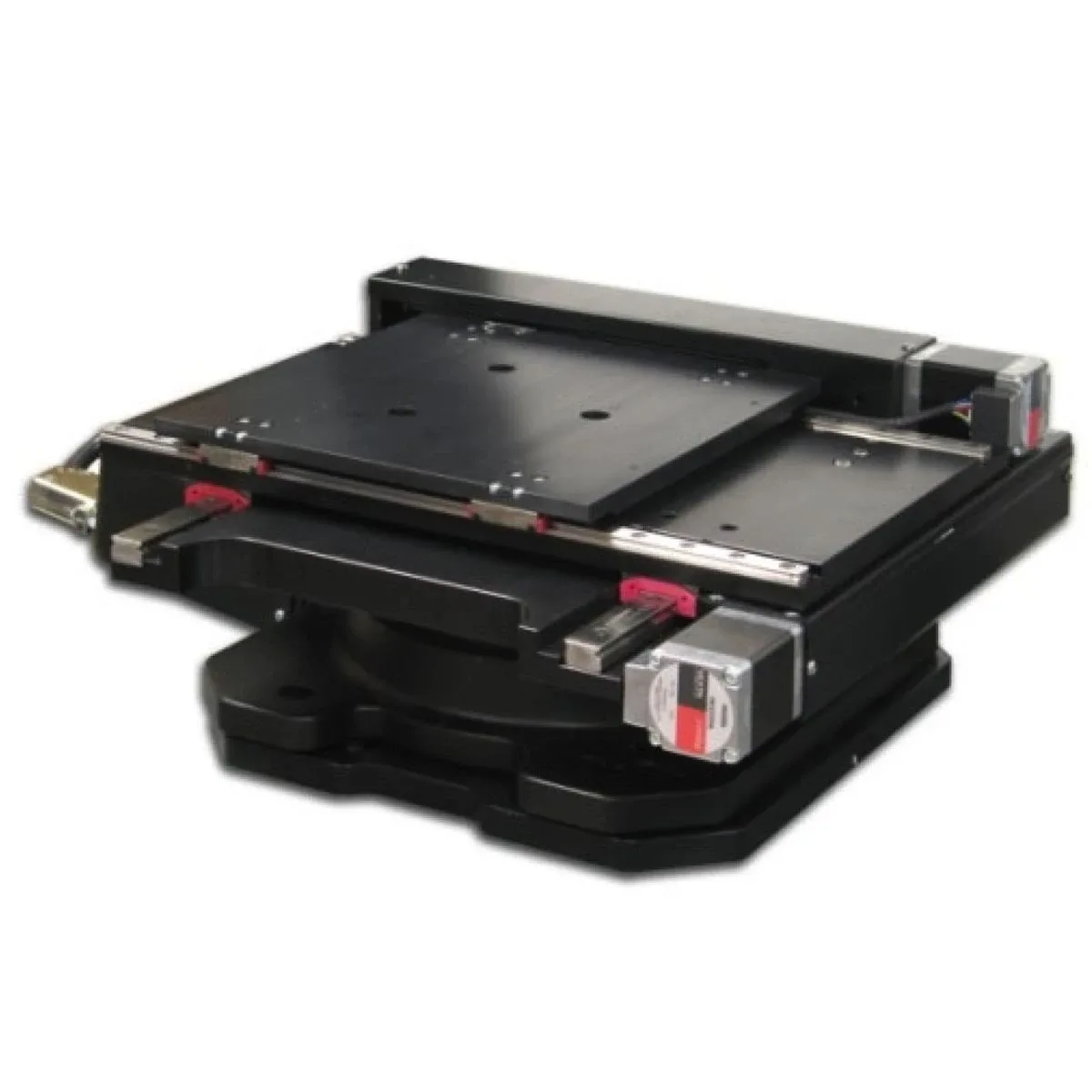
NewView 5 Axis Motion Kit with encoded Z: The NewView 5 Axis Motion Kit with encoded Z provides motorized XY and motorized PR, plus a linear encoder on the Z axis. Encoded Z gives you closed-loop height control, so you can trust measurements over large Z ranges without manual verification.
NewView 5 Axis Motion Kit with encoded Z
Which kit fits your work?
Best for
- R&D labs running automated surface metrology across many samples
- Production QA needing repeatable tilt alignment and height traceability
- Users who measure step heights, deep features, or stitched topography
Not ideal for
- Simple roughness checks on flat samples where manual tilt is acceptable
- Budget-constrained setups that can tolerate occasional manual alignment