A Wildlife Lens That Reduces Bulk Without Sacrificing Reach
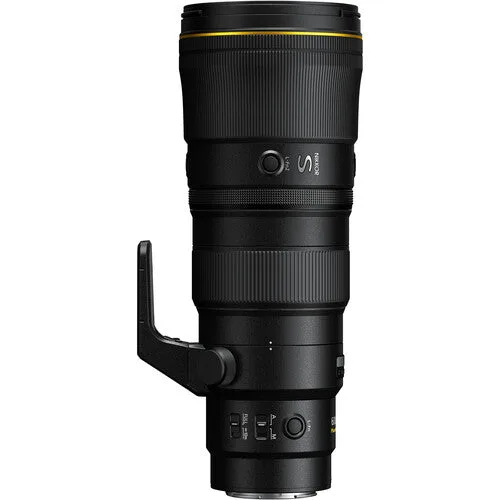
When you're hiking after birds or stalking big game, every ounce matters. The Nikon AF-S Nikkor 500mm f/5.6E PF ED VR lens delivers 500mm of reach in a body that weighs 1460g and measures 106 x 237mm. That's light enough to hand-hold for extended periods, which changes how you can shoot in the field.
The key is the Phase Fresnel (PF) element. It bends light in a way that lets Nikon shrink the lens barrel compared to conventional 500mm designs. You still get the full FX-format coverage, or a 750mm equivalent on a DX body—useful when you need extra reach for small subjects.
Key Specifications and What They Mean for Wildlife Shooters
-
Nikon AF-S NIKKOR 500mm f/5.6E PF ED VR Lens: The Nikon AF-S Nikkor 500mm f/5.6E PF ED VR Telephoto Lens offers an equivalent focal length range of 500mm, with an aperture range spanning from f/5.6 to f/32. f/5.6 is the widest aperture, which means you'll need decent light or higher ISO for fast-moving subjects at dawn/dusk. The narrow end (f/32) is rarely used in wildlife but can help with depth of field in landscape shots.
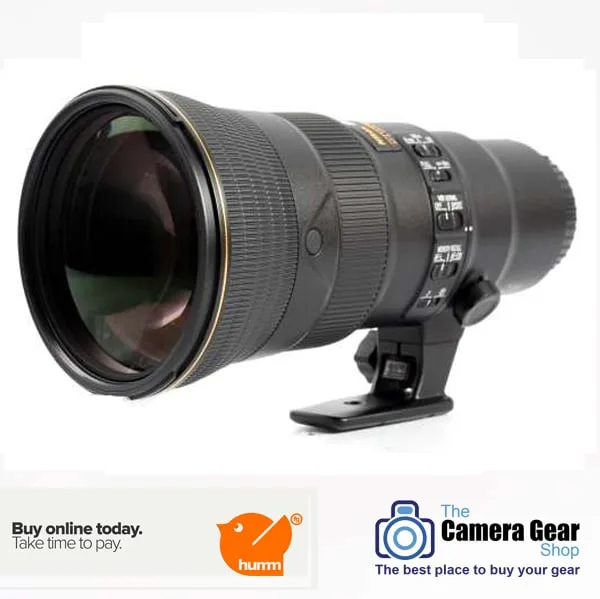
Nikon AF-S NIKKOR 500mm f/5.6E PF ED VR Lens
-
Nikon AF-S NIKKOR 500mm f/5.6E PF ED VR Lens: The Vibration Reduction (VR) lets you shoot at shutter speeds up to 4 stops slower plus the Sport VR mode is helpful when shooting exceptionally fast action, or when panning. Four stops of stabilization is a real advantage when hand-holding. Sport VR mode is designed to keep the viewfinder stable during erratic movement—ideal for birds in flight or running animals.
-
Nikon AF-S NIKKOR 500mm f/5.6E PF ED VR Lens: The design of this super-telephoto lens makes it compatible with FX-format Nikon F-mount cameras and DX models, where it provides a 750mm equivalent focal length range. If you shoot with a DX camera like the D500, you effectively get a 750mm field of view, which is excellent for distant wildlife. The lens uses the F-mount, so it works with older Nikon DSLRs as well as newer ones.
Optical Quality and Coatings
The lens uses 19 elements in 11 groups, including one Phase Fresnel element and three extra-low dispersion (ED) elements. These ED elements help reduce chromatic aberration and color fringing, which can be a problem with high-contrast edges like bird feathers against a bright sky.
Nikon applies both Nano Crystal Coat and Super Integrated Coating to minimize surface and internal reflections. That means less flare and ghosting when shooting into the light—a common situation in wildlife photography when the sun is low.
Autofocus Performance and Handling
Nikon's Silent Wave Motor provides fast, quiet autofocus. The Advanced AF tracking keeps up with fast-moving subjects, which is critical for birds in flight or running animals. The lens also has a 95mm filter thread, so you can attach a circular polarizer or protective filter if needed.
The compact size makes it easier to pack in a backpack alongside a second body or shorter lens. While it's not weather-sealed in the supplied information, the build feels robust for field use.
Trade-Offs to Consider
The f/5.6 maximum aperture is slower than some f/4 super-telephotos, so you'll need to push ISO higher in low light. The Phase Fresnel element can also produce a slight loss of contrast in certain backlit conditions (though the coatings help).
The lens is not compatible with Nikon's teleconverters unless you check specific compatibility—the supplied information doesn't confirm TC support. If you need more reach, you may want to verify this with your camera body.
Price is a factor: at a catalog comparison price of USD 5999.00, it's a significant investment. The current price of USD 3599.40 represents a notable discount, but it's still a premium lens aimed at serious wildlife enthusiasts.
Who This Lens Fits Best
This lens is ideal for wildlife and bird photographers who want 500mm reach without a tripod. The hand-holdable size and VR make it practical for hiking, kayaking, or any situation where a tripod is a burden.
It's also a strong choice for sports shooters who need a long lens but want to travel light. The Sport VR mode and fast AF are well-suited to field sports and motorsports.
If you primarily shoot in very low light or need f/4, you might look at heavier options. But for most daylight wildlife work, the 500mm f/5.6E PF ED VR offers a compelling balance of reach, weight, and image quality.