Why this lens pairs naturally with the Z6 III
The NIKKOR Z MC 50mm f2.8 is a compact, lightweight full-frame macro lens for the Z series. On a Nikon Z6 III it covers close-ups, portraits and street photography without adding much weight to the bag. The two numbers that shape your setup are the 1:1 reproduction ratio and the f2.8 maximum aperture.
This guide focuses on the practical decisions you can make from the catalog facts: how to approach 1:1 magnification, when f2.8 helps and when it does not, and how to judge the lens for your own close-up work. It does not invent camera-menu steps or lighting recipes that the supplied information does not confirm.
Catalog facts that drive the setup
-
Nikon NIKKOR Z MC 50mm f2,8: 50mm macro lens with 1:1 reproduction scale and f2.8 maximum aperture. The 1:1 ratio tells you the lens can render a subject at life-size on the sensor; the f2.8 aperture sets how much light you gather and how shallow focus becomes at close range.
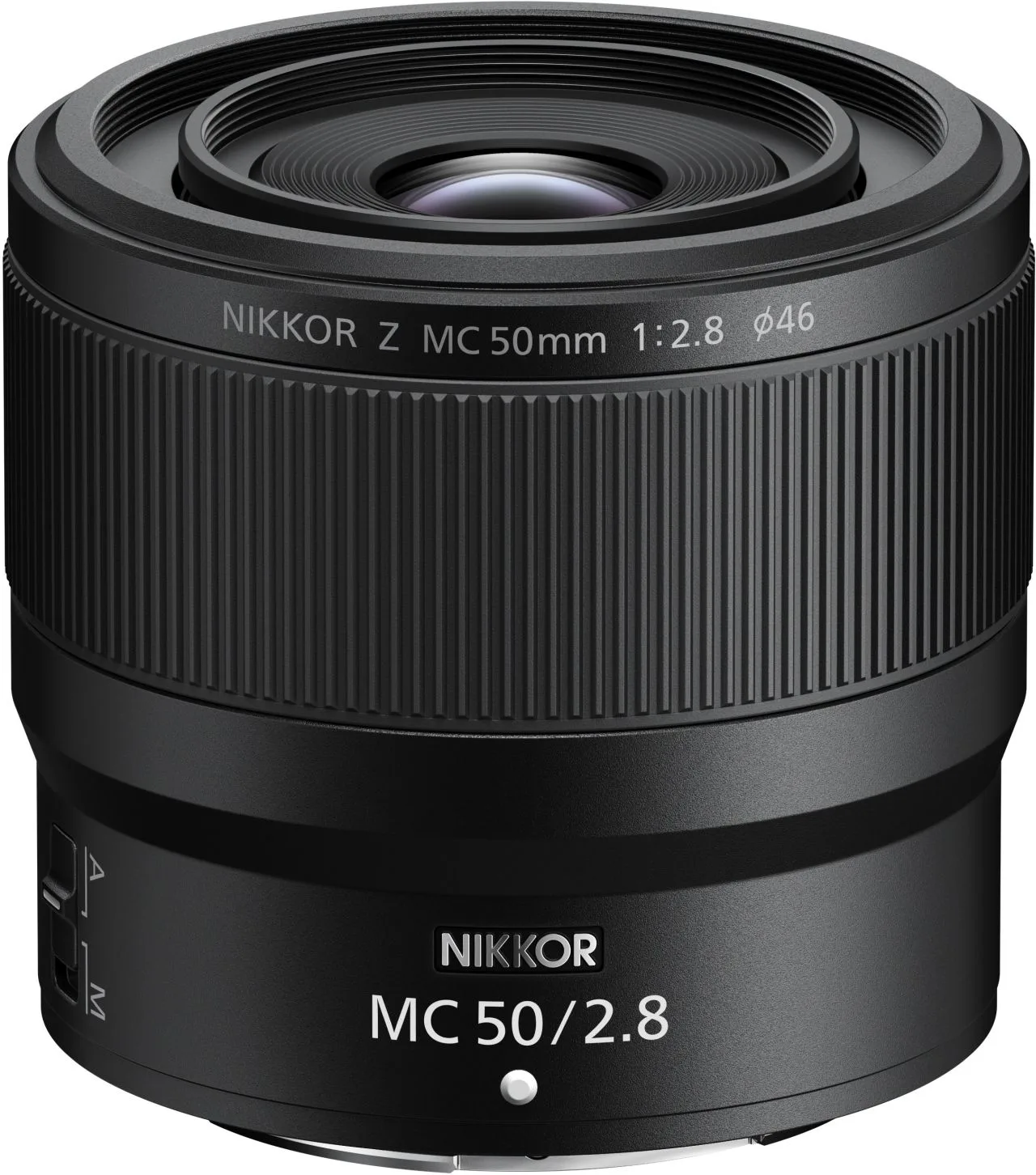
Nikon NIKKOR Z MC 50mm f2,8
-
Nikon NIKKOR Z MC 50mm f2,8: Compact and lightweight full-frame lens for the Z series, with Fluor coating. A light lens is easier to handhold for close-up work, and the Fluor coating is a handling detail to keep in mind when cleaning the front element.
A practical close-up workflow for the Z6 III
These steps stay within what the lens record supports. They describe how to approach the shot, not camera-menu settings.
- Start at a comfortable working distance: The record confirms 1:1 magnification but does not list a minimum focus distance. Begin with your subject framed loosely, then move in until it fills the frame at the 1:1 setting.
- Decide what f2.8 is for: At close range, f2.8 gives a bright view and a very shallow zone of focus. Use it when you want one detail sharp against a soft background; stop down when more of the subject needs to be in focus.
- Stabilize before you fine-tune focus: The lens is compact, but 1:1 work magnifies every movement. Brace your elbows or use a support, then make small focus adjustments rather than sweeping the camera.
- Check the frame edges: At life-size, small shifts in position change the composition noticeably. Review the edges after each adjustment before you move on.
Subjects this 50mm macro handles well
The catalog names close-ups, portraits and street photography as the lens's strengths. Those categories suggest where to point it first.
- Everyday details: The 50mm focal length keeps some context around the subject, which suits flowers, textures and objects you want to show in their setting.
- Portraits: A 50mm lens on a full-frame Z6 III gives a natural perspective for people; the f2.8 aperture lets you separate a subject from the background.
- Street and walkaround: The compact, lightweight build makes it a low-effort lens to carry, and the 50mm view is wide enough for scenes as well as details.
Lighting and focus stacking: what the record does not settle
Close-up work often raises two questions: how to light the subject and whether to stack focus. The supplied product record does not include lighting instructions, working-distance figures or a confirmed focus-stacking procedure for this lens on the Z6 III. Treat any specific lighting recipe or stacking workflow as something to verify against the camera and lens documentation before you rely on it.
What the record does confirm is the starting point: a 1:1 reproduction scale and an f2.8 maximum aperture. Those two facts tell you the lens can fill the frame with a life-size subject and that depth of field will be shallow when you open up. Plan your light and your focus approach around that shallow zone rather than around unconfirmed settings.
How to judge the MC 50mm against your close-up needs
There is no second macro lens in the supplied records to compare against, so judge this one on its own terms.
- Choose it if: You want a compact full-frame macro that also works for portraits and street photography, and you value the 1:1 scale and f2.8 aperture in one lightweight lens.
- Look elsewhere if: You need a longer working distance for skittish subjects or a wider maximum aperture; the record does not confirm either for this lens, so those are reasons to check other options.