Quick answer
For most 75x100mm landscape shooters, start with a 3-stop soft-edge GND for sunrise and sunset, then add a 6-stop if you shoot into bright skies or need longer exposures. Match the filter edge to your horizon: soft edge for uneven treelines and mountains, hard edge for flat seascapes. If you shoot both, a 3-stop soft edge is the single most versatile first buy.
What the stop number actually changes
A graduated ND filter darkens one part of the frame to balance a bright sky against a darker foreground. The stop number tells you how much light the dark section removes. A 3-stop GND cuts three stops of light in the darkest area, which suits a sky that is roughly three stops brighter than the land. A 6-stop GND cuts six stops, which is useful when the sky is much brighter or when you want to push a long exposure into bright conditions.
The common mistake is buying the strongest GND first. A 6-stop graduated filter can leave a visible dark band over the horizon when the sky is only moderately bright. In practice, many landscape photographers reach for a 3-stop far more often and keep a 6-stop for harsh midday or very bright coastal scenes.
Soft edge vs hard edge: match the horizon
The edge transition decides how natural the blend looks. A soft-edge GND fades gradually, so it hides the transition across mountains, trees, and irregular skylines. A hard-edge GND transitions quickly, which is ideal for a clean, flat horizon such as an open ocean or flat field.
If you can only carry one, choose soft edge. It is more forgiving and works across more scenes. Add a hard edge later if seascapes are a regular part of your work. With a 75x100mm holder, you can slide the filter up and down to place the transition exactly where the horizon sits, which matters more than the edge type in many shots.
How 75x100mm fits your system
75x100mm is a compact size class. The 75mm width is the filter's height in the holder and the 100mm length gives you room to slide the graduation. It suits smaller lens diameters and travel kits, and it is lighter than 100x150mm systems. The trade-off is coverage: very wide lenses may vignette or run out of slide room, and you have less room to reposition the transition than with a larger filter.
Before buying, check your widest lens and your filter thread. If you already own a 100mm holder system, a 75x100mm GND will not fit it without the correct holder and adapter. Buying the wrong size is the most common return reason for graduated filters, so confirm the holder and adapter ring first.
Stacking GNDs with solid ND and mist filters
You can combine a graduated ND with a solid ND for long exposures, but each extra layer adds handling time and increases the chance of fingerprints or flare. Magnetic systems make this faster because you can attach and remove filters in seconds and keep them locked in place. If you shoot handheld or in wind, that speed matters more than saving a few grams.
A graduated ND and a black mist filter do different jobs: the GND balances exposure, while mist softens highlights and skin. Stacking them is possible, but for pure landscape work the GND usually earns its place first. Add mist only when you want a softer, more atmospheric look.
Decision rules for buying your first GND
- Start with 3-stop soft edge: If you shoot sunrise, sunset, or partly cloudy skies with an uneven horizon, a 3-stop soft-edge GND is the most useful single filter. Buy this first unless you already know you need extreme light control.
- Add 6-stop for bright or long-exposure work: Choose a 6-stop GND when the sky is much brighter than the land, or when you want to smooth water and clouds in bright conditions. Treat it as a specialist filter, not your everyday GND.
- Match edge to horizon, not to fashion: Soft edge for mountains, trees, and irregular skylines. Hard edge for flat seascapes and open fields. If you only buy one, soft edge covers more scenes.
- Confirm holder and adapter before you buy: 75x100mm filters need a compatible holder and the correct adapter ring for your lens thread. Check your widest lens for vignetting. Wrong size is the main reason GNDs get returned.
Products that fit this decision
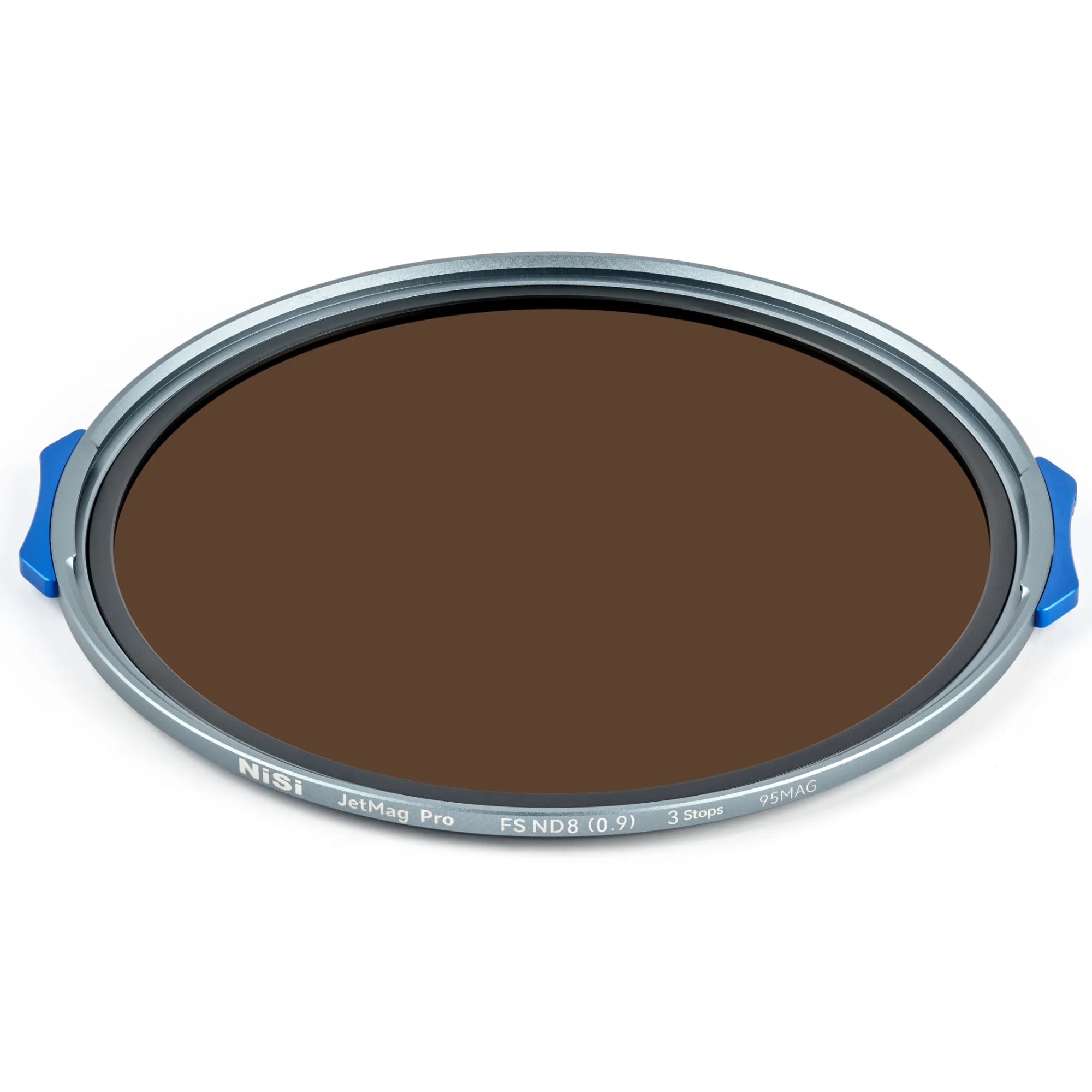
- NiSi JetMag Pro FS ND8(0.9) 95MAG Magnetic Filter (3 Stop): NiSi JetMag Pro FS ND8(0.9) 95MAG Magnetic Filter (3 Stop) offers 3-stop light reduction with Full Spectrum ND technology and magnetic quick installation. A 3-stop is the most versatile starting point for sunrise and sunset landscape work, and the magnetic mount keeps setup fast when light is changing.
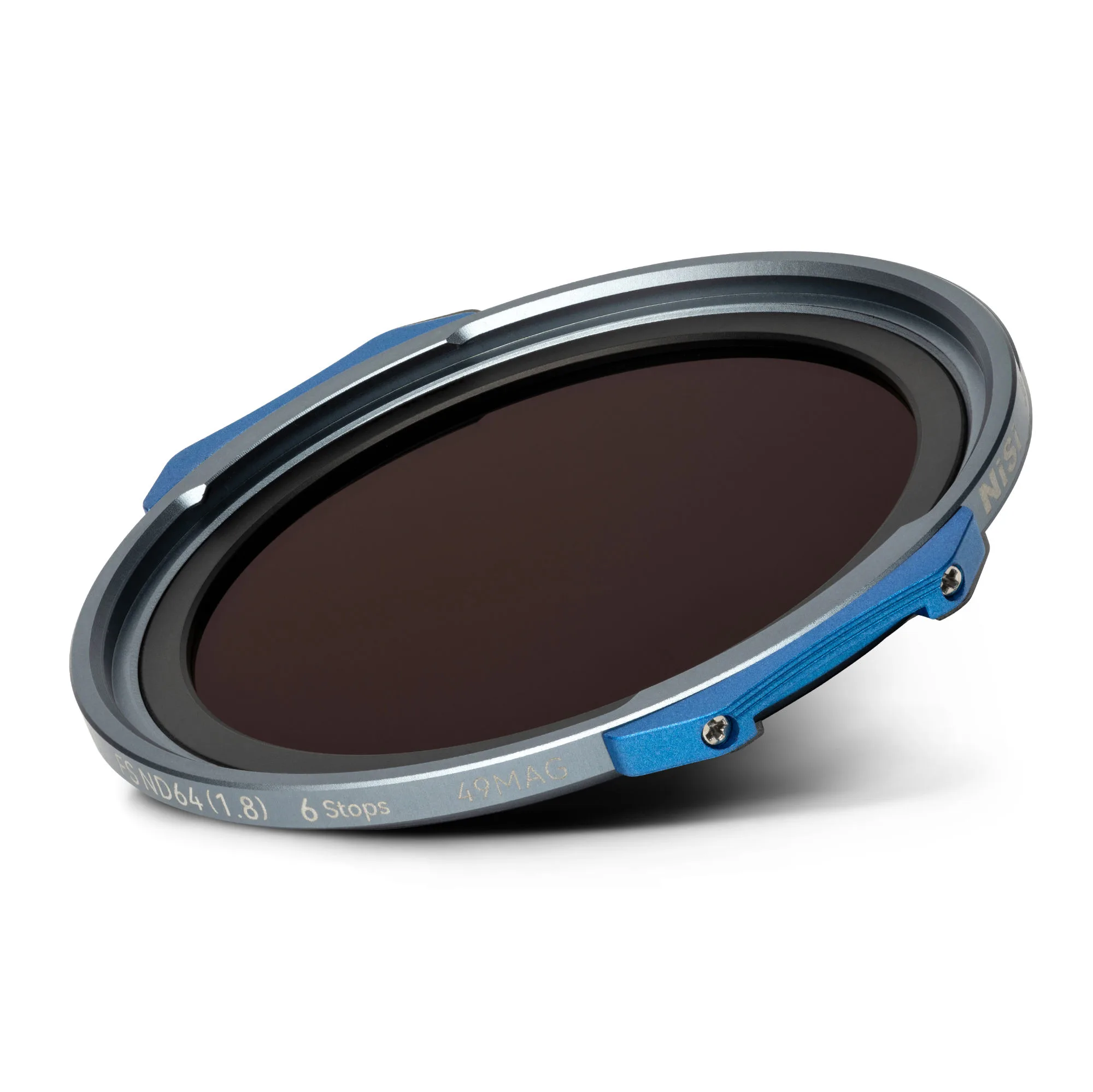
- NiSi JetMag Pro FS ND64(1.8) 49MAG Magnetic Filter (6 Stop): NiSi JetMag Pro FS ND64(1.8) 49MAG Magnetic Filter (6 Stop) reduces light by 6 stops and is designed for smoothing water, adding cloud movement, and extending exposures around sunrise, sunset, and bright overcast conditions. The 6-stop strength is the right second buy when you want longer exposures or face a very bright sky, rather than your everyday GND.
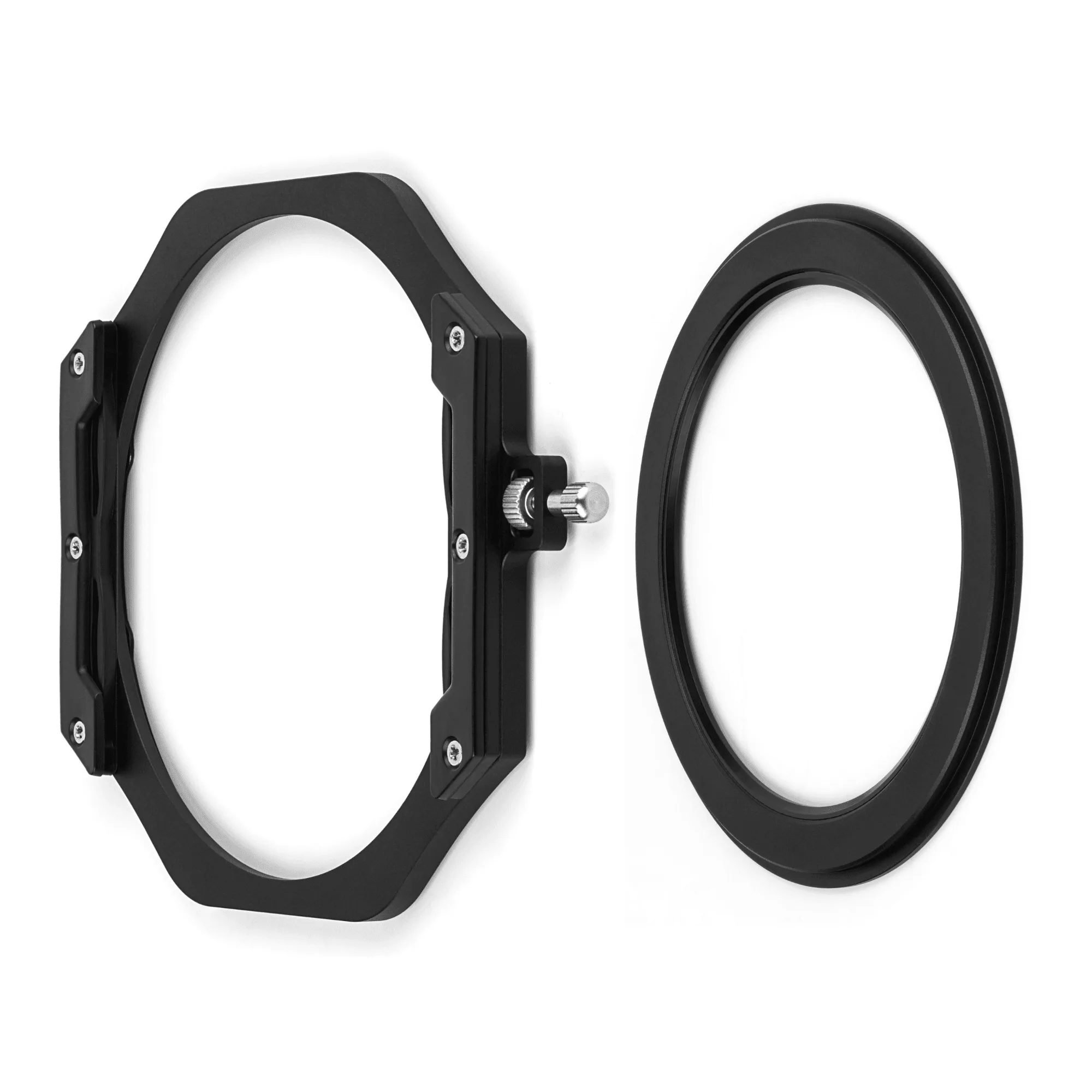
- NiSi JetMag Pro 100mm Filter Holder Kit for 82MAG (Filter Holder + 82MAG Adaptor Ring): NiSi JetMag Pro 100mm Filter Holder Kit for 82MAG includes a 100mm holder and 82MAG magnetic adapter ring, accepts standard 100mm wide square filters including Graduated ND, and offers 360° rotation. If you are building a 100mm system, this holder gives you the rotation and GND compatibility you need, and the magnetic attachment keeps setup secure.
Who should buy which GND
Best for
- Landscape photographers who shoot sunrise and sunset and want one versatile GND
- Travel and hiking shooters who want a lighter 75x100mm kit
- Photographers who shoot seascapes and want a hard-edge option for flat horizons
Not for
- Shooters who need maximum slide room and coverage for ultra-wide lenses, who should use a larger 100x150mm system
- Photographers who only shoot flat, even light and rarely need to balance a bright sky
- Anyone who has not confirmed their holder and adapter ring size