Quick Answer
For most beginners, nylon rope is the safer, more forgiving choice because it's smooth, easy to clean, and doesn't shed. Leather rope offers a different feel and aesthetic but requires more care and is less flexible for full-body ties.
Feel and Flexibility
Nylon rope is smooth and supple, making it comfortable against the skin and easy to tie tight knots. It also has a bit of stretch, which can be forgiving during practice. Leather rope, on the other hand, is stiffer and less flexible, so it's better for decorative ties or quick restraints rather than complex shibari patterns.
If you're planning to learn full-body ties, nylon's pliability is a major advantage. Leather's rigidity can make intricate patterns difficult and may cause pressure points if not applied carefully.
Care and Maintenance
Nylon is machine-washable and dries quickly, making it low-maintenance and hygienic. Leather requires conditioning to prevent drying and cracking, and it should be wiped clean rather than soaked. This makes nylon a more practical choice for regular use or if you share your rope.
Leather's natural material can absorb oils and sweat, which may lead to odor over time. Nylon's synthetic fibers resist moisture and are less absorbent, so they stay fresher longer.
Safety and Skin Sensitivity
Nylon's smooth surface reduces friction, which is gentler on skin and less likely to cause rope burn. Leather, while soft when high-quality, can be rougher on edges and may irritate sensitive skin. For beginners, nylon's low-friction texture is a safer bet for long practice sessions.
Leather is also less breathable than nylon, which can cause sweating and discomfort during extended wear. If you have sensitive skin or plan longer sessions, nylon's breathability is a clear advantage.
Trade-Offs at a Glance
- Nylon: Best for Learning: Choose nylon for your first rope because it's smooth, easy to clean, and forgiving for practice. The Ouch Bondage Rope 10 Meter Nylon - Black gives you enough length for full-body ties without breaking the bank. If you're new, start with nylon and master basic ties before investing in other materials.
- Leather: Best for Aesthetics: Leather offers a classic, premium look and a different sensory experience. But it requires more care and is less flexible, so it's better for decorative or quick restraint rather than complex patterns. If you prioritize appearance and don't mind maintenance, leather could be a later addition to your collection.
- Length Matters: The Bound Bondage Rope 50ft gives you 50 feet, which is more than enough for most ties, including full-body. The Ouch 10-meter rope is also generous. Consider what you plan to tie: longer lengths suit full-body and multi-column ties. Measure your intended ties to ensure you have enough rope; buying a bit longer is usually safer.
Product Comparison
-
Ouch Bondage Rope 10 Meter Nylon - Black: Ten metres of soft nylon rope, enough for full body ties with rope to spare. Nylon runs smoothly and does not shed the way natural fibre does. This makes it an excellent first rope because it's comfortable, low-friction, and won't leave fibers on your skin or floor.
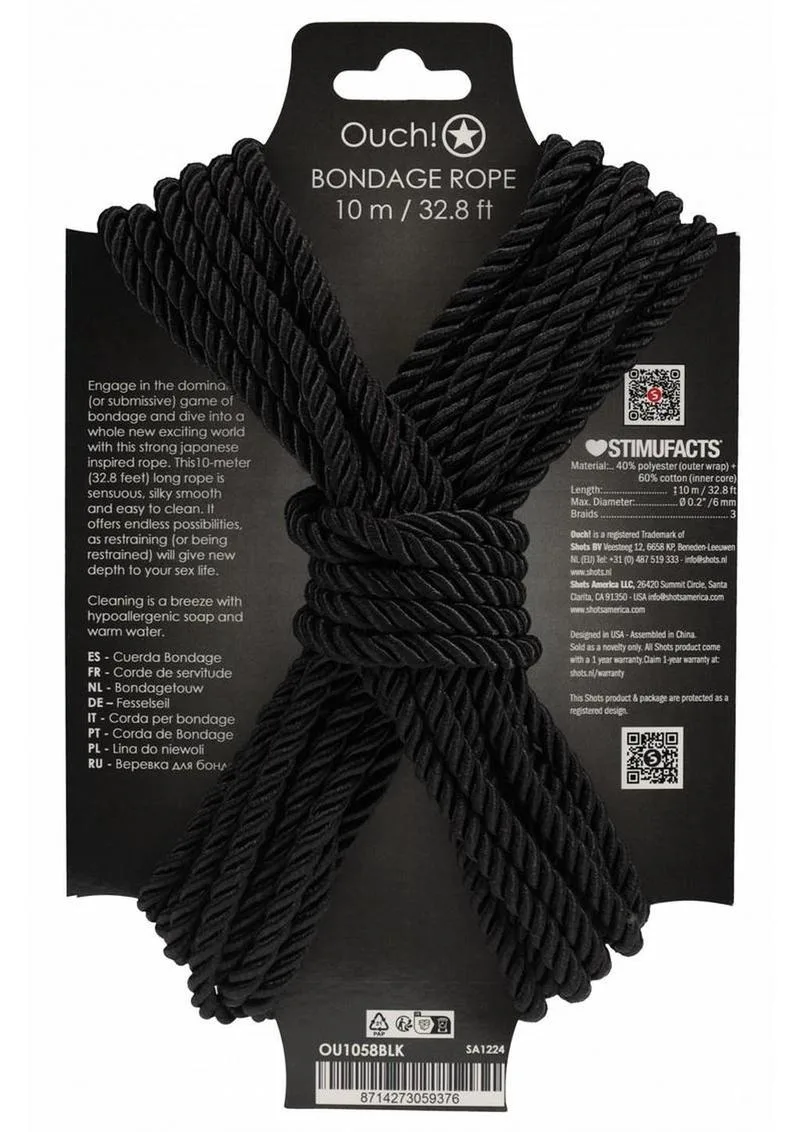
Ouch Bondage Rope 10 Meter Nylon - Black
-
Bound Bondage Rope 50ft: 50 feet of bondage rope with a comfortable, non-chafing feel against skin, available in assorted colors. The longer length and soft feel make it versatile for creative ties, and the color options let you mix and match for visual appeal.
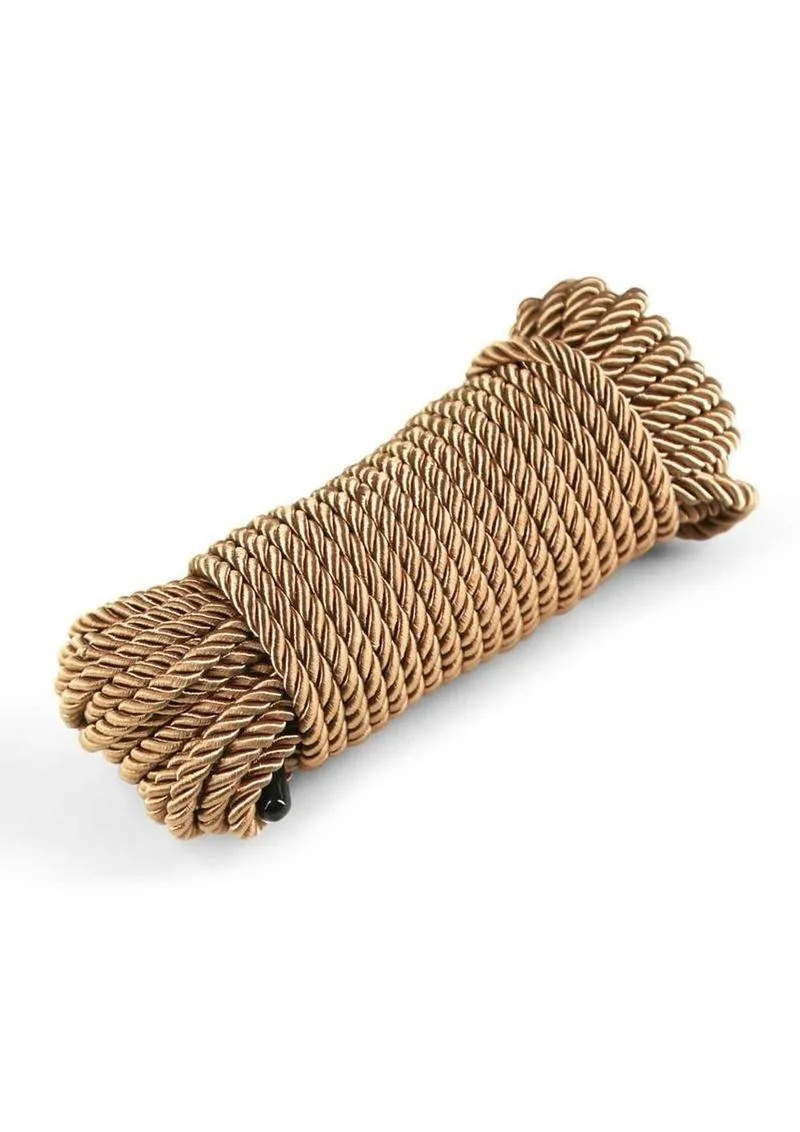
Bound Bondage Rope 50ft
Which Rope Fits You?
Best for
- Beginners who want a comfortable, low-maintenance rope for learning
- People who plan full-body ties or shibari patterns
- Those who prefer a modern, easy-to-clean material
Not for
- Those seeking a traditional aesthetic or leather's unique texture
- People who want a rope for quick, decorative restraints without complex ties