Choosing the right dog leash is more than a matter of style—it's about safety, comfort, and functionality. With so many materials on the market, it can be overwhelming to decide which one suits your dog's needs. In this guide, we'll compare nylon, leather, and chain leashes, examining their pros and cons, durability, and best use cases. By the end, you'll know exactly which material is the best fit for your furry friend.
Whether you're training a puppy or walking a strong adult dog, the leash material can make a significant difference in your control and your dog's comfort. Let's dive into the world of dog leashes and find the perfect match for you and your pet.
Nylon Dog Leashes: Versatile and Affordable
Nylon leashes are the most common type on the market, and for good reason. They're lightweight, affordable, and come in a wide range of colors and patterns. Nylon is also easy to clean—just toss it in the washing machine. For everyday walks, a nylon leash is a practical choice that offers both durability and flexibility.
However, nylon can be rough on your hands if your dog pulls, and it may cause friction burns on both you and your dog's skin. Additionally, some dogs are prone to chewing through nylon, so it's not the best option for aggressive chewers. If you're looking for a budget-friendly leash that works well for most dogs, nylon is a solid pick.
- Best for: everyday walks, puppies, and small to medium dogs.
- Consider a padded handle for extra comfort during long walks.
Leather Dog Leashes: Classic and Durable
Leather leashes are the epitome of classic style and durability. They're strong, comfortable to hold, and become softer and more supple with age. A high-quality leather leash can last for years, making it a worthwhile investment for many dog owners. Leather also has a natural grip that becomes more comfortable as it molds to your hand.
On the downside, leather leashes are more expensive than nylon and require regular conditioning to keep them from drying out and cracking. They're also not ideal for water activities, as soaking leather can weaken it. If you're looking for a stylish, long-lasting leash for your well-behaved dog, leather is an excellent choice. Consider pairing it with a matching Distressed Leather Collar for a polished look.
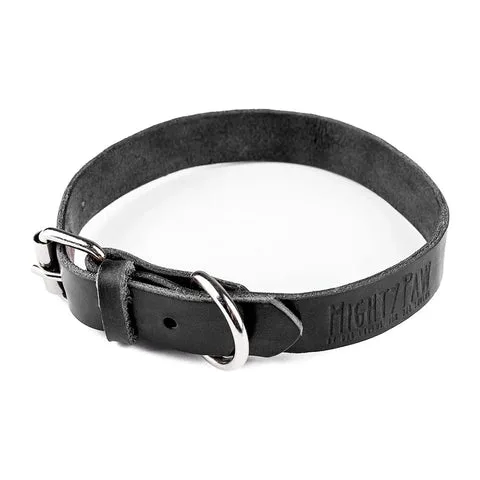
Distressed Leather Collar
- Best for: well-trained dogs, formal occasions, and owners who value aesthetics.
- Condition your leather leash regularly to maintain its flexibility and strength.
Chain Dog Leashes: Maximum Control and Chew Resistance
Chain leashes are designed for powerful dogs that need extra control or for dogs that tend to chew through other materials. They're typically made of metal links, which are virtually impossible for a dog to bite through. A chain leash can also provide a more secure feel when walking a strong puller, as the weight and texture can help you maintain a firm grip.
However, chain leashes have significant drawbacks. They are heavy, can be uncomfortable to hold, and may cause injury to both you and your dog if the chain snaps or whips. They also lack the flexibility of nylon or leather, which can be uncomfortable for your dog if they pull. Chain leashes are often used for training or as a temporary solution for dogs with destructive chewing habits, but they should be used with caution and supervision.
- Best for: powerful dogs, training sessions, and dogs that chew through other leashes.
- Never leave a chain leash on your dog unattended, as it can get caught on objects.
How to Choose the Right Material for Your Dog
When deciding between nylon, leather, and chain leashes, consider your dog's size, strength, chewing habits, and your walking environment. For most dogs, a nylon leash offers the best balance of comfort, durability, and price. If you have a dog that pulls hard or tends to chew, you might need a more robust option like a leather or chain leash.
For puppies and small dogs, a lightweight nylon leash is often ideal. For larger breeds with a strong prey drive, a leather leash can provide better control without the harshness of a chain. If you're training a dog to walk politely, a long leash can give them more freedom while you work on recall. Ultimately, the best leash material is one that feels comfortable in your hand and keeps your dog safe and secure.
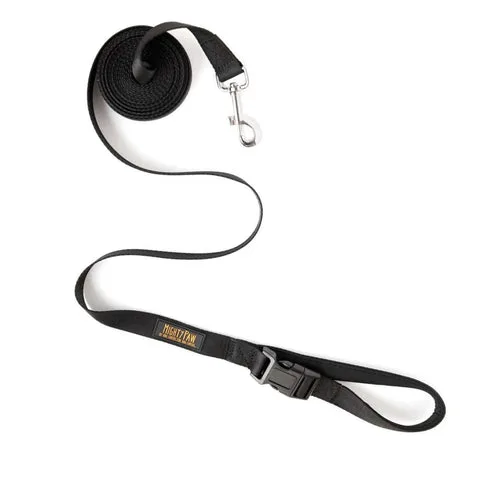
long leash
- Consider a padded handle for added comfort on long walks.
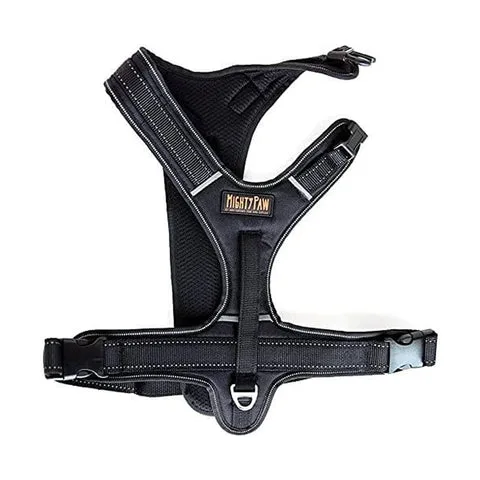
- For dogs that pull, a harness like the Sport Dog Harness can distribute pressure more evenly.
Safety Considerations for Every Leash Type
Regardless of the material you choose, safety should always be your top priority. Inspect your leash regularly for signs of wear and tear, such as fraying, cracking, or rust. A damaged leash can break unexpectedly, putting your dog at risk. Always use a leash that is appropriately sized for your dog's weight and strength.
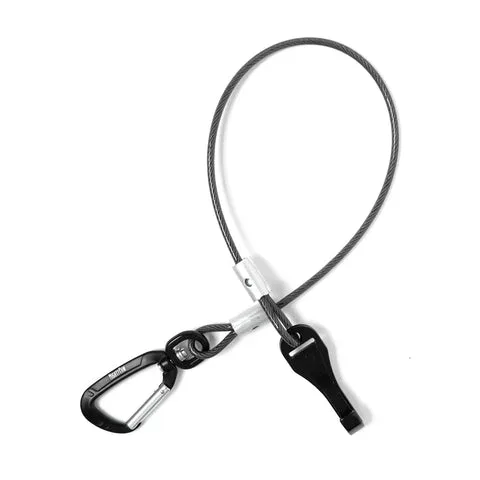
When using a chain leash, be mindful of the risk of injury from the metal links. Avoid sudden jerks that could cause the chain to snap. For nylon and leather leashes, check the stitching and connections to ensure they are secure. If your dog is a chewer, consider a chew-proof option like the Chew-Proof Car Safety Belt for car rides, but for walks, a chain leash might be necessary.
- Replace your leash if you notice any damage.
- Use a collar or harness that fits properly to prevent escape.
In the end, the best dog leash material depends on your dog's individual needs and your personal preferences. Nylon offers versatility and affordability, leather provides classic durability and style, and chain gives maximum control and chew resistance. Whichever you choose, prioritize safety and comfort for both you and your furry friend. For a reliable everyday option, check out the Long Leash, which offers the perfect balance of length and control for training and walks.