Quick answer
Buy ocean animal figures by matching scale and material to the job: small, durable PVC figures for young kids and play sets, and larger, more detailed figures for dioramas and display. If you want a single versatile pick, choose a mid-size PVC figure from a consistent collection so it fits with other sea creature figurines you already own.
Ocean animal figures work best when scale, material, and detail match how you will actually use them. A figure that disappears into a shoebox diorama may be perfect on a desk, and a toy that survives a toddler may look plain next to a hand-painted display piece.
This guide gives you decision rules rather than a single winner. You will learn how to compare sea animal toys and sea creature figurines, when to pay more for detail, and which sizes cause the most mismatches in mixed collections.
Start with scale, not species
Scale is the fastest way to narrow a buying decision. If you already own marine animal toys, measure one or two and note the length in centimeters. New figures that are more than about 30 percent larger or smaller than your existing set tend to look out of place, especially in dioramas where relative size tells the story.
For play, scale matters less than hand fit. A figure that is too small becomes a choking risk for young children and gets lost easily; one that is too large is hard to arrange in groups. Pick a size your child can grip comfortably and that stores in the container you already use.
- Measure your current figures before buying so new ones match.
- For dioramas, keep all figures within a narrow size range.
- For young kids, prioritize grip and safe size over realism.
Material and paint decide where a figure can live
Most affordable ocean toy animals are made from PVC, which is durable, water-resistant, and safe for play. Hand-painted PVC can look excellent, but paint can wear at high-contact points such as fins and snouts, so check whether the finish is sealed or simply applied.
If a figure will sit on a shelf or in a diorama, detail and paint quality matter more than toughness. If it will be handled daily, choose simpler paint schemes and sturdier shapes. There is a real trade-off here: the most detailed figures are often the least forgiving in rough play.
- PVC is the practical default for play and water scenes.
- Hand-painted detail is worth it for display, less so for heavy handling.
- Inspect fins and tails, which are the first parts to show wear.
Match the figure to the scene you are building
A blue tang toy reads as a reef fish, so it belongs with coral, warm water, and smaller companions. A dolphin figure reads as open ocean and looks wrong crowded into a reef scene. Before buying, decide whether your scene is reef, open water, polar, or shore, then choose species that fit that habitat.
If you are building a mixed ocean scene, anchor it with one large figure and fill around it with smaller ones. This creates depth and keeps the arrangement from looking like a flat row of same-size toys.
- Reef scenes: blue tang, small fish, and coral.
- Open water: dolphins and larger swimmers.
- Polar or migratory scenes: whales and cold-water species.
How many figures do you actually need
Buying in small groups usually beats buying one figure at a time. Two or three compatible figures create a scene immediately, while a single figure often sits unused. If you are buying for a child, start with three to five figures from the same collection so they share a consistent look.
For collectors, the opposite applies: buy one strong piece at a time and avoid filling gaps with figures you do not actually like. A focused collection of eight good figures looks better than thirty mismatched ones.
- Kids: start with three to five compatible figures.
- Collectors: buy fewer, better pieces.
- Avoid duplicate species unless you are building a pod or school.
Decision rules for buying ocean animal figures
- Rule 1: Buy for the surface, not the shelf: If the figure will get wet, handled, or stored loosely, choose PVC and simple paint. If it will stay dry on a shelf, you can pay for finer detail. Checkpoint: name where the figure will live before you compare prices.
- Rule 2: Keep new figures within 30 percent of your current scale: Measure one figure you already own, then compare listed dimensions. Large gaps in size are the most common reason a new sea creature figurine looks wrong in an existing scene. Checkpoint: if dimensions are not listed, treat that as a reason to ask before buying.
- Rule 3: Match species to habitat: Reef species belong with reef scenes, open-water swimmers with open water. Mixing habitats is fine for play but weakens a diorama. Checkpoint: write your scene type down before you browse.
- Rule 4: Spend more only where the figure is the focal point: Put your budget into the one or two figures the eye lands on first, and use simpler figures to fill the background. Checkpoint: one centerpiece, several supporting figures.
Product facts that affect your choice
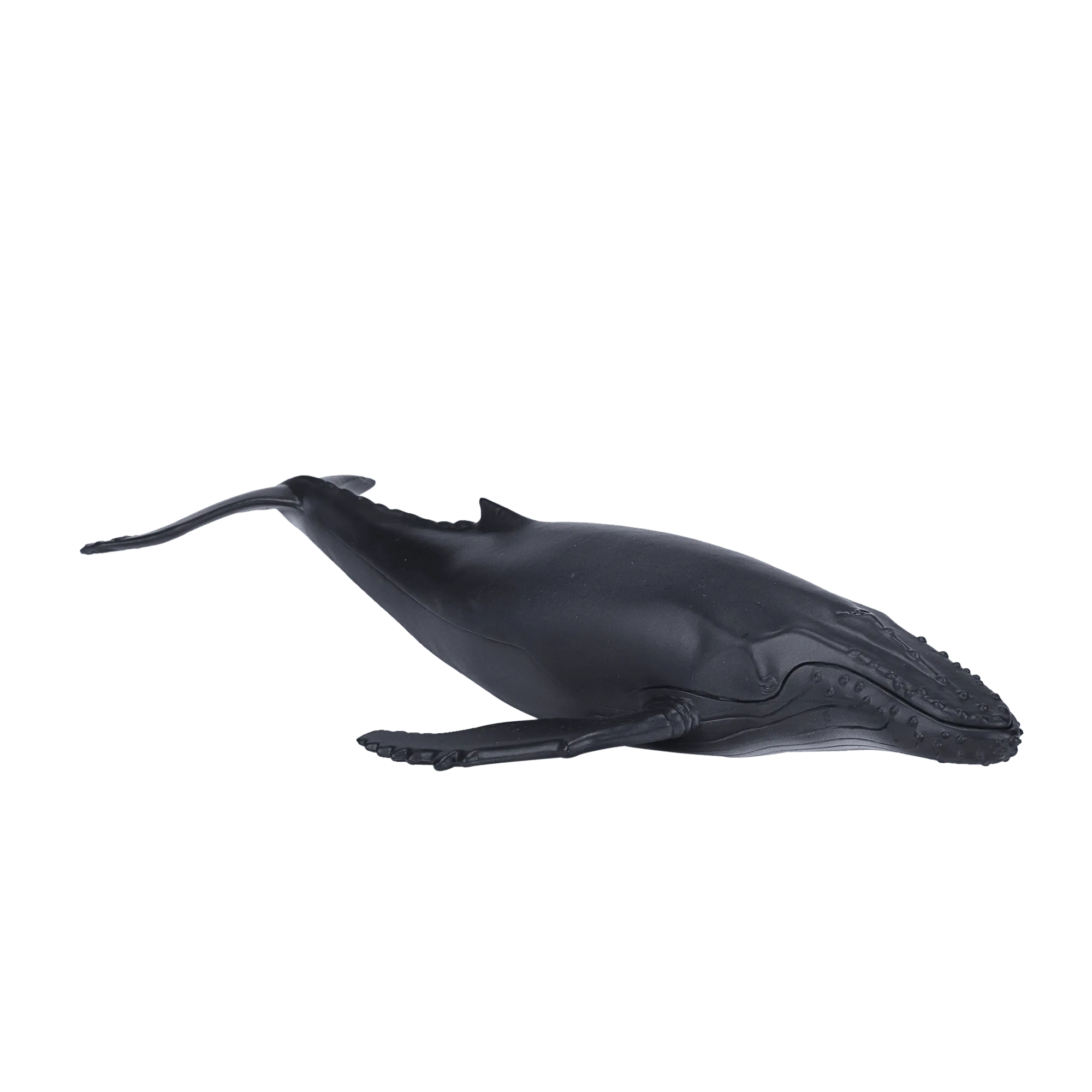
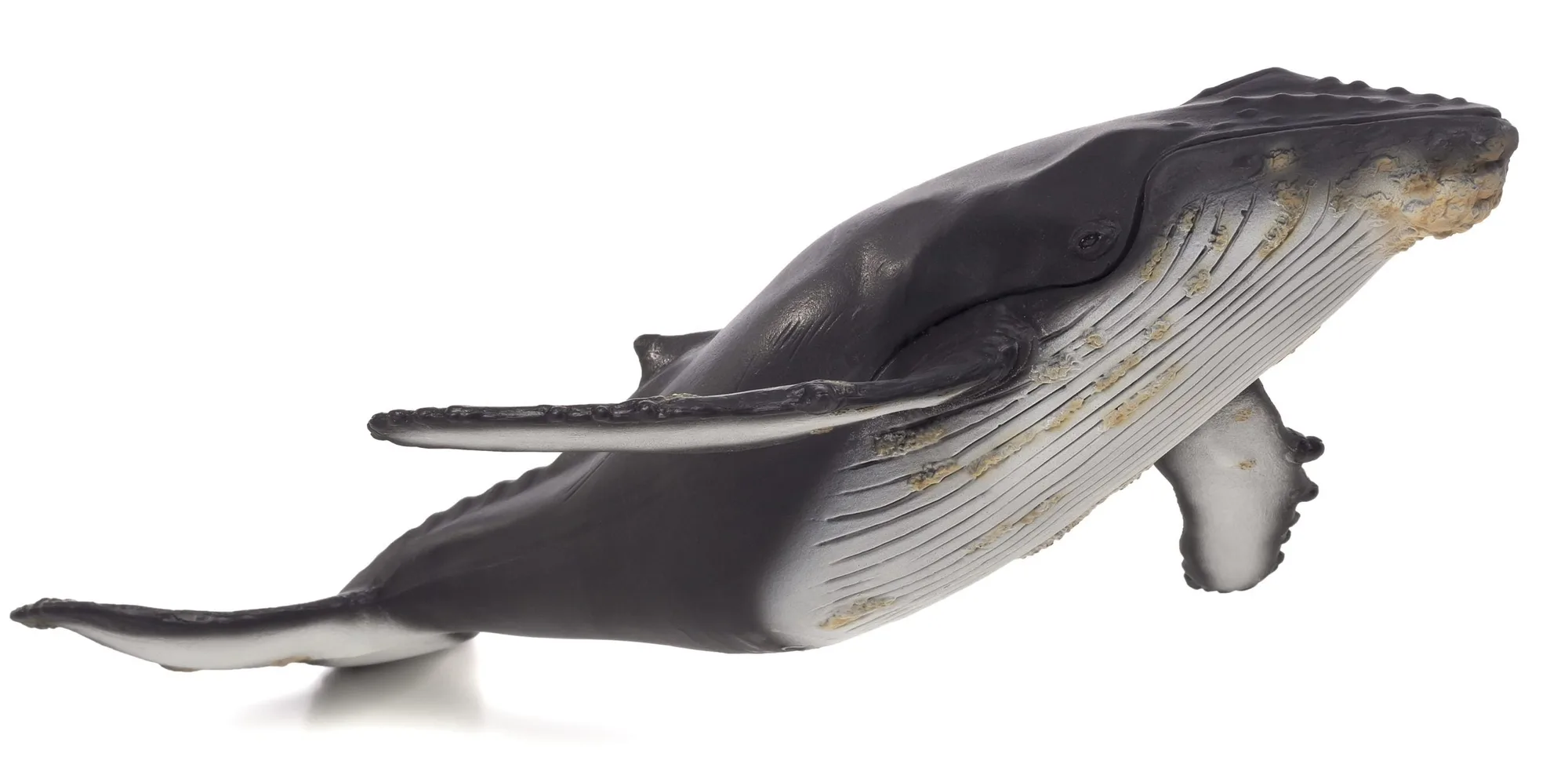
- Humpback Whale: The humpback whale migrates between colder polar waters in summer and warmer tropical waters in winter, traveling around 25,000 km each year and living off fat reserves while in the warmer waters. A whale figure earns its place in a migration or polar scene, and the real migration story gives you a ready-made teaching angle for kids.
- Humpback Whale Deluxe: The deluxe version shares the same humpback whale migration facts but is the higher-detail option in the catalog. If the whale is the centerpiece of a display, the deluxe version is the better fit; for rough play, the standard figure is the more practical spend.
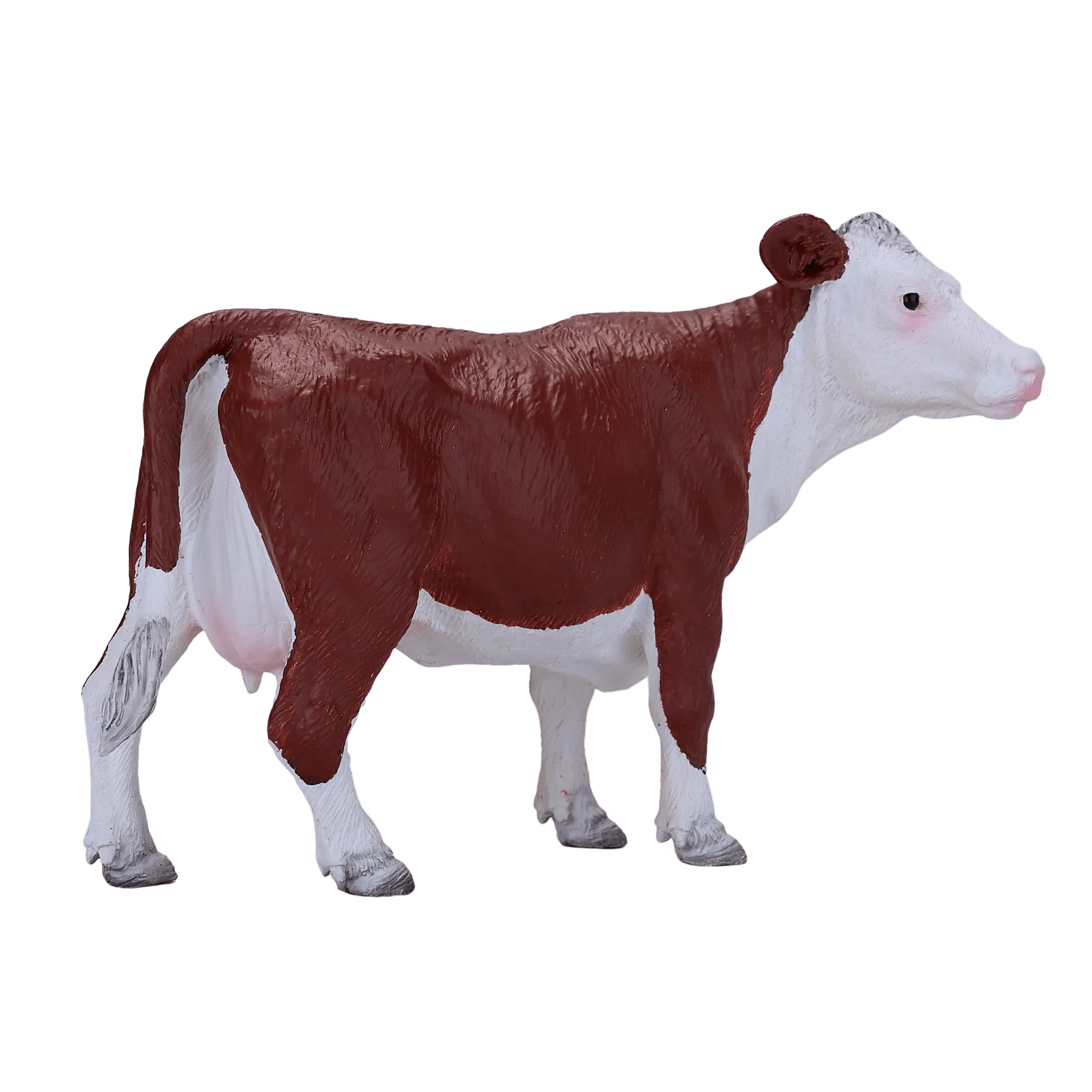
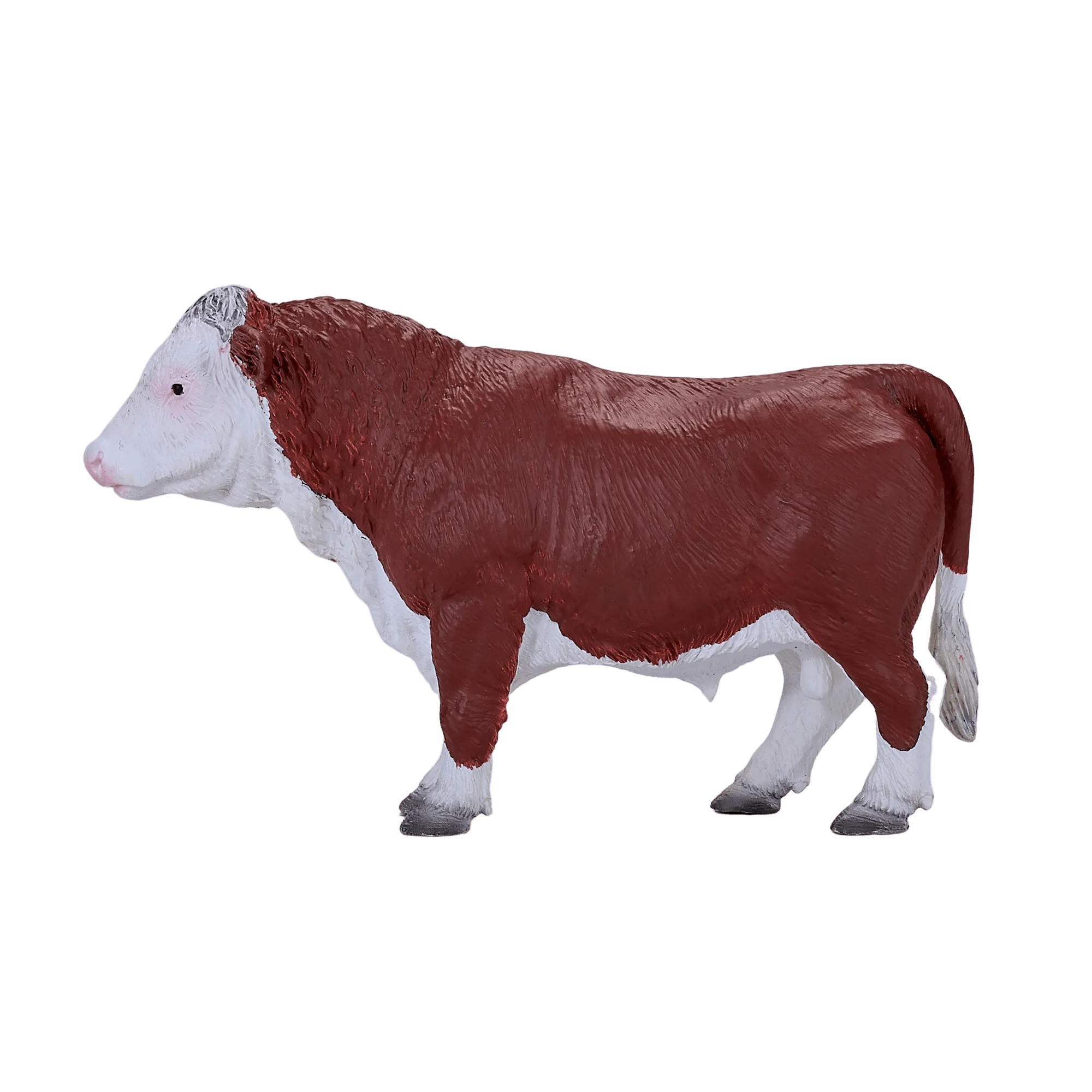
- Hereford Cow: The Hereford Cow is a hand-painted PVC figurine designed by artisans in the UK and part of the MOJO Farm Animals Collection. It shows the construction standard to expect across the brand, which helps you judge whether a farm or ocean figure will match your existing set.
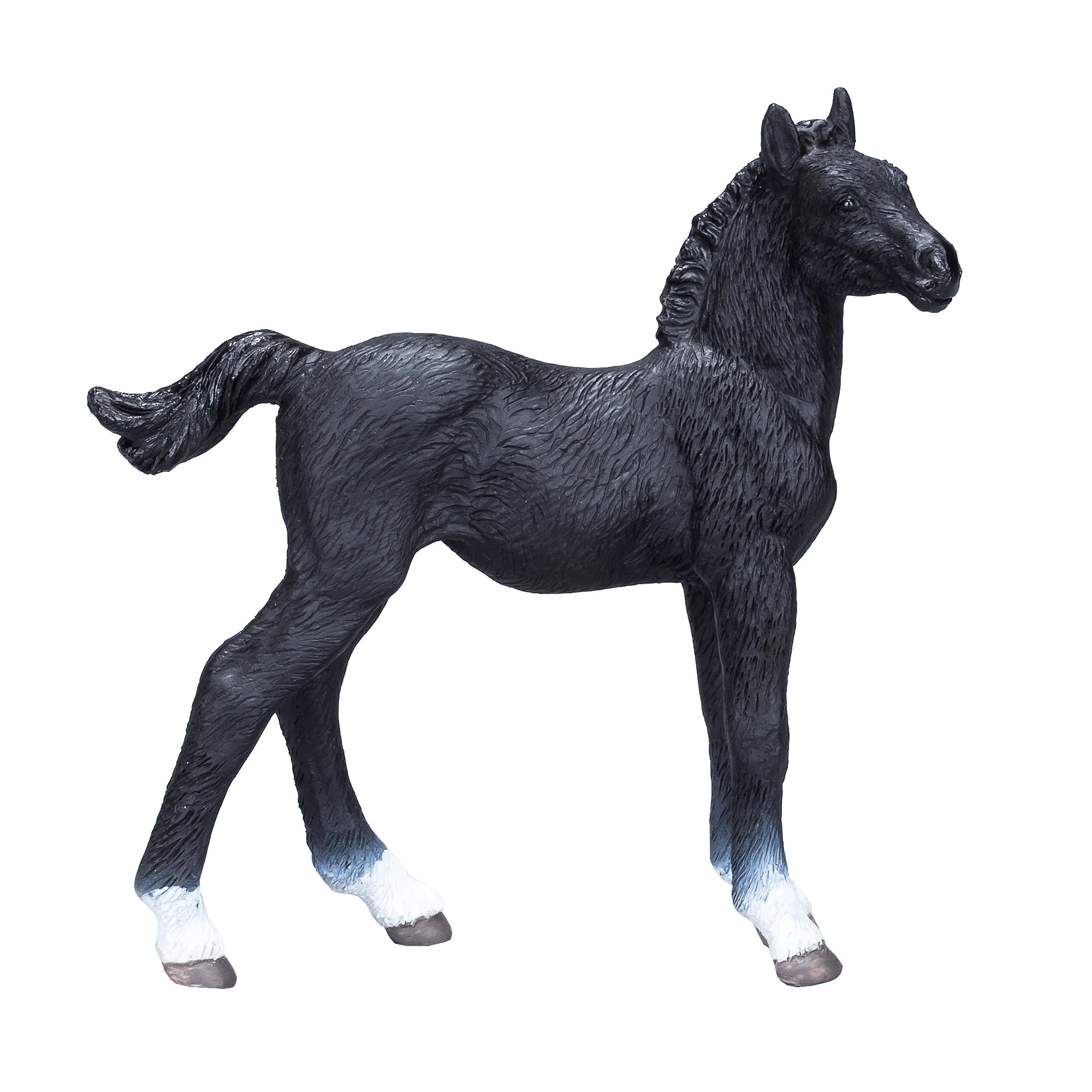
- Hanoverian Foal Black: The Hanoverian is a warmblood breed, a mix of light and heavy horse, with a history going back to 17th century Germany. Useful if you are mixing farm and ocean themes and want figures with a documented breed or species background rather than generic animals.
Who this guide is for
Best for
- Parents building a first set of sea animal toys for kids aged three and up
- Hobbyists planning a reef, polar, or open-water diorama
- Collectors who want consistent scale across marine animal toys
Not for
- Buyers looking for electronic or interactive toys
- Shoppers who need exact scale ratios, since most figure listings do not publish them
- Anyone wanting a single display piece with museum-grade finish
Pick your scene first, then your scale, then your material. That order prevents most bad purchases, whether you are buying sea animal toys for a child or one carefully chosen figure for a display. When in doubt, buy fewer figures that match each other than more figures that do not.