Quick Answer
Replace your Oral-B brush head every three months, or sooner if you notice the bristles splaying, the color indicator fading, or after an illness. Using a worn brush head reduces cleaning effectiveness and can harm your gums.
Your Oral-B electric toothbrush works hard to remove plaque and keep your gums healthy, but its brush head doesn't last forever. Over time, bristles wear down, lose their shape, and become less effective at cleaning. Knowing when to swap in a fresh head is key to maintaining your oral hygiene routine.
This guide helps you recognize the telltale signs that your brush head needs replacing, so you can keep your smile bright and your mouth healthy. We'll cover the classic three-month rule, visual cues like color indicators, and practical tips for making replacement a habit.
The 3-Month Rule: Why It Matters
Dentists universally recommend replacing your toothbrush head every three months. This isn't just a random number—over time, bristles lose their stiffness and ability to effectively dislodge plaque. A worn brush head can also harbor bacteria, especially if you've been sick.
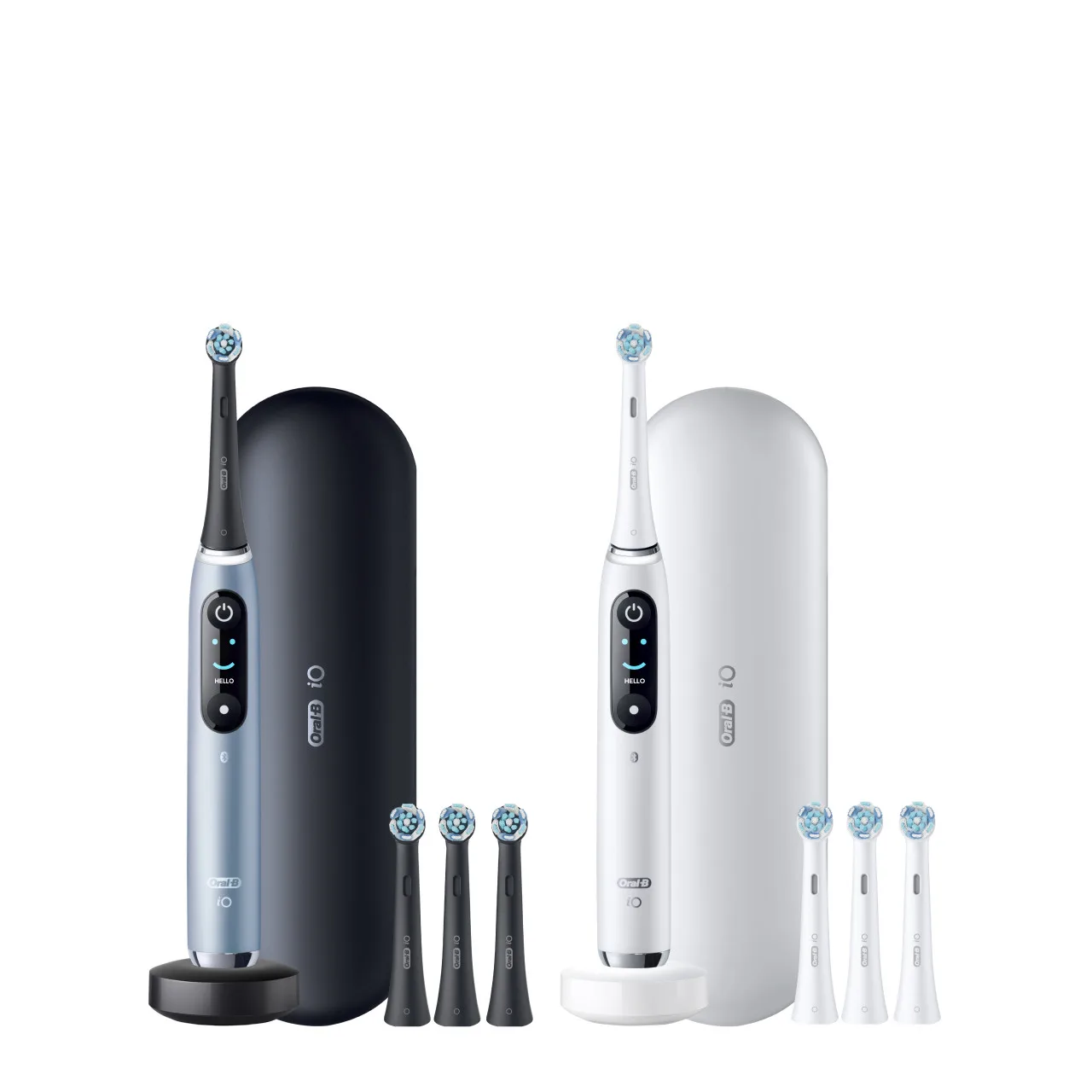
Marking your calendar or setting a reminder on your phone can help you stay on track. Many electric toothbrush models, including the Oral-B iO series, have built-in reminders that alert you when it's time for a change. If your brush has this feature, use it—it takes the guesswork out of the process.
- Set a recurring reminder on your phone for every three months.
- Consider buying replacement heads in bulk so you always have one on hand.
- If you've been ill, replace your brush head as soon as you recover.
Visual Signs Your Brush Head Needs Replacing
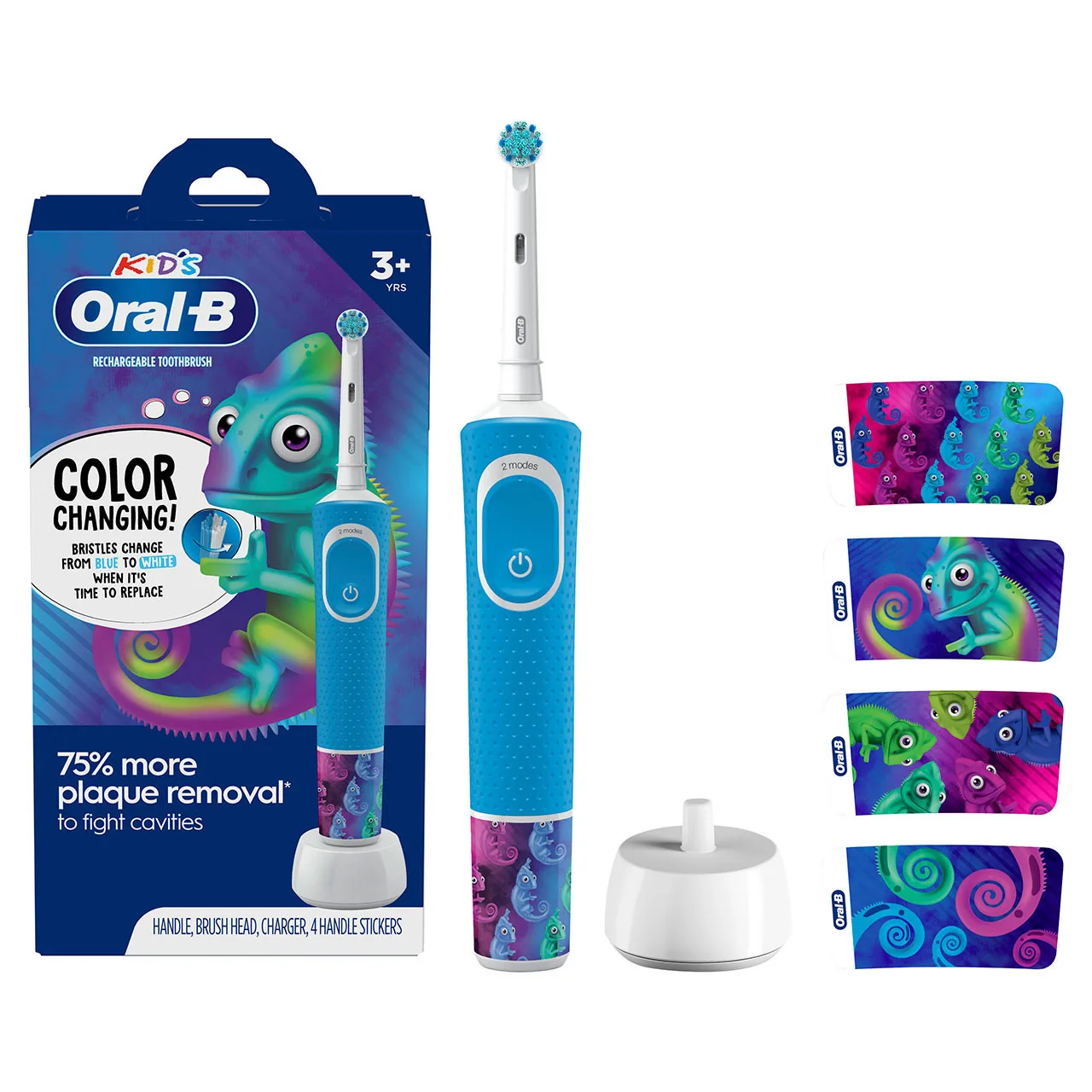
Beyond the calendar, your brush head gives you visual clues that it's time for a swap. The most obvious is the color indicator bristles. Many Oral-B brush heads, including the iO Ultimate Clean and CrossAction models, feature a blue or green indicator that fades as the bristles wear. When the color is no longer visible or has faded significantly, it's time to replace the head.
Also, pay attention to the bristles themselves. If they are splayed, bent, or no longer standing upright, they won't clean effectively. Frayed bristles can also be too abrasive on your gums, potentially causing irritation. If you notice any of these signs, don't wait for the three-month mark—replace the head immediately.
- Check the color indicator regularly—when it's gone, so is the brush head's effectiveness.
- Run your thumb over the bristles; if they feel soft and bend easily, they're worn out.
- If bristles are splaying outward, they're not reaching the gumline effectively.
How to Make Replacement a Habit
Remembering to replace your brush head can be tricky, but there are strategies to make it easier. One effective method is to tie the replacement to another three-month event, like the change of seasons or a quarterly work review. Another is to keep a spare pack of brush heads visible in your bathroom cabinet so you're reminded.
If you use an Oral-B iO toothbrush, you can connect to the Oral-B app, which tracks your brushing habits and sends you reminders when it's time to change your brush head. This digital nudge can be a game-changer for staying consistent with your oral care routine.
- Use the Oral-B app to set reminders if you have a compatible iO brush.
- Buy a multi-pack of replacement heads to save money and ensure you never run out.
- Keep a sticky note on your bathroom mirror as a visual reminder.
Diagnosing When to Replace Your Oral-B Brush Head
- Symptom: Bristles are visibly splayed, bent, or frayed. The color indicator has faded or disappeared. Time to replace—don't wait for the 3-month mark.
- Likely Cause: Normal wear and tear from daily brushing, or brushing with too much pressure. Consider using a pressure sensor feature on your brush to avoid excess force.
- Corrective Action: Replace the brush head with a new one. Choose a head that suits your needs, such as Ultimate Clean for plaque removal or Sensitive for gum care. Order a replacement head now to keep your routine on track.
- Stop or Choose Another Option: If you experience gum irritation or bleeding that persists even after replacing the head, consult your dentist. If your brush handle is old and not performing, consider upgrading to a newer model. When in doubt, see a professional.
Which Replacement Head Should You Choose?
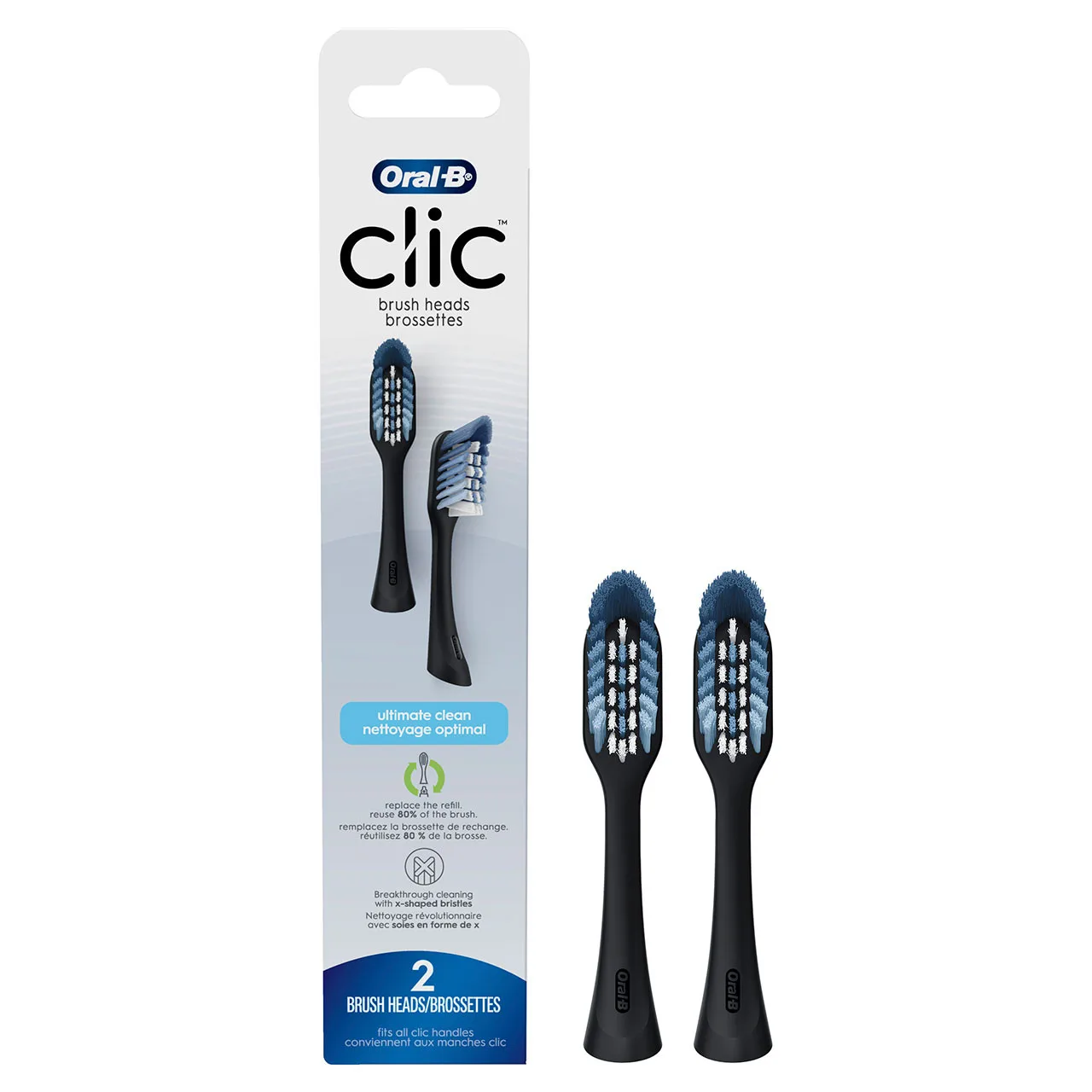
- iO Ultimate Clean Replacement Brush Heads, 2-Count, Black: Ultimate Clean Replacement Brush Heads help remove plaque, leaving teeth feeling clean and bright. Tufted bristles help clean hard-to-reach areas of the mouth. This head is a great all-rounder for daily plaque removal, especially if you want a thorough clean that reaches every corner of your mouth.
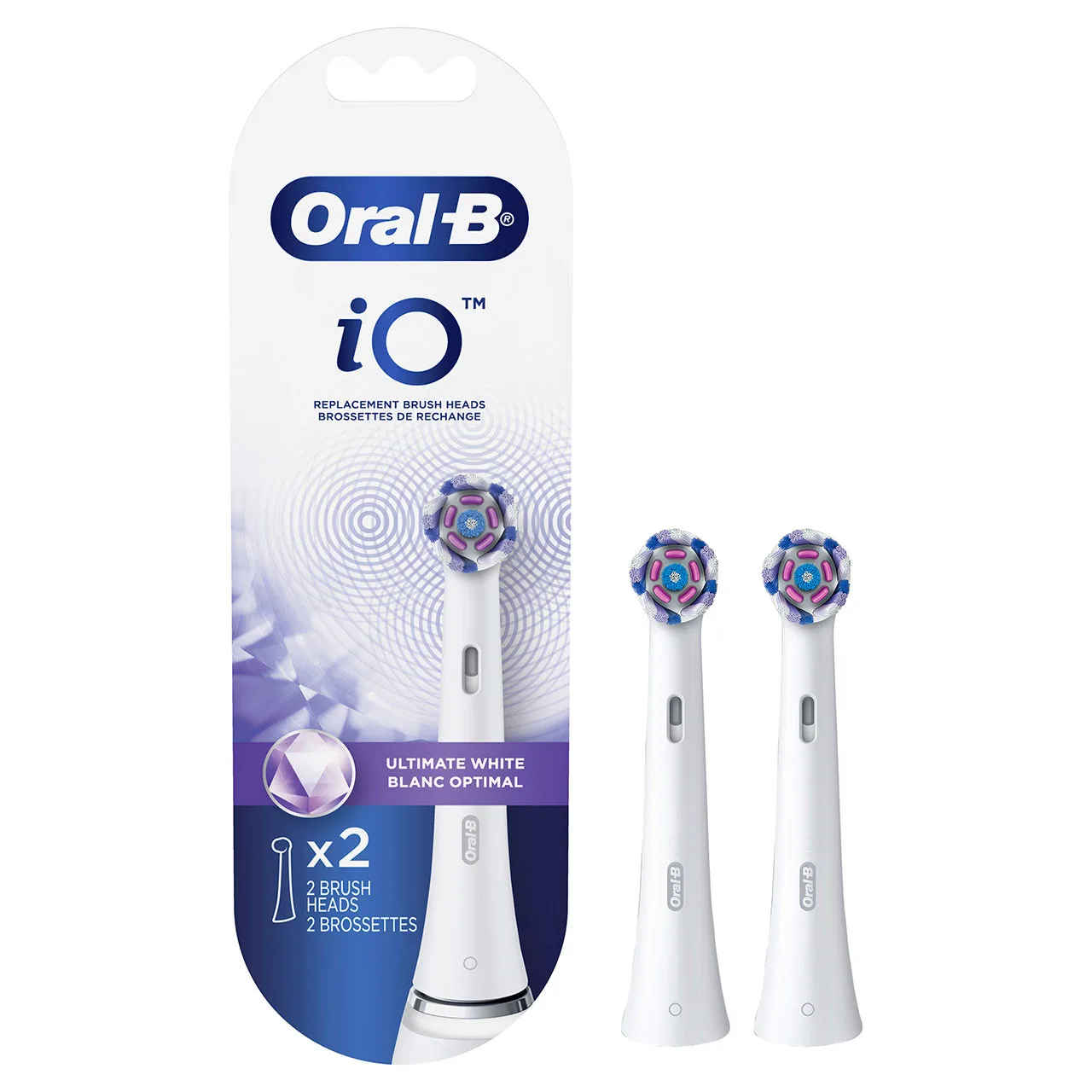
- Oral-B iO Ultimate White Replacement Brush Heads, 2-Count: Ultimate White Replacement Brush Heads help whiten teeth starting from day 1*. Precisely angled bristles lift and remove plaque. If whitening is your goal, this head's angled bristles are designed to tackle surface stains while you brush, making it a smart choice for a brighter smile.
- Oral-B Sensitive & Gum X-Filament Replacement Brush Head, 1 Count: The Oral-B Pro GumCare replacement brush head has ultrathin bristles for a gentle, superior cleaning and 2x healthier gums versus a manual toothbrush. For those with sensitive gums, this head offers a gentle yet effective clean, helping to improve gum health without causing irritation.
Replacing your Oral-B brush head every three months—or sooner if you see wear signs—is a simple step that keeps your brushing effective and your gums healthy. By paying attention to color indicators and bristle condition, you'll never miss the right time to switch. Make it a habit, and your smile will thank you.