Quick Answer
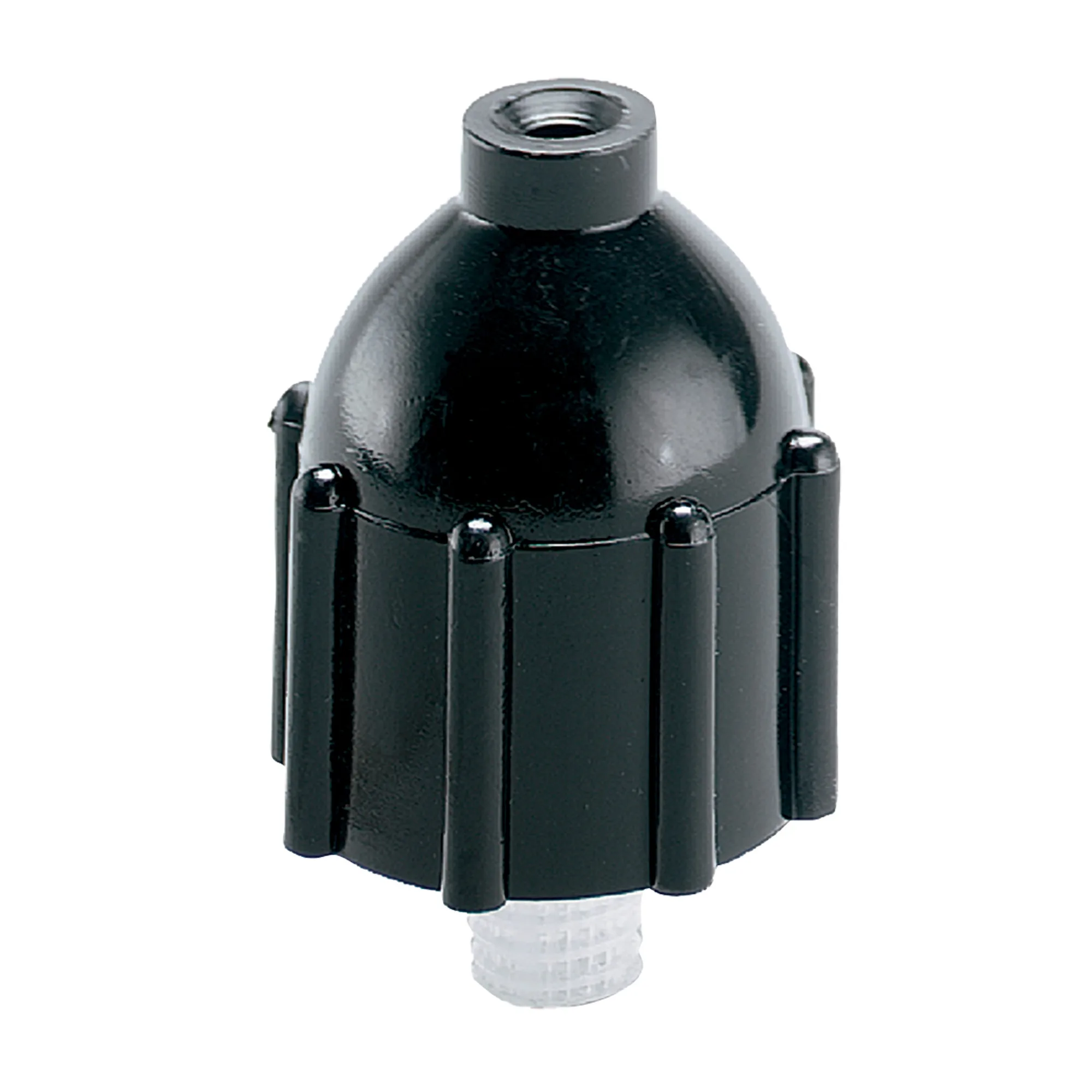
The Orbit 25 PSI pressure regulator is essential for drip irrigation systems because it reduces high household water pressure to a safe 25 PSI, preventing emitter blowout and uneven watering. Install it after the backflow preventer or valve, using a filter and adapter fittings. For most residential drip systems, a 25 PSI regulator is the right choice; pair it with Orbit drip components for reliable performance.
If you're setting up a drip irrigation system, you've probably heard about pressure regulators. But why do they matter so much? Without a pressure regulator, the water pressure from your home can be anywhere from 40 to 80 PSI, which is far too high for drip emitters designed to operate at lower pressures. High pressure can cause emitters to fail, blow off fittings, and waste water. That's where the Orbit 25 PSI pressure regulator comes in.
In this guide, we'll explain what a pressure regulator does, why 25 PSI is the sweet spot for drip irrigation, and how to install it correctly. We'll also explore compatible Orbit products and provide decision rules to help you choose the right setup.
What is a Pressure Regulator and Why Do You Need One?
A pressure regulator is a device that reduces and stabilizes the water pressure coming into your irrigation system. In drip irrigation, emitters are designed to deliver a specific flow rate at a specific pressure, usually around 25 PSI. If the pressure is too high, emitters can deliver too much water, leading to runoff and waste. If it's too low, they may not deliver enough water, leaving plants thirsty.
The Orbit 25 PSI pressure regulator is specifically calibrated for drip systems. It ensures that your emitters receive consistent pressure, which means even watering across your garden. Without it, you risk damaging your system and wasting water.
- Prevents emitter blowout and premature failure
- Ensures uniform water distribution across all emitters
- Reduces water waste from misting and runoff
How to Install an Orbit 25 PSI Pressure Regulator
Installing a pressure regulator is straightforward, but placement is key. The regulator should be installed after the backflow preventer and before the drip tubing. Here's a step-by-step guide:
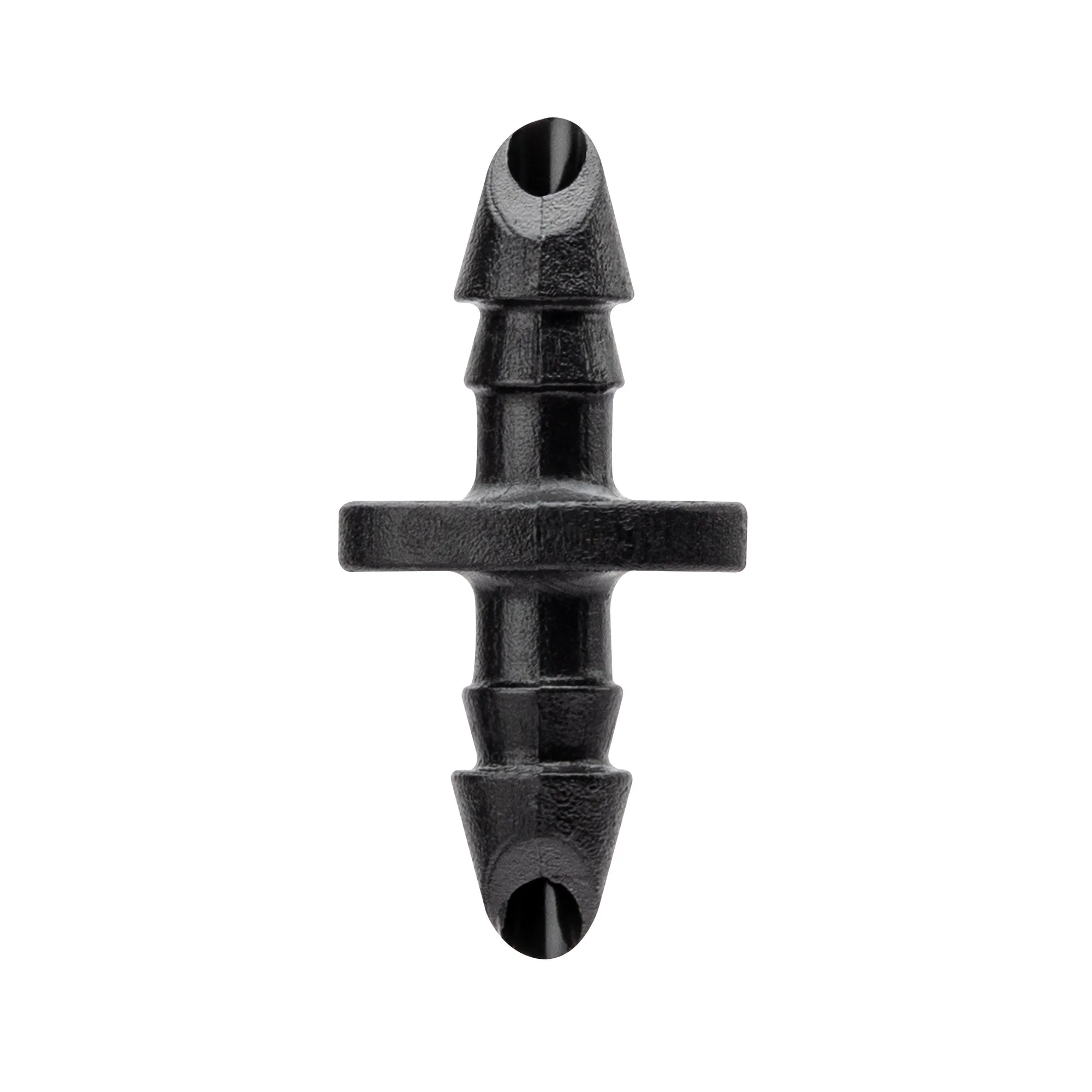
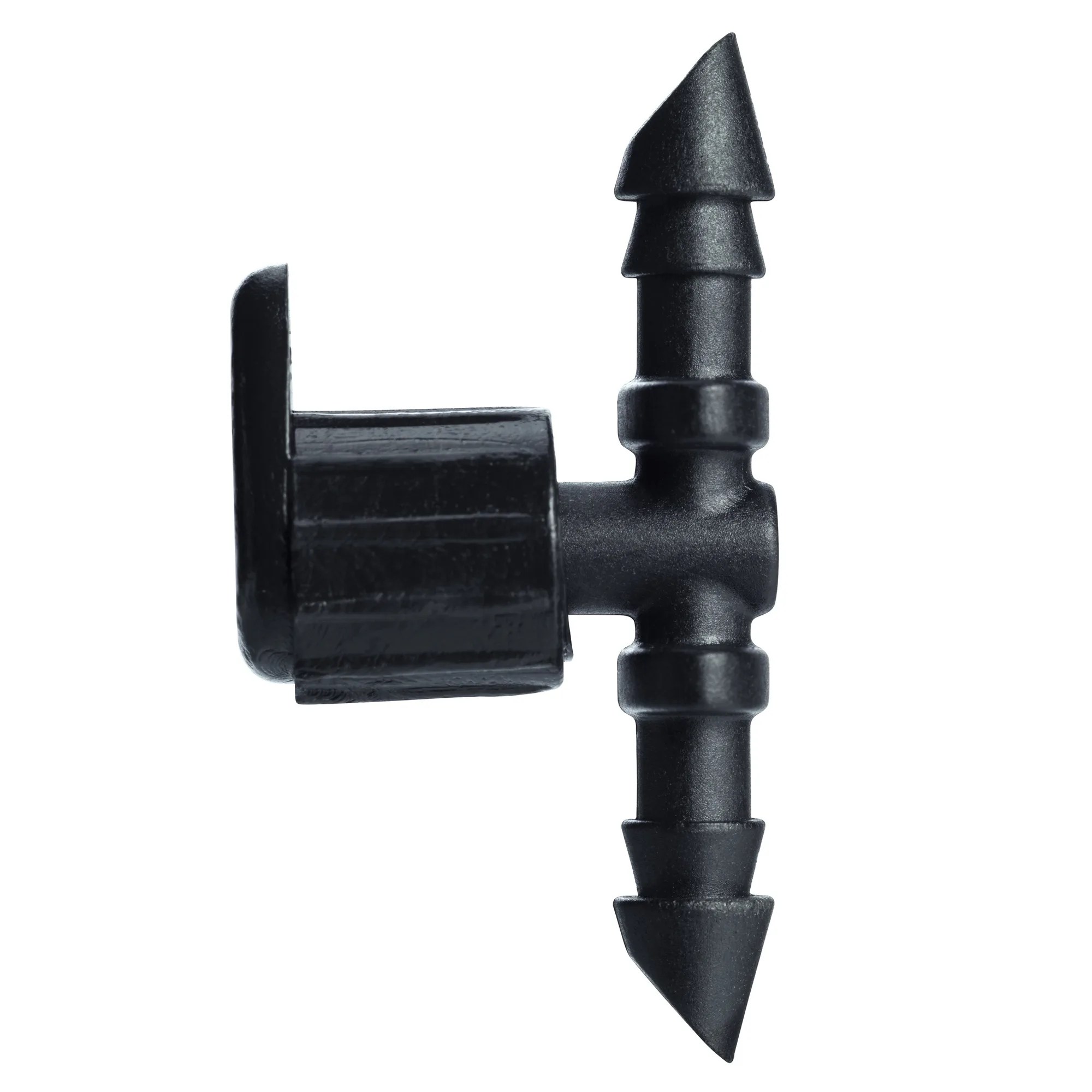
First, shut off the water supply. Next, cut the mainline tubing and insert the regulator in line, ensuring the arrow on the regulator points in the direction of water flow. Use appropriate fittings to connect the regulator to your tubing. For example, if you're using 1/2-inch tubing, you'll need a barbed adapter. Secure all connections with clamps or push-to-connect fittings.
After installation, turn the water back on slowly and check for leaks. Adjust the regulator if necessary (though most are pre-set). Finally, test your emitters to ensure they're operating correctly.
- Always install the regulator after the backflow preventer
- Use Teflon tape on threaded connections to prevent leaks
- Consider adding a filter before the regulator to protect it from debris
Choosing the Right Regulator for Your System
Not all drip systems are the same. The 25 PSI regulator is ideal for most residential drip irrigation setups, but there are cases where you might need a different pressure or a different type of regulator. For instance, if you have a very long run of tubing, you might need a higher pressure to overcome friction loss. However, for typical garden beds and landscapes, 25 PSI is the standard.
When selecting a pressure regulator, consider the flow rate of your system. The regulator must be able to handle the total flow of all your emitters combined. The Orbit 25 PSI regulator is designed for flows up to a certain rate, so check the specs to ensure it matches your needs.
- Match the regulator's flow capacity to your system's total flow
- If unsure, consult the manufacturer's guidelines or a professional
- For small systems, a 25 PSI regulator is usually sufficient
Decision Rules for Choosing a Pressure Regulator
- System type: If you're using drip irrigation with emitters, a 25 PSI regulator is essential. For sprinkler systems, you may not need a regulator if your pressure is within the sprinkler's range. Drip systems require a regulator; sprinklers may not.
- Flow rate: Calculate the total flow rate of your emitters (GPH). Ensure the regulator can handle that flow. If it can't, you'll need a higher-capacity regulator. Match regulator flow capacity to system demand.
- Water source: If your water pressure is consistently above 60 PSI, a regulator is mandatory. If it's below 40 PSI, you might not need one, but a regulator can still help stabilize pressure. High pressure? Use a regulator to protect your system.
Orbit Products That Work With Your Pressure Regulator
- 2-Port Manifold 57182: The 2-Port Manifold is designed for creating a single or multi-zone valve system with optimum serviceability. It simplifies the process of adding a valve or drip filter and pressure regulator. This manifold makes it easy to integrate a pressure regulator into your drip system, providing a secure and watertight connection.
- 2600 Sq. Ft. Easy-Click Oscillating Sprinkler 56133: This oscillating sprinkler features 15 spray nozzles for even watering coverage and a clean-out plug to easily clean clogged spray tube jets. While not a drip component, this sprinkler is a great alternative for medium-sized lawns where drip irrigation isn't practical. It pairs well with a pressure regulator if you're using it on a hose-end system.
Who Should Use a 25 PSI Regulator?
Best for
- Residential drip irrigation systems with standard emitters
- Garden beds, flower beds, and vegetable gardens using drip tubing
Not for
- High-flow irrigation systems that require pressures above 25 PSI
- Lawn sprinkler systems that operate at higher pressures (use a different regulator or none)
In summary, the Orbit 25 PSI pressure regulator is a critical component for any drip irrigation system. It ensures your emitters work efficiently, saves water, and prolongs the life of your system. By following the installation steps and decision rules above, you'll be well on your way to a thriving garden. For a reliable setup, consider pairing your regulator with the Orbit 2-Port Manifold to simplify connections.