Quick Answer
To tell if an avocado is perfectly ripe, gently squeeze it in the palm of your hand—it should yield slightly to pressure without feeling mushy. Check the color: most varieties darken as they ripen, but the most reliable test is the stem trick: flick off the little stem cap; if it comes off easily and reveals green underneath, it's ready.
Avocados from your Organic Avocado Box arrive at varying stages of ripeness so they can last longer. Knowing exactly when to cut into one makes the difference between a creamy, buttery slice and a disappointing, hard or brown mess.
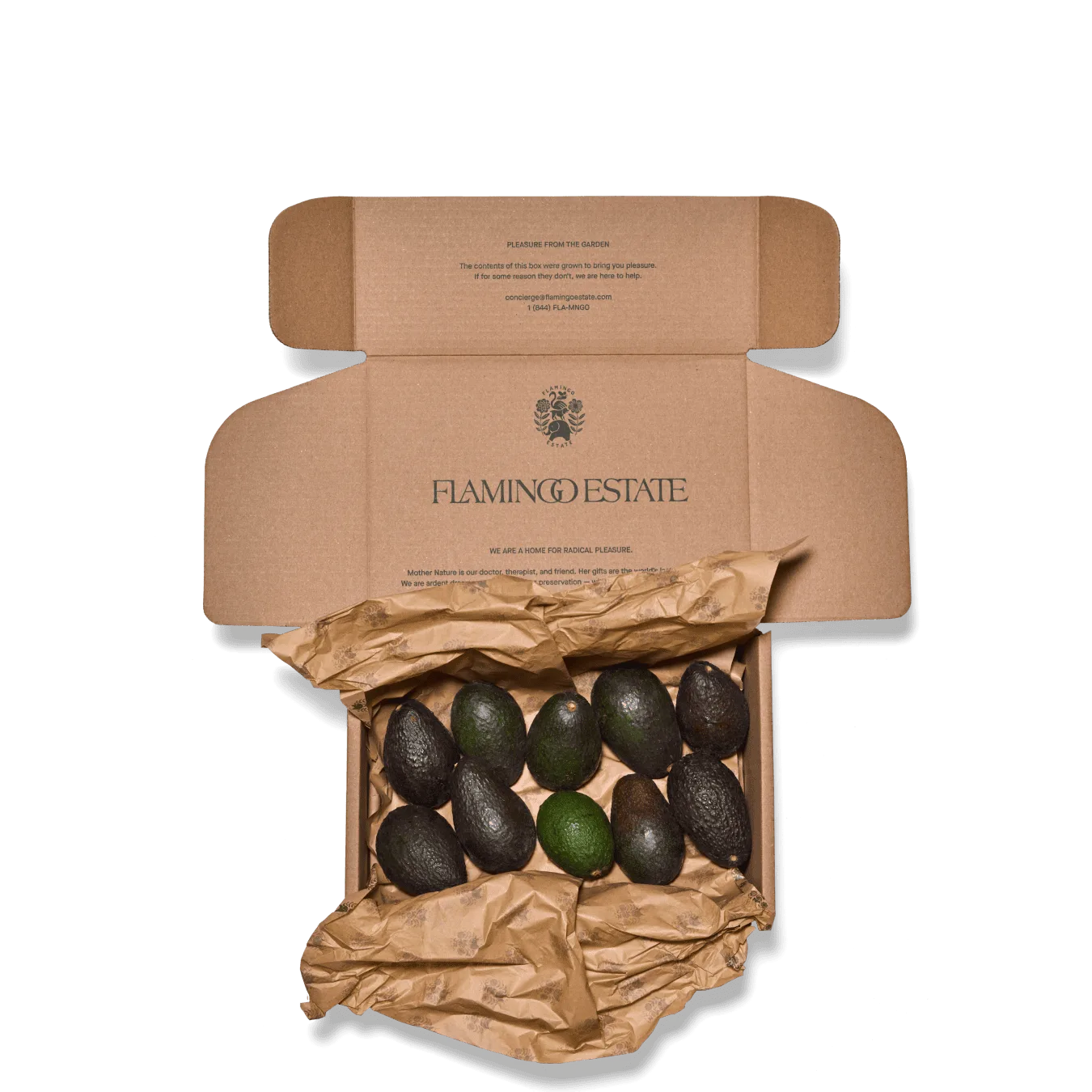
Organic Avocado Box
Here are the most reliable ways to check ripeness, plus how to speed up or slow down the process so you enjoy every single fruit at its peak.
What Is the Best Way to Check Avocado Ripeness?
The squeeze test is the classic method: hold the avocado in your palm and press gently with your fingers. A ripe avocado yields to firm but gentle pressure—like pressing on the palm of your hand. If it feels hard as a rock, it needs more time. If it feels mushy or the skin dents easily, it's overripe.
Color can be a helpful hint, but it's not foolproof. Many varieties, like Hass, darken from green to nearly black as they ripen. However, some types stay green even when ready. So use color as a secondary clue, not the final word.
- Press gently with your whole palm, not your fingertips, to avoid bruising.
- Look for a uniform dark color for Hass avocados, but don't rely on it alone.
- A ripe avocado should feel slightly soft but still hold its shape.
How Do I Use the Stem Trick to Test Ripeness?
The stem test is the most accurate way to check ripeness without cutting. Flick the small brown stem cap at the top of the avocado. If it comes off easily and the flesh underneath is bright green, the avocado is perfectly ripe. If the stem is hard to remove, it's not ready. If the flesh underneath is brown, it's overripe.
This test works because the stem loosens as the fruit ripens. It gives you a clear visual cue that avoids guesswork. Just be gentle—you don't want to damage the fruit if it's still firm.
- Flick the stem cap with your thumb—if it resists, wait a day or two.
- Bright green under the stem means ready to eat; brown means it's past its prime.
- If the stem is stuck, put the avocado back on the counter and check again tomorrow.
How Can I Ripen Avocados Faster or Slow Them Down?
To ripen avocados faster, place them in a brown paper bag with a banana or apple. These fruits release ethylene gas, which speeds up the natural ripening process. Check daily to avoid overripening.
To slow ripening, store ripe avocados in the refrigerator. Cold temperatures halt the process, keeping them at peak for a few extra days. Once cut, brush the exposed flesh with lemon or lime juice, wrap tightly, and refrigerate—this prevents browning.
- Paper bag + banana = faster ripening (check every 12 hours).
- Ripe avocados last 2-3 days in the fridge.
- Store cut avocados with the pit in to slow browning.
What Are the Signs of an Overripe or Underripe Avocado?
An underripe avocado feels rock-hard, has a bright green skin (for Hass), and the stem won't budge. It tastes bitter and has a firm, almost waxy texture. An overripe avocado feels mushy, may have sunken spots, and the flesh can be brown or stringy. The stem test will show brown underneath.
If you catch an avocado just past its prime, you can still salvage it for guacamole or smoothies—just cut away any brown parts. But for the best flavor and texture, aim for that perfect window between firm and soft.
- Underripe: hard, stem stuck, bitter taste.
- Overripe: mushy, brown spots, off smell.
- Use slightly overripe avocados in baking or smoothies.
Avocado Ripeness Quick-Check FAQ
What if the avocado is still hard?
Leave it on the counter at room temperature. Check daily with the squeeze test. It typically takes 2-4 days to ripen. Patience is key—don't refrigerate until it's ripe.
Can I eat an avocado that's slightly underripe?
You can, but it won't be creamy. Try slicing it thin for salads or pickling it for a crunchy texture. Underripe avocados work in recipes that benefit from firmness.
How do I store a cut avocado?
Brush with lemon or lime juice, wrap tightly in plastic, and refrigerate. Use within a day for best quality. Acid and airtight storage prevent browning.
How Flamingo Estate Products Complement Your Avocado Ritual
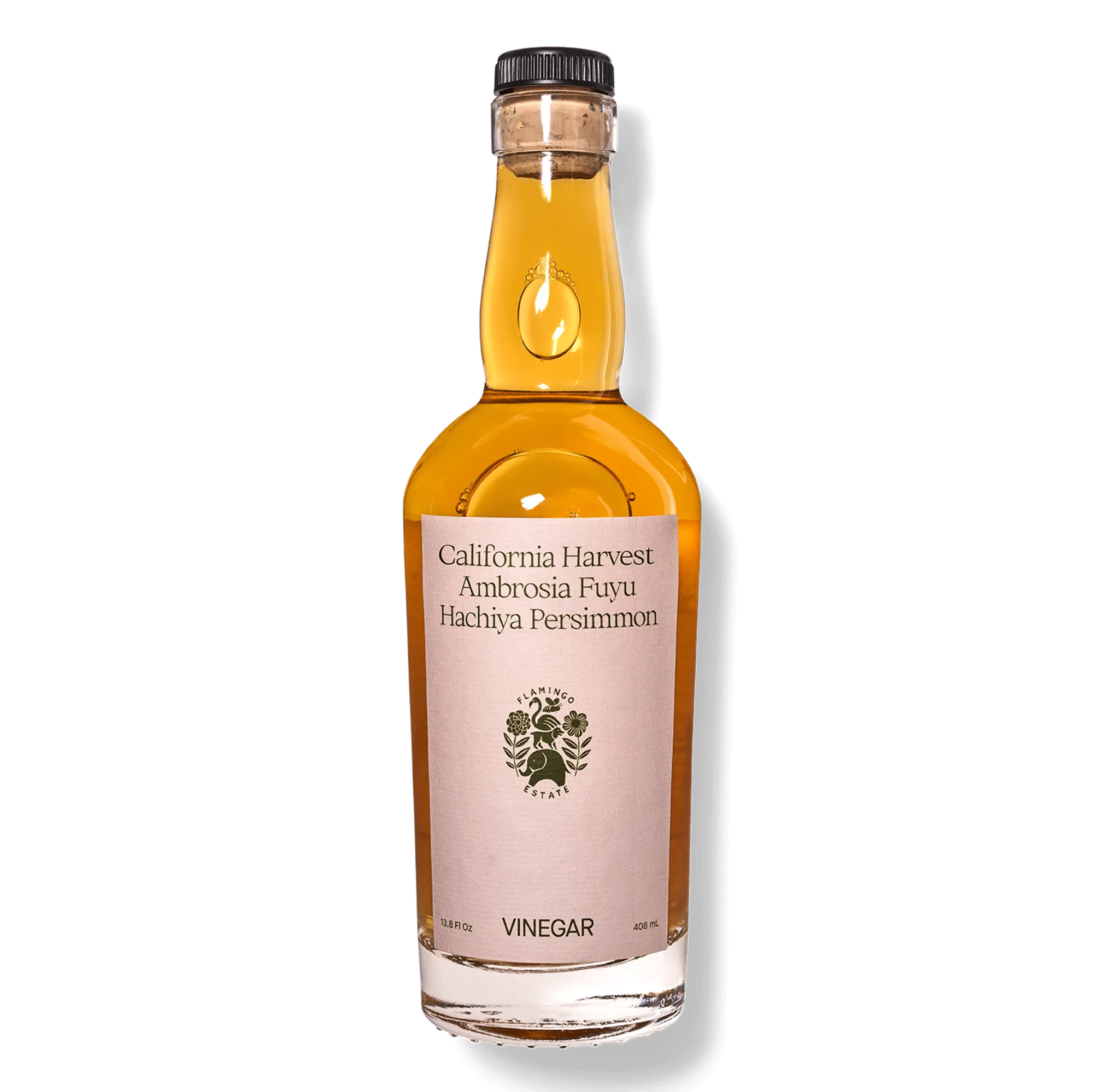
- Winter Harvest Persimmon Vinegar: Vinegar made from Fuyu and Hachiya Persimmons. It’s kinda like Japanese sunshine in a bottle. The bright, yet delicate flavor profile is both sweet and tart - a unique taste that you’ll keep coming back to. Enjoy on salads, marinades, or as a shrub. A splash of persimmon vinegar in a vinaigrette brightens up avocado salads and adds a sweet-tart note that pairs beautifully with creamy avocado.
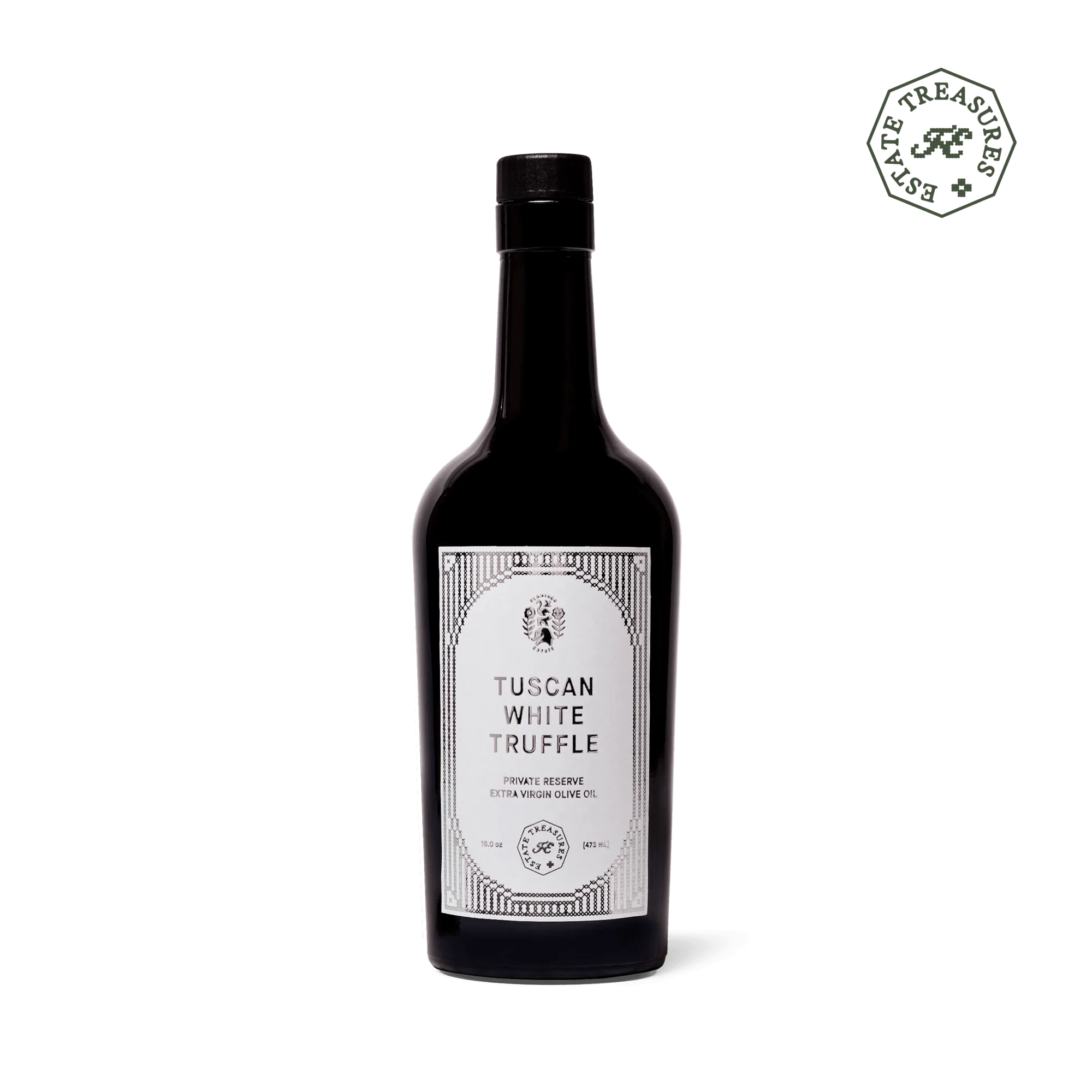
- White Truffle Extra Virgin Olive Oil: This summer, Tartufo came home. He is ten weeks old, curly as a little lamb, and a Lagotto Romagnolo: the legendary Italian breed with one of the greatest noses in the world. Most importantly, a nose for Truffles. A few summers ago, my mother and I watched Lagotti hunt for Truffles in Italy. The dogs were serious about their work, and I fell in love. Because of that trip, we made our own White Truffle Olive Oil. Drizzle this white truffle olive oil over ripe avocado toast or salads for an instant gourmet upgrade—the earthy truffle aroma complements the buttery avocado.
With these simple tests, you'll never cut into an unripe avocado again. Enjoy your Organic Avocado Box at its peak, and pair it with pantry staples like persimmon vinegar and white truffle olive oil for memorable meals.