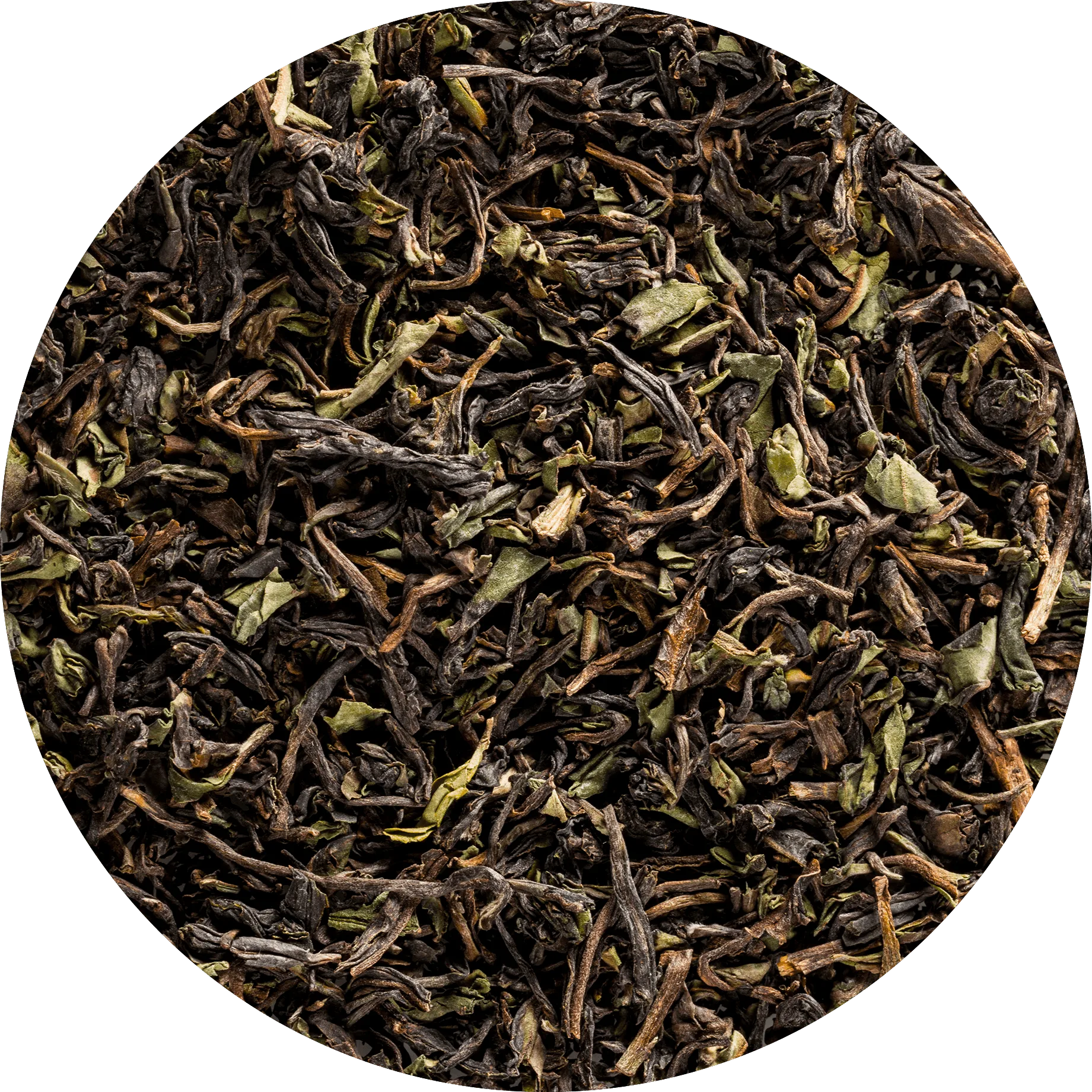
Earl Grey is one of the most beloved teas worldwide, known for its distinctive aroma of bergamot orange. But when you stand in the tea aisle, you might face a choice: organic or regular? Both promise that classic citrusy flavor, yet they can differ significantly in quality, taste, and impact on your health and the environment.
In this guide, we'll compare organic Earl Grey vs regular Earl Grey, breaking down what 'organic' really means for your cup, how the taste differs, and why many tea enthusiasts are making the switch. Whether you're a seasoned tea drinker or just starting your loose leaf journey, understanding these differences will help you choose the best Earl Grey for your palate and values.
What Is Earl Grey Tea?
Earl Grey is a flavored black tea traditionally made by infusing black tea leaves with oil extracted from the rind of the bergamot orange, a citrus fruit grown mainly in Italy. The result is a tea that balances the robust, malty notes of black tea with a bright, floral-citrus aroma. While classic Earl Grey uses black tea as a base, some variations use green or white tea.
The quality of both the tea leaves and the bergamot flavoring determines the overall character of the brew. High-grade loose leaf Earl Grey uses whole leaves and natural bergamot oil, while lower-quality versions may use broken leaves and artificial flavorings. This is where the organic vs regular distinction becomes crucial.
- Traditional Earl Grey: black tea + bergamot oil
- Quality varies widely based on leaf grade and flavoring method
- Organic and regular versions can differ in taste and purity
Key Differences Between Organic and Regular Earl Grey
The primary difference lies in how the tea is grown and processed. Organic Earl Grey is made from tea leaves cultivated without synthetic pesticides, herbicides, or fertilizers. The bergamot flavoring in organic blends is typically derived from naturally extracted oils, and the final product is certified by recognized organic bodies. Regular Earl Grey, on the other hand, may come from conventionally grown tea that has been exposed to synthetic chemicals, and the flavoring might be artificial.
These differences can affect not only the environmental footprint but also the taste. Organic teas often have a cleaner, more vibrant flavor profile because the leaves are allowed to develop naturally. In contrast, conventionally grown teas might carry subtle chemical residues that can influence the taste, though many people don't notice them. For those with sensitivities, organic options are often preferred.
- Organic: no synthetic pesticides or fertilizers, natural bergamot oil, certified
- Regular: may use synthetic chemicals, artificial flavorings
- Taste: organic often cleaner and more complex
Taste and Quality: Does Organic Really Taste Better?
Taste is subjective, but many tea connoisseurs argue that organic Earl Grey offers a superior experience. Because organic farming practices promote healthier soil and plants, the tea leaves tend to have a more nuanced flavor. The natural bergamot oil used in organic blends provides a bright, aromatic citrus note that doesn't overpower the tea's inherent character. In contrast, some regular Earl Grey teas use synthetic bergamot flavoring that can taste harsh or artificial.
To truly appreciate the difference, try a side-by-side tasting. Brew two cups—one organic and one regular—using the same water temperature and steeping time. Notice the aroma, the color, and the mouthfeel. Organic Earl Grey often has a smoother, more rounded flavor, while regular might be more astringent or one-dimensional. For example, a high-quality organic blend like Organic Black Tea Assam Tonganagaon FTGFOP1 can serve as an excellent base for a homemade Earl Grey if you want to control the flavoring.
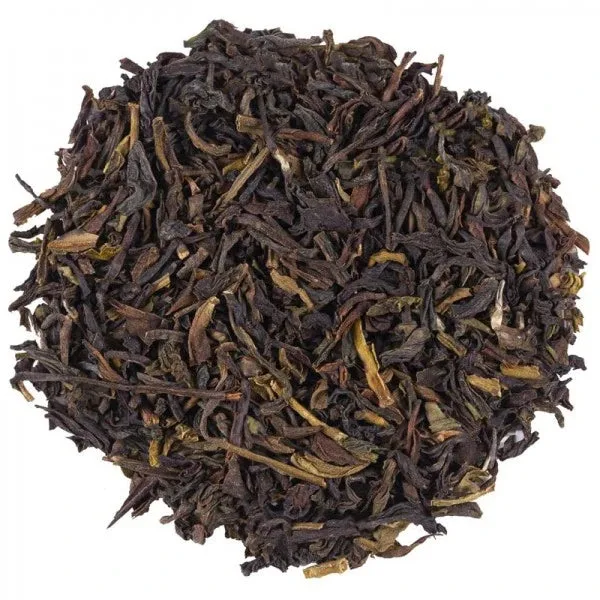
Organic Black Tea Assam Tonganagaon FTGFOP1
Health and Environmental Considerations
Choosing organic Earl Grey also has implications for your health and the planet. Organic farming reduces your exposure to pesticide residues, which is especially important for tea because the leaves are steeped and consumed. Some studies suggest that long-term pesticide exposure may have negative health effects, so opting for organic is a precautionary choice. Additionally, organic farming practices promote biodiversity, soil health, and water conservation, making it a more sustainable option.
For those who are environmentally conscious, supporting organic tea production is a way to vote with your wallet. Regular tea cultivation often involves heavy chemical use that can harm local ecosystems and farm workers. By choosing organic, you're supporting farmers who prioritize sustainable methods. Moreover, many organic tea brands, including those in the Organic Black Chai Tea: Authentic Indian Masala Blend, are crafted with care to deliver both flavor and responsibility.
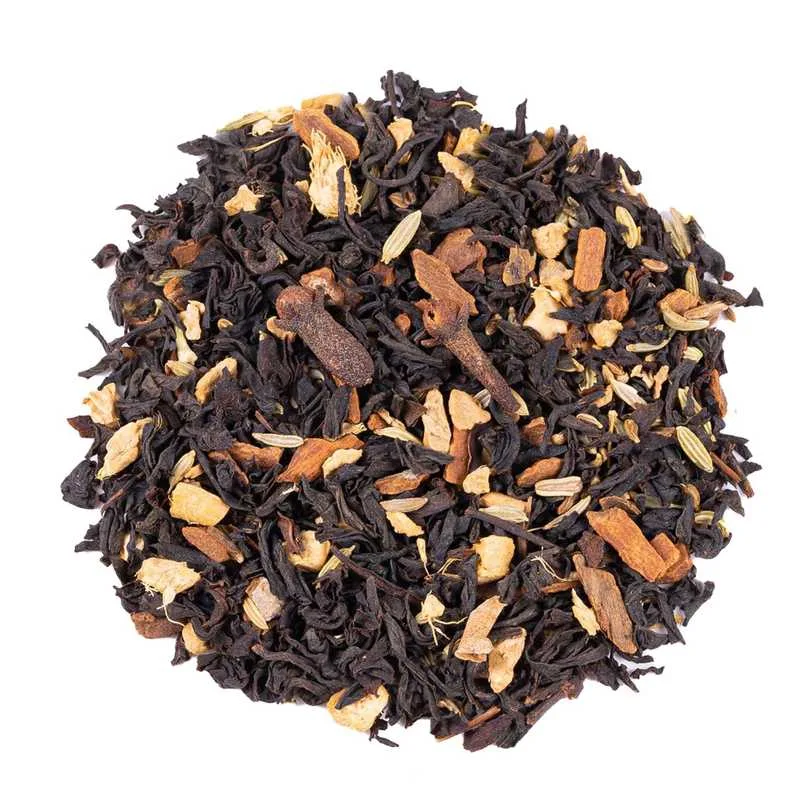
Organic Black Chai Tea: Authentic Indian Masala Blend
How to Choose the Best Earl Grey for You
When deciding between organic and regular Earl Grey, consider your priorities. If you value purity, sustainability, and a potentially more refined taste, organic is the way to go. If you're on a budget or just want a familiar flavor, regular Earl Grey can still be enjoyable, but you might miss out on the depth that organic offers.
Look for loose leaf options, as they generally use higher-quality leaves than tea bags. Check the ingredient list to ensure that bergamot oil is natural, not artificial. Also, consider the origin of the tea leaves—single-origin teas like those from Darjeeling or Assam often have distinctive characteristics. For a premium experience, try an organic Darjeeling Earl Grey or a classic Assam-based blend. The Organic Darjeeling Avongrove FTGFOP1 Second Flush is a great example of a high-quality base that could be used in a custom Earl Grey.
- Decide your priorities: taste, health, environment, budget
- Opt for loose leaf and natural bergamot oil
- Try a side-by-side tasting to see the difference
Ultimately, the choice between organic and regular Earl Grey comes down to what you value most in your cup. Organic Earl Grey offers a cleaner, more sustainable, and often more flavorful experience, while regular Earl Grey might be more accessible and budget-friendly. If you're curious to taste the difference, we invite you to explore our selection of organic black teas. Start with a classic like Organic Black Tea Assam Tonganagaon FTGFOP1 and add your own bergamot, or try a ready-made organic blend. Your palate—and the planet—will thank you.