Quick answer
Handbag accessories fall into two jobs: changing how you carry a bag (straps, wristlet straps, bag charms) and changing what happens inside it (inserts, organizers, pouches). Buy a strap when the carry method is wrong, and an insert when the interior is a black hole. Neither fixes a bag that's the wrong size for your daily load.
Most people shop for a bag and stop there. The accessories that decide whether you actually enjoy carrying it get ignored until something annoys you enough to search for a fix.
This guide answers the questions that come up most often about straps, inserts, and organizers, with concrete sizing and matching advice so you can buy once and get it right.
What counts as an "other handbag accessory"?
It's the catch-all category for anything that isn't the bag itself but changes how the bag works: replacement or add-on straps, wristlet straps, bag charms, key loops, and interior organizers or inserts. Some items are decorative, some are purely functional, and a few do both.
The practical split is carry versus contents. Carry accessories change how the bag sits on your body. Content accessories change how you find things once it's open. Knowing which problem you have keeps you from buying the wrong fix.
- Carry problem: the strap is too short, too thin, or the wrong style for the occasion.
- Content problem: everything settles at the bottom and you dig for keys every time.
Do you really need a bag organizer insert?
You need one if you regularly carry more than three loose items and lose time searching for them. An insert gives each category a fixed home, so you reach in and grab rather than rummage. It also protects the lining from pen marks and crumbs.
You don't need one if your bag already has structured compartments or if you carry very little. An insert adds weight and takes up interior volume, so a small crossbody can end up feeling cramped. Measure your bag's interior base before buying, and check the insert's stated dimensions against it.
- Buy an insert when you switch bags often: lift the whole insert out and drop it into the next bag.
- Skip it when the bag is already divided or when you carry a single wallet and phone.
When should you replace a handbag strap?
Replace a strap when the hardware no longer clips securely, when the material has cracked or frayed at the attachment points, or when the length no longer suits how you carry the bag. A strap that's too short for crossbody wear is the most common reason people shop for a replacement.
Match the new strap to the bag's attachment style first, then to the look. A clip-on strap needs a ring or loop on the bag. A wristlet strap converts a wallet into something you can carry on your wrist, which is a different job than a shoulder strap. Check the strap drop measurement rather than guessing from photos, since drop determines where the bag actually sits on your body.
- Measure your current strap at its longest setting and compare before ordering.
- Check that the strap width suits the bag's hardware; a very wide strap on a small bag looks unbalanced.
How do you match accessories to a small crossbody or belt bag?
Small bags reward restraint. One functional accessory, such as a key loop or a compact insert, is usually enough. Adding a bulky organizer to a compact bag removes the space you bought it for.
For belt bags and mini crossbodies, prioritize accessories that attach to the outside rather than filling the inside. A charm or clip-on pouch adds capacity without stealing interior room, and an interior key loop means you stop emptying the whole bag to find your keys.
- Outside attachments add capacity; inside inserts organize what's already there.
- If the bag has a built-in key loop, you can skip a separate keychain organizer.
Are decorative charms and functional accessories worth buying together?
Yes, as long as one of them solves a real problem. A charm that also holds earbuds or keys earns its place; a purely decorative one is a style choice and that's fine too, as long as you're honest about which you're buying.
The trap is buying several accessories for one bag and then never using them because they conflict. Test one at a time. If the bag still works after a week, keep it. If you're constantly removing it to fit your phone, it's the wrong accessory for that bag.
- Give each new accessory a one-week trial before buying a second.
- Accessories that attach with a hinge ring or clip are the easiest to move between bags.
Accessory decision checklist
The bag is uncomfortable to carry
Measure the current strap at its longest setting, then compare strap drop on any replacement before ordering. A clip-on strap needs a ring or loop on the bag to attach to. Buy a strap, not an insert.
You can't find anything inside
Measure the interior base of the bag and compare it to the insert's stated dimensions. Confirm the insert won't crowd out the items you actually carry daily. Buy an insert only if the bag has no built-in compartments.
You switch bags constantly
An insert you can lift out whole is faster than repacking, but it only works if both bags have similar interior dimensions. Standardize on one insert size across your most-used bags.
You need a little more room
Look for exterior attachments such as a zip pocket or a clip-on charm pouch rather than adding interior bulk. Outside capacity beats inside capacity on small bags.
The wallet needs to be carried hands-free
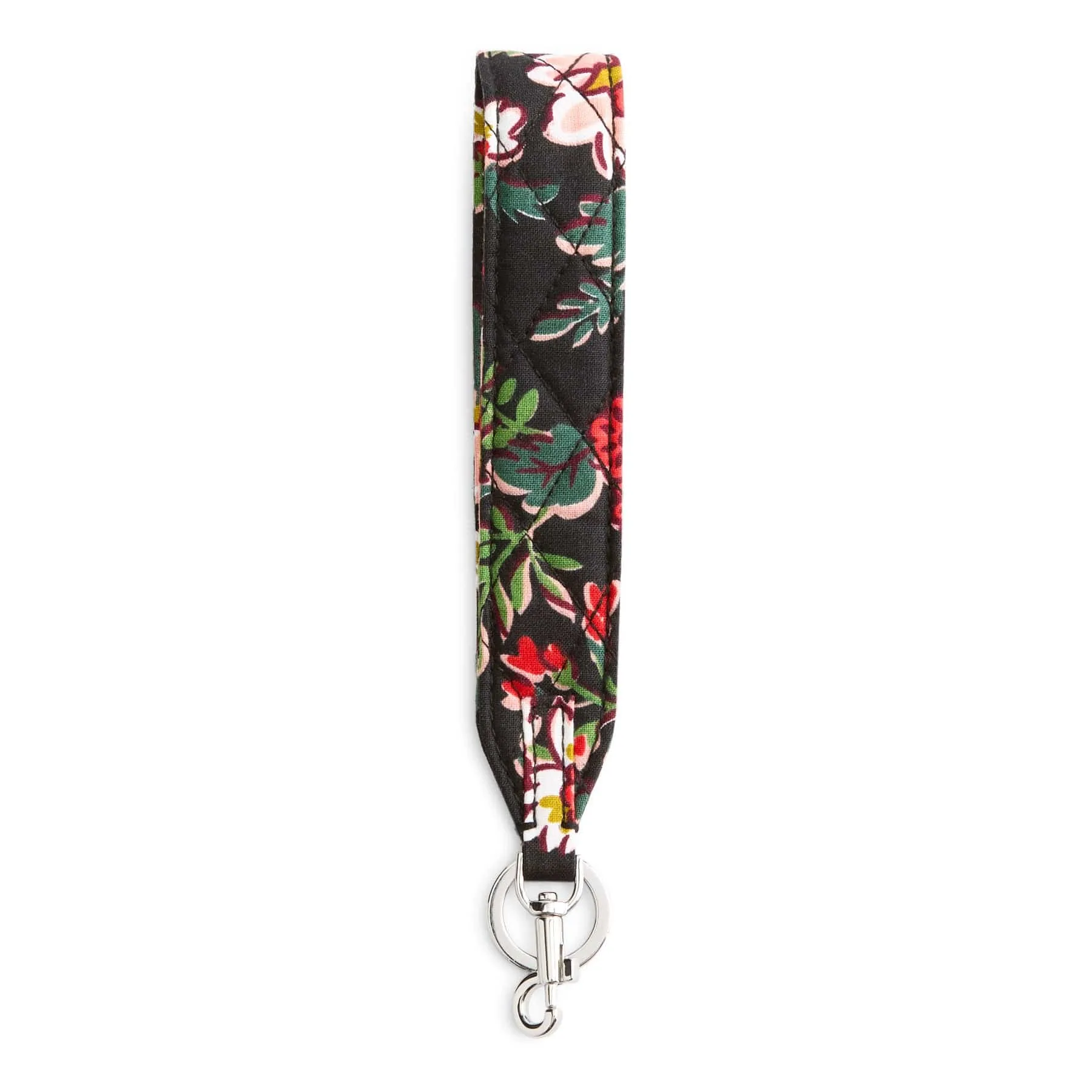
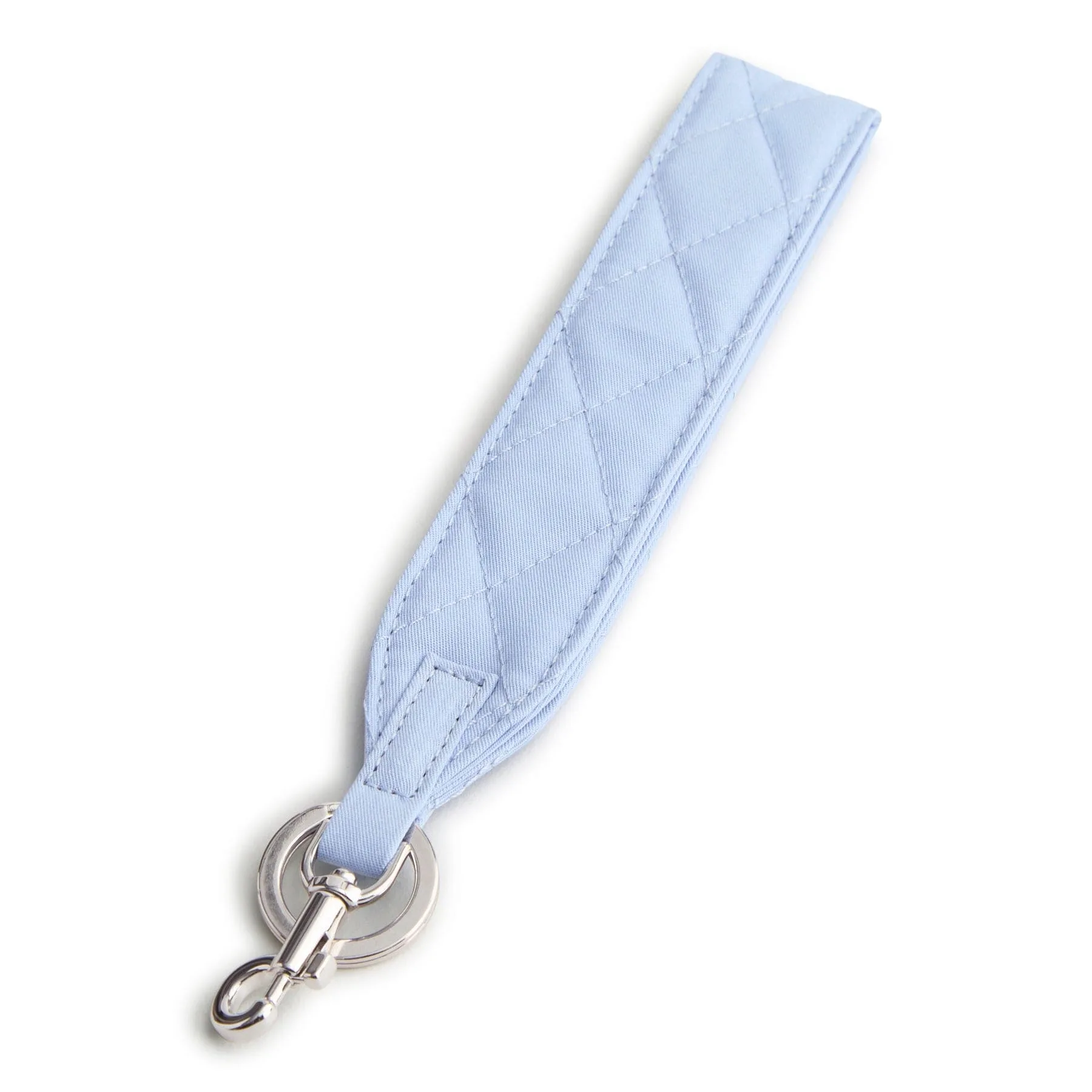
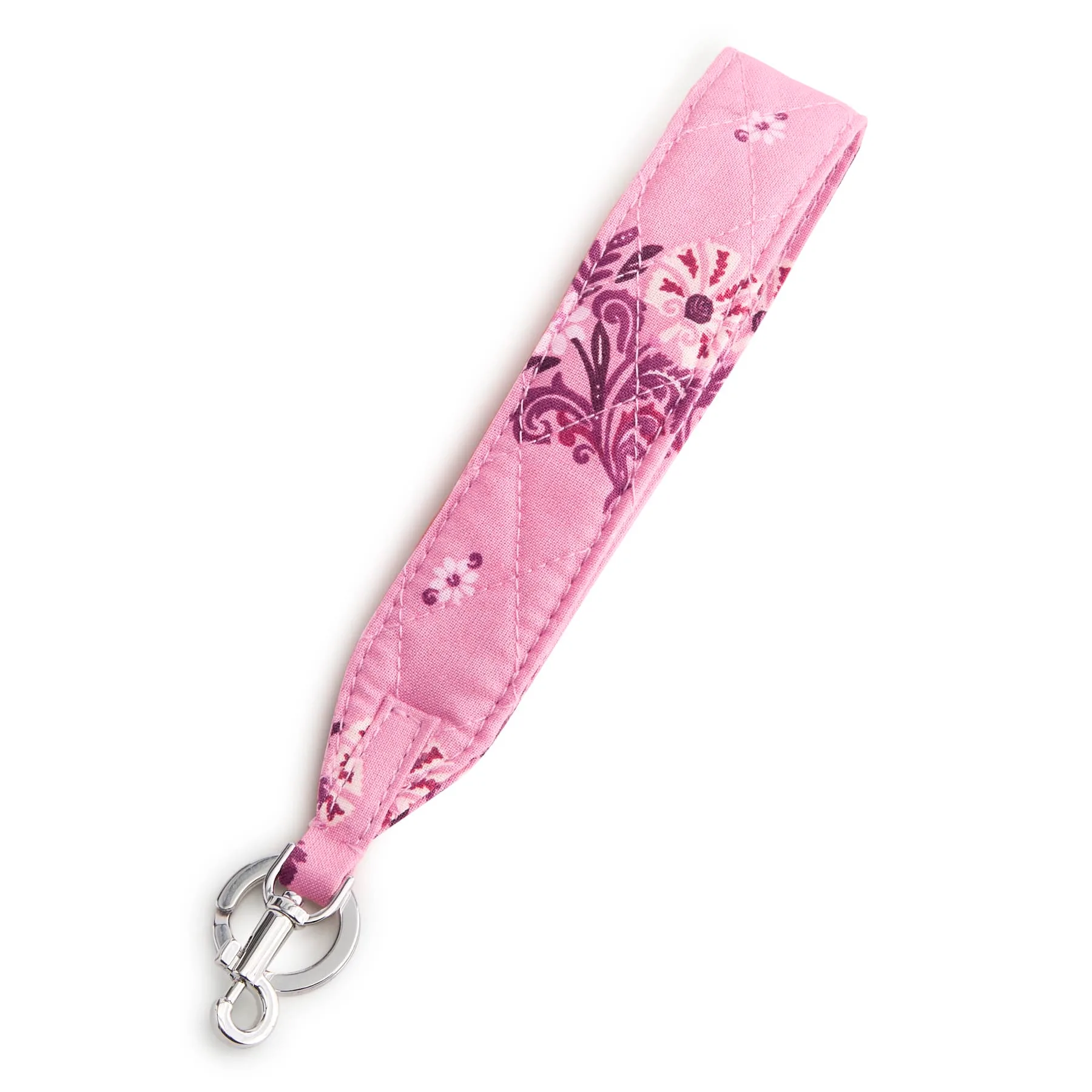
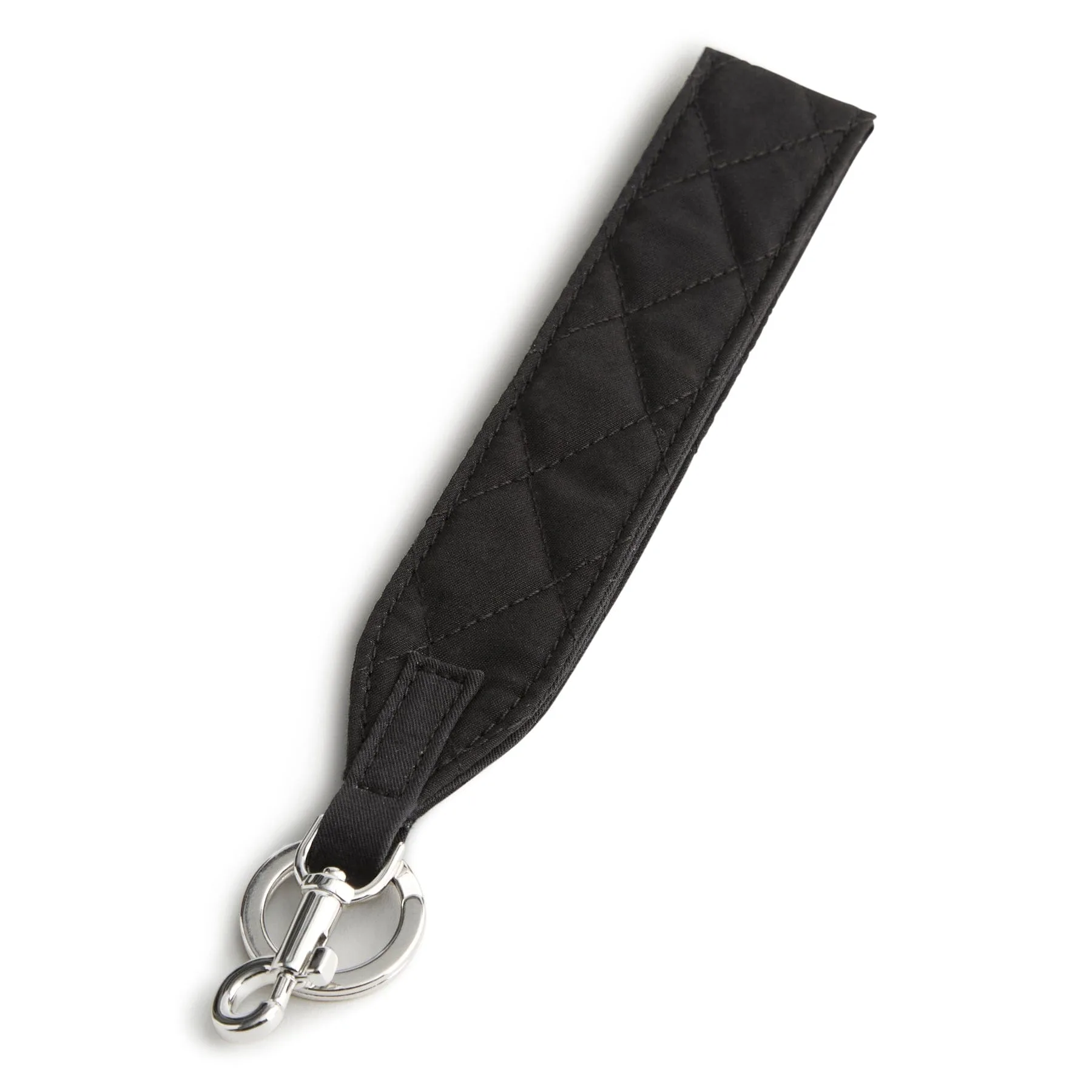
A wristlet strap with a clip converts a wallet in seconds and moves between wallets, so you don't need a dedicated wristlet for each one. Check the wrist strap drop before buying.
Accessories that show how this works in practice
- https://verabradleyoutletex.com/products/outlet-wide-wristlet-strap-5073120089-faa1608fdd0ec649d3fb3c20-1640260https://verabradleyoutletex.com/products/outlet-wide-wristlet-strap-5073121875-92850002d560b66381114aff-1640283https://verabradleyoutletex.com/products/outlet-wide-wristlet-strap-5073122965-da4ef90d1607d29932443f61-1640296https://verabradleyoutletex.com/products/wide-wristlet-strap-5076720089-f7e11d46f46d48235066fbd4-1640303Outlet Wide Wristlet Strap: Attaches to a wallet to quickly turn it into a wristlet, with a clip and a 5.5-inch wrist strap drop, measuring 1.25 inches wide by 7 inches high. This is the cheapest way to change how you carry a wallet you already own, and the clip means you can move it between wallets instead of buying a new wristlet.
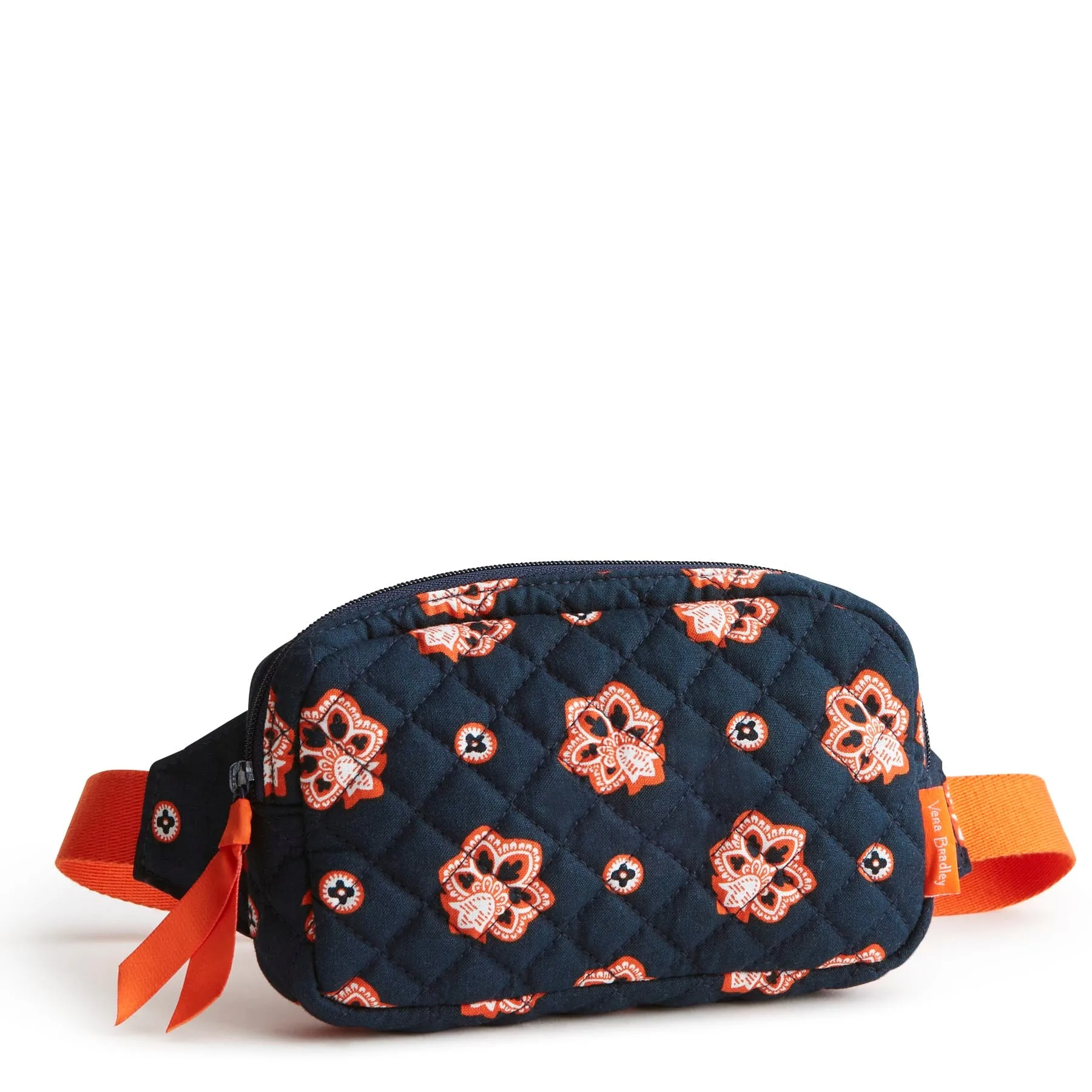
- Outlet Mini Belt Bag: Measures 7.5 inches wide by 4.75 inches high by 2 inches deep, has an adjustable strap up to 44 inches, and includes an interior loop for keys. The built-in key loop covers the most common organizer job, so you can skip a separate insert and keep the interior free for a phone and wallet.
- Mini Belt Bag: Measures 7 inches wide by 4.25 inches high by 1.5 inches deep, has an exterior back zip pocket and an interior ribbon loop for keys, and weighs 0.2 pounds. The exterior zip pocket is the outside-attachment approach to organization: quick-access items stay out of the main compartment without an insert taking up space.
- Outlet Large Essential Earbud Bag Charm: Measures 2.5 inches wide by 3.25 inches high by 1.5 inches deep, attaches with a hinge ring, and closes with a zip. A charm that also carries earbuds adds usable capacity to the outside of a bag, which matters most when the interior is already tight.
Start with the problem you actually have, not the accessory you saw. If the carry is wrong, fix the strap. If the inside is chaos, add an insert or use the compartments your bag already has. One well-chosen accessory beats three that fight each other for space.