Quick answer
Otter Wax Heavy Duty Fabric Wax lasts longer on heavy-duty fabrics like canvas, tents, and workwear because you rub it in and build a durable barrier against moisture. Spray-on waterproofing is faster and better for nylon, but it sits on the surface and wears off sooner with abrasion and washing. For hemp apparel and canvas paddling gear, wax is the longer-lasting choice; for nylon shells and quick touch-ups, spray is the practical one.
How the two methods actually differ
Otter Wax Heavy Duty Fabric Wax is applied by rubbing the bar into the fabric, which works the wax into the fibers rather than coating them. That mechanical action is why it holds up on canvas, tents, and workwear, and why it takes more time per garment. Spray-on waterproofing relies on a liquid carrier that deposits a thin layer on the surface; it dries fast and reaches awkward seams and zippers, but that layer is what abrades away first.
The practical difference is where the protection lives. Wax sits in and on the fabric, so it survives folding, stuffing into a boat, and repeated contact with pack straps. Spray sits on top, so it disappears fastest exactly where you need it most: shoulders, knees, and seat.
Durability on hemp, canvas, and nylon
On hemp apparel and canvas, wax is the durability winner. Hemp and canvas are dense, absorbent fabrics that accept wax well, and the barrier keeps working through multiple outings before you notice water starting to soak in. On nylon jackets, the calculus flips. Nylon is smooth and non-absorbent, so wax has little to grab onto and can look uneven; spray-on treatments are formulated for exactly this kind of shell and are the better match.
Neither method is permanent. Wax wears at high-friction points and needs periodic touch-ups; spray needs reapplication more often, especially after washing. If you want one answer for a mixed gear closet: wax the hemp and canvas, spray the nylon.
How often to reapply each
Reapply fabric wax when water stops beading and starts darkening the fabric instead. On a heavily used canvas piece or a paddling bag that lives in the boat, that can mean touching up high-wear zones a few times a season, with a full re-wax less often. Spray-on treatments typically need reapplication sooner, and washing accelerates that. Check both after any real soak rather than on a fixed calendar.
A simple test: drip water on the fabric. If it rolls off, you're covered. If it soaks in within a few seconds, it's time to reapply. Keep the test to the same spot each time so you're comparing like with like.
Effort, mess, and working conditions
Waxing takes time and a warm room. Cold fabric resists the bar, so work indoors or in direct sun, rub in thin layers, and let each layer set before adding the next. It's hands-on and slightly messy, but it's also controllable: you can build extra protection exactly where wear happens. Spray-on is the opposite: fast, even, and low-effort, but harder to target and easy to over-apply in one pass.
If you're waterproofing a single pair of hemp pants or a canvas tote, wax is worth the extra minutes. If you're treating a rack of nylon shells before a trip, spray gets you done before the wax bar has warmed up.
Trade-offs at a glance
- Durability: Wax builds a barrier in the fabric and outlasts spray on canvas, hemp, and workwear; spray sits on the surface and wears off faster under abrasion and washing. Choose wax for long-lasting protection on heavy-duty fabrics.
- Speed and coverage: Spray covers a whole garment in minutes and reaches seams and zippers easily; wax requires warming the fabric and rubbing in thin layers. Choose spray when time matters more than longevity.
- Fabric match: Wax suits dense, absorbent fabrics like hemp and canvas; spray suits smooth nylon shells where wax has little to grip. Match the method to the fabric, not to habit.
- Maintenance rhythm: Wax needs touch-ups at high-wear points a few times a season; spray needs full reapplication more often, especially after washing. Test with a water drip to decide when to reapply.
Products in this comparison
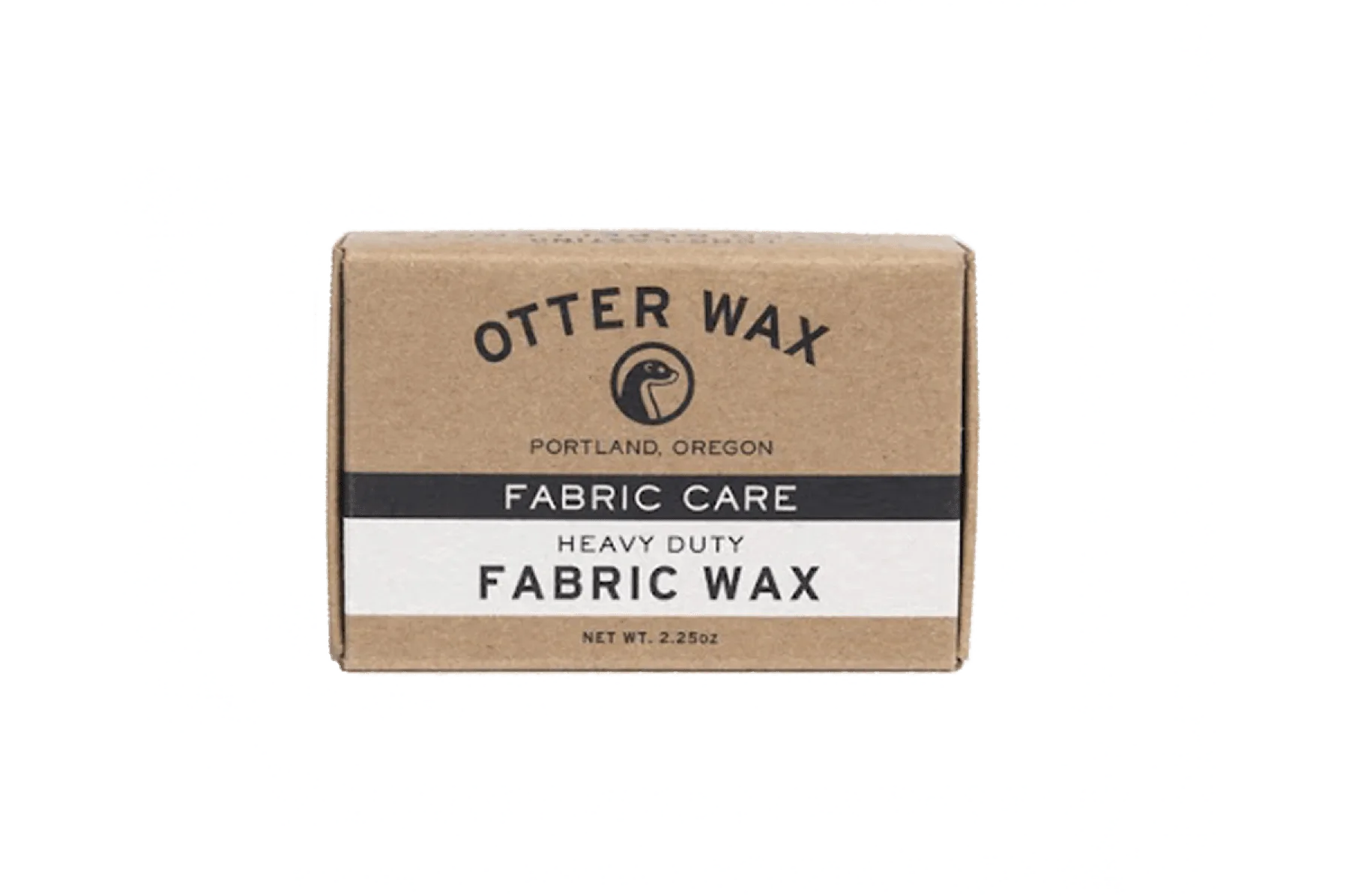
- Otter Wax - Heavy Duty Fabric Wax: Otter Wax Heavy Duty Fabric Wax is a rub-in treatment for waterproofing and conditioning heavy-duty fabrics such as canvas, tents, and workwear. This is the wax side of the comparison, and the rub-in method is what gives it the durability edge on dense, absorbent fabrics.
- Kinisi Hemp Shorts W's: Kinisi Hemp Shorts W's use a majority hemp material that is naturally breathable, cooling in warm weather, odor resistant, and durable. A good example of the kind of hemp apparel that takes wax well, and a reason to keep spray away from fabrics you want to stay breathable and soft.
- High Noon Hemp Hoodie M's: High Noon Hemp Hoodie M's is made with HempTech fabric and comes in Moss, Silver Pine, and Moon Gray, sizes Small to XXL. Shows the color and size range you're treating, so you can plan wax touch-ups on high-wear areas like cuffs and shoulders without guessing availability.
Which should you choose?
Best for
- Hemp apparel, canvas bags, tents, and workwear that see regular abrasion
- Paddlers and outdoor users who want fewer reapplication cycles per season
- Anyone willing to spend extra minutes for longer-lasting moisture protection
Not for
- Nylon jackets and smooth synthetic shells where spray adheres better
- Last-minute trips when you need a whole rack treated in minutes
- People who want a no-touch, no-mess application