Quick answer
For most tabletop terrain, a flexible acrylic paint over a proper primer gives the longest life. Choose a paint line rated for flexible surfaces, avoid brittle craft acrylics on pieces that bend, and seal anything that gets handled weekly. If you play often, prioritize a durable topcoat over a fancy base color.
Paint choice is one of the few variables you fully control after buying terrain. It decides whether a piece survives years of setup, teardown, and storage, or chips on the third game night. The right answer depends on the material under the paint, how often you handle it, and whether the piece flexes.
This guide gives you decision rules rather than brand loyalty. You will learn how acrylic paint behaves on terrain, where wear actually happens, and how to match paint and sealer to the specific pieces in your collection.
How paint choice affects wear
Paint fails in three ways on terrain: abrasion, flex cracking, and adhesion loss. Abrasion happens where pieces rub together in a bin. Flex cracking happens on soft materials that bend during assembly. Adhesion loss happens when paint never bonded to the surface. Each failure points to a different fix, and the paint you choose determines which one you will fight.
A flexible acrylic with good pigment load resists all three better than a cheap craft acrylic. Cheap paint often needs many coats, and thick coats crack when the piece flexes. Thin, well-bonded coats last longer than thick ones, so paint quality matters more than coat count.
- Test one piece before committing a whole set to a new paint line.
- Thin coats bond better and crack less than thick coats.
Match paint to the terrain material
Dwarvenite is a flexible, durable material that tolerates handling well, but it can flex slightly. Paint for Dwarvenite should stay flexible after curing, which usually means an acrylic formulated for soft plastics or a dedicated miniature paint line. Rigid hobby enamels can look great on a shelf and fail on a piece that gets assembled and disassembled.
Resin is rigid and takes paint differently. It holds crisp detail and accepts many acrylics well, but it chips more easily on impact because the surface is hard and unforgiving. Resin pieces benefit from a primer and a protective topcoat even more than flexible pieces do.
- Flexible acrylic for Dwarvenite, standard acrylic plus primer for resin.
- Never assume one paint line is ideal for both materials.
Primer and sealer do half the work
Primer creates the bond that keeps paint from flaking off. Sealer creates the wear layer that takes the abuse. Skipping either one shortens the life of the paint job, no matter how good the color coat is. For terrain that gets handled often, a matte or satin varnish is the single highest-value step.
Choose a sealer that matches the finish you want. Gloss is the most protective but looks wrong on most stone and cavern pieces. Matte and satin look natural and still add meaningful abrasion resistance. Reapply sealer on high-contact edges every few years rather than repainting the whole piece.
- Prime first, seal last, and do not skip either.
- Re-seal worn edges instead of repainting entire pieces.
Painted vs unpainted: a real trade-off
Pre-painted terrain saves time and usually arrives with a factory finish that is consistent across pieces. The trade-off is that you cannot choose the paint chemistry, so you inherit whatever durability the factory finish has. You can still add a clear sealer to extend its life without changing the look.
Unpainted pieces let you control every layer, which is the best path to maximum longevity. The cost is time and the need to buy primer, paint, and sealer separately. If you enjoy painting or want a specific scheme, unpainted is the stronger long-term choice. If you want to play this weekend, painted plus a sealer is the practical choice.
- Seal factory-painted pieces to extend their life.
- Unpainted gives full control over durability layers.
Decision rules for choosing terrain paint
- If the piece flexes, choose flexible acrylic: Dwarvenite and other soft terrain materials bend slightly during assembly. Use an acrylic formulated to stay flexible after curing, and avoid rigid enamels that crack under flex. Flexible paint prevents cracking at joints and edges.
- If the piece is rigid resin, prime and seal: Resin is hard and chips on impact. A primer improves adhesion and a matte or satin varnish absorbs abrasion. Without a sealer, resin paint jobs fail faster than Dwarvenite ones. Primer plus sealer is mandatory for resin longevity.
- If you handle pieces weekly, prioritize the topcoat: Frequent setup and teardown causes abrasion, not color failure. Spend your budget on a quality sealer and reapply it on worn edges instead of buying premium base colors. Topcoat quality predicts lifespan more than base paint brand.
- If you bought pre-painted sets, seal them: You cannot change the factory paint chemistry, but you can add a clear protective layer. Seal before heavy use so wear happens to the sealer rather than the paint. Sealing painted sets is the cheapest longevity upgrade.
Product facts that affect paint decisions
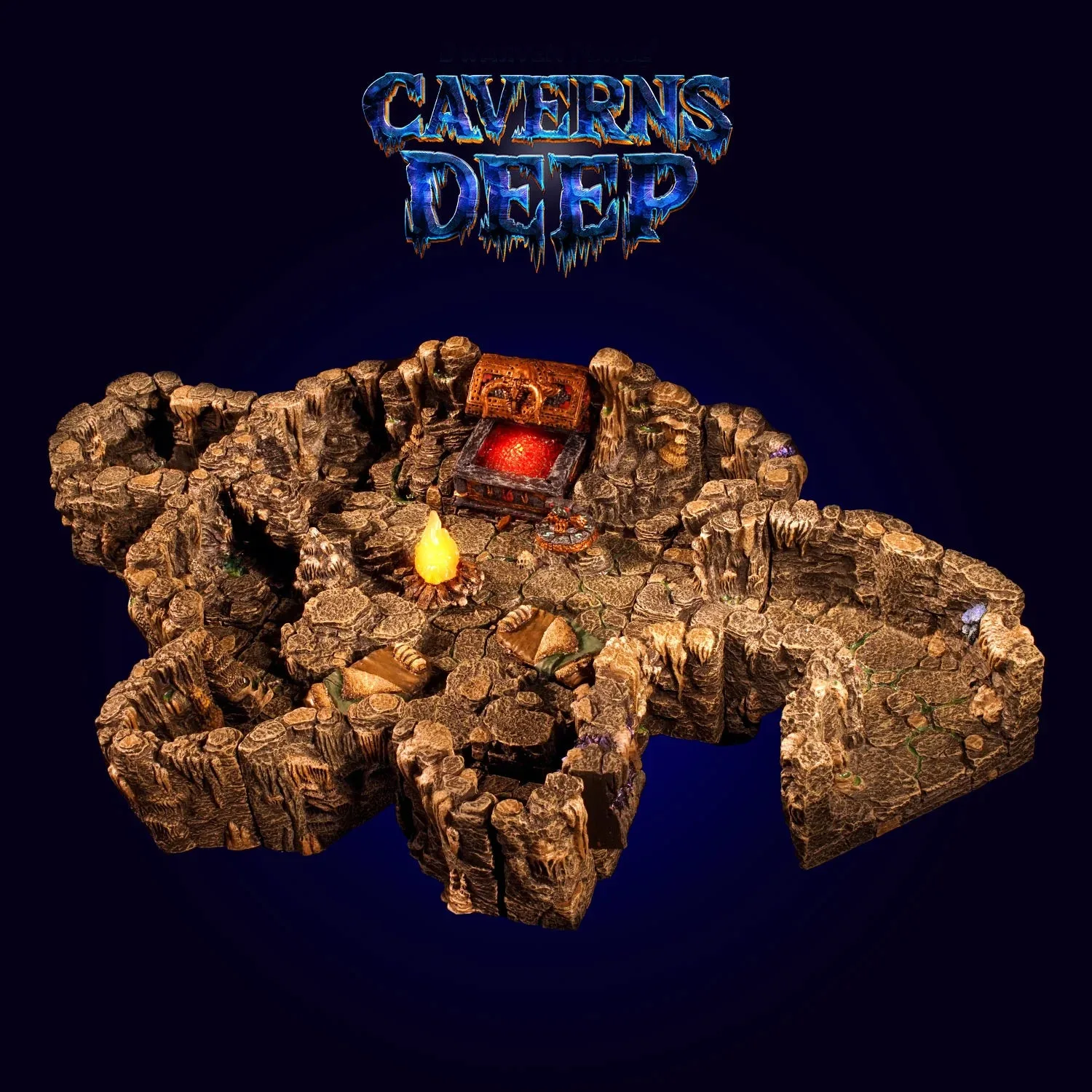
- Encounter 06 - Covert Warcamp (Unpainted): This complete encounter includes 39 pieces, including Cavern themed pieces, a Chained Conduit Crystal, a Glowing Campfire, a Pile of Adventurer's Equipment, a Bedroll, and the signature Dwarven Forge with Dwarvenite Deposit. A 39-piece unpainted set is a large paint investment. Choose one flexible acrylic line and one sealer before you start so the whole encounter ages consistently.
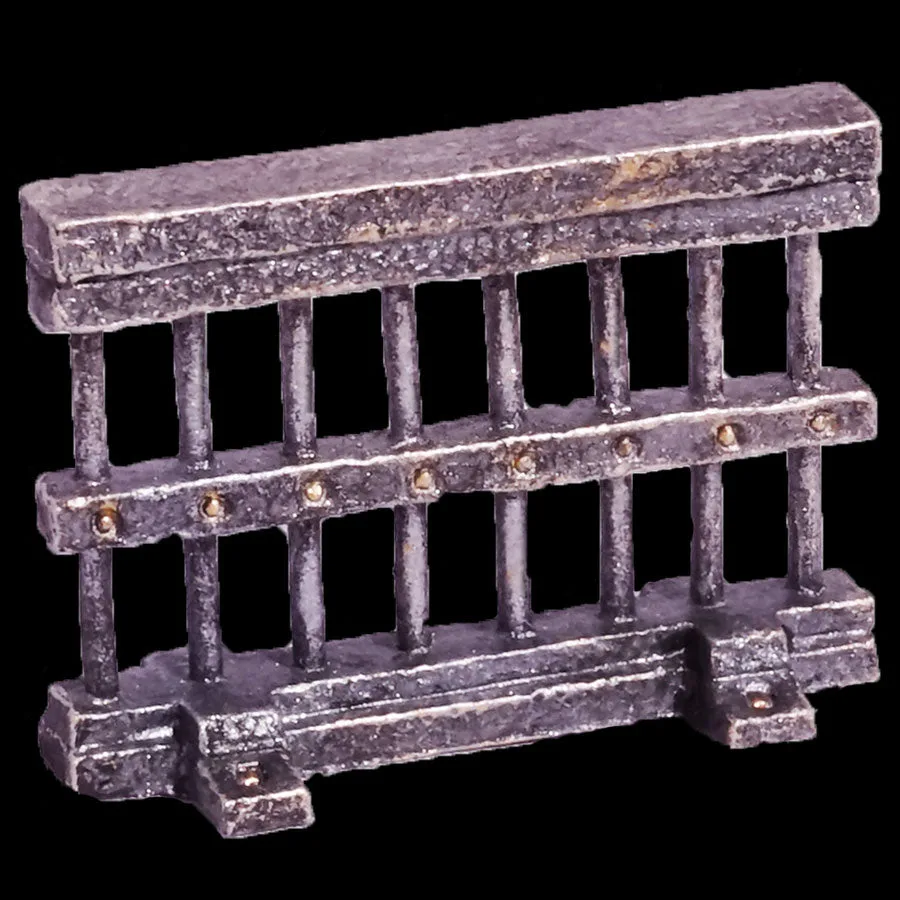
- Cage Wall (Unpainted): The Cage Wall is an unpainted freestanding piece designed for dungeon builds, and it can be placed where you need it without a larger wall section to hold it in place. Freestanding pieces get picked up and repositioned constantly, so they see more handling wear. Seal these first if you are rationing varnish.
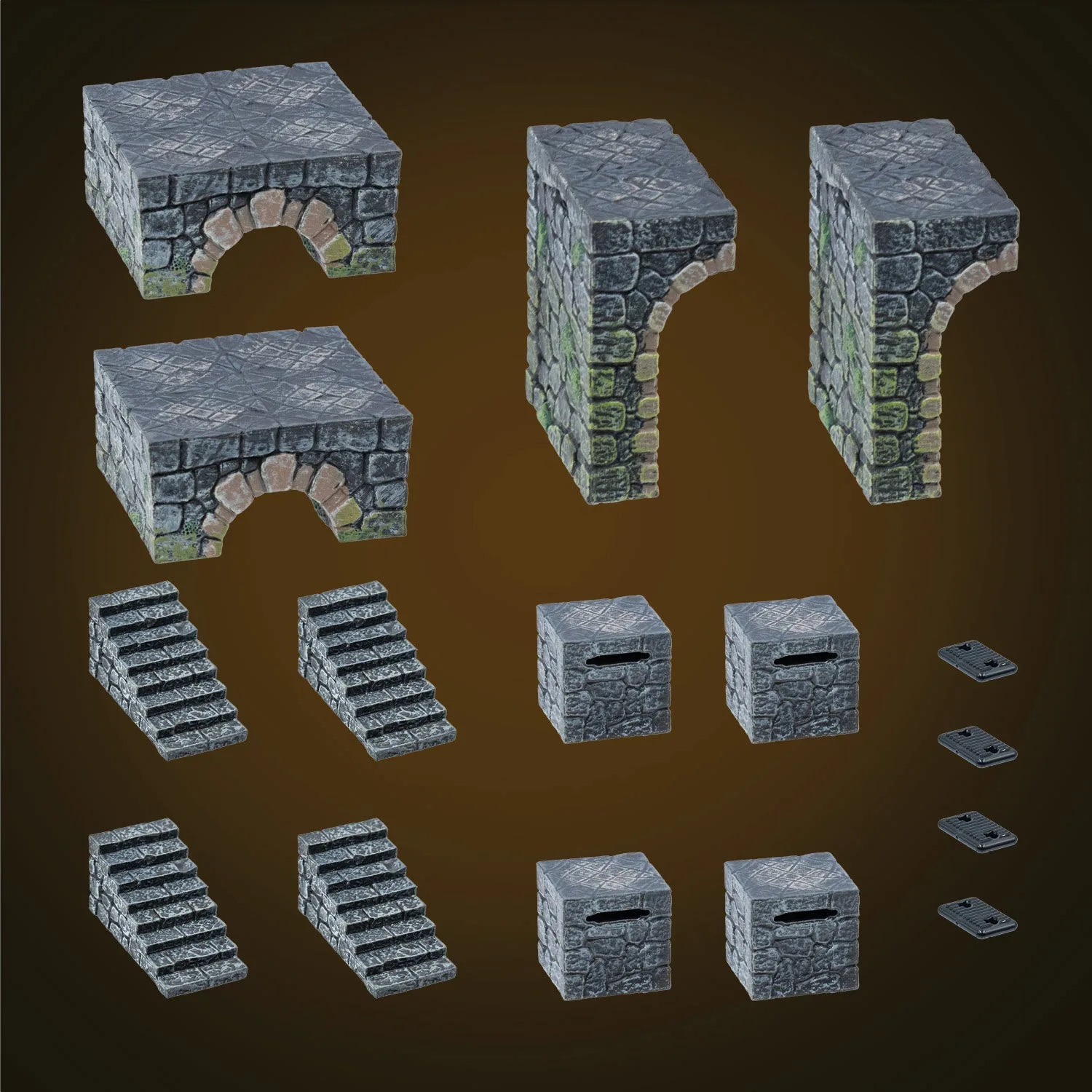
- Urban Elevation - Arches (Painted): This painted set includes waterways and sluices that help a seaside city have more options for bridges or basic elevation. Painted sets arrive finished, so your only longevity lever is a clear sealer. Add one before heavy use rather than after chips appear.
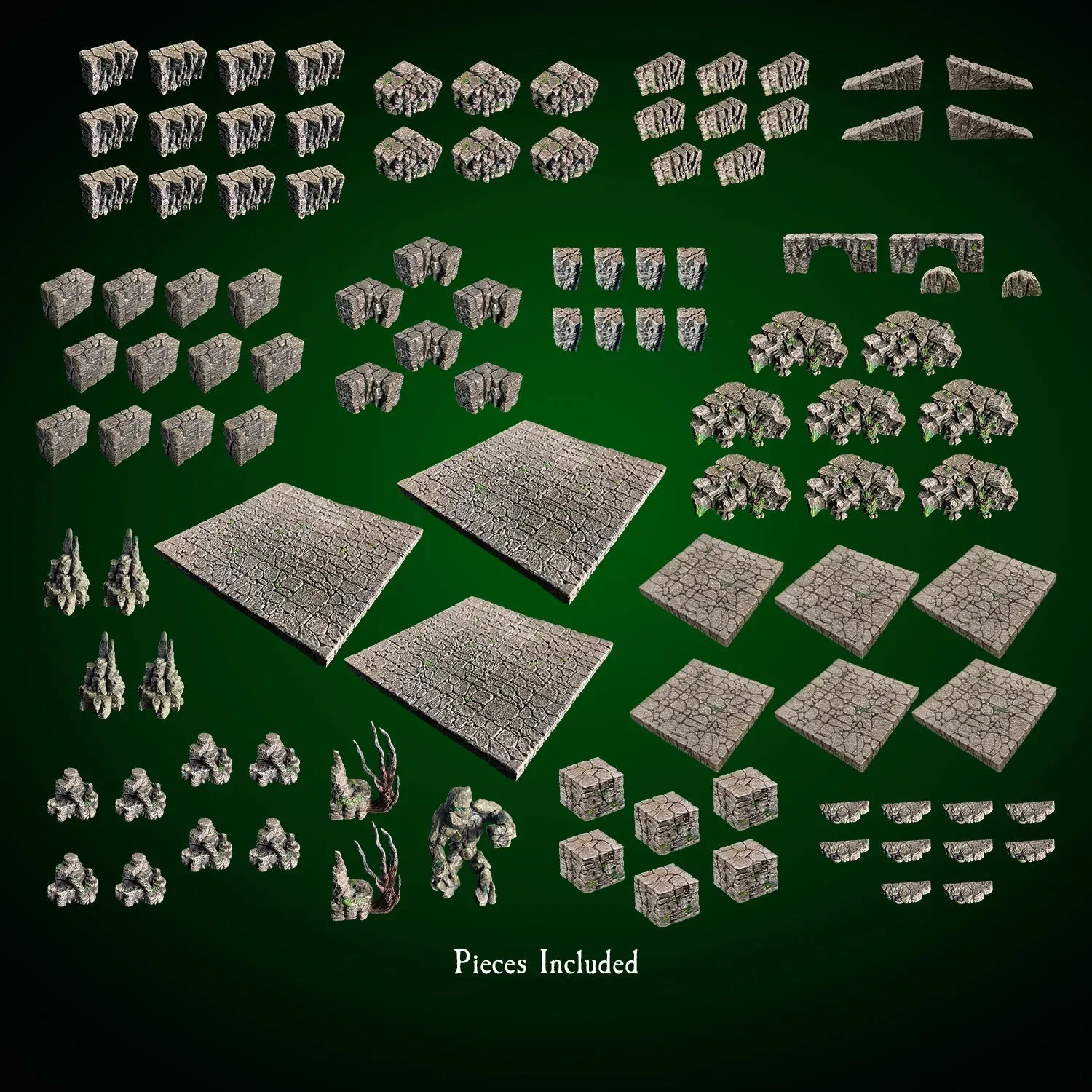
- Erinthor Mountains Set (Unpainted): A huge assortment of cliff and mountain pieces that can be combined in endless variations to create elevated bases for castles and buildings, or to make jagged mountains, towering cliffs, and rocky ravines. Large cliff pieces are usually stacked and rubbed together, which is exactly where abrasion shows first. Prioritize a durable topcoat on the contact edges.
Who should choose which approach
Best for
- Players who handle terrain weekly and want the longest possible lifespan
- Painters willing to prime, paint, and seal unpainted Dwarvenite or resin sets
- Buyers of pre-painted sets who want to protect the factory finish with a clear sealer
Not for
- Anyone who wants a zero-maintenance finish and never plans to reseal worn edges
- Collectors who display terrain behind glass and rarely handle it
- Players who prefer single-use disposable terrain over long-term investments
Paint choice is a longevity decision, not a color decision. Match the paint to the material, prime and seal every piece, and reseal high-contact edges over time. That routine keeps your terrain looking good through years of game nights.