Quick answer
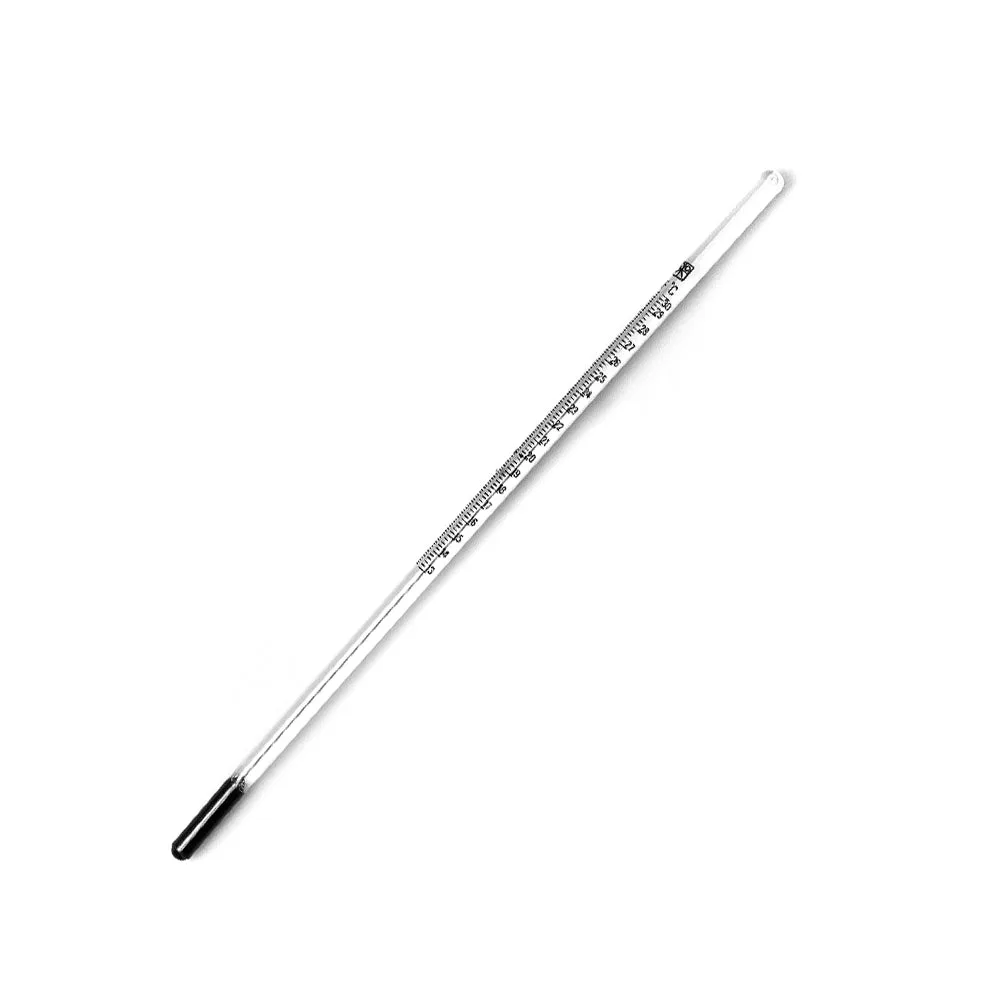
For most black-and-white film developing, choose the standard 9-inch Paterson thermometer: its 56°F to 86°F range covers standard developer temperatures and fits comfortably in a graduated cylinder or small tank. Choose the 12-inch version if you mix chemistry in larger containers or need to read temperatures up to 150°F, such as for color processing or warm water baths.
Why the temperature range matters more than the length
The two Paterson thermometers differ mainly in their temperature spans, not just their physical size. The standard 9-inch model reads from 56°F to 86°F, which covers the 68°F to 75°F window where most black-and-white developers, stop baths, and fixers are used. The larger 12-inch model reads from 60°F to 150°F, so it can handle warmer solutions and color chemistry that runs at higher temperatures. If you only develop black-and-white film at room temperature, the 9-inch range is sufficient and easier to read because the scale is less compressed. If you plan to process color film, use a water jacket, or mix chemicals in a large bucket, the 12-inch version gives you the headroom you need.
Physical size and where you will use it
The 9-inch thermometer fits easily into a 600ml or 1000ml graduated cylinder and most developing tanks, so you can leave it in the solution while you work. The 12-inch model is better suited to larger mixing containers, such as a 2-gallon bucket or a deep water bath, where a shorter thermometer might be hard to read without getting your hands wet. Consider where you will store it, too: a longer thermometer needs a longer protective case or a dedicated spot on a shelf. Neither size is inherently more accurate, but a thermometer that fits your container is more likely to be used consistently, and consistent temperature control is what actually protects your negatives.
How to use either size for consistent results
Whichever size you choose, the workflow is the same. Before you pour developer into the tank, stir the solution gently and hold the thermometer in the middle of the liquid until the reading stabilizes. Record the temperature and adjust your development time if needed, since most black-and-white films are standardized around 68°F. For critical work, check the thermometer against a second reference thermometer once a season; glass thermometers can drift if they are dropped or stored in extreme conditions. Rinse and dry the thermometer after each session, and store it away from direct sunlight to keep the markings legible.
A note on format adapters and temperature control
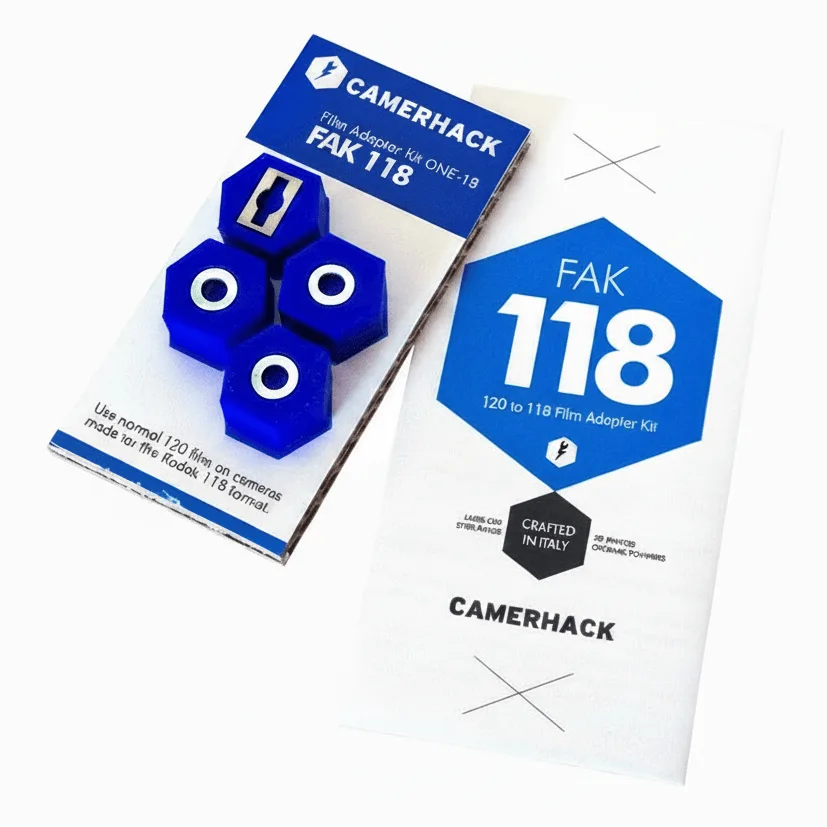
If you are adapting a vintage camera to shoot 120 film, you may also be handling older emulsions that are less forgiving of temperature swings. The FAK 118 to 120 Film Adapter and FAK 122 to 120 Film Adapter let you use 120 film in cameras designed for 118 or 122 formats, but they do not change the fact that your developer temperature still needs to be accurate. A reliable thermometer is the simplest way to keep that variable under control, especially when you are testing a newly adapted camera for the first time.
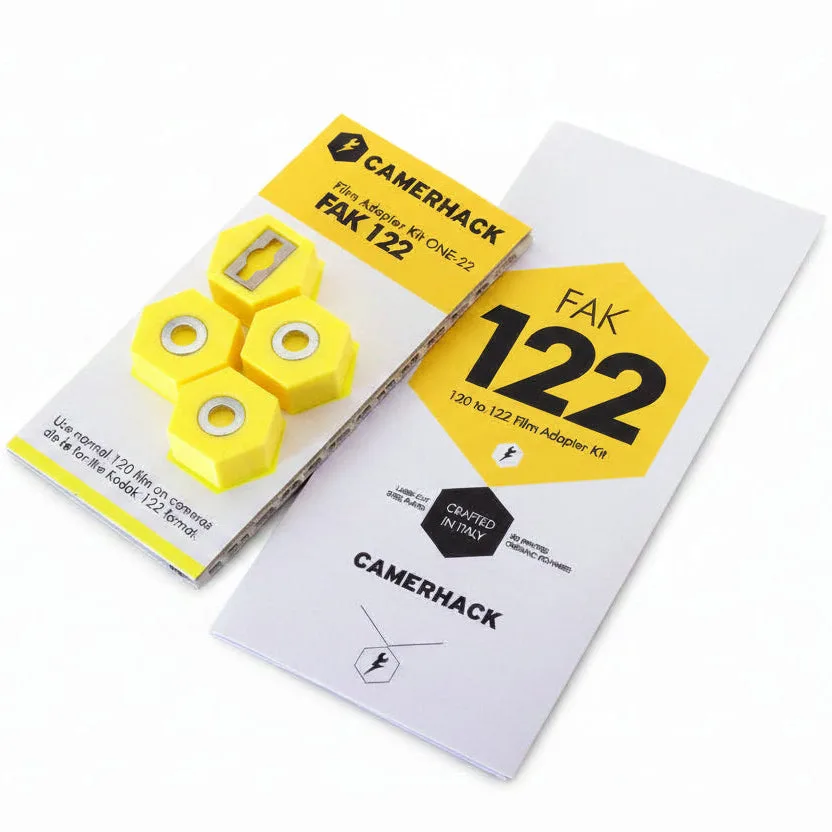
FAK 122 to 120 Film Adapter
Decision rules for buying a Paterson thermometer
- If you develop black-and-white film at room temperature: Choose the standard 9-inch thermometer. Its 56°F to 86°F range covers the 68°F to 75°F window used by most black-and-white developers, and the shorter body fits easily in a graduated cylinder or developing tank. This is the right default for most home darkrooms.
- If you process color film or use a warm water bath: Choose the 12-inch thermometer. Its 60°F to 150°F range lets you read temperatures above 86°F, which is necessary for some color chemistries and for warming solutions. You need the higher range; the 9-inch model will not read those temperatures.
- If you mix chemistry in large containers: Choose the 12-inch thermometer. Its longer stem makes it easier to read while the bulb is submerged in a deep bucket or large mixing vessel. Match the thermometer length to your largest container to avoid awkward dipping.
- If you are unsure which you need: Start with the 9-inch model unless you already know you will process color or use large volumes. You can always add the 12-inch later if your workflow expands. Buy for the work you do now, not for a hypothetical future.
Paterson thermometer options
- Paterson Darkroom Thermometer - Choose Size: Paterson photographic thermometers are available in two types covering two temperature ranges: the standard 9-inch model reads 56°F to 86°F, and the larger 12-inch model reads 60°F to 150°F. The 9-inch range covers typical black-and-white processing temperatures, while the 12-inch range adds headroom for warmer solutions and color chemistry.
- FAK 118 to 120 Film Adapter: The FAK 118 to 120 Film Adapter from Film Photography Project is a darkroom accessory designed to adapt 118 film for use with 120 film equipment. If you adapt a vintage camera to 120 film, you will still need accurate developer temperature; a reliable thermometer helps you keep that variable consistent.
Who should buy which size
Best for
- Black-and-white film photographers developing at standard temperatures
- Home darkrooms with small tanks and graduated cylinders
- Anyone who wants a simple, readable thermometer for routine processing
Not for
- Photographers who regularly process color film at higher temperatures
- Users who mix large volumes of chemistry in deep containers
- Anyone who needs a thermometer that reads above 86°F