Quick Answer
Start with the pendant's focal point: a charm or motif pendant suits casual, layered looks, while a stone pendant reads more polished and works alone. Match the chain weight to the pendant so it hangs straight, then choose a length based on your neckline and face shape. If you want one pendant necklace that does the most, pick an adjustable-length piece with a single clear focal point.
A pendant necklace is the one piece of jewelry most people can wear every day without thinking about it. The pendant does the styling work, so the decision comes down to three things: what the focal point is, how the chain supports it, and whether the length sits where you want it.
This guide walks through the trade-offs between charm pendants and stone pendants, how to pair a pendant with the right chain, and how to judge size before you buy online. It also uses real pieces from the Kemmi collection to show how those decisions play out.
Charm Pendant vs. Stone Pendant: Which Focal Point Fits You
Charm and motif pendants are built around shape: a sun, a moon, a symbol, or a cluster of small elements. They tend to feel relaxed and personal, and they layer well because the eye reads several small shapes instead of one large one. The trade-off is that very detailed charms can look busy against a patterned top, and tiny charms can disappear under a high neckline.
Stone pendants, including cubic zirconia or gemstone-set designs, put one clean focal point at the center. They read as more formal and photograph well, but they usually want a simpler outfit and a chain that does not compete. If you want one necklace that moves from work to dinner, a single stone pendant is the easier choice; if you want personality and layering flexibility, go with a charm.
- Choose a charm pendant if you layer necklaces or change outfits often.
- Choose a stone pendant if you want one piece to carry a whole look.
- Avoid combining a large charm cluster with a large stone pendant in the same layer.
Pendant Chain Pairing: Weight, Length and Balance
The chain has one job: hold the pendant so it hangs flat and centered. A heavy pendant on a fine chain will drift and twist; a delicate pendant on a thick chain looks swallowed. As a rule, the wider or heavier the pendant, the more substantial the chain should be, and the clasp should feel secure rather than decorative.
Length changes the whole effect. A 16-inch chain sits near the collarbone and flatters open necklines; 18 inches is the most versatile everyday length and clears most crew necks; anything longer drops toward the sternum and works best with a single pendant. If you are unsure, an adjustable chain that moves between roughly 16 and 18 inches removes most of the guesswork.
- Check that the pendant's attachment point lets it slide or sit flat, not flip forward.
- If you layer, keep at least an inch of visible space between pendants.
- Match metal tone across layers unless the contrast is deliberate.
Choosing Pendant Size for Your Frame and Neckline
Pendant size is relative, not absolute. A pendant around the size of a thumbnail reads as delicate on most frames; anything closer to a coin becomes a statement piece. The neckline matters as much as the pendant: a V-neck creates a natural line for a drop pendant, while a high crew neck needs a slightly larger or longer pendant to stay visible.
Face shape is a softer guide. Angular pendants add structure to rounder faces, while rounded or curved shapes soften a strong jawline. None of this is a hard rule, but it explains why the same pendant can look right on one person and lost on another. When buying online, compare the listed pendant dimensions to a piece you already wear rather than guessing from photos.
- Measure a pendant you already like, then compare those numbers to the listing.
- If the listing does not state pendant dimensions, treat that as a real limitation and ask before buying.
- A larger pendant usually means a simpler chain and a simpler outfit.
Materials and Everyday Wear
Pendant necklaces are worn close to skin, so material matters more than it does for a bracelet. Stainless steel with a gold finish is a common choice for daily wear because it resists water and is often described as hypoallergenic, which suits people who react to base metals. Sterling silver and gold vermeil give a different look and feel, but they generally ask for more careful storage.
Think about when you will actually take the necklace off. If it stays on through workouts, showers, and travel, prioritize water resistance and a secure clasp. If it lives in a jewelry box and comes out for occasions, you can choose based on finish and stone color instead. Neither approach is wrong, but buying for the wrong routine is the most common reason a pendant ends up unworn.
- Water-resistant finishes suit people who rarely remove their jewelry.
- Store pendants flat or hanging so chains do not tangle or kink.
- Check the clasp type before buying if you have dexterity or nail-length concerns.
Decision Rules: Pick Your Pendant in Four Checks
- Rule 1: Choose the focal point first: If you layer or change outfits daily, choose a charm or motif pendant. If you want one necklace to finish a look, choose a single stone pendant. One clear focal point beats several competing ones.
- Rule 2: Match chain weight to pendant weight: A heavy or wide pendant needs a more substantial chain to hang straight; a fine chain suits a small, light pendant. If the pendant flips or drifts in photos, the chain is too fine.
- Rule 3: Set length by neckline, not trend: Around 16 inches sits near the collarbone, 18 inches clears most crew necks, and longer chains suit a single pendant. Adjustable chains cover the most ground. When in doubt, choose adjustable.
- Rule 4: Buy for your real routine: If the necklace stays on through showers and workouts, prioritize water-resistant materials and a secure clasp. If it is occasion wear, prioritize finish and stone color. The wrong routine, not the wrong style, is why pendants go unworn.
Kemmi Examples That Show the Trade-Offs
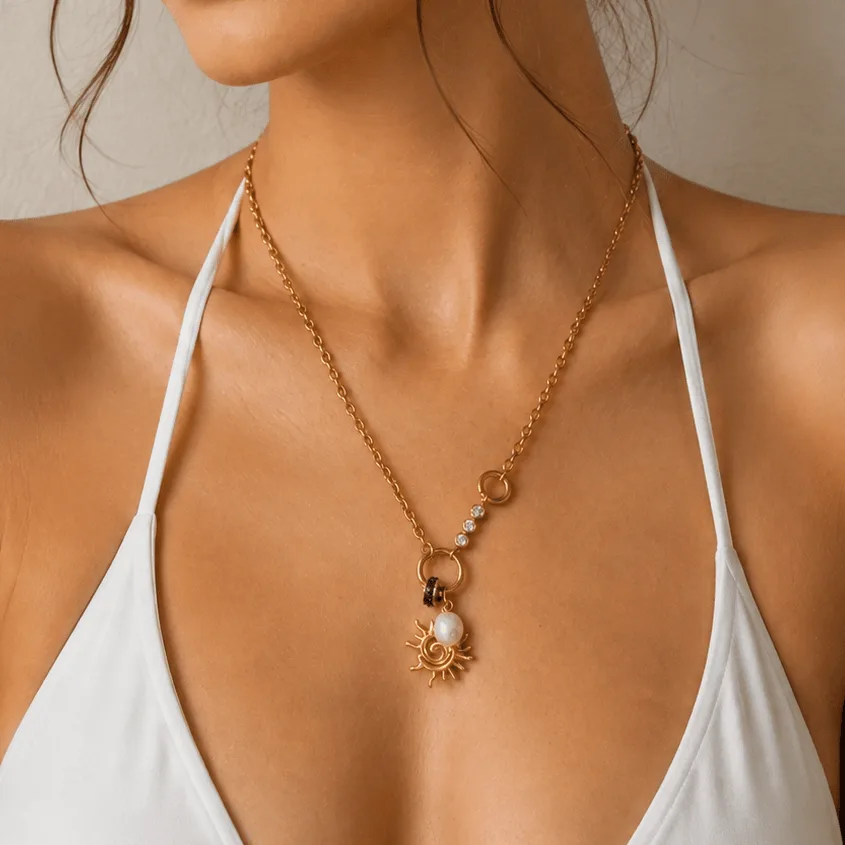
- Calista Necklace: A sculptural sun charm, luminous pearl, and sparkling zircon details on a polished gold chain, with each charm moving independently. Made in stainless steel with an 18k gold finish, described as water-resistant and hypoallergenic. This is the charm-pendant route: multiple small elements give it a collected-over-time feel and make it easy to layer, while the stainless steel build suits daily wear.
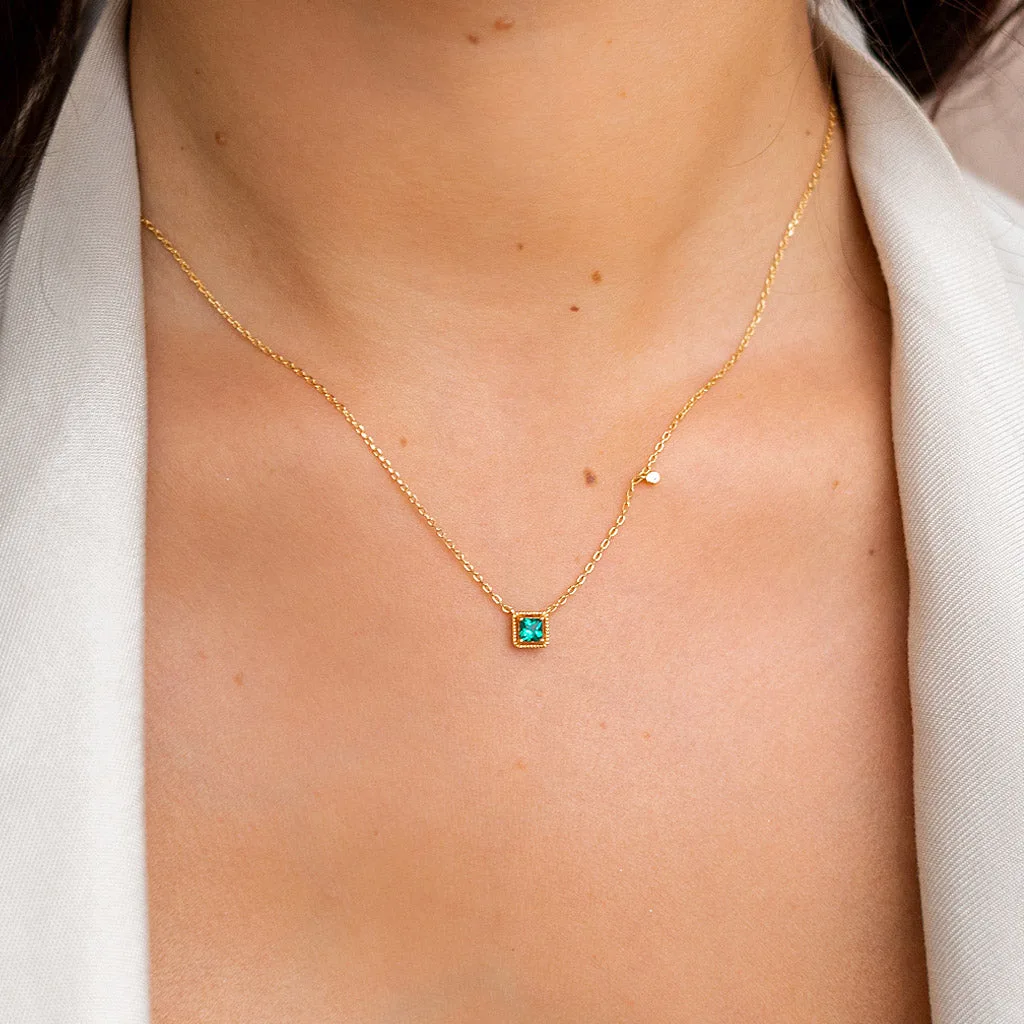
- Square Green CZ Necklace: A dainty gold design featuring green cubic zirconia with an adjustable length from 16 to 18 inches, available in a material option. This is the single-stone route with built-in length flexibility, so you can test collarbone and everyday lengths without committing to one.
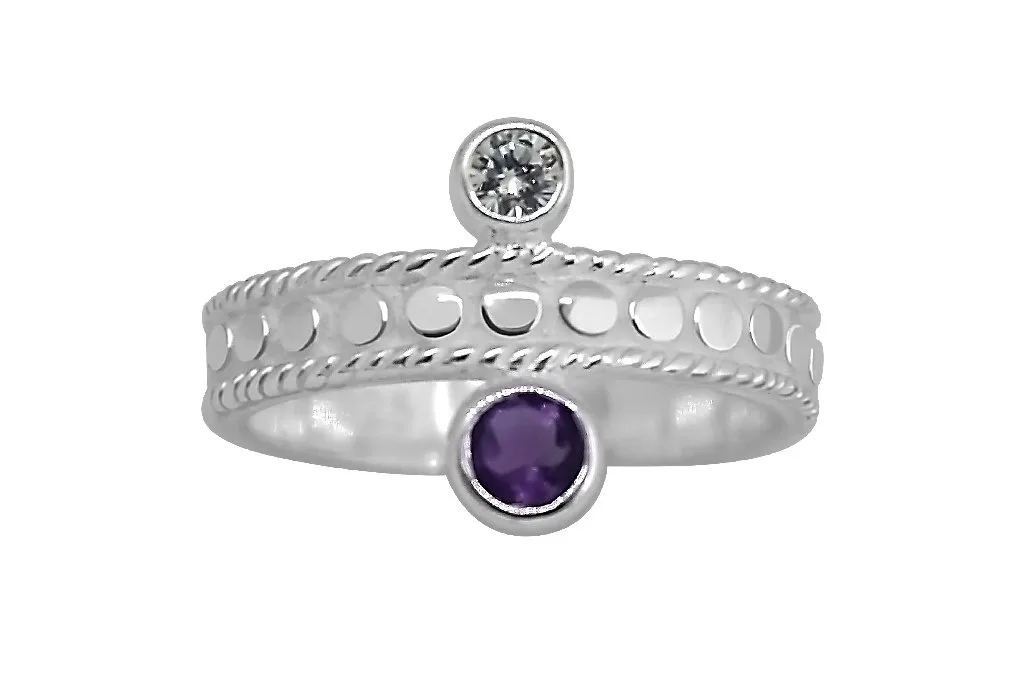
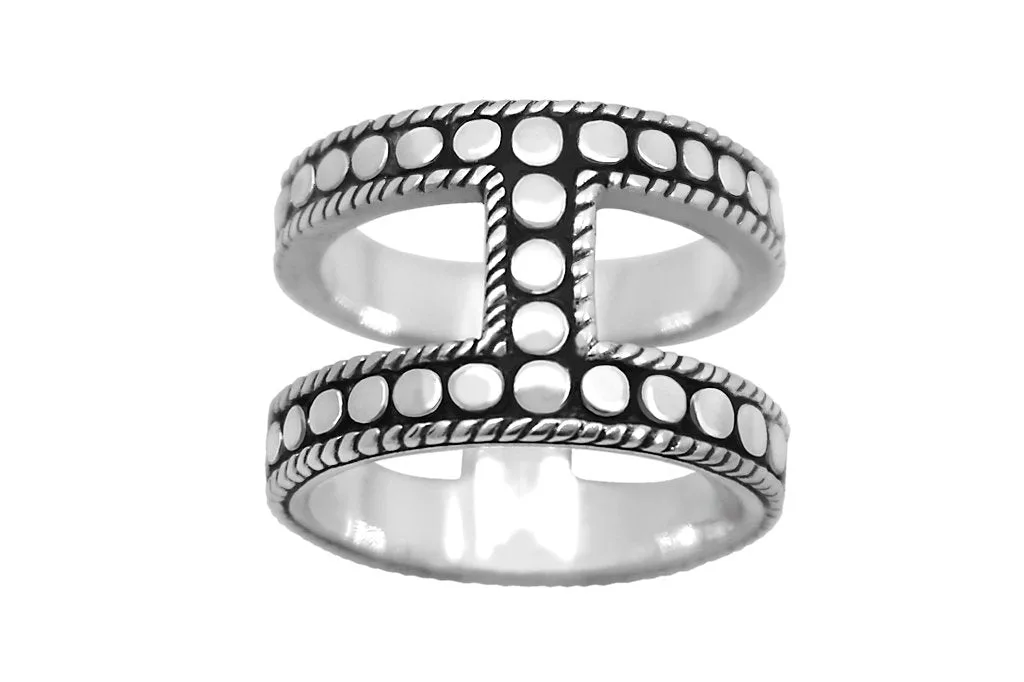
- White Silver Fay Ring: An amethyst and cubic zirconia design in a distinctive shape, made of solid sterling silver, available in sizes. A useful reminder that a pendant is one part of a set: if you already wear sterling silver and colored stones, a silver-toned pendant keeps the look consistent.
Who This Pendant Approach Suits
Best for
- Shoppers who want one pendant necklace that works across most outfits and necklines
- Anyone building a layered look who needs a charm pendant that sits flat and moves independently
- Buyers who keep jewelry on during the day and want a water-resistant, hypoallergenic option
Not for
- Shoppers who want a large statement pendant as the single focus of an outfit
- Anyone who needs a specific pendant dimension confirmed before buying, since some listings do not state it
- Buyers looking for solid gold or fine-gemstone investment pieces rather than everyday fashion jewelry
A pendant necklace works when the focal point, chain, and length all agree with how you actually dress. Decide on charm or stone first, size the chain to the pendant, and set the length by your neckline. Get those three right and the pendant becomes the piece you reach for without thinking.