Quick answer
For most people, the best anti-aging ingredient is the one you can use consistently. Retinol has stronger evidence for reducing wrinkles, but it often causes irritation. Peptides are gentler and support barrier and texture over time. You can use peptides with retinol by alternating or layering them, and sensitive skin may prefer a peptide-first routine.
How peptides and retinol work differently
Retinol is a vitamin A derivative that speeds up cell turnover and builds collagen over months, which is why it is a gold standard for wrinkles. The trade-off is a purge period and sensitivity to sun. Peptides are short chains of amino acids that act as messengers, signaling skin to support its own collagen and barrier. They are unlikely to cause irritation, but results are gradual and subtle. Neither is a quick fix; both need daily use for at least 8 to 12 weeks to see meaningful change.
Tolerability and who should avoid retinol
If your skin is reactive, dry, or prone to redness, retinol can be a struggle. Start with a low concentration once a week and buffer with a moisturizer. Peptides are a smart retinol alternative for sensitive skin because they do not trigger the same peeling or stinging. However, if you are pregnant or breastfeeding, skip retinol and ask your doctor about peptide options. For everyone else, the decision often comes down to how much irritation you are willing to manage.
Can you use peptides with retinol?
Yes, and many routines pair them. The simplest approach is to use retinol at night and peptides in the morning. If you prefer one sitting, apply peptides first, wait a few minutes, then retinol, and finish with a barrier cream. Some people find that layering causes flushing, so alternate nights if needed. Do not mix retinol with strong acids in the same routine; that combination is more likely to irritate than peptides plus retinol.
How to choose based on your goal
If your main concern is deep wrinkles and you can tolerate active ingredients, retinol is the more proven choice. If you want to prevent fine lines, improve texture, and avoid downtime, peptides are the better daily staple. You can also start with peptides while your skin adjusts, then add retinol later. The best anti-aging ingredient is the one that fits your skin's tolerance and your willingness to stick with it.
Trade-offs at a glance
- Results speed: Retinol can show wrinkle improvement in 12–24 weeks; peptides may take longer and are more about prevention and barrier support. Choose retinol for visible wrinkles; choose peptides for gradual, low-risk maintenance.
- Irritation risk: Retinol often causes redness, peeling, and purging; peptides rarely cause irritation. Sensitive skin should start with peptides or a very low-strength retinol.
- Routine fit: Peptides layer easily with most products; retinol needs a simple, hydrating routine and daily sunscreen. If you love a multi-step routine, peptides are easier to slot in; if you prefer minimal steps, retinol plus moisturizer is enough.
Product facts
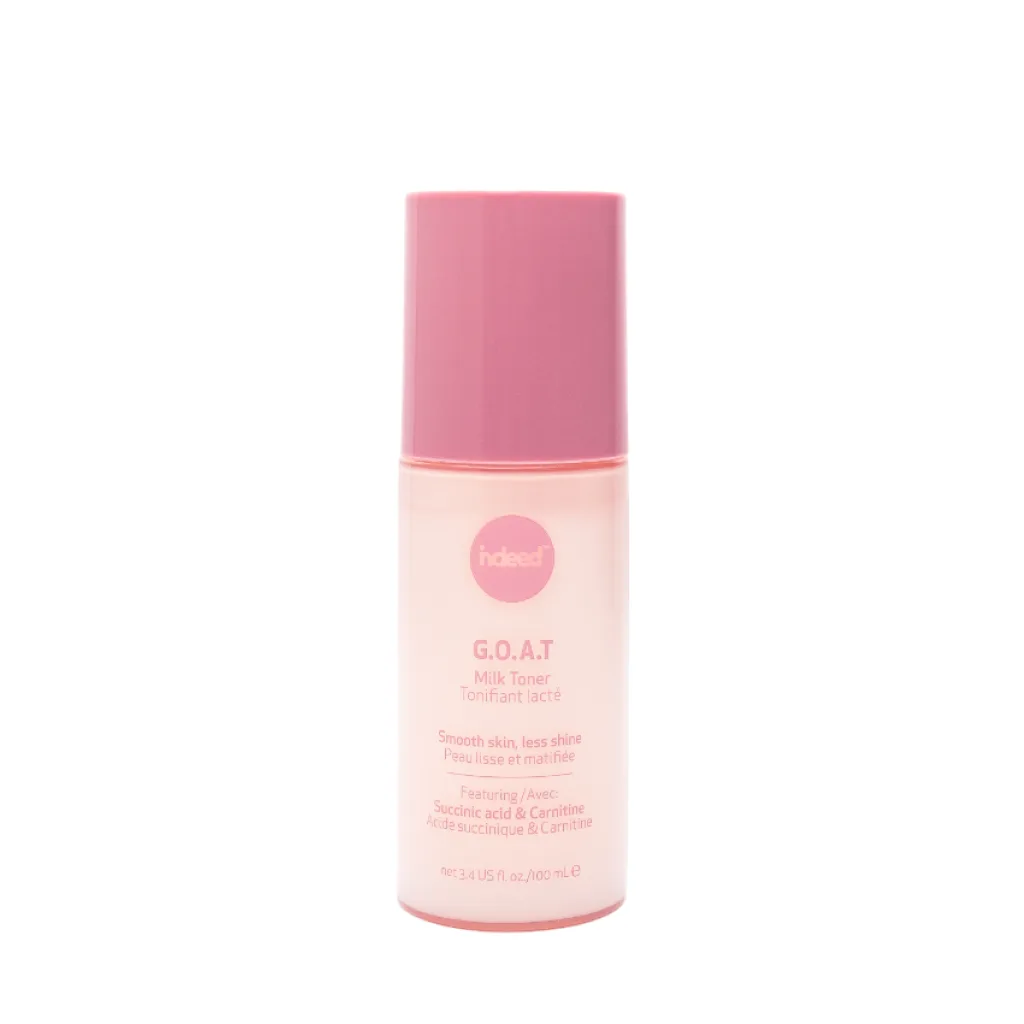
- G.O.A.T. Milk Toner: G.O.A.T. Milk Toner is a barrier-supporting, milky toner designed to balance sebum production, intensely hydrate, and refine skin texture. Use it after cleansing to prep skin before peptides or retinol; its hydrating base can reduce the drying effect of retinol.
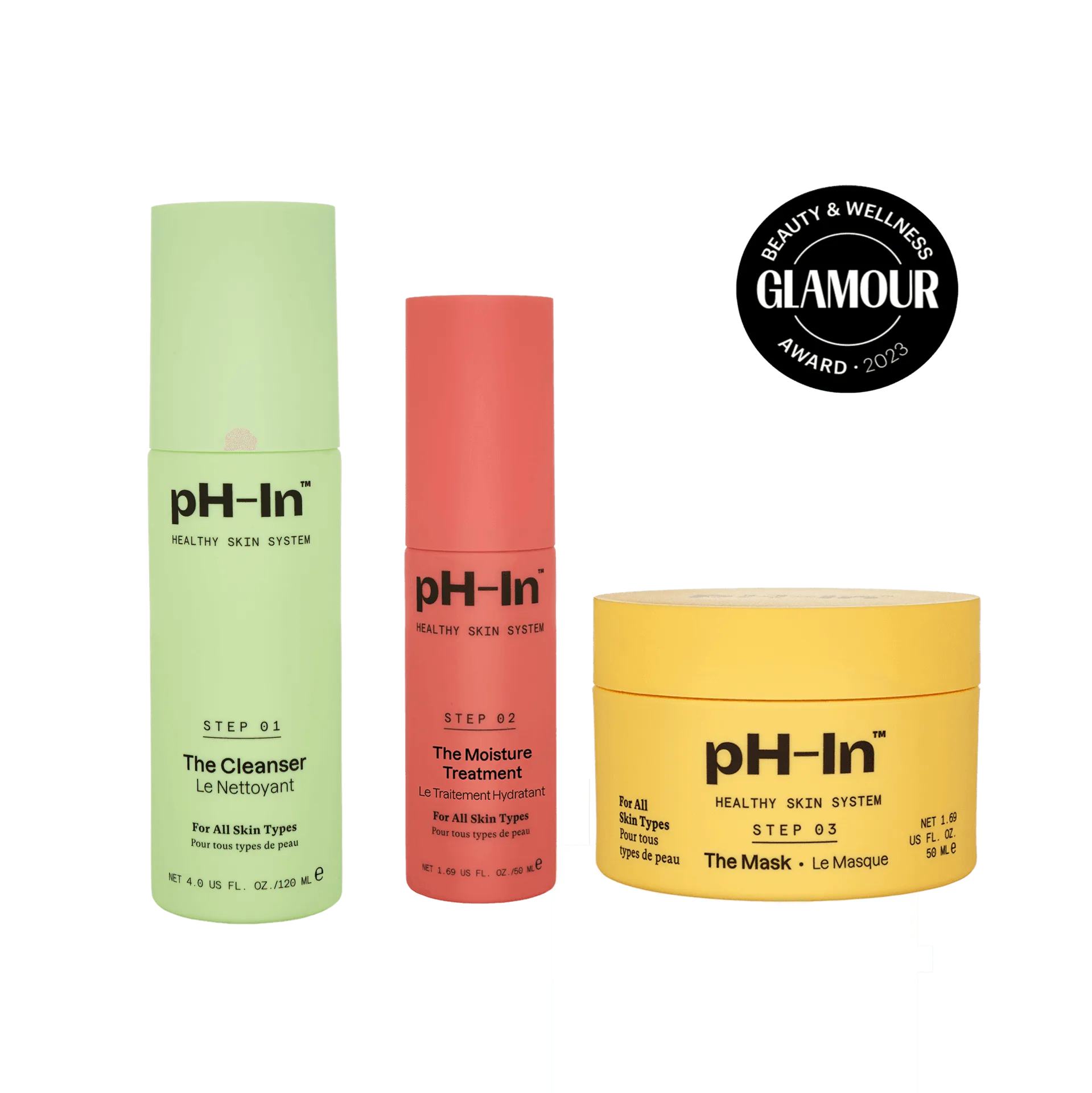
- pH-In™ Healthy Skin System: pH-In Healthy Skin System is a 3-step system designed to work in harmony with skin's natural pH and microbiome to support visible skin recovery. This system can help rebalance skin stressed by daily environmental and lifestyle factors while supporting a healthier skin barrier, making it a good base for either ingredient.
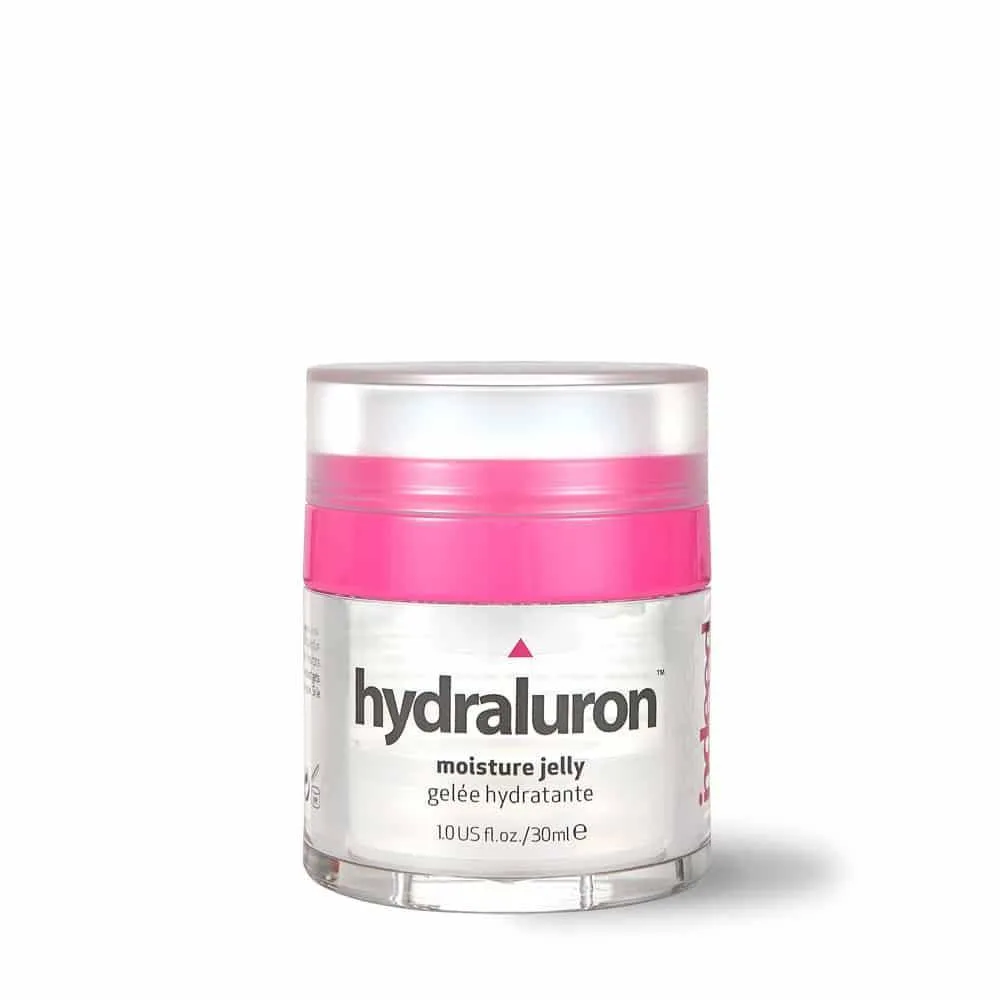
- hydraluron™ moisture jelly: hydraluron moisture jelly is a lightweight jelly moisturizer powered by high molecular weight hyaluronic acid and PatcH2O technology that deeply hydrates while forming a breathable barrier to lock in moisture. Apply it after peptides or retinol to seal in hydration and minimize retinol-related flaking without a heavy feel.
Which is right for you?
Best for
- People with tolerant skin who want to reduce existing wrinkles
- Those willing to use sunscreen daily and start slowly
- Anyone who has not seen results from gentle peptides alone
Not for
- Pregnant or breastfeeding women
- Very sensitive or rosacea-prone skin
- Anyone who cannot commit to daily sun protection