Planning a trip with your furry friend? One of the most important decisions you'll make is choosing the right carrier. Whether you're heading to the vet, going on a road trip, or flying to a new destination, the safety and comfort of your dog depend on this choice. In this guide, we'll compare two popular options: hard-sided crates and soft carriers, helping you decide which is best for your travel needs.
We'll cover key factors like safety, airline regulations, durability, and your dog's comfort. By the end, you'll have a clear understanding of the pros and cons of each, so you can make an informed decision that keeps your pet secure and happy on every journey.
Why the Right Carrier Matters
Traveling with a dog can be stressful for both of you. A carrier that is too small, poorly ventilated, or not crash-tested can turn a simple trip into a nightmare. The right carrier ensures your dog is safe in the car, meets airline requirements, and provides a cozy den-like space that reduces anxiety. It's not just about convenience—it's about your pet's well-being.
When choosing between a crate and a soft carrier, consider your primary mode of transportation. For frequent car travel, a crash-tested crate like the G1TM KENNEL - Cheyenne Bottoms offers superior protection. For air travel, a soft carrier that fits under the seat is often more practical. Let's break down the differences.
- Assess your travel frequency: daily car rides vs. occasional flights.
- Measure your dog accurately: length, height, and weight.
- Check airline regulations before purchasing.
Hard-Sided Crates: Maximum Protection
Hard-sided crates, often made of impact-resistant plastic or metal, are the gold standard for safety. They are designed to withstand impacts, making them ideal for car travel. Many are crash-tested, ensuring your dog stays secure in the event of an accident. The G1TM KENNEL - Cheyenne Bottoms is a prime example, built with rotomolded plastic that can absorb significant force. It also features a reinforced door and ventilation slots for airflow.
These crates are also durable and easy to clean, which is essential for long trips. However, they are heavier and bulkier than soft carriers, making them less convenient for air travel unless they meet specific airline size requirements. For car travel, though, they are unmatched in protection.
- Look for crash-tested models like the G1TM KENNEL.
- Ensure proper ventilation and a secure latch system.
- Add a comfortable bed like the LONG HAUL BED for extra cushioning.
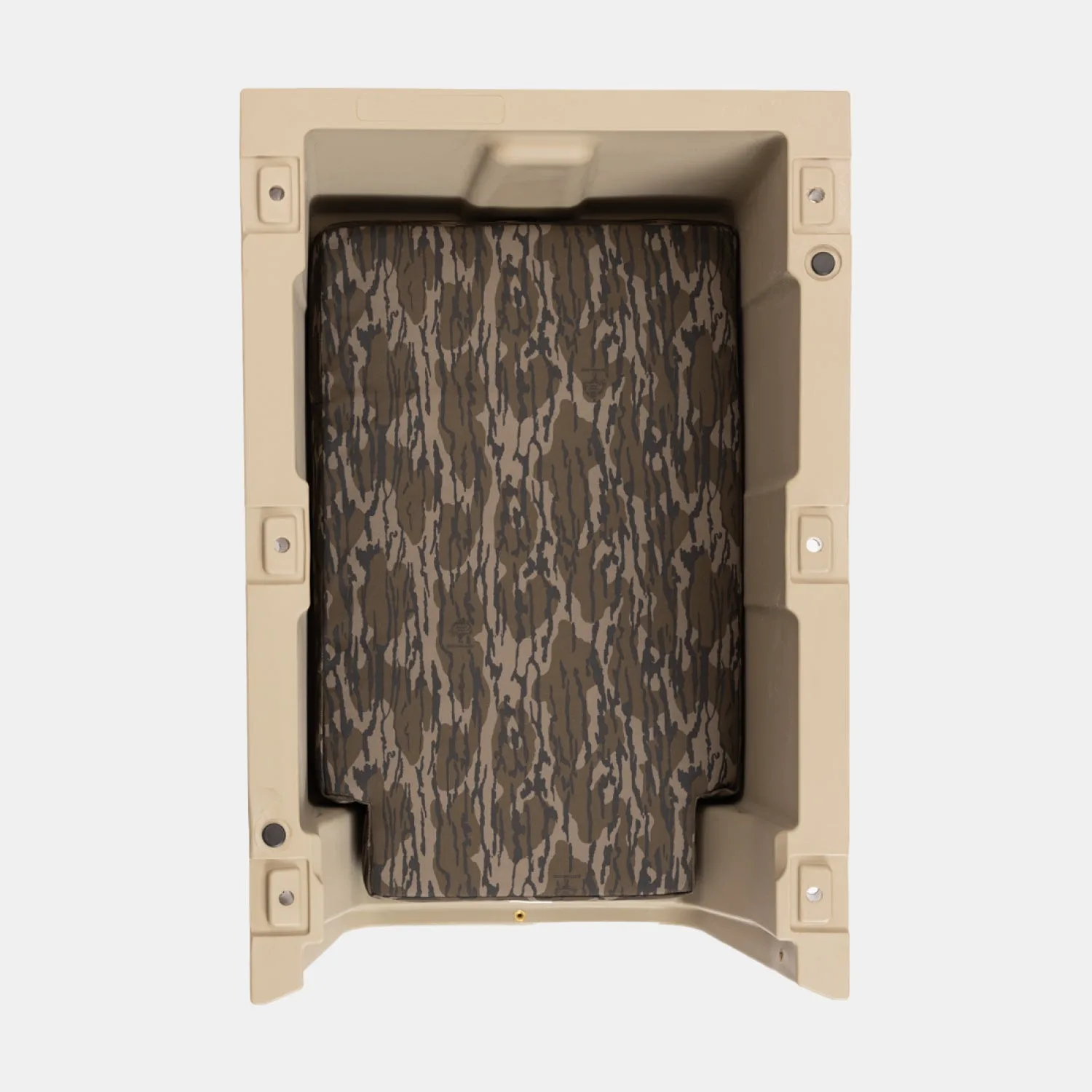
LONG HAUL BED
Soft Carriers: Lightweight and Versatile
Soft carriers are made of fabric with a sturdy frame and are designed for easy carrying. They are lightweight, foldable, and often fit under airplane seats, making them a top choice for air travel. Many airlines approve soft carriers for in-cabin use, provided they meet size restrictions. For example, the GUNNER x 2F.7 Waterfowl Dog Vest is not a carrier, but it's a great travel accessory for keeping your dog secure during outdoor adventures.
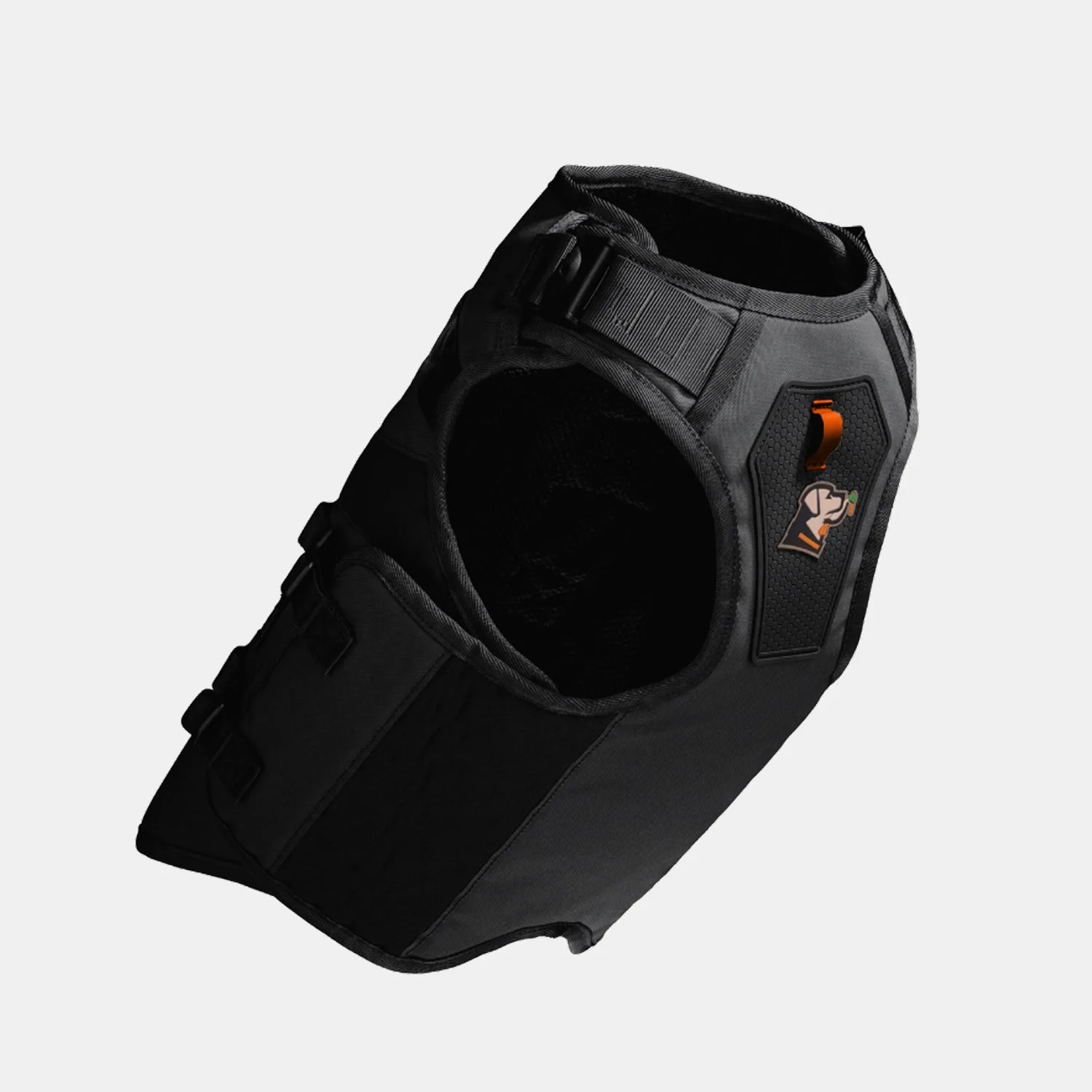
GUNNER x 2F.7 Waterfowl Dog Vest
Soft carriers are also more comfortable for dogs that like to curl up, as they offer a cozy, den-like feel. However, they offer less protection in a car crash and are not suitable for large or strong dogs that might chew through the fabric. For small dogs and calm travelers, they are a convenient option.
- Check airline dimensions for under-seat carriers.
- Choose a carrier with a washable, padded interior.
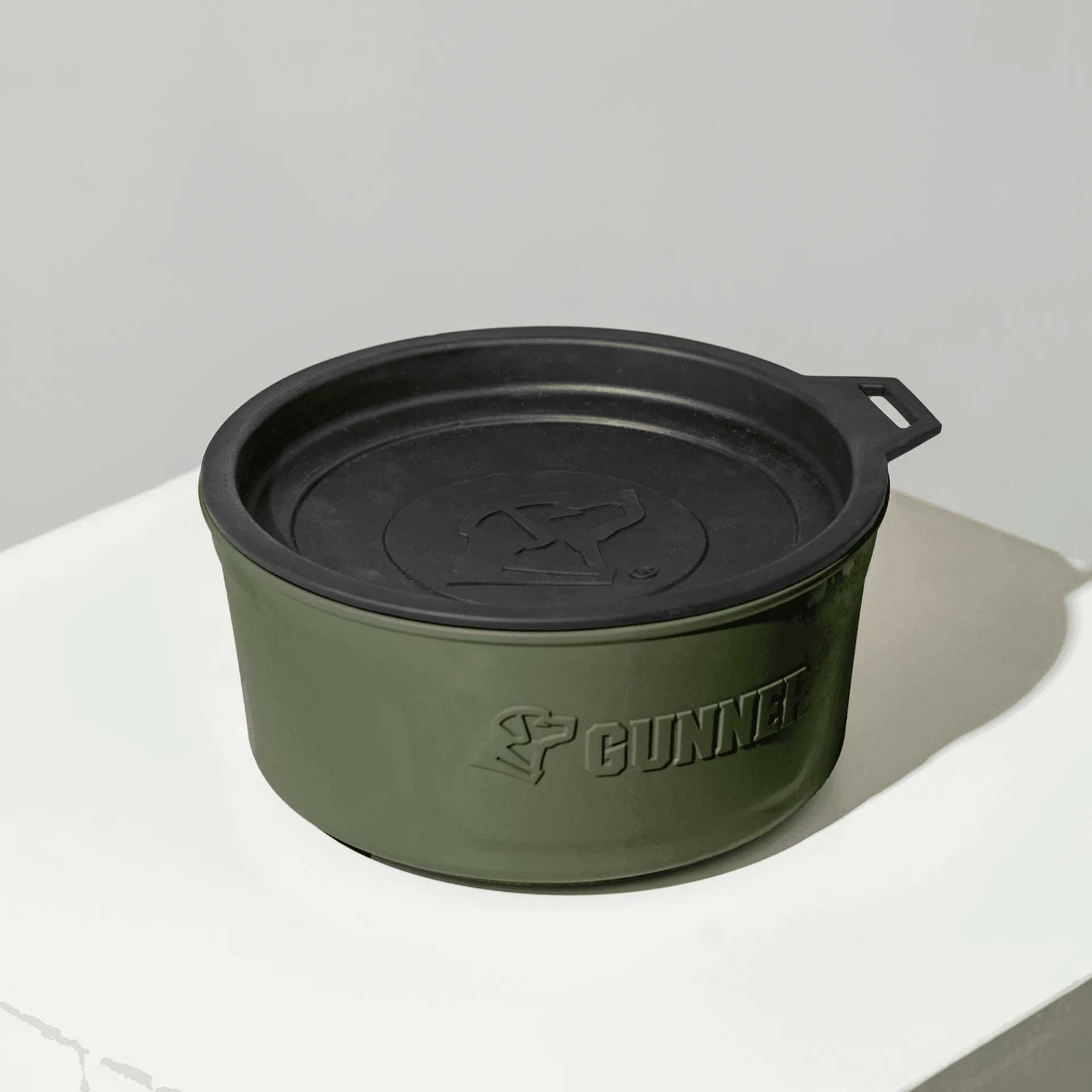
- Consider the GUNNER DOG BOWL - GUNNER GREEN for hydration on the go.
Airline Travel: What You Need to Know
If you're flying with your dog, airline regulations are crucial. Each airline has specific size requirements for in-cabin carriers, and these often favor soft carriers because they can be squished to fit under the seat. Hard-sided crates are typically required for checked baggage, and they must meet strict standards for ventilation, locking mechanisms, and labeling.
Before booking, check with your airline for the latest rules. Some airlines allow soft carriers for small dogs, while others require hard-sided crates for cargo. If you're unsure, consult your vet and the airline directly. For in-cabin travel, a soft carrier that fits under the seat is your best bet.
- Measure your dog's height and length to ensure carrier compliance.
- Look for carriers with 'airline approved' labels.
- Arrive early to allow for check-in procedures.
Car Travel: Prioritize Safety
For road trips, safety should be your top priority. Unrestrained dogs can be a distraction and are at risk of injury in a crash. A crash-tested crate, like the G1TM KENNEL - Cheyenne Bottoms, is the safest option. It should be secured in the cargo area or with a seatbelt harness. Soft carriers are not recommended for car travel because they offer little protection in an accident.
In addition to a crate, consider adding a comfortable bed like the LONG HAUL BED to make the crate more inviting. This bed is durable and chew-resistant, perfect for long journeys. Remember to take breaks every few hours to let your dog stretch and hydrate.
- Secure the crate with a seatbelt or cargo tie-downs.
- Never leave your dog alone in a hot car.
- Pack a travel bowl like the GUNNER DOG BOWL - GUNNER GREEN.
Comfort and Durability Considerations
Your dog's comfort is just as important as safety. Hard-sided crates can feel stark, so adding a soft bed or blanket can make a big difference. The LONG HAUL BED is designed to withstand heavy use, making it a great addition to any crate. On the other hand, soft carriers often come with padded interiors, but they may not be as durable for dogs that scratch or chew.
Consider your dog's personality. An anxious dog may feel more secure in a dark, cozy soft carrier, while a curious dog might prefer the visibility of a wire crate. Test both options to see which your dog prefers, and always supervise your pet during the first few uses.
- Choose a carrier with good ventilation and visibility.
- Washable materials are a must for hygiene.
- Gradually introduce the carrier to reduce stress.
Making the Final Choice
So, which is better: a crate or a soft carrier? The answer depends on your travel style and your dog's needs. If you primarily travel by car, invest in a crash-tested crate like the G1TM KENNEL - Cheyenne Bottoms. If you fly frequently with a small dog, a soft carrier is more practical. Many pet owners own both for different occasions.
Remember to measure your dog, check airline regulations, and prioritize safety and comfort. With the right carrier, you and your dog can enjoy stress-free travel adventures.
- Consider buying a crate for car travel and a soft carrier for flights.
- Look for crash-tested certification for car crates.
- Test the carrier with your dog before a long trip.
Choosing between a crate and a soft carrier doesn't have to be difficult. Evaluate your travel habits, your dog's size and temperament, and the safety features of each option. For car travel, prioritize crash-tested crates like the G1TM KENNEL - Cheyenne Bottoms, and for flights, opt for an airline-approved soft carrier. Whichever you choose, your dog's comfort and safety should always come first. Start your search today and make your next trip a breeze for both of you.