Quick answer
Spray pet odors at the source, not the symptom. Target litter boxes, bedding, and fabric surfaces where odor molecules settle, and skip food bowls, pet faces, and freshly cleaned hard floors where spray adds residue without solving anything. Match the product to the surface: fabric sprays for upholstery and blankets, air sprays for enclosed rooms, and toilet sprays for litter box transitions.
Why pet odor lingers even after you clean
Pet odor isn't one smell. It's a mix of oils from fur, saliva, urine crystals, and bacteria that settle into soft surfaces and grout lines. Wiping a hard floor removes surface mess but leaves microscopic residue in cracks and fabric fibers. That residue keeps releasing odor every time humidity rises or the pet returns to the spot. Spraying the air alone won't fix it because the source is still there. You need to treat the surface where the odor lives.
Where to spray for pet odor control at home
Focus on three zones: the litter area, fabric the pet contacts daily, and enclosed spaces where air stagnates. For litter boxes, spray the rim and the floor around the box after scooping, not inside the litter itself. For fabrics, hold the bottle 6–8 inches away and mist lightly—never soak. For enclosed rooms like laundry closets or pet crates, spray into the air and let it settle. These are the spots where a pet safe room spray earns its place.
- Litter box exterior and surrounding floor: spray after scooping, let dry before the cat returns.
- Pet beds and blankets: mist lightly between washes, then wash as normal.
- Crate interiors and car seats: spray the air and fabric, avoid direct contact with the pet's face.
- Entryway mats and runners: these trap outdoor odor and benefit from a weekly mist.
Where to skip spraying
Skip food and water bowls, chew toys, and any surface your pet licks. Even a natural pet odor neutralizer isn't meant for ingestion, and residue on bowls can deter eating or drinking. Also skip freshly mopped hard floors—spray adds a slippery film and doesn't reach the grout where odor hides. And never spray directly on your pet. If the smell is coming from the animal itself, that's a grooming or vet question, not a spray question.
Matching the spray to the problem
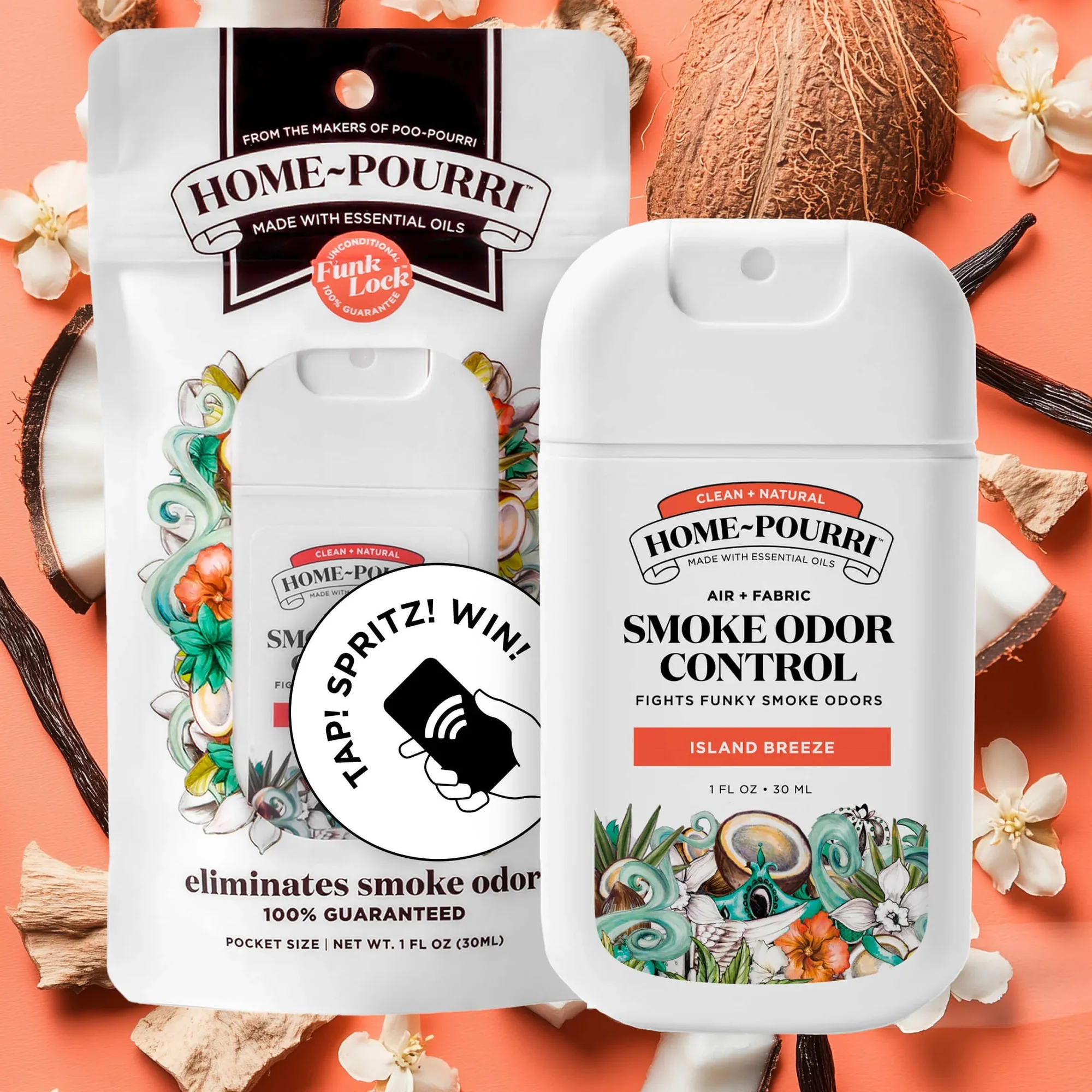
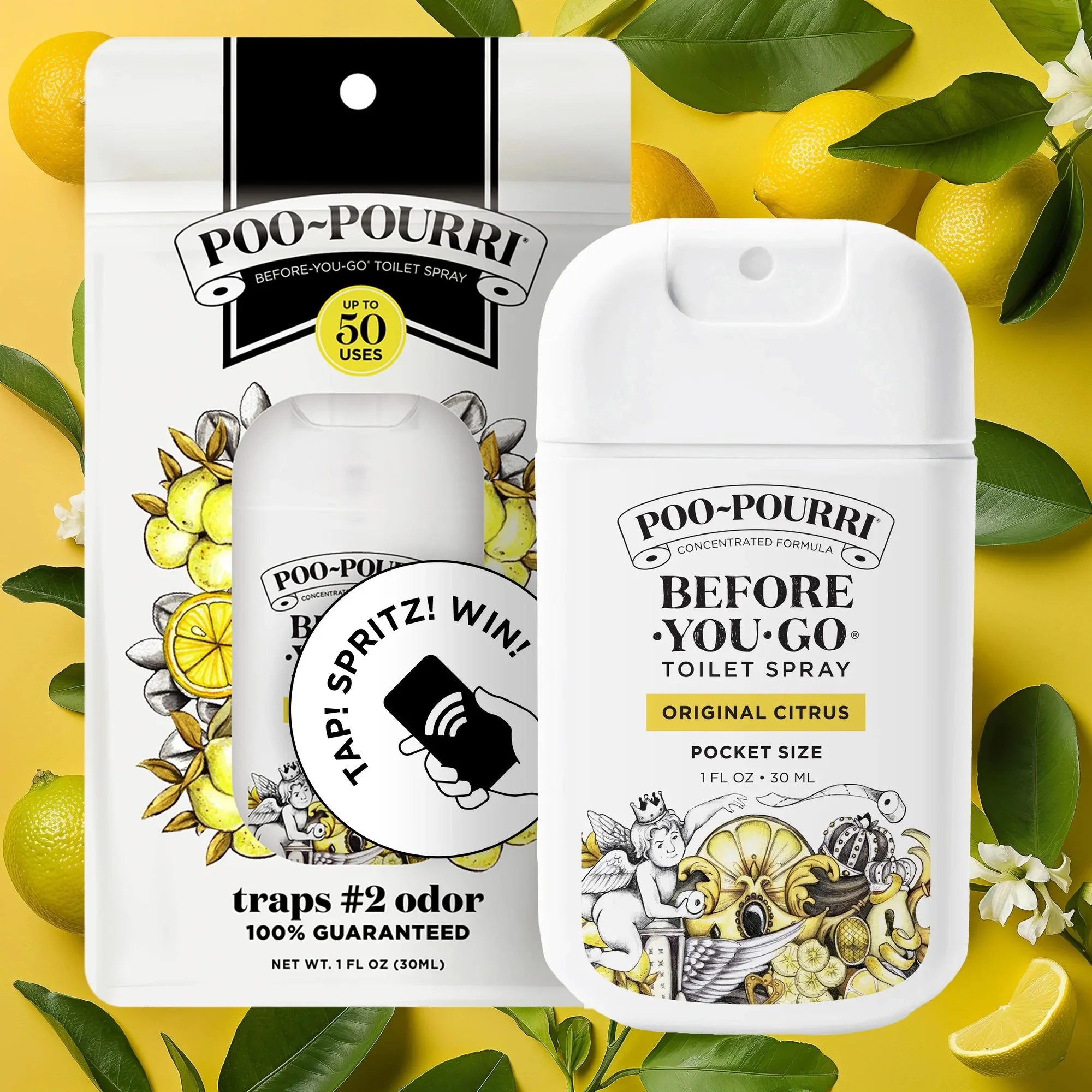
Not all sprays work the same way. Air sprays like Bamboo Rain are built for instant freshness in a room and on fabrics—good for living spaces where the odor is diffuse. Pocket sprayers like the Smoke Odor Control Island Breeze are sized for targeted hits: a litter box corner, a crate, a car seat after a vet visit. And toilet sprays like the Special Edition Original Citrus Pocket Sprayer trap odor under the water's surface before it enters the air, which makes them useful at the litter box transition point if you're dealing with a cat litter area smell that escapes the box. Use the smallest tool that solves the problem.
A simple weekly routine
Scoop litter daily and spray the box exterior and floor. Wash pet bedding weekly, then mist between washes. Spray enclosed rooms and entryways once a week or after humid days. If odor returns within a day, the source is deeper than spray can reach—check for soaked carpet padding, unsealed grout, or a vet issue. At that point, stop spraying and address the material or the health question directly.
Diagnose before you spray
- Odor hits you at the litter box: The smell is strongest within a few feet of the box and fades across the room. That points to surface residue on the box rim and surrounding floor, not airborne odor. Spray the exterior and floor after scooping. If it returns within hours, the litter itself or the box material needs replacing.
- Odor clings to a couch or bed: The smell stays in the fabric even when the pet is elsewhere. Oils have bonded to the fibers and reactivate with warmth or humidity. Mist lightly with a fabric-safe spray, then wash what's washable. If the cushion foam is soaked, spray won't reach it—clean or replace the foam.
- Odor appears only in humid weather: Damp air pulls old residue out of grout, carpet padding, or baseboards. Spraying the air gives temporary relief but doesn't remove the stored source. Treat the material directly or run a dehumidifier. If the smell persists after both, the source is likely inside a wall or subfloor—call a professional.
Products that fit this routine
- Smoke Odor Control Island Breeze Pocket Sprayer: Smoke Odor Control Island Breeze Pocket Sprayer is made with essential oils and formulated to freshen smoke odors, with a 100% guarantee. Its pocket size and odor-targeting formula make it practical for spot-treating litter box exteriors, crates, and car seats where pet odor concentrates.
- Bamboo Rain - Home~Pourri Room Spray: Bamboo Rain - Home~Pourri Room Spray works in the air and on fabrics and is made with essential oils. The dual air-and-fabric action suits pet beds, blankets, and living-room upholstery where you need light coverage without soaking the material.
- Special Edition Original Citrus Pocket Sprayer - Poo~Pourri Toilet Spray: Special Edition Original Citrus Pocket Sprayer traps bathroom odor under the water's surface before it enters the air. That under-the-surface trapping mechanism is useful at the litter box transition point, where odor rises from the box into the room.