Quick answer
Start with a soft-flex grooming brush for puppies and keep the first session under two minutes. Brush one small area while your puppy is calm, then stop before they pull away. Pair this with treats and repeat daily until brushing feels normal.
Set up a low-stress grooming spot
Choose a quiet room with a non-slip surface. Place a towel or mat where your puppy normally relaxes, and keep treats within reach. Avoid the bathroom if it echoes or feels cold. The goal is to make the brush appear as part of a familiar routine, not a new event. If your puppy already has a favorite chew toy, bring it to the session. A calm environment does more for anxious dogs than any single brush stroke.
Choose the right brush for a first grooming session
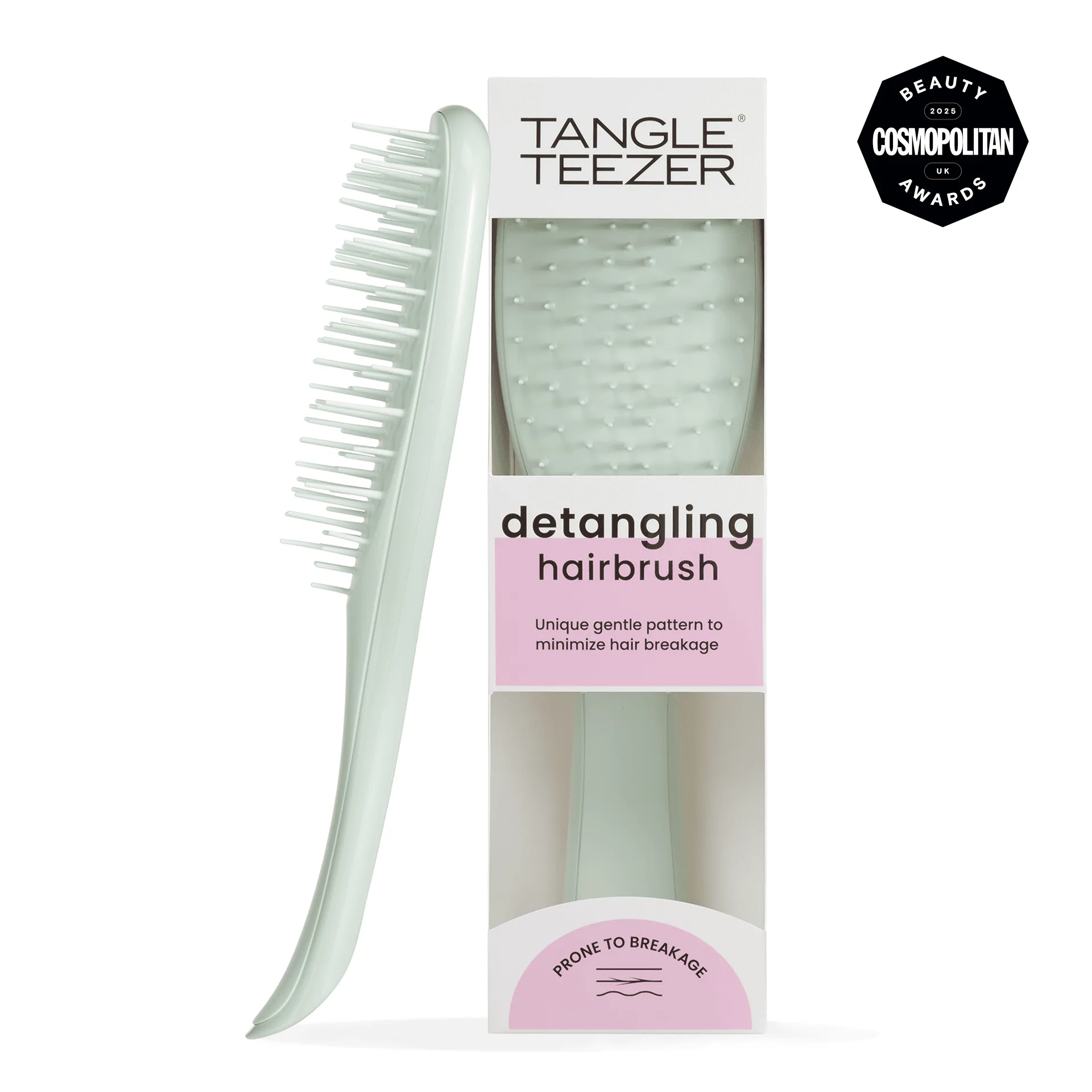
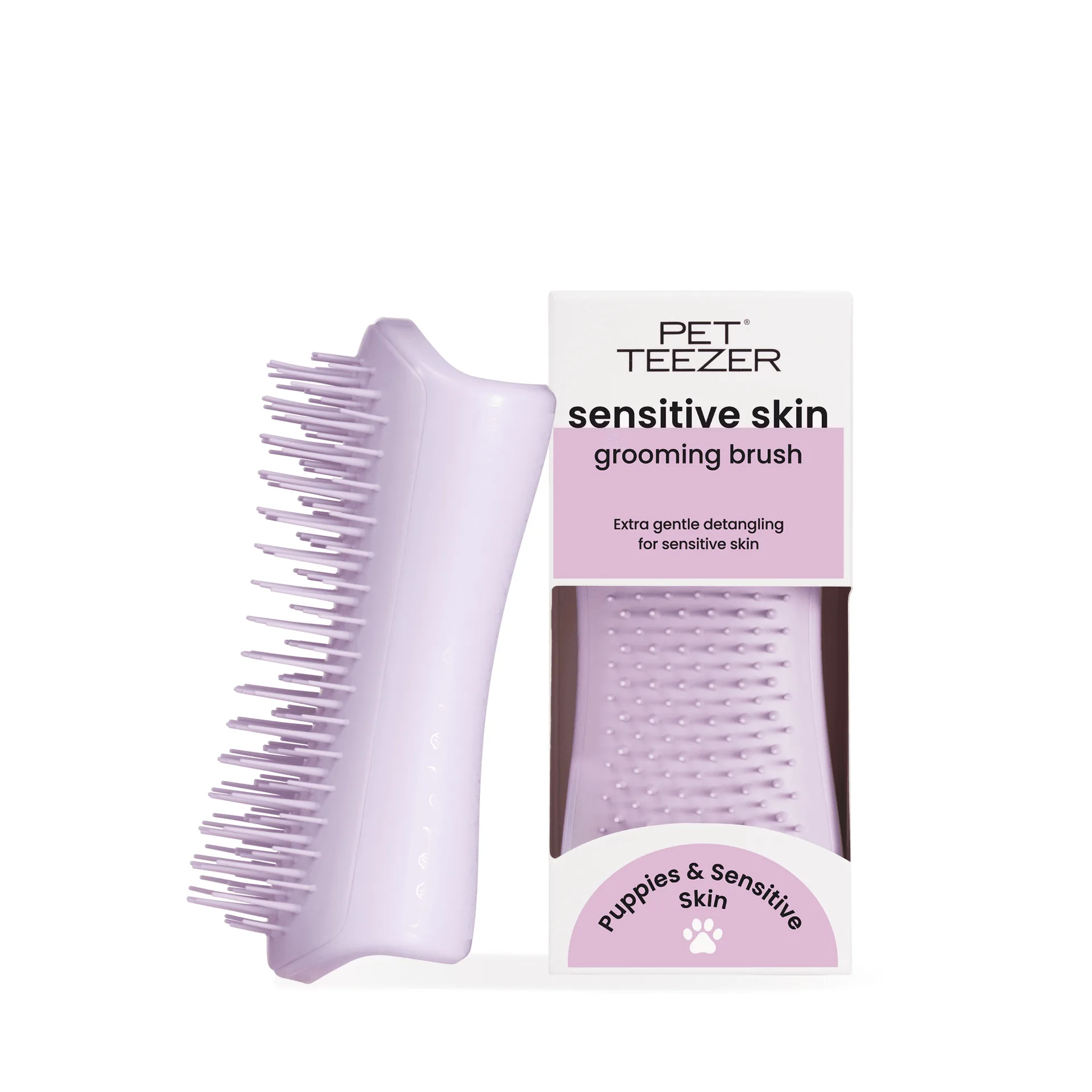
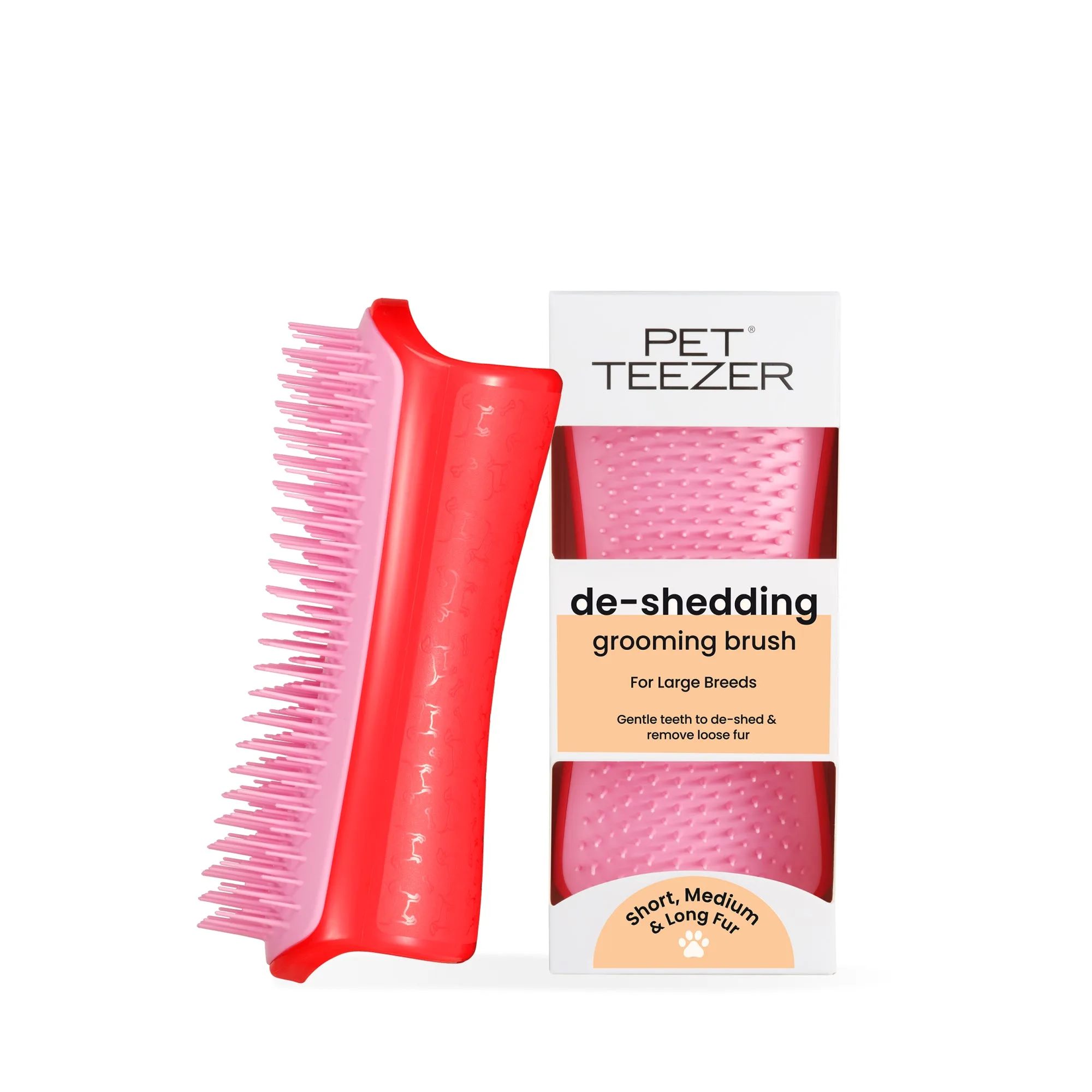
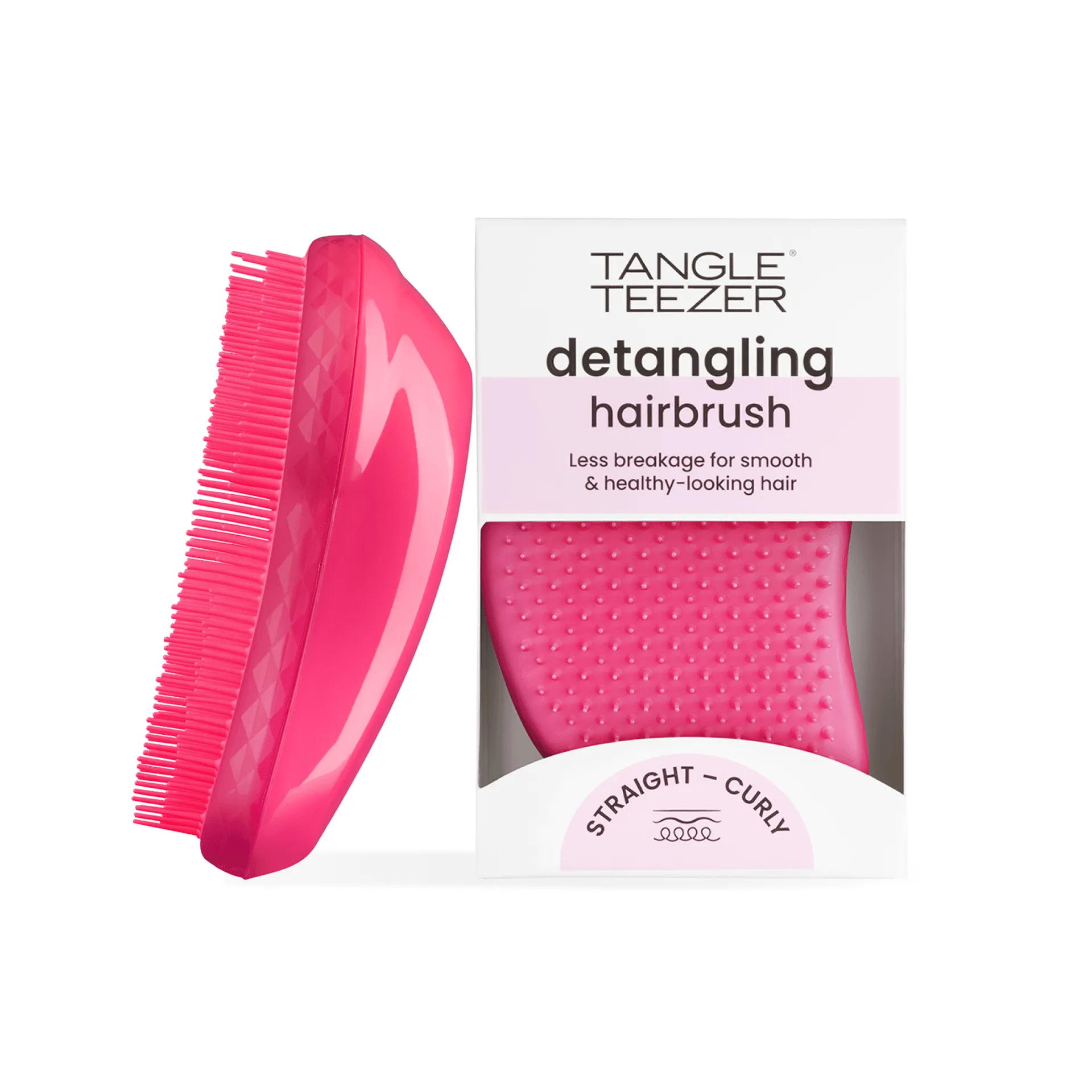
A gentle dog brush for nervous pets should have soft, flexible teeth that glide rather than scrape. For puppies under six months or dogs with sensitive skin, the Puppy Brush is designed with soft-flex teeth that deliver gentle strokes without irritation. It can be used on wet or dry hair, so you can start on a dry coat and later use it during bath time. If your puppy has a double coat and you are already thinking about shedding, the De-shedding Dog Grooming Brush uses two-tiered teeth to reach the undercoat, but it is better saved for after your puppy is comfortable with a softer brush. The Original Plant Brush is a human hairbrush, not a pet tool, so keep it for your own hair.
The Original
Use treats and timing to build trust
Offer a treat before you pick up the brush, not only after. This changes the order of events so the brush predicts something good. Keep the first three sessions to 30–60 seconds. If your puppy freezes, yawns, or tries to mouth the brush, end the session immediately and try again later. Short, frequent sessions work better than one long session. A puppy detangling brush should never be forced through mats; if you feel resistance, stop and use your fingers to gently separate the hair first.
Step-by-step first grooming routine
- Let your puppy sniff the brush: Place the brush on the floor and let your puppy approach it. Reward any calm curiosity with a treat. Common mistake: holding the brush behind your back or forcing it into their face. Checkpoint: your puppy looks at or touches the brush without backing away.
- Brush one small area for 10 seconds: With your puppy standing or sitting calmly, brush along the back or shoulder for 10 seconds using slow, gentle strokes. Common mistake: brushing the tail, paws, or face first, which are more sensitive areas. Checkpoint: your puppy stays in place and does not try to mouth the brush.
- Pause and reward: Stop brushing, offer a treat, and let your puppy move away if they want. This teaches them that the brush leads to good things. Common mistake: continuing to brush while your puppy is trying to leave. Checkpoint: your puppy returns to you after the treat, showing they are not afraid.
- Repeat daily, adding one new area: Each day, brush the same spot plus one new area, such as the chest or hindquarters. Keep sessions under two minutes. Common mistake: trying to brush the whole dog in one session. Checkpoint: after a week, your puppy stays relaxed for a full minute of brushing.
- Gradually switch to a de-shedding brush if needed: Once your puppy is comfortable with the Puppy Brush, you can introduce the De-shedding Dog Grooming Brush for double coats. Use it on dry hair and follow the same short-session rule. Common mistake: using the de-shedding brush on a puppy under six months without checking with your vet. Checkpoint: your puppy accepts the new brush without increased anxiety.
Product facts
- Puppy Brush: Soft-flex teeth glide through fur delivering the gentlest of brush strokes without any irritation. Ideal for puppies and dogs with sensitive skin, reducing the risk of fear during first grooming.
- De-shedding Dog Grooming Brush: Patented two-tiered teeth technology: longer teeth gently remove dirt and reach the undercoat, shorter teeth pick up loose hair. Useful for double-coated dogs once your puppy is comfortable being brushed, as it tackles shedding without harsh scraping.