Quick answer
To pick a read-aloud picture book kids will ask for again, focus on three things: a story that respects their attention span, humor that lands for both of you, and a message that sparks conversation without feeling like a lesson.
Why story length matters more than page count
A picture book can have 32 pages but still feel too long if the text drags. For read-alouds, aim for books where the text per page is short enough to keep a child’s gaze on the illustrations while you read. Books in the Food Group series, like The Smart Cookie and The Couch Potato, balance concise text with expressive art, making them easy to finish in one sitting.
Humor that works for kids and grown-ups
The best read-alouds have jokes that land on two levels: a silly pun a child can giggle at and a clever wink the adult reader appreciates. The Couch Potato leans into wordplay (pal-tato, best spuddy) that feels fresh without being too complex. If a book makes you smile while reading it aloud, your child will pick up on that enjoyment.
Message vs. moral: the subtle difference
A heavy-handed moral can kill the magic of a read-aloud. Instead, look for books that embed a message inside a character’s journey. The Smart Cookie explores what it means to be smart beyond test scores, but it does so through the cookie’s own discovery, not a narrator telling the reader what to think. That keeps the conversation open-ended after the last page.
Your read-aloud decision rules
- Check the read-aloud time: Flip through the book and read a few pages aloud. If you can finish it in 5–8 minutes without rushing, it's a good length for preschoolers to early elementary.
- Look for layered humor: Scan for wordplay, funny illustrations, or situations that amuse both ages. If you find yourself smiling, your child likely will too. A book that makes you laugh aloud during a test read is a keeper.
- Identify the message, not the moral: Ask: Does the character learn something through experience, or is the lesson told to them? The former invites discussion; the latter shuts it down.
Two read-aloud examples from the Food Group series
-
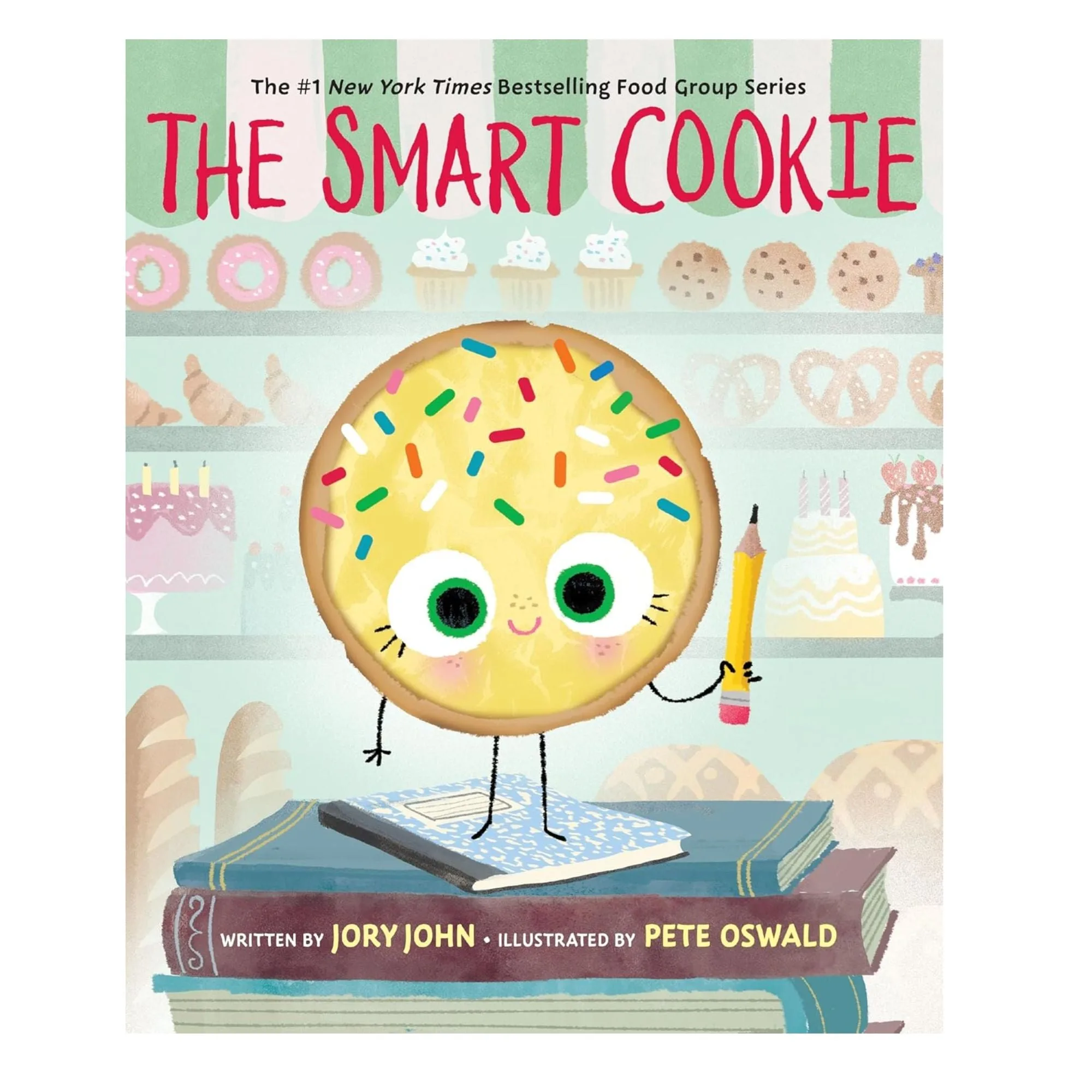
HarperCollins - The Smart Cookie: The Smart Cookie is a #1 New York Times bestseller about a cookie who learns that perfect scores aren't the only measure of intelligence. This story encourages kids who feel pressure to perform academically, showing that creativity and confidence are equally valuable.
HarperCollins - The Smart Cookie
-
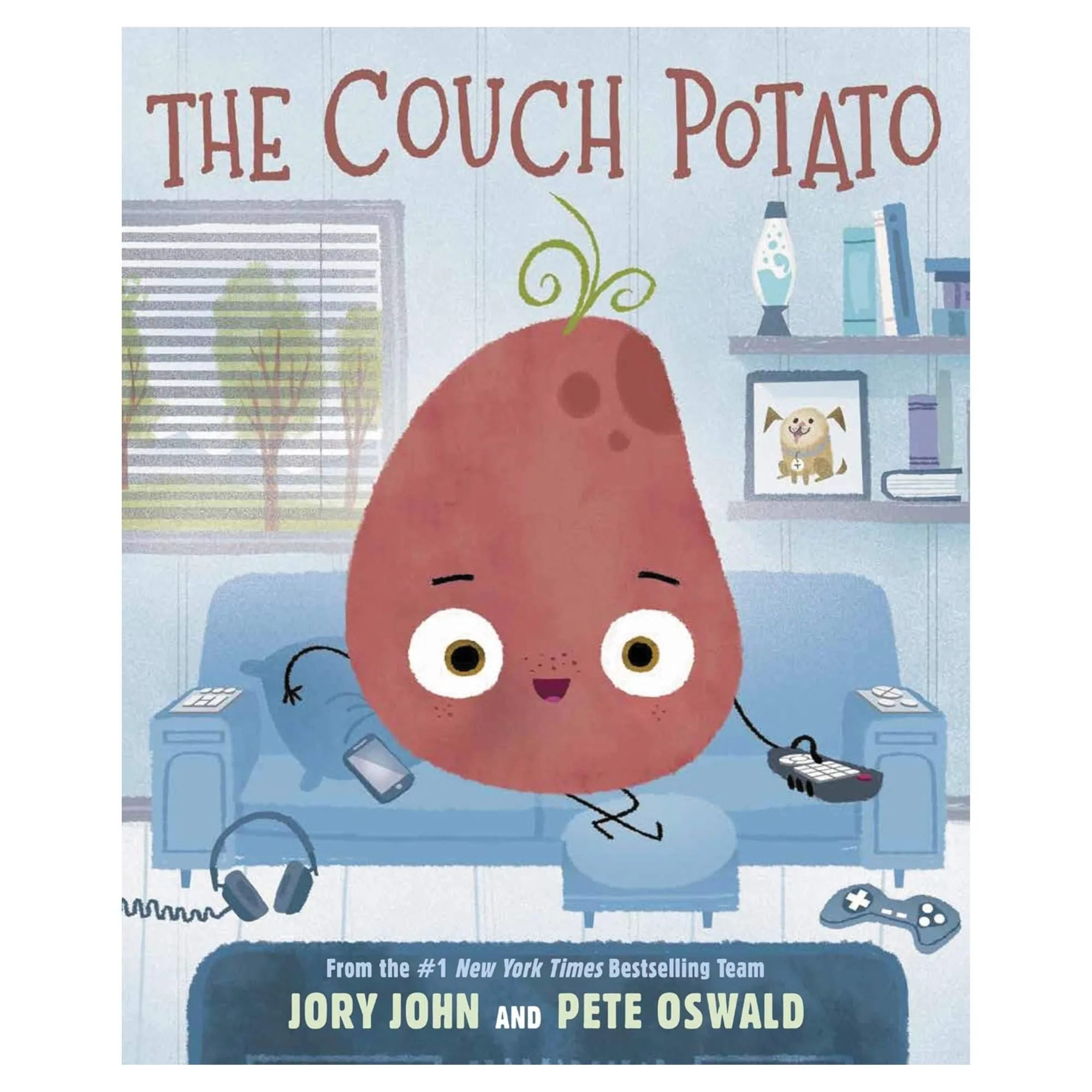
HarperCollins - The Couch Potato: The Couch Potato is a #1 New York Times bestseller where a potato forced outside discovers the joy of fresh air and old-school fun. It gently nudges screen-heavy routines without being preachy, making it a relatable pick for families trying to balance indoor and outdoor play.
HarperCollins - The Couch Potato
Finding the right fit
Best for
- Families who want read-alouds that spark conversation about feelings and self-worth
- Kids ages 4–8 who enjoy playful characters and gentle humor
Not for
- Very early toddlers (under age 3) who need simpler, shorter text with fewer words per page