Quick answer
Choose PIED DE SOL rental when you need a low, stable support base for lighting in a tight studio or on a crowded set. A tripod is the better choice when you need adjustable height or a compact footprint for travel.
Why a low floor stand changes your lighting setup
A floor stand for photography sits close to the ground, so it can slide under low objects, sit beside furniture, or hold a light at ankle-to-knee height without a tall column in the frame. That low profile is useful for uplighting a backdrop, adding a subtle fill from below, or placing a practical light near the floor.
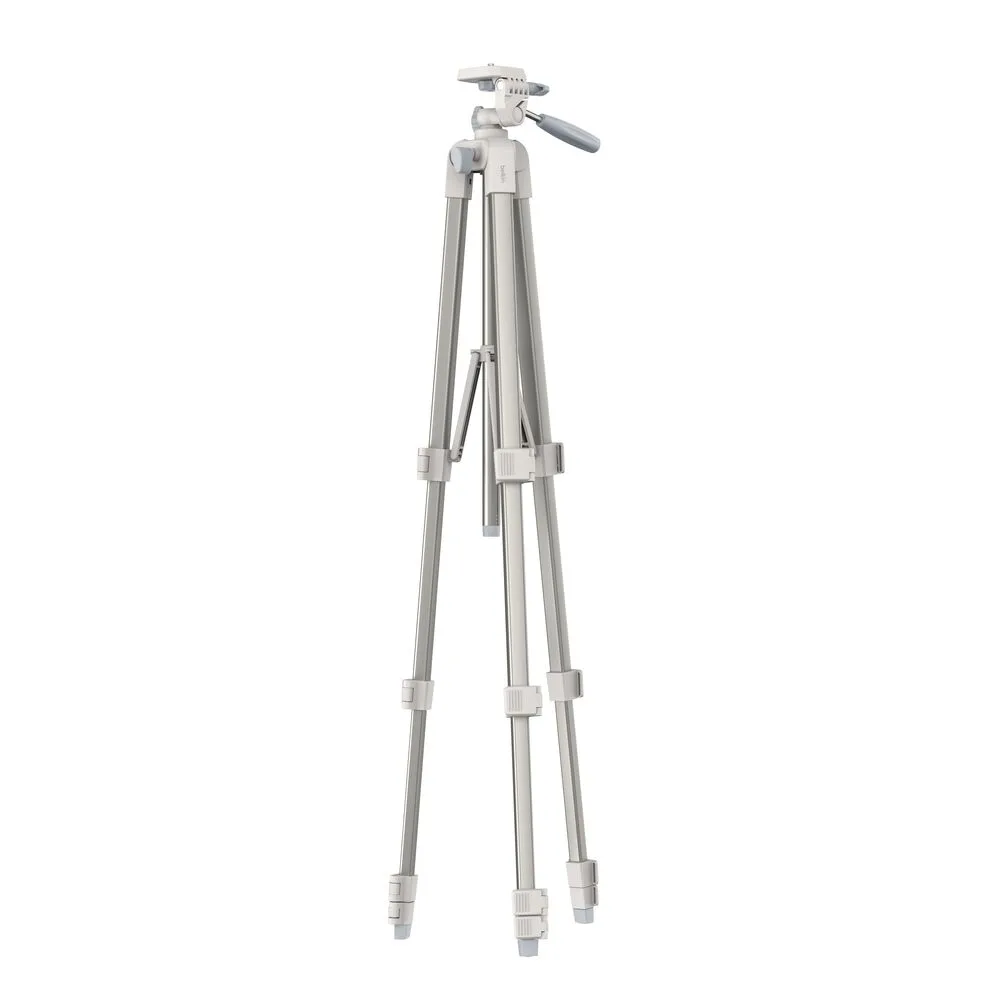
Tripods are built for height and portability, but their legs spread wide and their center column adds visual clutter in tight rooms. When the shot calls for a light that stays out of sight and out of the way, a low floor stand use case is often cleaner than forcing a tripod into a small gap.
The trade-offs you accept with a floor stand
A floor stand is not a height-adjustable light stand. If you need to raise a softbox above head height or change elevation during a shoot, a tripod or traditional stand is the right tool. The PIED DE SOL has a fixed height of 0.09 m, so plan your light position around that low working height rather than expecting to adjust it.
Weight capacity also matters. The PIED DE SOL is rated to 15 kg, which covers many small to mid-size lights and modifiers, but you should check the combined weight of your fixture and any attached accessory before renting. A tripod may offer a higher load rating and more mounting flexibility, so match the support to the actual load, not just the footprint.
When a tripod still makes more sense
If your shot requires a light at eye level or above, or if you are moving between locations and need one support that collapses into a bag, a tripod is more practical. Floor stands are best treated as a specialized base for low, static positions rather than a universal replacement.
On sets where floor space is tight but height is not needed, the PIED DE SOL rental can replace a tripod and free up room for crew and camera movement. That is the core of choosing a floor stand: decide whether low height is an advantage or a limitation for the shot.
Decision rules for choosing a floor stand or tripod
- Match the support to the required light height: If the light must sit below knee height, choose a floor stand such as PIED DE SOL rental. If the light needs to be at chest height or above, choose a tripod or adjustable stand. Measure the desired light height before you book either support.
- Check the load against the rated capacity: Add the weight of the light and any modifier, then compare it with the support's maximum load. The PIED DE SOL is rated to 15 kg, so confirm your combined rig stays under that figure before renting. Weigh the fixture and modifier together, not just the light head.
- Use footprint to decide in tight spaces: A 0.60 m base gives you a predictable footprint for planning walkways and camera positions. If the room cannot spare that much floor space, a tripod with a narrower leg spread may fit better, even if it is taller. Tape out the footprint on the studio floor before the shoot day.
- Choose based on whether the position is static: For a fixed low light that stays put during the shot, a floor stand is simpler and less obtrusive. If you need to raise, lower, or move the light repeatedly, a tripod or rolling stand saves time. List every height change you expect before deciding.
Product facts
-
PIED DE SOL: PIED DE SOL is a rental lighting support base with a 0.09 m height, a 0.60 m footprint, and a maximum load of 15 kg. The low height and load rating make it a practical choice for stable, low-profile lighting when you do not need adjustable elevation.
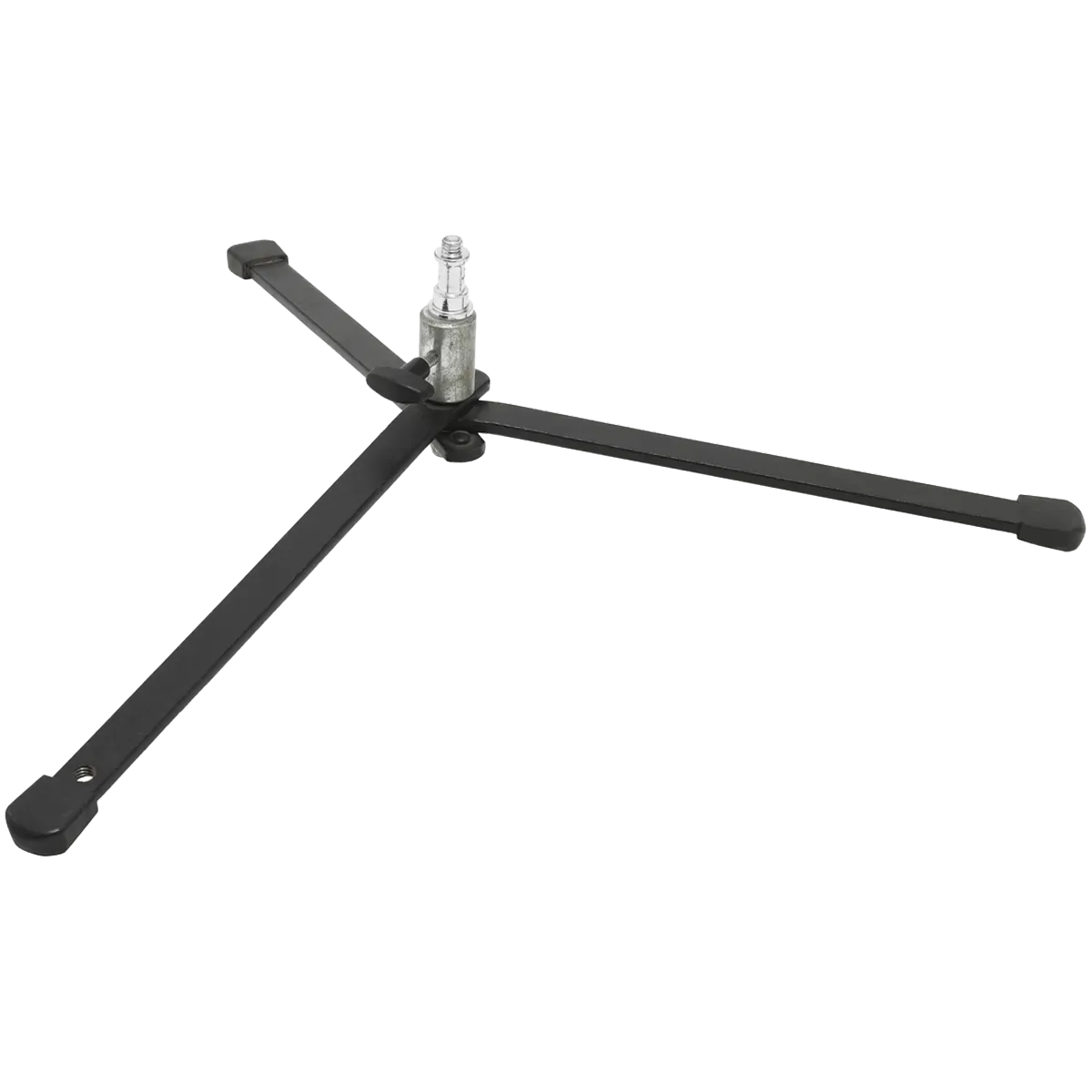
PIED DE SOL
Who should choose a floor stand
Best for
- Studio shoots that need a low, stable light position near the floor
- Tight sets where a tripod's legs and column would intrude on the frame or walkway
- Photographers uplighting a backdrop or adding a subtle low fill
Not for
- Shoots that require adjustable light height above knee level
- Travel or location work where one collapsible tripod must cover every position
- Rigs whose combined light and modifier weight exceeds 15 kg