Quick answer
Choose a pillow protector that matches your allergy needs, moisture concerns, and pillow size. For most sleepers, a breathable, waterproof option like the Ultra-Tech Pillow Protector offers the best balance of protection and comfort.
Why a pillow protector is different from a pillowcase
A pillowcase is for comfort and style. A pillow protector is a removable barrier that goes under the pillowcase to guard against dust mites, allergens, bacteria, and spills. It adds years to your pillow's life and keeps it hygienic.
If you have allergies or asthma, a quality pillow protector is essential. It blocks the microscopic particles that trigger symptoms, something a standard pillowcase cannot do.
Waterproof vs. breathable: which do you need?
Waterproof protectors are ideal if you have young children, pets, or tend to sweat heavily at night. They stop liquids from soaking into the pillow core. However, some waterproof fabrics can trap heat or feel crinkly.
Breathable protectors focus on airflow and comfort. They wick moisture away but may not fully block spills. The best compromise is a protector with a waterproof top layer and a breathable backing, like the Ultra-Tech Pillow Protector's combination of a waterproof top fabric and a polyester/rayon bamboo blend gusset and bottom.
Size and fit matter more than you think
A loose protector shifts and bunches, ruining your sleep surface. A too-tight one can stress seams or fail to cover the pillow entirely. Always measure your pillow's length, width, and thickness before buying.
Many protectors come in standard, queen, and king sizes, but adjustable pillows (like those from Coop Sleep Goods) often have a higher loft. Look for a protector with a deep gusset or an adjustable fit option to accommodate thicker pillows.
Your 3-step decision rules
- 1. Identify your primary need: Allergy protection: Choose a protector with a high-density woven fabric or a waterproof barrier. Moisture protection: Go for a fully waterproof top layer. Comfort priority: Pick a breathable, noiseless fabric like bamboo or cotton.
- 2. Match the size and closure: Measure your pillow's dimensions (including loft). Look for a protector with a zipper or envelope closure that fits snugly. For adjustable pillows, a deep gusset (at least 4–6 inches) is key. A well-fitted protector prevents bunching and extends pillow life.
- 3. Check care and certifications: Choose a protector that is machine washable and dryer safe for easy cleaning. Look for OEKO-TEX or similar certifications to ensure no harmful chemicals are used. Wash your protector every 1–2 months to maintain hygiene.
Product spotlight
-
Ultra-Tech Pillow Protector: The Ultra-Tech Pillow Protector uses a breathable and waterproof Ultra-Tech Fabric top, with a polyester/rayon bamboo blend gusset and bottom. It is STANDARD 100 by OEKO-TEX certified and machine washable. This design keeps dust, bacteria, and liquid out while remaining quiet and breathable, making it suitable for allergy sufferers and hot sleepers alike.
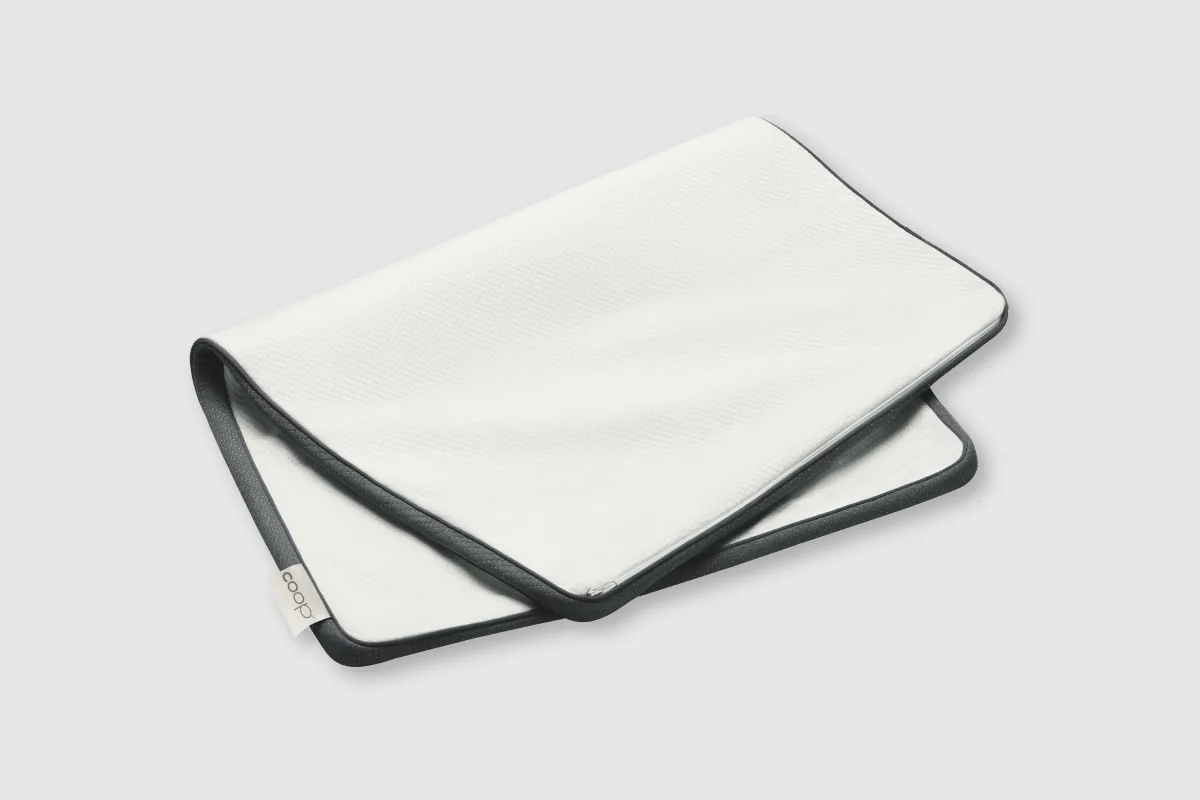
Ultra-Tech Pillow Protector
Who should buy what
Best for
- Allergy sufferers who need a dust-mite barrier
- Side and stomach sleepers who want a slim, low-profile protector that doesn't change pillow feel
- Hot sleepers who prefer breathable, waterproof options like the Ultra-Tech Pillow Protector
Not ideal for
- People who never spill liquids or sweat and prioritize maximum breathability over waterproofing
- Those with very thick or custom-shaped pillows that exceed standard protector gusset depths