If you’ve ever tried to slide a homemade pizza onto a hot baking surface, you know the struggle: the dough sticks, the toppings shift, and the crust ends up misshapen. That’s where pizza tools come in. Two of the most common accessories are the pizza peel and the pizza stone. But what exactly does each do, and do you really need both?
In this guide, we’ll compare pizza peels and pizza stones, explain their unique roles, and help you decide which one—or both—deserves a spot in your kitchen. Whether you’re a weekend pizza maker or a serious home baker, understanding these tools will level up your pizza game.
What Is a Pizza Peel?
A pizza peel is a flat, paddle-like tool with a long handle. It’s used to transfer pizzas in and out of a hot oven without burning your hands. The board is typically made of wood, metal, or composite materials, and it comes in various sizes and shapes. The long handle keeps you at a safe distance from the heat, while the thin, flat surface allows you to slide under the pizza effortlessly.
Pizza peels are essential for launching and retrieving pizzas from a pizza stone or a baking steel. They also work well for other baked goods like bread, flatbreads, and even pastries. Some peels have a perforated surface to reduce sticking, while others have a solid surface for easier sliding. The choice depends on your baking style and the type of crust you prefer.
- Use a wooden peel for launching – it absorbs moisture and helps the dough slide off easily.
- Use a metal peel for retrieving – it’s thinner and can slide under the pizza without disturbing the toppings.
What Is a Pizza Stone?
A pizza stone is a thick, flat slab of stone, ceramic, or cordierite that you place in your oven. It absorbs and radiates heat evenly, mimicking the floor of a professional pizza oven. The stone’s porous surface also wicks away moisture from the dough, resulting in a crispier crust with a better rise.
Using a pizza stone requires preheating – you place it in a cold oven and heat it to the desired temperature, usually at least 30 minutes. Once hot, you slide the pizza onto the stone using a peel. The stone’s high heat cooks the bottom of the crust quickly, while the oven’s ambient heat cooks the top. This combination creates that perfect balance of crispy and chewy.
- Preheat the stone for at least 30 minutes to ensure it reaches the correct temperature.
- Never place a cold stone on a hot surface – thermal shock can crack it.
Pizza Peel vs Pizza Stone: Key Differences
The main difference is that a pizza peel is a tool, while a pizza stone is a cooking surface. The peel helps you move the pizza, and the stone helps you cook it. They serve different purposes, but they often work together to achieve the best results.
If you’re new to pizza making, you might wonder whether you need both. The short answer is: it depends on your setup. If you plan to bake directly on an oven rack, you only need a peel to get the pizza in and out. But if you want a crispy crust, a stone is essential, and a peel becomes necessary to transfer the pizza onto the hot stone safely.
- Pizza peel: a flat paddle for transferring pizza – essential for any pizza baking.
- Pizza stone: a heat-retaining slab for baking – optional but recommended for crispier crusts.
- They complement each other – the peel launches the pizza onto the stone, and then retrieves it once baked.
Do You Need a Pizza Peel if You Have a Pizza Stone?
Yes, you absolutely need a pizza peel if you have a pizza stone. Without a peel, it’s nearly impossible to slide a raw pizza onto a preheated stone without tearing the dough or scattering the toppings. The peel acts as a flat, flexible carrier that lets you transfer the pizza quickly and safely.
Some people try to use a baking sheet instead of a peel, but that’s not ideal. A baking sheet is too thick and doesn’t slide under the pizza easily. It also takes up space and can cause the pizza to stick. A dedicated peel is designed to be thin and smooth, making the transfer effortless. If you’re serious about pizza, investing in a good peel is worth it.
- Alternatives like a baking sheet or a piece of cardboard can work in a pinch, but they’re less effective.
- A peel with a long handle is safer – it keeps your hands away from the heat.
Pizza Peel vs Pizza Paddle: Are They the Same?
The terms 'pizza peel' and 'pizza paddle' are often used interchangeably. Both refer to the same tool: a flat, long-handled board used to move pizzas. In some regions, 'paddle' is more common, but the function is identical. So if you see a 'pizza paddle' in a store, it’s the same thing as a peel.
When choosing between a peel and a paddle, consider the material and size. Wooden peels are traditional and great for launching, while metal peels are thinner and better for retrieving. Some peels have a perforated surface to reduce sticking, which can be helpful for beginners. Ultimately, the best choice depends on your personal preference and baking habits.
Pizza Peel Alternatives: When You Can Skip It
If you don’t have a pizza peel, you can use a few common household items as alternatives. A rimless baking sheet, a piece of cardboard, or even a cutting board can work in a pinch. However, these alternatives are less effective and can be frustrating to use, especially with sticky dough.
If you’re baking pizza on a regular baking sheet (without a stone), you don’t need a peel at all – you can assemble the pizza directly on the sheet and place it in the oven. But if you want to use a stone or a steel, a peel is almost indispensable. For occasional pizza makers, an alternative might suffice, but for regular pizza nights, a dedicated peel is a worthwhile investment.
- Rimless baking sheets are the best alternative – they have a similar shape and can slide under the pizza.
- Cardboard works for launching but not for retrieving – it can burn or bend.
- A cutting board can work if it’s thin and smooth, but it’s not ideal for high temperatures.
How to Choose the Right Pizza Peel and Stone
When choosing a pizza peel, consider the size of your oven and the pizzas you plan to make. A peel should be slightly larger than your pizza, but not so large that it’s unwieldy. Wooden peels are great for launching because they absorb moisture, but they can be thicker and harder to slide under a cooked pizza. Metal peels are thinner and more durable, but they can be slippery for launching.
For pizza stones, look for a material that can withstand high temperatures and distribute heat evenly. Cordierite is a popular choice because it’s highly resistant to thermal shock. The thickness of the stone also matters – thicker stones retain more heat and produce a crispier crust. A 1.5-inch thick stone is a good balance between heat retention and preheating time.
- If you’re a beginner, start with a wooden peel – it’s more forgiving with sticky dough.
- For a stone, choose one that fits your oven with at least 1 inch of space on all sides for air circulation.
Our Favorite Tools for Perfect Pizza
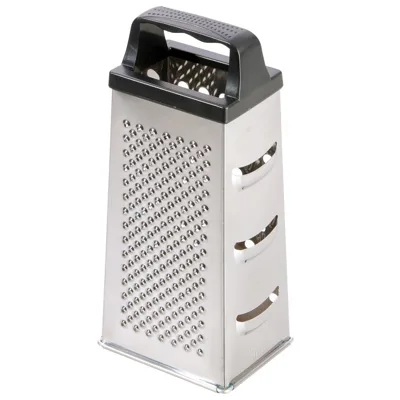
At Westmark, we offer a range of kitchen tools that can help you make pizza at home. For example, the grater-coarse-gallant-square-324900">Grater, coarse »Gallant Square« is perfect for shredding cheese for your pizza toppings. It’s sturdy and easy to use, making it a great addition to your pizza-making kit.
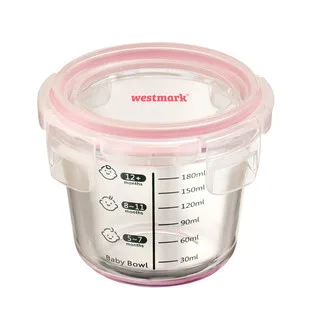
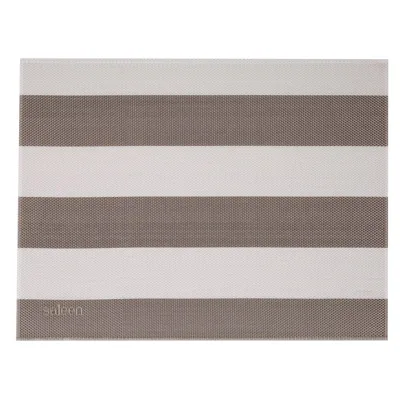
You also need a reliable way to serve your pizza. The Placemat »Stripes«, 42 x 32 cm, beige/white adds a stylish touch to your table and protects it from hot pans. And if you’re storing leftover pizza or prepping ingredients, the Glass food storage box »Baby Bowl«, 200 ml, round is perfect for small portions like sauce or toppings.
In the debate of pizza peel vs pizza stone, both tools have their place in the kitchen. A peel is essential for transferring pizza, while a stone elevates the crust to professional quality. If you’re just starting, a peel is a must-have, and a stone is a worthy upgrade. Explore our selection of kitchen tools and accessories to find everything you need for your next pizza night.