Quick answer
For most people, plant protein is gentler on digestion because it naturally avoids lactose and often includes prebiotic fiber. Whey can cause bloating or discomfort if you are lactose intolerant, but grass-fed whey blends may be easier to tolerate. The best choice depends on your individual tolerance and dietary needs.
Why digestion matters in protein powders
Digestion issues like bloating, gas, or stomach upset are common complaints with protein powders. The culprit is often lactose (found in whey) or certain artificial additives. Plant-based proteins generally sidestep lactose, but they can still cause issues if they contain high-fiber ingredients that your gut isn't used to.
When comparing plant protein vs whey for digestion, the key difference is the source. Whey is a dairy derivative, so anyone with lactose intolerance may experience discomfort. Plant proteins are lactose-free by nature, making them a safer bet for sensitive stomachs. However, not all plant proteins are created equal—some include added prebiotic fiber that can support gut health, while others may use less digestible protein isolates.
What the ingredients say about gut health
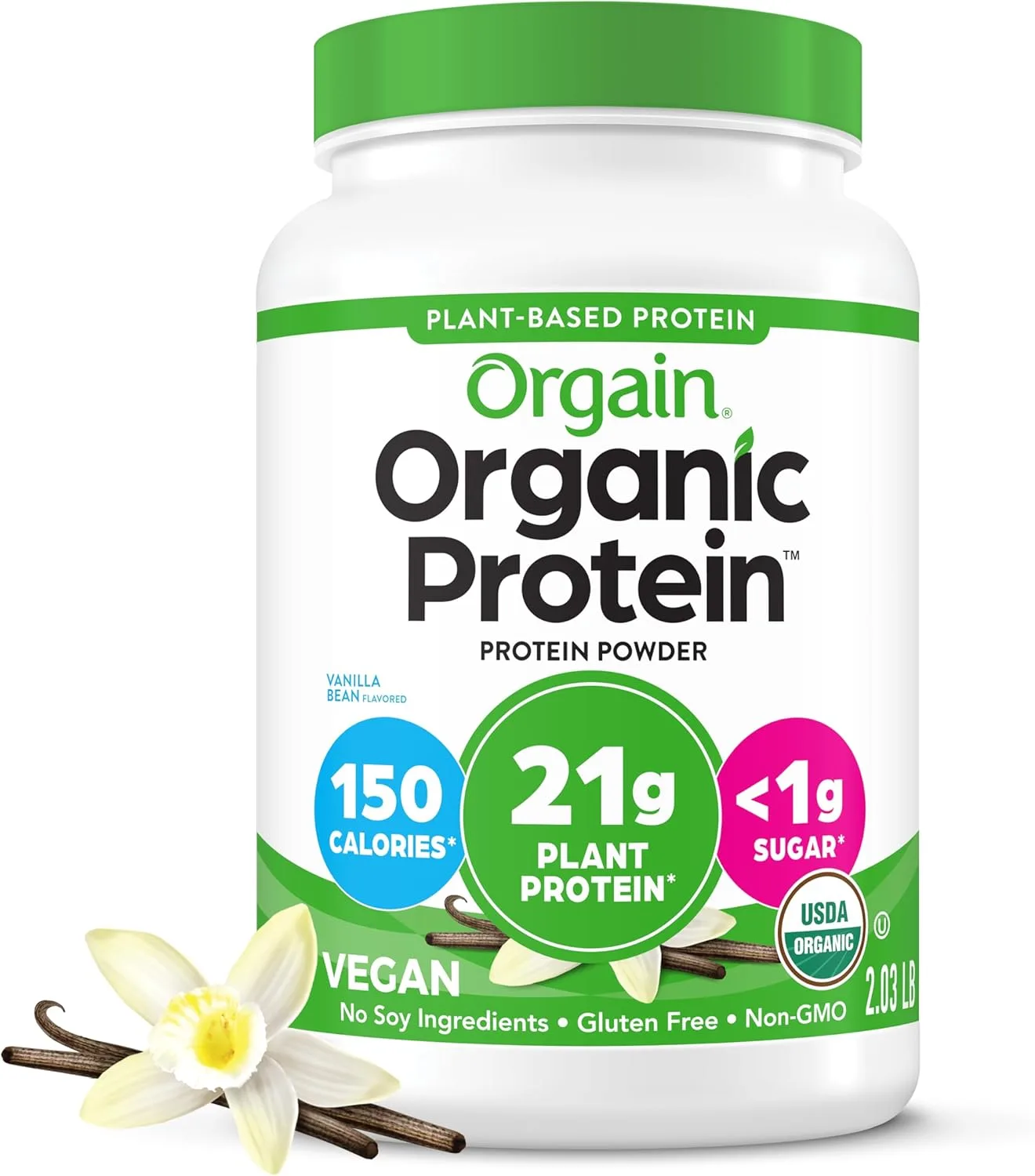
Take Orgain Organic Vegan Protein Powder as an example. It contains 21 grams of plant protein and 6 grams of prebiotic fiber per serving. Prebiotic fiber feeds beneficial gut bacteria, which can improve digestion over time. It also has no lactose ingredients and no added sugar, which reduces the risk of bloating. This makes it a strong choice for anyone prioritizing gut health.
On the whey side, the Roasted Peanut Butter Chocolate Protein Powder from optimumnutrition combines 100% grass-fed whey with organic plant proteins. Grass-fed whey is often better tolerated than conventional whey because it contains higher levels of certain nutrients and may be less processed. Still, it is not lactose-free, so individuals with severe lactose intolerance may still react.
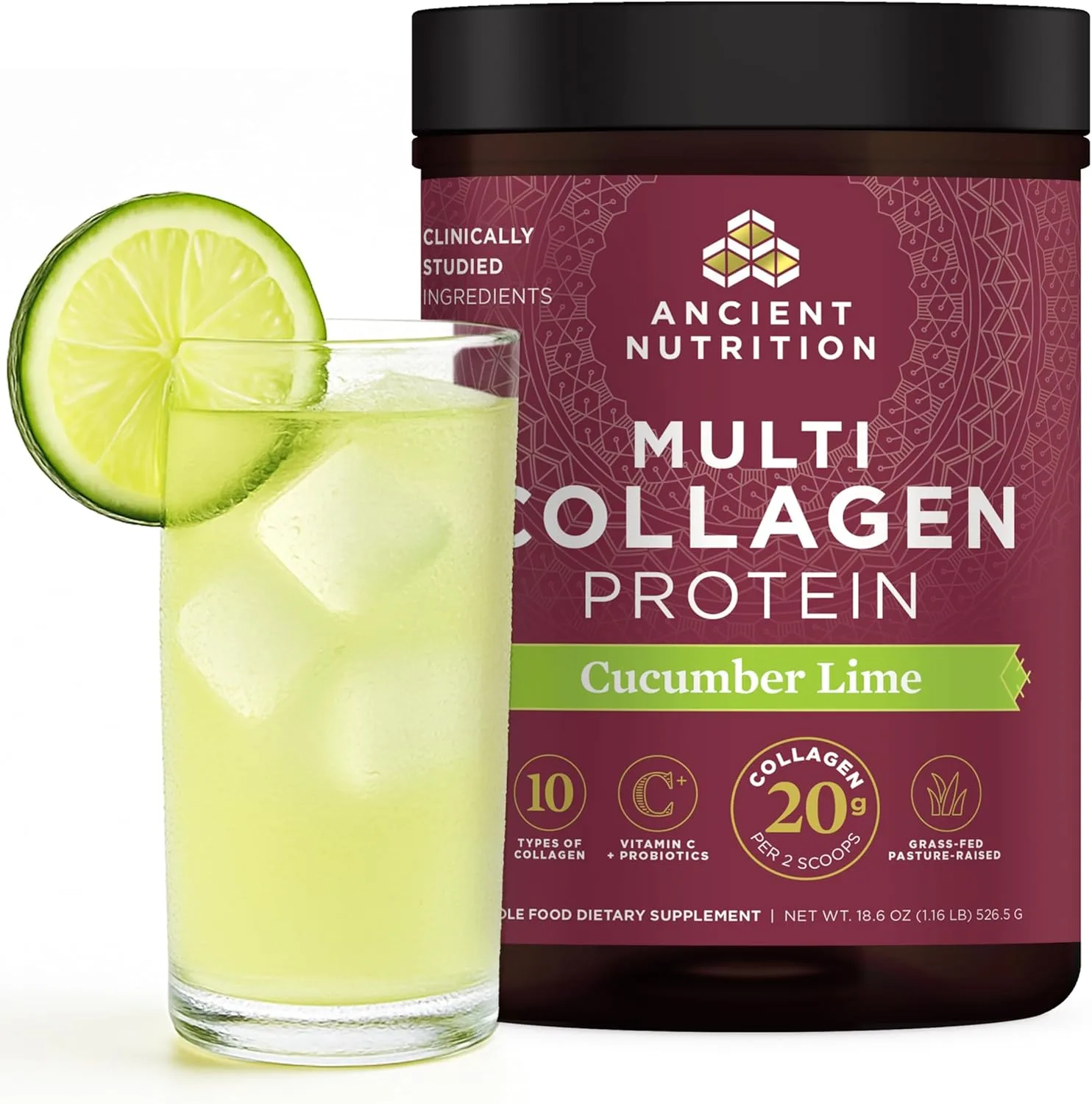
Collagen peptides, like those from Ancient Nutrition, offer a different digestion profile. They are hydrolyzed, meaning they are broken down for easier absorption, and they include Vitamin C and probiotics. Probiotics directly support gut health, but collagen lacks the complete amino acid profile of whey or plant protein, so it is best used as a supplement rather than a primary protein source.
The verdicts
- Claim: Plant protein is always better for digestion than whey.: Verdict: Mostly true, but not for everyone. Plant protein is lactose-free and often contains prebiotic fiber, which supports gut health. However, some people digest whey perfectly fine, especially if they choose a grass-fed or hydrolyzed option. If you are lactose intolerant, plant protein is the safer choice. If not, whey can be just as digestible.
- Claim: Whey protein causes bloating in everyone.: Verdict: False. Bloating from whey is usually due to lactose intolerance. Many people tolerate whey well, especially when it is from grass-fed sources or combined with plant proteins. The Roasted Peanut Butter Chocolate blend is an example of a hybrid that may reduce digestive issues. Try a small serving first to gauge your tolerance. If bloating occurs, switch to a plant-based option.
- Claim: Collagen peptides are the best protein for digestion.: Verdict: Misleading. Collagen is easy to digest because it is hydrolyzed, and added probiotics can help gut health. But it lacks key amino acids for muscle repair, so it should not replace whey or plant protein as your main source. Use collagen as a daily supplement for skin, joints, and gut, but pair it with a complete protein for muscle recovery.
Product facts
- Orgain Organic Vegan Protein Powder, Vanilla Bean - 21g Plant Protein, 6g Prebiotic Fiber, No Lactose Ingredients, No Added Sugar, Non-GMO, For Shakes & Smoothies, 2.03 lb (Packaging May Vary): Orgain Organic Vegan Protein Powder in Vanilla Bean delivers 21 grams of plant protein and 6 grams of prebiotic fiber per serving. It has no lactose ingredients, no added sugar, and is Non-GMO. Prebiotic fiber supports gut bacteria and regular digestion, making this a smart choice for anyone who experiences bloating or wants to improve digestive health.
- Roasted Peanut Butter Chocolate Protein Powder – 30-Serving Blend with 100% Grass-Fed Whey & Organic Plant Proteins – Rich Cocoa & Roasted Peanut Flavor – Supports Muscle Recovery & Energy*: Optimumnutrition Roasted Peanut Butter Chocolate Protein Powder is a 30-serving blend of 100% grass-fed whey and organic plant proteins, designed to support muscle recovery. The grass-fed whey may be easier on digestion than standard whey, but it still contains lactose. The addition of organic plant proteins can help balance the digestive load.
- Ancient Nutrition Collagen Peptides Powder, Multi Collagen Protein, Women & Men, Vitamin C, Probiotics, Hydrolyzed Collagen, Supports Skin, Joints, Gut Health, Vanilla, 60 Servings: Ancient Nutrition Collagen Peptides Powder is a multi-collagen protein formula with added Vitamin C and probiotics. It is hydrolyzed for easy mixing and absorption. Hydrolyzed collagen is gentle on the stomach, and the probiotics directly support gut health. However, it is not a complete protein, so it works best as a daily wellness boost rather than a meal replacement.