Quick Answer
For frequent games, 100% plastic playing cards last significantly longer than paper cards. Plastic resists bending, moisture, and marking, making them ideal for regular use. Paper cards wear at the edges and crease easily, so they are better for casual or disposable situations.
If you play cards weekly, you've probably noticed how quickly paper decks start to look tired. Bent corners, scuffed faces, and sticky surfaces can ruin a good game night. That's why many players wonder whether upgrading to plastic cards is worth it.
This comparison looks at the real differences between plastic and paper playing cards, focusing on durability for frequent play. We'll weigh the tradeoffs so you can choose the deck that fits your habits and budget.
What Makes Plastic Playing Cards Last Longer?
Plastic playing cards are made from PVC or similar materials, which gives them a distinct advantage in durability. They resist bending, tearing, and moisture, so they won't warp or stick after a spill. Unlike paper cards, plastic decks can handle repeated shuffling and dealing without showing wear at the edges.
For example, the Marion Red / Blue Rose Bridge Jumbo Index set features 100% plastic construction. This not only makes them durable but also easy to handle, even during long sessions. The jumbo index is a bonus for bridge players who want quick readability.
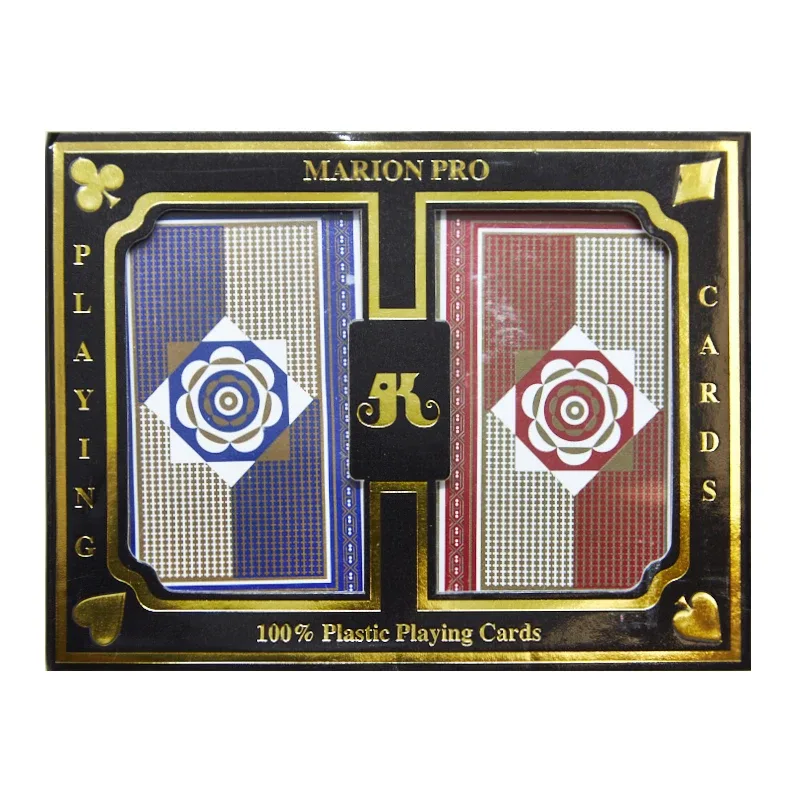
Marion Red / Blue Rose Bridge Jumbo Index
Plastic cards also stay cleaner because they don't absorb oils from your hands as readily. A quick wipe with a damp cloth can refresh them, which is a practical advantage for frequent use.
- Plastic cards resist bending and creasing better than paper.
- They are moisture-resistant and easy to wipe clean.
- They maintain their shape and finish over many games.
How Paper Playing Cards Wear Down
Paper playing cards are typically made from a paper core with a plastic coating. While this makes them cheaper, the coating can wear off over time, exposing the paper underneath. Frequent shuffling and dealing cause the edges to fray and the faces to become marked.
Moisture is another enemy of paper cards. A spilled drink can ruin a deck instantly, and even humid conditions can make them limp. If you play often, you may find yourself replacing paper decks every few months.
That said, paper cards have their place. They are inexpensive and come in many designs, making them great for casual games or parties where you don't mind losing a deck. But for a weekly game night, the cost of replacements can add up.
- Paper cards show edge wear and creasing after repeated use.
- They are susceptible to moisture and humidity damage.
- They are budget-friendly but need frequent replacement.
Comparing Lifespan and Cost Over Time
When you compare the upfront cost, paper decks are clearly cheaper. However, a quality plastic deck can last years, while a paper deck might last only a few months with regular play. Over time, buying multiple paper decks can cost more than investing in one plastic set.
For example, the Kem Arrow Brown Bridge Size Regular Index deck is priced at $17.50, but it's built to endure. If you play twice a week, that single deck could outlast several $5 paper decks, making it a smarter investment for frequent players.
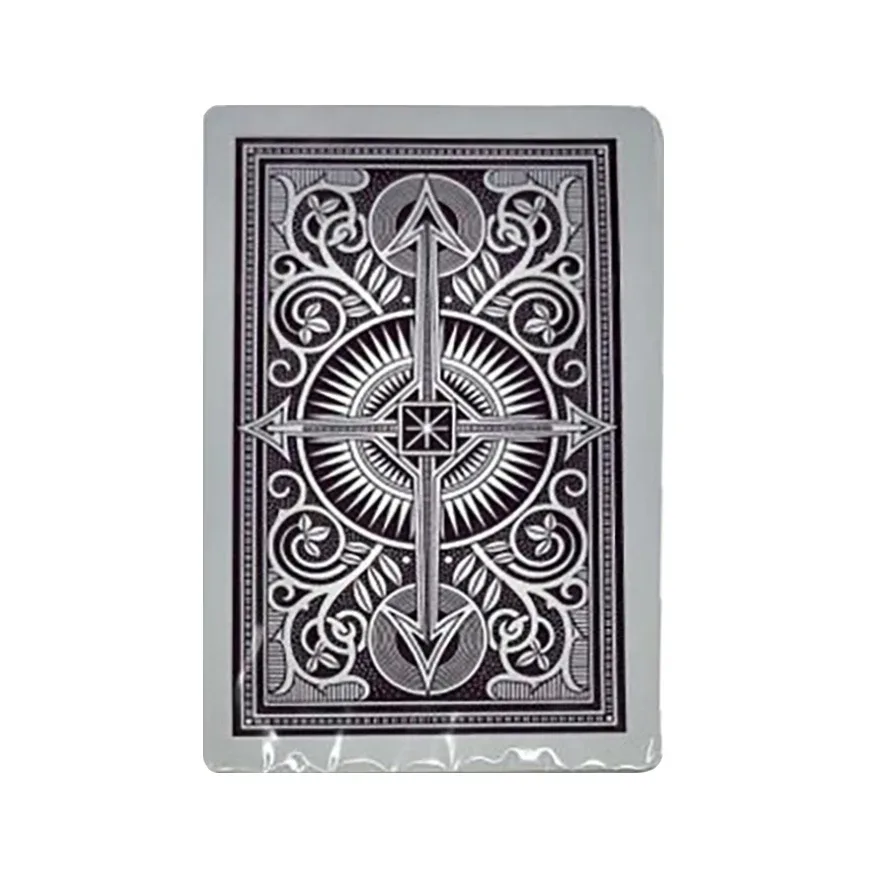
Kem Arrow Brown Bridge Size Regular Index
The tradeoff is the initial expense. If you're not sure you'll stick with regular games, a paper deck might be the safer start. But if you know you'll be playing often, plastic saves money in the long run.
- Plastic decks have a higher upfront cost but longer lifespan.
- Frequent players save money over time with plastic.
- Paper decks are a low-commitment option for occasional play.
The Tradeoffs at a Glance
- Durability vs. Cost: Plastic decks cost more upfront but last years. Paper decks are cheap but wear out quickly, so frequent players often spend more over time. If you play weekly, plastic is the better value.
- Feel vs. Convenience: Plastic cards can feel different, sometimes slicker, and may be harder to shuffle for some. Paper cards have a traditional feel and are easy to replace. Try a plastic deck to see if you like the handling.
- Maintenance vs. Disposability: Plastic cards are easy to clean and resist moisture. Paper cards are disposable—if they get damaged, you just toss them. Plastic suits players who want a long-term deck.
Products That Help You Decide
- Marion Red / Blue Rose Bridge Jumbo Index: This Marion Red / Blue Rose Bridge Jumbo Index set includes two decks of 100% plastic playing cards. Designed for bridge players, the jumbo index makes reading your hand easier, while the classic red and blue color scheme offers a traditional look. If you're a bridge player looking for durability and readability, this two-deck set gives you both. The plastic construction means it will stand up to frequent games, and the jumbo index reduces eye strain.
- Kem Arrow Brown Bridge Size Regular Index: The Kem Arrow Brown Bridge Size Regular Index playing cards offer a classic choice for card players. This single deck is crafted for bridge and other card games, featuring a regular index for easy readability. This deck is a solid example of a durable plastic option if you prefer a single deck and a traditional index. Its trusted Kem brand reputation ensures you're getting a product built for longevity.
Which Deck Fits You?
Best for
- Frequent players who want a deck that lasts for years.
- Bridge and card game enthusiasts who value durability and easy handling.
Not for
- Casual players who rarely play and prefer a low-cost, replaceable deck.
- Those who dislike the feel of plastic cards and prefer traditional paper texture.
Choosing between plastic and paper playing cards comes down to how often you play and what you value. If you're at the table every week, a plastic deck like the Marion or Kem Arrow is a smart investment that pays off in the long run. For occasional games, paper is perfectly fine. Consider your habits and pick the deck that fits your lifestyle.