Quick answer
For most collectors, a playing card storage box is the better everyday choice because it shields decks from light, dust, and humidity swings while keeping them stackable and easy to rotate. A card display case wins only when you want to show a deck permanently and accept that light exposure and handling risk increase. If you own Fulton's October or limited Ace Fulton's Casino decks, use a box for long-term storage and a case for short-term display.
What each option actually protects against
A playing card storage box typically closes fully, blocking dust and reducing light exposure. Many boxes also let you add silica gel packets to buffer humidity, which matters for paper stock and foil. A card display case, by contrast, is usually open or has a clear window, so it prioritizes visibility over sealing. That means UV protection deck measures depend on the case material—glass filters some UV, acrylic less so—and you may need to keep the case out of direct sun.
Humidity control cards are easier to manage in a box because you can place a desiccant pack inside without it being visible. In a display case, a desiccant pack may be hidden behind the deck or not fit at all. If you live in a humid climate, this difference alone can decide the comparison.
Handling and access: how often will you touch the deck?
Storage boxes encourage less handling because decks are stacked and often out of sight. That reduces wear on tuck boxes and corners. Display cases invite picking up the deck to show friends, which increases the chance of dropping or smudging. For a signed deck like Ace Fulton's Casino Midnight Fuel, less handling is safer. For a deck you enjoy looking at daily, a case may be worth the trade-off.
Space, stacking, and fit
Boxes generally stack, so they suit collectors with many decks. Cases take more shelf space per deck and often need to sit upright. Neither option is one-size-fits-all: check the internal dimensions against your deck's tuck box, especially for thicker limited editions or decks with a wallet. The Fulton's October Limited Edition Playing Card Wallet is a separate accessory that holds a deck plus cards and cash, so it is not a substitute for either a storage box or a display case—it is a carry option.
Cost and long-term value
Storage boxes are usually cheaper per deck, which lets you protect more of your collection for the same budget. Display cases cost more per deck but can make a favorite deck a visual centerpiece. For valuable or signed decks, the cheaper box often preserves condition better, which matters if you ever sell. A case can still be part of a rotation: display for a month, then return the deck to a box.
Trade-offs at a glance
- Protection vs. visibility: A storage box hides the deck but blocks dust and most light; a display case shows the deck but exposes it to light and air. Choose a box for preservation, a case for presentation.
- Humidity control vs. airflow: Boxes let you add desiccant packs for humidity control cards; cases often have gaps that make humidity buffering less effective. In humid climates, prioritize a box.
- Handling frequency: Boxes reduce handling because decks are stacked away; cases invite touching and increase wear risk. For signed or limited decks, handle less.
- Cost per deck: Boxes cost less per deck and stack; cases cost more and take more shelf space. Budget for boxes first, then add a case for a favorite.
Product facts
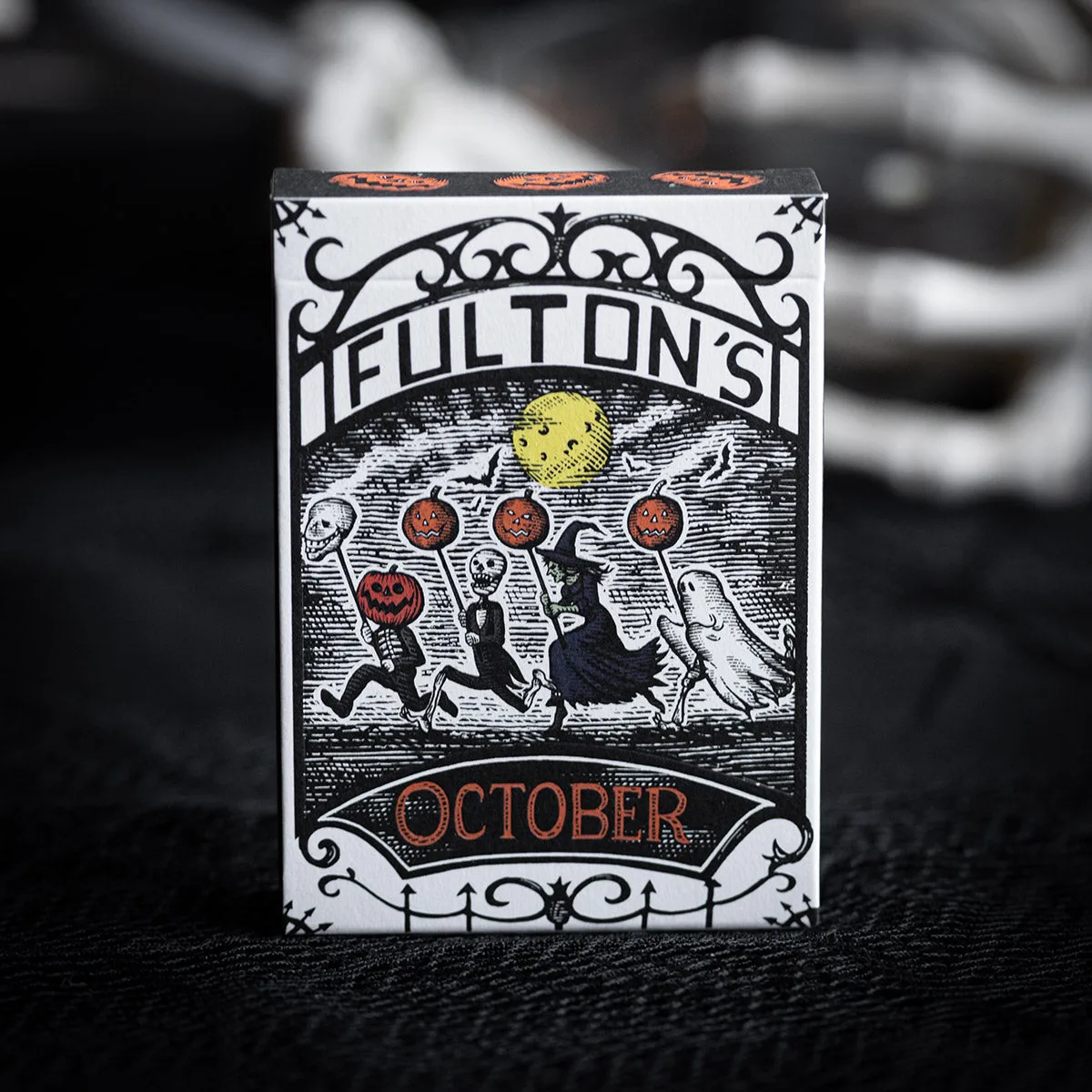
- FULTONS OCTOBER TOMBSTONE GREY PLAYING CARDS: FULTONS OCTOBER TOMBSTONE GREY PLAYING CARDS began as a different deck and emerged as the preeminent choice of the Halloween Season; this is the Steven Noble Version as presented in 2013, printed as it was. A seasonal deck like this may be displayed during fall and stored the rest of the year, so a box for off-season storage and a case for temporary display both have a role.
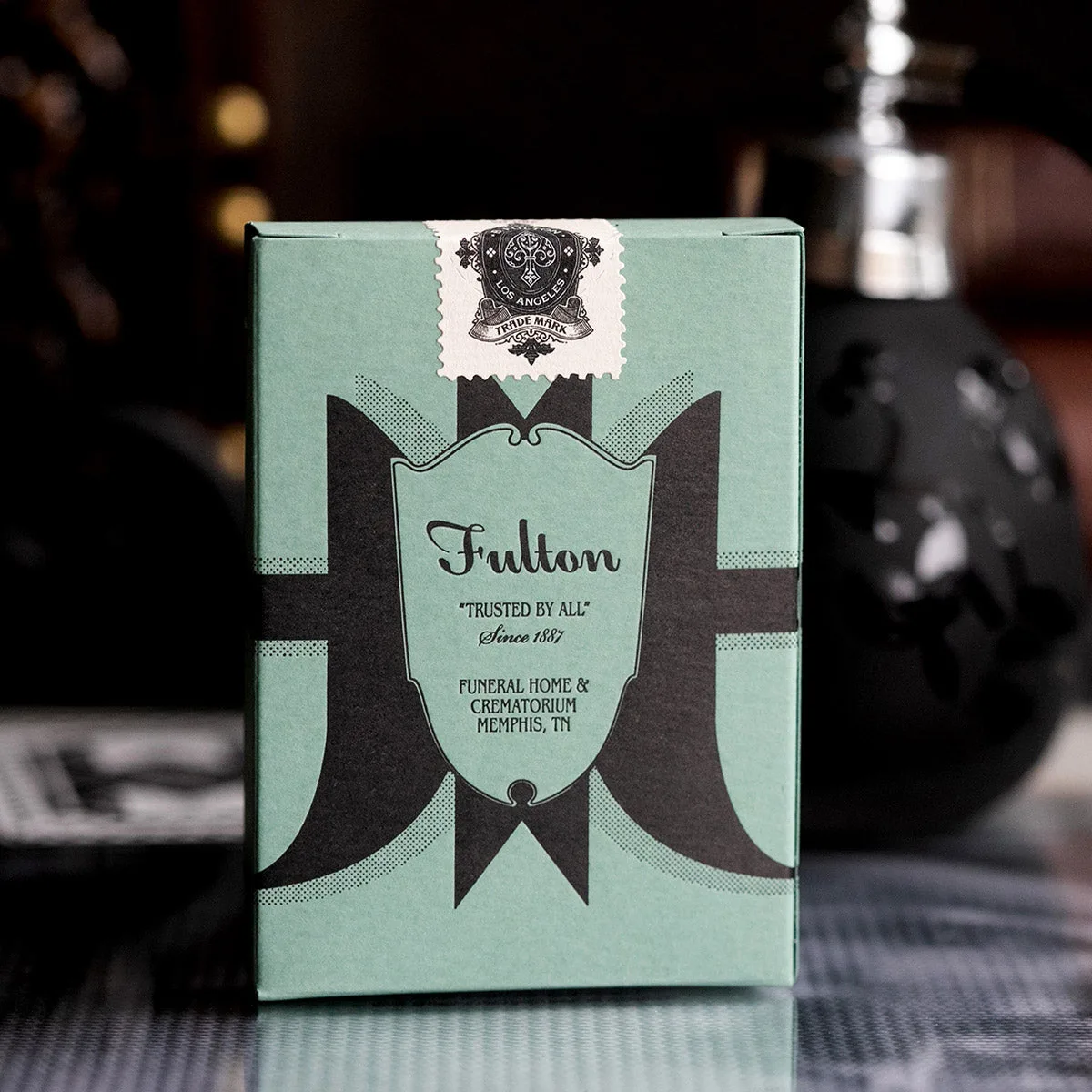
- Ace Fulton's Casino Playing Cards - Twin Pack: Ace Fulton's Casino Playing Cards - Twin Pack is a limited edition twin pack of red and blue Ace Fulton's Casino, Classic Edition decks, printed by The United States Playing Card Co. with a Cambric finish on Thin Stock, limited to 1,200. Because the twin pack contains two decks, a storage box that holds multiple decks keeps the set together and reduces the chance of separating or losing one.
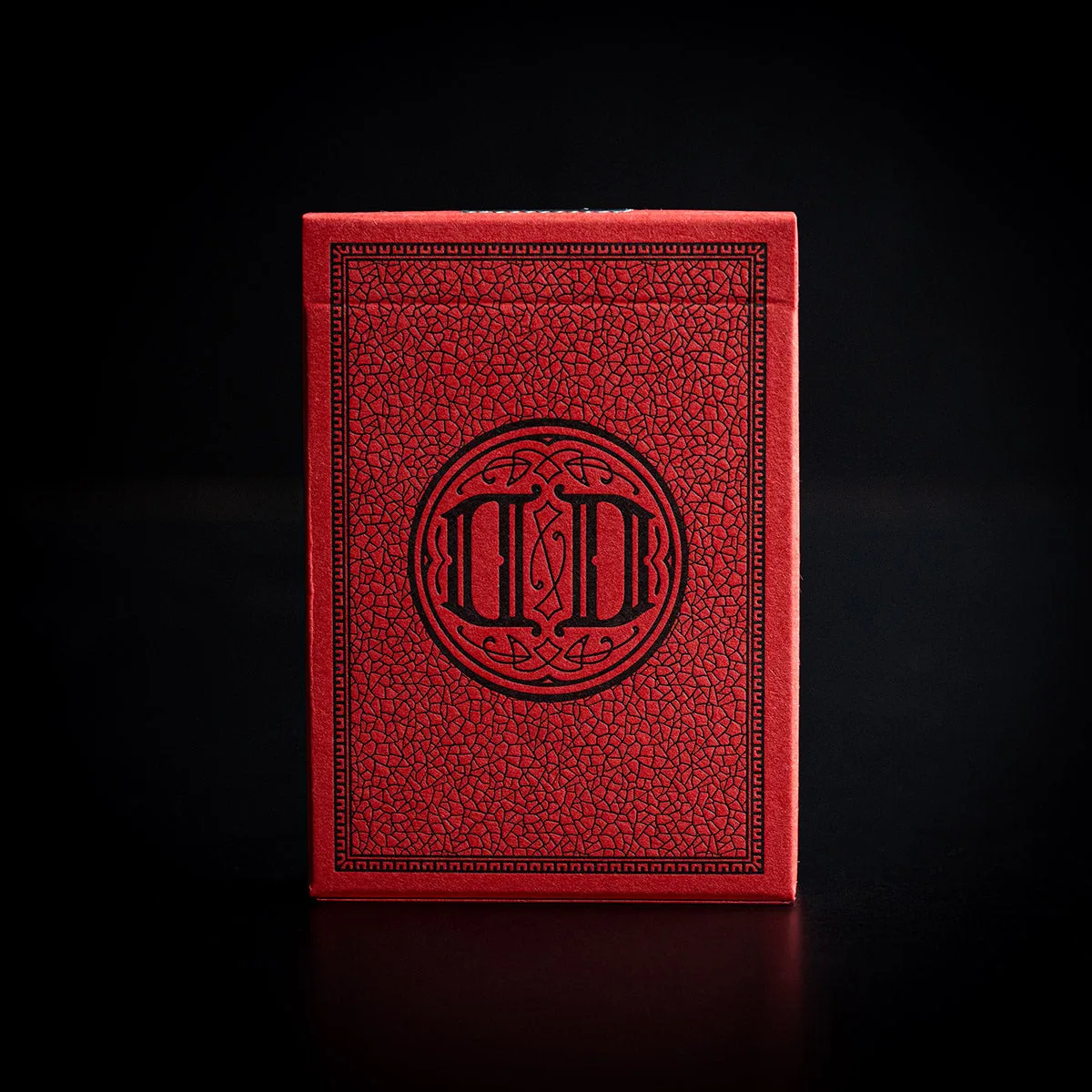
- Ace Fulton's Casino Playing Cards - Midnight Fuel - SIGNED: Ace Fulton's Casino Playing Cards - Midnight Fuel - SIGNED were offered in extremely limited numbers, printed on off white aged Ivory 37 Stock at the USPCC, and only available to purchasers of Red Hot and Dodger Blue Mixed Bricks; the tuck box is signed by Brad Fulton. A signed, extremely limited deck benefits most from a closed storage box with humidity control, since light and handling can degrade the signature and stock.
Which should you choose?
Best for
- Collectors with multiple decks who need stackable, dust-free storage
- Humid climates where humidity control cards are necessary
- Signed or extremely limited decks like Ace Fulton's Casino Midnight Fuel
Not for
- Collectors who want to display a deck permanently and do not mind light exposure
- Single-deck owners who only need a carry option like the Fulton's October Limited Edition Playing Card Wallet