Quick answer
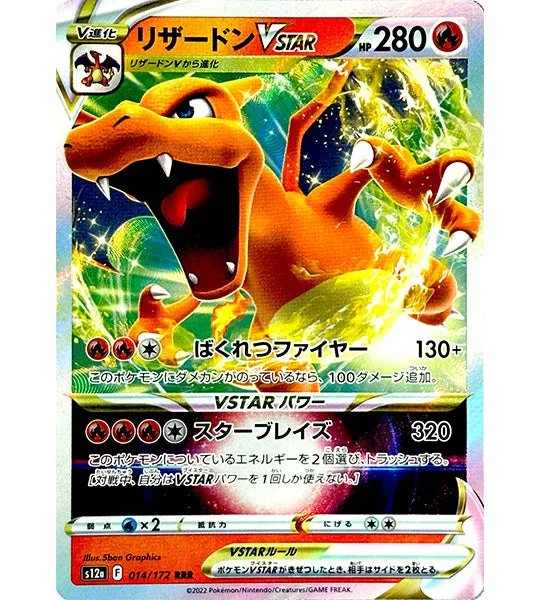
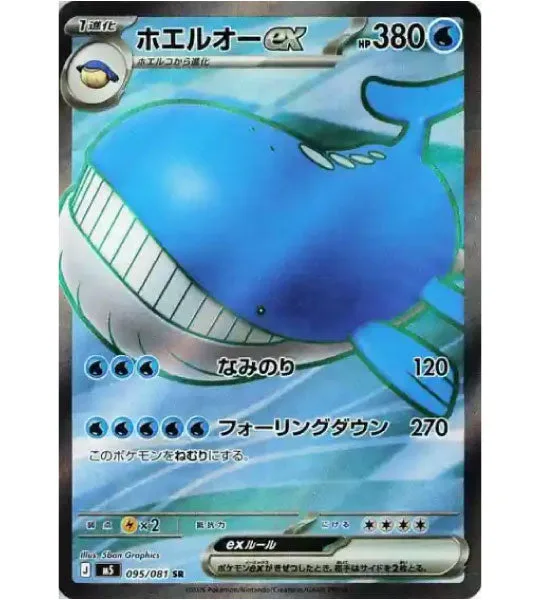
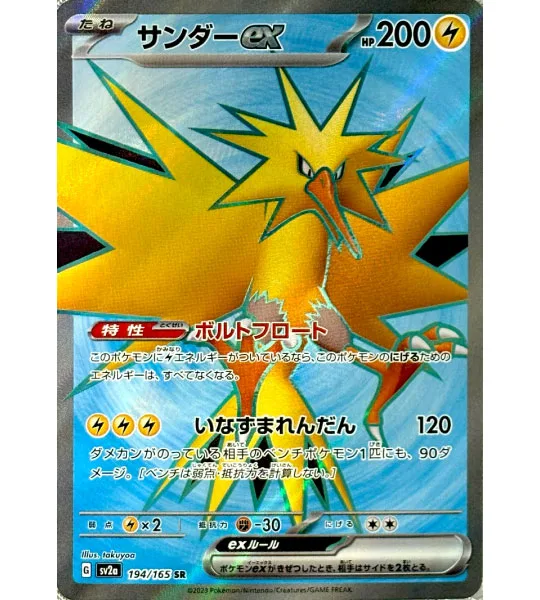
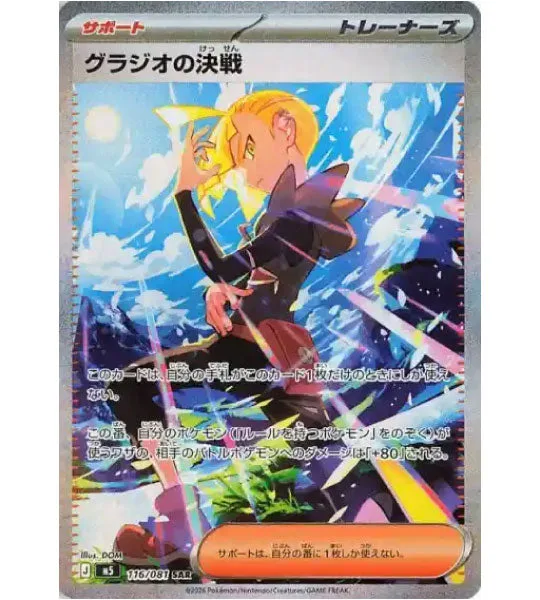
The letters after a Japanese Pokemon card's name are its rarity code. AR usually marks an art rare with a full illustration, SR is a standard super rare, SAR is a special art rare with the most detailed artwork, and MUR is a higher-tier rarity used on special cards such as Mega Lucario ex. The code tells you the print tier, not the condition, so always check the card number and photos before buying.
What the rarity code actually tells you
Japanese Pokemon cards print the rarity code in brackets right after the card name, for example ARMAROUGE [AR] or REGIGIGAS VSTAR [SAR]. That bracket is the set's own label for how rare the card is within that release. It is separate from the card number, which tells you where the card sits in the set list, and separate from the condition disclaimer that sellers include for single cards.
The same Pokemon can appear at more than one rarity across different sets. A card can be a common in one set and an SAR in another, so the code matters more than the character name when you are comparing prices.
AR, SR, SAR and MUR: what each one means
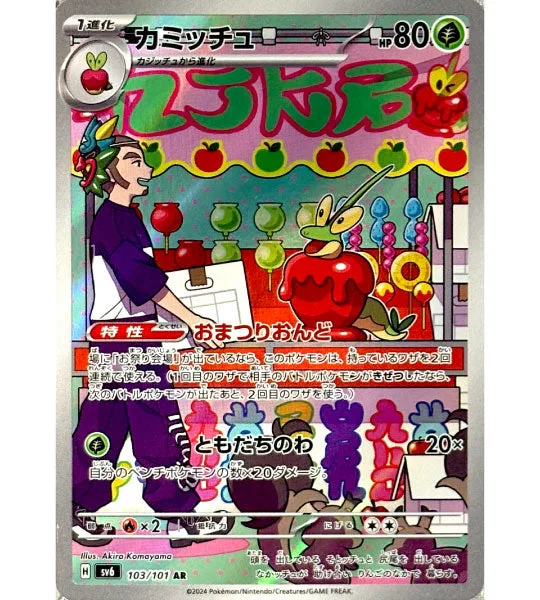
AR stands for Art Rare. These cards usually replace the normal artwork with a full-bleed illustration that extends past the standard frame, and they are typically easier to pull than the higher tiers. SR stands for Super Rare, the long-running tier for holographic or textured cards above the basic rare slot. SAR stands for Special Art Rare, which is the top illustration tier in most modern Japanese sets and usually has the most detailed art and texture.
MUR is a higher rarity code used on certain special cards, including Mega Lucario ex in the Mega Brave set. Because MUR cards sit above the standard SAR tier in their release, they tend to be the cards collectors chase first and the ones that hold a higher price. Treat MUR as a premium tier label rather than a condition grade.
SR vs SAR: the difference buyers actually feel
The practical gap between SR and SAR is artwork treatment and print volume. An SR card is usually a textured or foil card with standard framing. An SAR card pushes the art across the whole card face and often uses a different finish, which is why SAR cards from popular sets command noticeably more than their SR counterparts.
If you are choosing between the two for a display binder, SR cards give you the character at a lower entry price, while SAR cards give you the illustration that most collectors recognize. Neither is a better investment by default; the set, the character and the print run decide that.
How to read a Japanese listing without guessing
Japanese single card listings usually put the card name, the rarity code in brackets, the card number, the set code, and the language in the title. Read them left to right: name first, then rarity, then number. A number like 233/172 means the card is numbered above the base set total, which is normal for secret and special art cards.
Condition is a separate line. Sellers of Japanese singles commonly state that cards are not guaranteed to be in perfect condition and may show minor scratches, small edge whitening, or foil imperfections such as print lines, foil seams, or slight foil peeling from manufacturing. That wording describes the print and handling reality of trading cards, not a hidden defect you can negotiate away after purchase.
Rarity code FAQ
What is an AR Pokemon card?
AR means Art Rare. It is a rarity tier that gives the card a full illustration treatment instead of the standard frame, and it usually sits below SR and SAR in the same set. Look for the bracketed [AR] after the card name.
What is an SAR Pokemon card?
SAR means Special Art Rare. It is the top illustration tier in most modern Japanese sets, with the most detailed artwork and texture, and it is usually the hardest standard pull to find. SAR cards often cost more than the SR version of the same character.
What does MUR mean on a Pokemon card?
MUR is a higher rarity code used on special cards such as Mega Lucario ex in the Mega Brave set. It sits above the standard tiers in its release. Treat MUR as a premium tier, not a condition grade.
Is SR better than SAR?
Not better, just different. SR is the standard super rare tier, while SAR is the special art tier with extended artwork. Which one you want depends on whether you are collecting the character or the illustration. Compare the same character across both codes before deciding.
Do rarity codes tell me the card's condition?
No. Rarity codes describe print tier only. Condition is separate, and Japanese single card listings often note that cards may have minor scratches, edge whitening, or foil imperfections from manufacturing. Ask for photos if condition matters to you.
Real cards where these codes appear
- 【Pokemon Card】MEGA LUCARIO EX【MUR】(092/063) (M1L) Japanese Single Card: MEGA LUCARIO EX [MUR], card number 092/063, from the Mega Brave set, Japanese single card. A concrete example of the MUR tier on a high-demand character, useful for seeing how a premium rarity code is written on a real listing.
- 【Pokemon Card】REGIGIGAS VSTAR【SAR】(233/172) (S12a) Japanese Single Card: REGIGIGAS VSTAR [SAR], card number 233/172, from the VSTAR Universe set, Japanese single card. Shows an SAR card numbered above the set total, which is the standard pattern for special art cards.
- 【Pokemon Card】ARMAROUGE【AR】(083/081) (M5) Japanese Single Card: ARMAROUGE [AR], card number 083/081, from the Abyss Eye set, Japanese single card. A clear AR example at a lower price point, helpful if you want the full-art look without paying SAR or MUR prices.