Quick Answer
For natural skin tones and a smooth color palette in medium format, choose Portra 160. For fine-grained, high-sharpness black and white portraits, TMax 100 is the standout.
Color vs. Black and White: What's Your Vision?
Your choice between these two 120 films starts with the look you want. Portra 160 delivers a daylight-balanced color negative with medium saturation and low contrast, making it a go-to for accurate skin tones and consistent results. TMax 100, on the other hand, is a panchromatic black and white film that emphasizes structure and detail, ideal for dramatic, texture-focused portraits.
Grain and Sharpness: The Trade-Off
Both films are known for fine grain, but they achieve it differently. TMax 100 uses a T-GRAIN emulsion that yields extremely fine grain and high sharpness, making it excellent for large prints or heavy cropping. Portra 160 also has very fine grain, thanks to VISION Film Technology, but its priority is smooth tonal transitions and flattering skin rendition rather than maximum acuity.
Exposure Latitude: When You Need Flexibility
If you shoot in changing light or like to push your film, TMax 100 is noted for wide exposure latitude and a broad tonal range. Portra 160 is also forgiving, but its low-contrast personality means you have more room in post to shape the final look, especially for color grading.
Decision Rules: Pick Your 120 Portrait Film
- If you shoot color portraits: Choose Portra 160 for its accurate skin tones and low-contrast palette that flatters people. Portra 160 is your default for color portrait sessions.
- If you want black and white with maximum sharpness: TMax 100 delivers extremely fine grain and high resolution, ideal for detailed B&W portraits. TMax 100 is your pick for fine-grained black and white.
- If you need flexibility in exposure: TMax 100's wide exposure latitude gives you more room to handle contrasty or low-light scenes. When in doubt, TMax 100 forgives exposure errors.
Film Facts at a Glance
-
Kodak Professional TMax 100 Black and White Negative Film - 120 Roll Film, Single Roll (ISO 100): Kodak Professional TMax 100 is a medium-speed panchromatic black and white negative film with extremely fine grain and high sharpness. This makes it a top pick for portrait photographers who want crisp detail and smooth tonality in black and white.
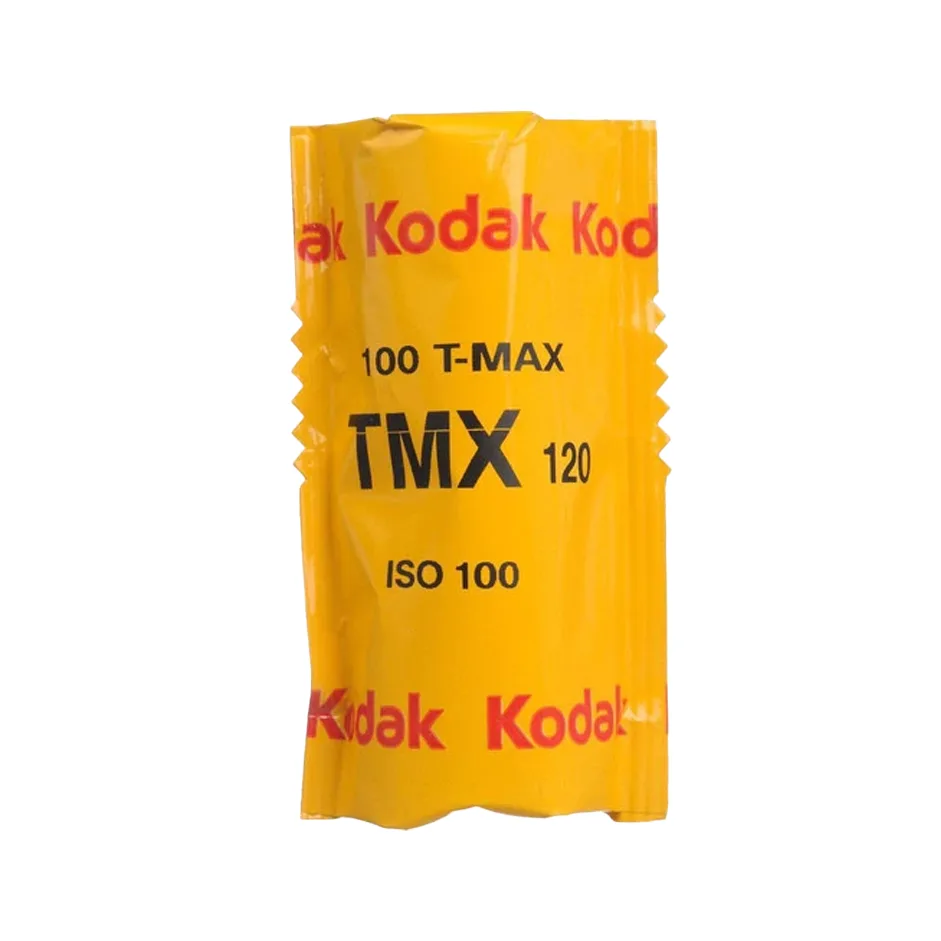
Kodak Professional TMax 100 Black and White Negative Film - 120 Roll Film, Single Roll (ISO 100)
-
Kodak Professional Portra 160 Color Negative Film - 120 Roll Film, Single Roll (ISO 160): Kodak Professional Portra 160 is a daylight-balanced color negative film with medium saturation and low contrast for accurate skin tones. It delivers natural-looking skin and consistent color, which is why it's a classic for color portrait work.
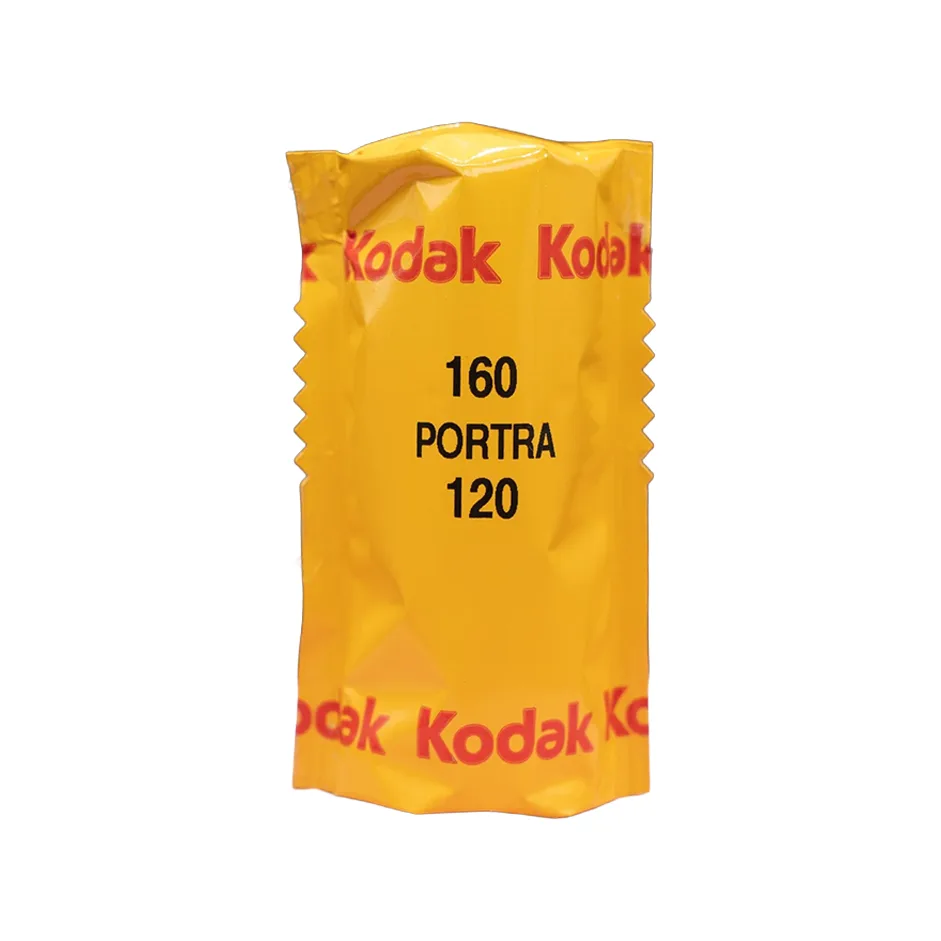
Kodak Professional Portra 160 Color Negative Film - 120 Roll Film, Single Roll (ISO 160)
Who Should Choose Which?
Best for
- Portra 160: portrait photographers who want natural skin tones and a smooth color palette
- TMax 100: photographers who prefer black and white with fine grain and high sharpness for detailed portraits
Not for
- If you're after a vintage or high-contrast color look, Portra 160 may be too neutral; consider other color films.
- If you need to shoot in very low light without a tripod, TMax 100's ISO 100 speed may be limiting.