Quick Answer
Choose a pour over set if you want control over extraction and a brewing ritual you can adjust cup by cup. Choose an automatic coffee maker if speed, batch size, or hands-off convenience matters more. Neither brews objectively better coffee; the better choice is the one that matches how you actually make coffee on a normal morning.
pour over
Control Over the Brew
A pour over setup puts you in charge of water temperature, pour speed, and agitation. That control lets you fine-tune extraction for a specific bean, which is why manual coffee brewing method fans often describe flavors as brighter or more defined. The trade-off is that inconsistency is also on you: a rushed pour or uneven saturation shows up in the cup.
An automatic coffee maker handles the variables for you. You load grounds and water, press a button, and the machine repeats roughly the same brew each time. The trade-off is less room to adapt when you switch beans or want a different strength.
Speed, Batch Size, and Cleanup
Pour over is a single-serve method by nature. Brewing for two or more people means repeating the process, and each cup takes a few minutes of active attention. Cleanup is quick: discard the filter, rinse the cone, and you are done.
A drip coffee maker can brew a full carafe in one cycle, which suits households where several people drink coffee at the same time. The trade-off is more to clean, including the carafe, basket, and sometimes a warming plate that keeps coffee hot but can gradually change its flavor.
What Each Method Does to Flavor
Pour over tends to produce a cleaner cup because the paper filter traps oils and fine particles. If you enjoy tasting distinct notes in a light or medium roast, that clarity is the main draw. If you prefer a heavier body, a metal filter or a different method may suit you better.
Drip machines vary widely in water distribution and temperature stability, so results are less predictable across models. A well-made drip brewer can produce a consistent, full-bodied cup, but you have less ability to correct a brew that tastes weak or bitter.
Cost and Counter Space
A pour over cone, filters, and a kettle take up less counter space than most drip machines and usually cost less upfront. Ongoing costs are the filters and the time you spend brewing.
Automatic machines cost more initially and may need descaling or replacement parts over time. In exchange, you get repeatability and the ability to brew larger volumes without standing over the counter.
Trade-Offs at a Glance
- Control vs. consistency: Pour over gives you adjustable variables but depends on your technique. A coffee maker gives you repeatable results but fewer ways to adapt to a new bean. Pick pour over if you enjoy adjusting; pick a machine if you want the same cup every day.
- Single cup vs. batch: Pour over brews one cup at a time with active attention. A drip machine can fill a carafe in one cycle with no supervision. Count how many people drink coffee at once before deciding.
- Ritual vs. hands-off: Manual brewing adds a few minutes of focused work to your morning. An automatic machine removes that step entirely. Be honest about whether you will actually stand at the counter on a busy weekday.
Products That Support Each Approach
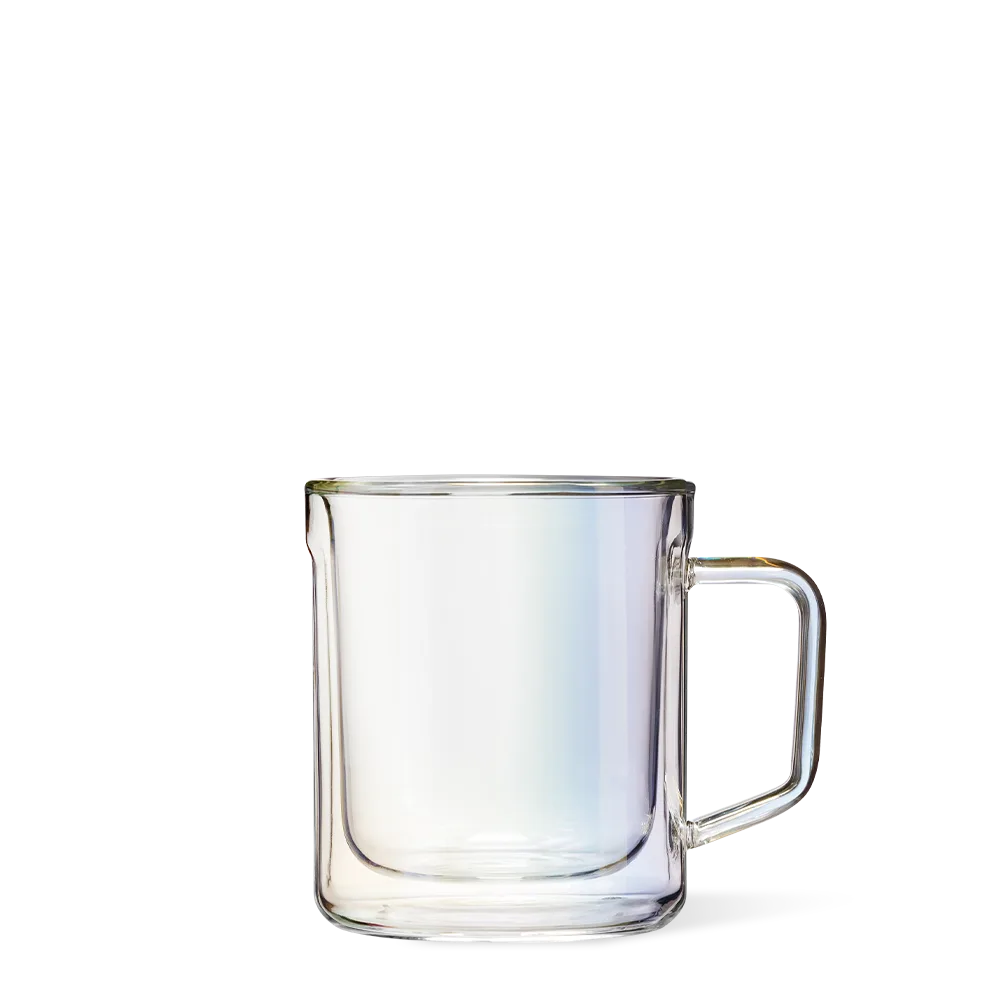
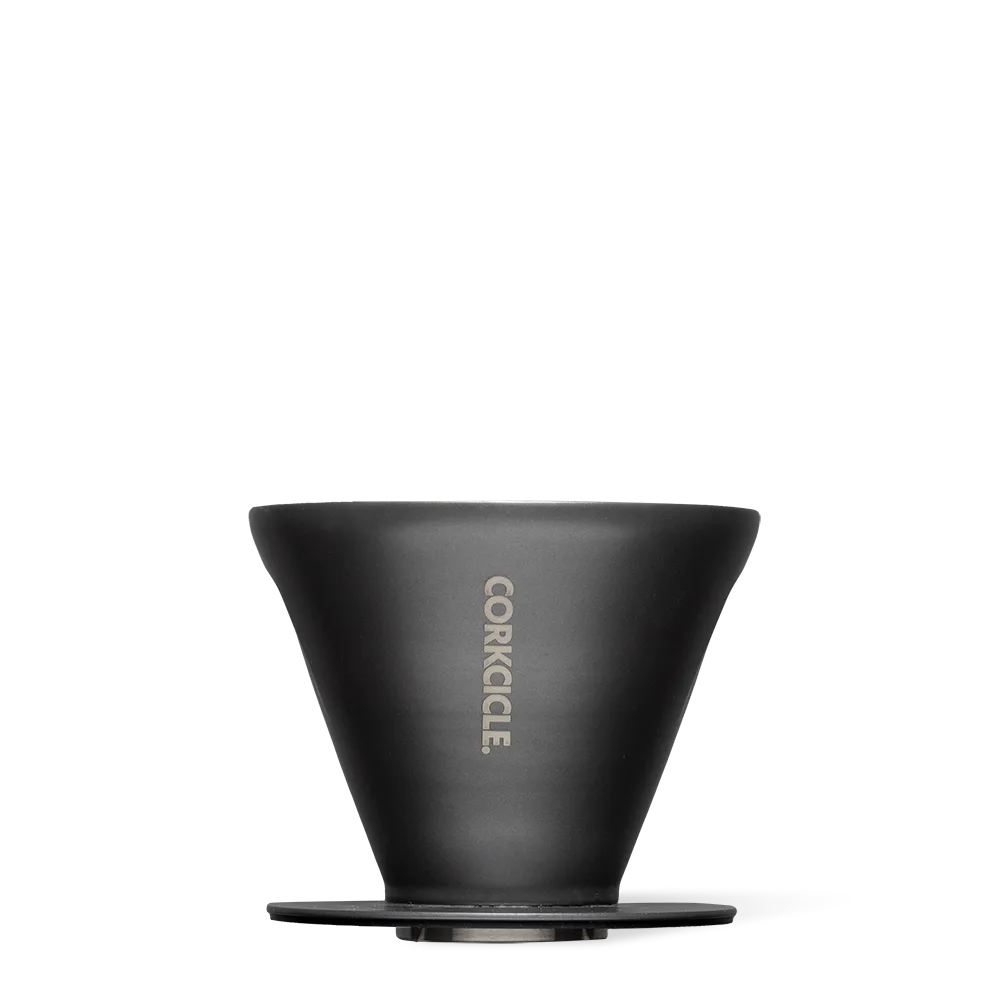
- Pour Over Set: The Pour Over Set includes a double-walled stainless steel pour over that works with #2 and #4 filters, plus a matching insulated 16oz Coffee Mug. It has a no-slip, no-click silicone bottom and fits on most mugs. If you want to try manual brewing without assembling separate pieces, this set gives you the cone and an insulated mug in one purchase, and the filter compatibility means you are not locked into a single size.
- Rocks Glass Set (2): The Rocks Glass Set (2) is a 12oz double-walled glass set designed to retain temperature longer and prevent condensation. If your pour over habit extends to evening spirits or iced coffee, these glasses keep drinks at temperature without a coaster, which matters when you are already managing a brewing setup on the same counter.
Which Should You Choose?
Choose a pour over set if you:
- Want to control water temperature, pour speed, and extraction for different beans
- Usually brew one or two cups at a time and do not mind a few minutes of active brewing
- Prefer a cleaner cup with less sediment and enjoy the brewing process itself
Choose a coffee maker instead if you:
- Regularly brew for a full household and need several cups at once
- Want coffee ready with minimal attention on rushed mornings
- Prefer not to adjust technique or buy filters separately