Quick answer
Most dog bed odor comes from trapped moisture, oils, and bacteria in the cover and foam, not from the bed being old. Wash the cover with a pet-safe detergent, dry it completely, and add a water-resistant cover if accidents happen often. If the smell returns within a day or two, the odor has reached the foam or the cover is worn out and needs replacing.
You wash the bed, let it dry, and within a day it smells like wet dog again. That cycle is frustrating, and it usually means the odor source is deeper than the fabric surface. Dogs sweat through their paws, drool, track in dirt, and sometimes have accidents. All of that soaks into the cover and, over time, into the foam.
This guide separates the symptom from the cause so you can stop guessing. You will learn which smells point to which problem, what to do first, and when to stop washing and choose a different option like a replacement cover or a water-resistant layer.
Symptom: The bed smells like wet dog even after washing
If the bed smells musty or like wet fur right after a wash, the cover likely did not dry completely. Foam and thick fabric hold water in the center long after the surface feels dry. That trapped moisture grows bacteria and mildew, which produce the sour smell you notice.
The fix is not more detergent. It is longer drying. Unzip the cover, wash it separately, and let it air dry in a well-ventilated area or use a fan. Do not put the foam in a dryer unless the care instructions say it is safe. If the foam itself smells sour after the cover is clean, the odor has reached the core and washing the cover again will not help.
- Squeeze the cover before drying. If water still drips from the seams, it needs more time.
- Dry the foam upright with airflow on both sides, not flat on a damp floor.
Symptom: The bed smells like urine or ammonia
Ammonia smell means urine has soaked past the cover into the foam or padding. Standard laundry detergent may remove the surface smell but leave the uric acid crystals behind. Those crystals reactivate with humidity, which is why the smell returns on rainy days or after your dog lies down.
For a smelly dog bed fix on urine, use an enzyme-based cleaner made for pet accidents. Soak the affected area, let it sit for the full contact time on the label, then blot and dry completely. If the foam is soaked through and cannot be fully dried, replacement is the practical choice. A water-resistant cover or a bed with a waterproof design reduces how often this happens.
- Never mix ammonia-based cleaners with other products. The fumes are harmful to pets.
- If the foam stays damp for more than a day, mold can start. Replace it rather than risk your dog's health.
Symptom: The bed smells like yeast, corn chips, or musty paws
A yeasty or corn-chip smell usually comes from your dog, not the bed. Dogs with skin folds, allergies, or floppy ears can carry yeast that transfers to the fabric every time they lie down. Washing the bed without addressing the source means the smell comes back fast.
Check your dog's ears and skin. If you see redness, discharge, or constant scratching, talk to your vet. For routine maintenance, an ear drying and cleansing solution can help reduce the yeast load on floppy-eared dogs. A medicated spray for skin conditions may also help if your vet confirms a treatable issue. Clean the bed after treating your dog so you are not re-infecting the fabric.
- Dry your dog's paws and ears after walks or swimming before they get on the bed.
- Wash bedding more often during allergy season or after a flare-up.
Symptom: The bed smells fine but your dog still smells after lying on it
If the bed passes the sniff test but your dog picks up an odor after resting, the fabric may be holding oils rather than bacteria. Oils from your dog's coat build up in the cover and transfer back to the fur. This is common with beds that have not been washed in a few weeks or with covers that are not very absorbent.
Wash the cover with a degreasing pet-safe detergent and add a half cup of white vinegar to the rinse cycle. Vinegar helps break down oils and neutralizes odor without leaving a strong scent. If the cover is old and the fabric feels stiff or slick, the fibers may be coated with residue. At that point, a replacement cover is more effective than another wash.
- Skip fabric softener. It leaves a waxy film that traps odor.
- Use the hottest water safe for the fabric to help release oils.
How to keep a dog bed fresh between washes
Prevention is easier than removal. A simple routine keeps odor from building up in the first place. Brush or wipe your dog's coat and paws before they get on the bed, especially after outdoor play. Air the bed out weekly by removing the cover and letting both pieces breathe in a dry, shaded spot.
Add a water-resistant or heavy duty cover if your dog drools, has accidents, or comes in wet. A cover acts as a barrier and is much easier to wash than foam. Rotate two covers if you can so one is always clean and dry while the other is in the wash. This also gives the foam time to air out completely.
- Wash covers every one to two weeks for heavy shedders or droolers.
- Keep a towel near the bed to dry your dog before they lie down.
- Sprinkle baking soda on the cover between washes, wait 15 minutes, then vacuum.
When to stop washing and choose another option
Washing is not always the answer. If the foam core smells sour, holds moisture, or has visible mold, no amount of cover washing will fix it. The same is true if the cover has a damaged waterproof layer or the fabric is torn and trapping debris. In those cases, replacement is the practical choice.
If your dog has repeated accidents, a standard bed without a water-resistant barrier will keep soaking through. Choose a bed with a waterproof design or add a heavy duty cover. If the smell is coming from your dog's skin or ears, treat the underlying issue first. Otherwise, the bed will keep absorbing the same odor.
- Replace the cover if it still smells after two proper washes and full drying.
- Replace the foam if it stays damp, smells musty, or shows mold.
- See your vet if your dog has a persistent odor, hair loss, or scratching.
Odor diagnosis: match the smell to the fix
- Musty or wet-dog smell after washing: The cover or foam did not dry completely. Wash the cover separately, dry it with airflow, and air out the foam upright. If the foam still smells sour, the odor is in the core. Stop washing and replace the foam or bed if the smell returns within a day.
- Ammonia or urine smell: Urine has soaked into the foam. Use an enzyme cleaner on the affected area, let it sit for the full contact time, then dry completely. A water-resistant cover prevents repeat soak-through. If the foam stays damp or smells after one enzyme treatment, replace it.
- Yeasty or corn-chip smell: The odor is likely coming from your dog's skin or ears. Clean and dry the ears with a dog ear cleansing solution, and see your vet if redness or scratching continues. Wash the bed after treating your dog. If your dog has persistent odor, hair loss, or discomfort, stop home treatment and see your vet.
- Oily or stale smell that transfers to your dog: Oils have built up in the cover. Wash with a degreasing pet-safe detergent and add white vinegar to the rinse. If the fabric feels stiff or slick after washing, the cover is saturated. Replace the cover when washing no longer removes the oily feel.
Products that help with odor control
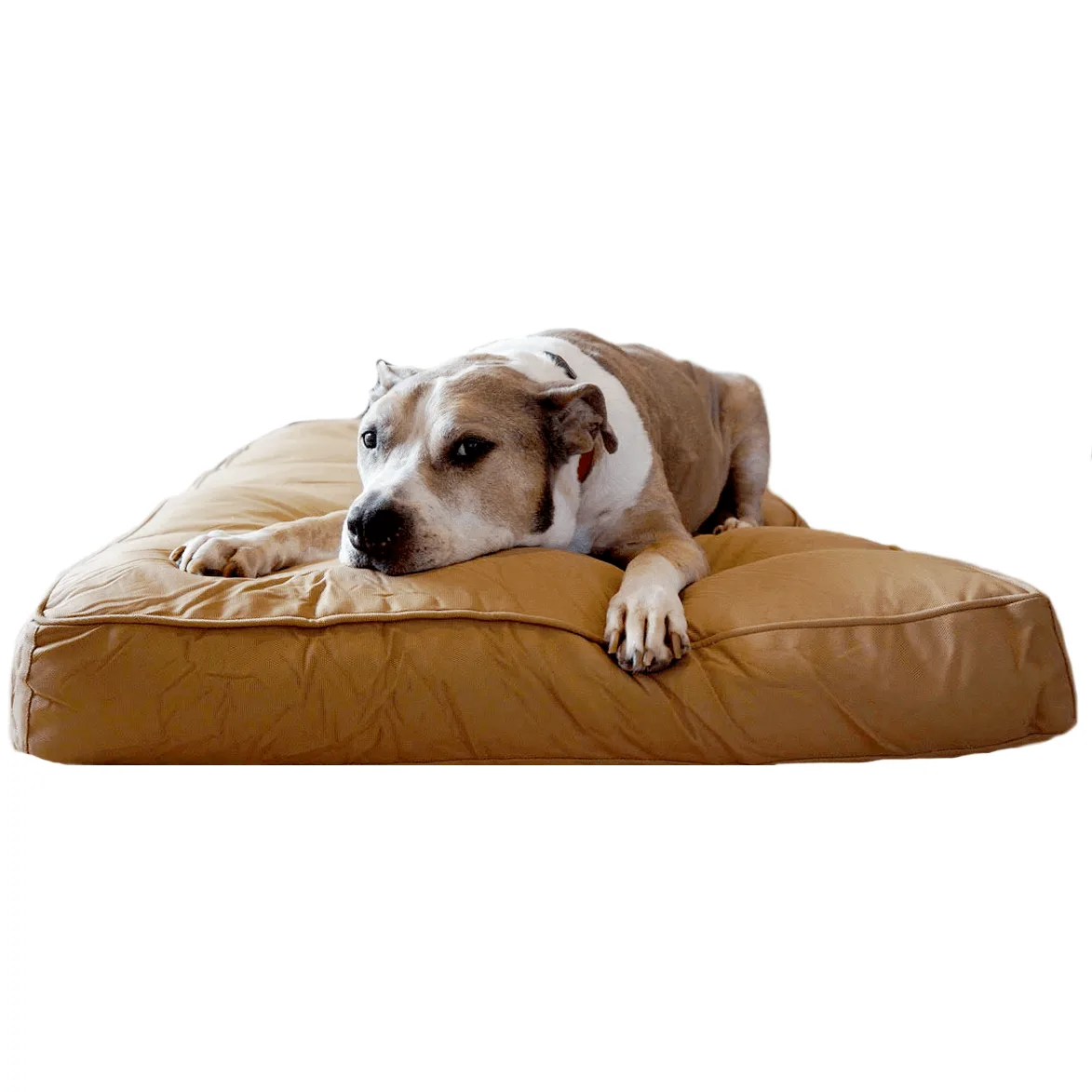
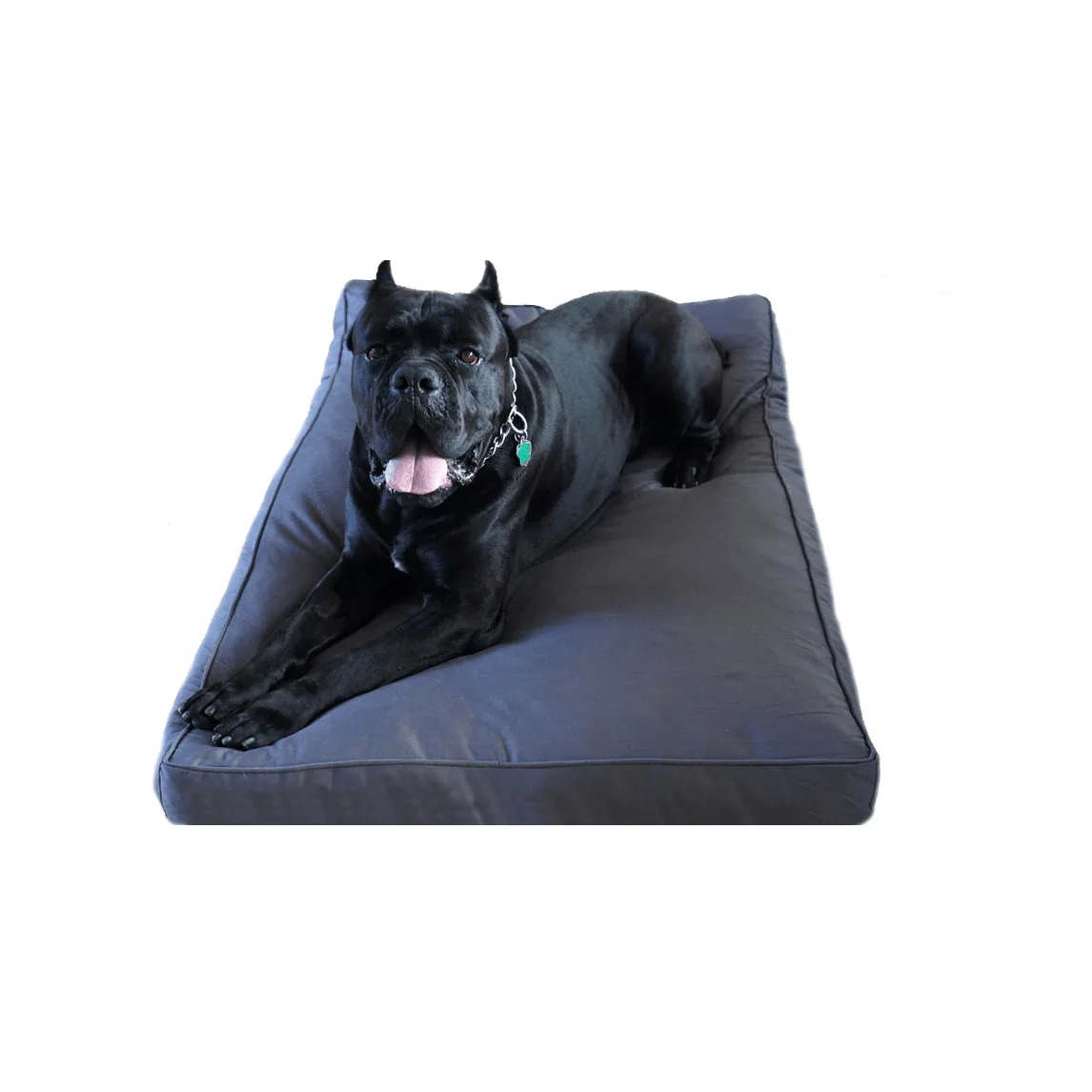
- Chew Proof Dog Bed (with a 200 Day Guarantee): This bed has extra strong padding and fabric that is resistant to wear and tear, and it is designed for big dogs with stronger bites. A durable bed holds up to repeated washing and heavy use, so you are not replacing it every few months because the cover fell apart.
- Heavy Duty Covers For Our Original Bully Beds: Made from super strong 600 Denier fabric, these covers are water resistant and available in sizes from medium to XXL. They only fit standard orthopedic beds. A water-resistant cover keeps accidents and drool from reaching the foam, which is the hardest part of the bed to clean and dry.
- Chew Proof Dog Bed Replacement Cover: These replacement covers fit chew resistant beds, come in tan or gray, and do not fit original beds. They do not carry a damage replacement warranty like the chew resistant beds. If your cover is worn out but the foam is still in good shape, replacing just the cover is a lower-cost way to fix odor that has soaked into the fabric.
- Dog Ear Drying & Cleansing Solution: Formulated to deodorize and gently clean, dry, and acidify the ear canal. It is made in the USA and comes in an 8-ounce size. If your dog's yeasty smell transfers to the bed, keeping ears clean and dry reduces the source of the odor.
Odor is a signal, not just a nuisance. Match the smell to the cause, dry everything completely, and add a water-resistant cover if accidents are common. When the foam or cover is past saving, replacing that part is faster and more effective than another wash cycle.