Quick answer
A prevention kit focuses on everyday injuries like cuts, scrapes, and burns, while a bleeding control kit is designed for severe hemorrhage and trauma. Choose a prevention kit for daily carry and minor incidents, and a bleeding control kit for high-risk environments like outdoor adventures or workplaces with injury hazards.
Understanding the core difference
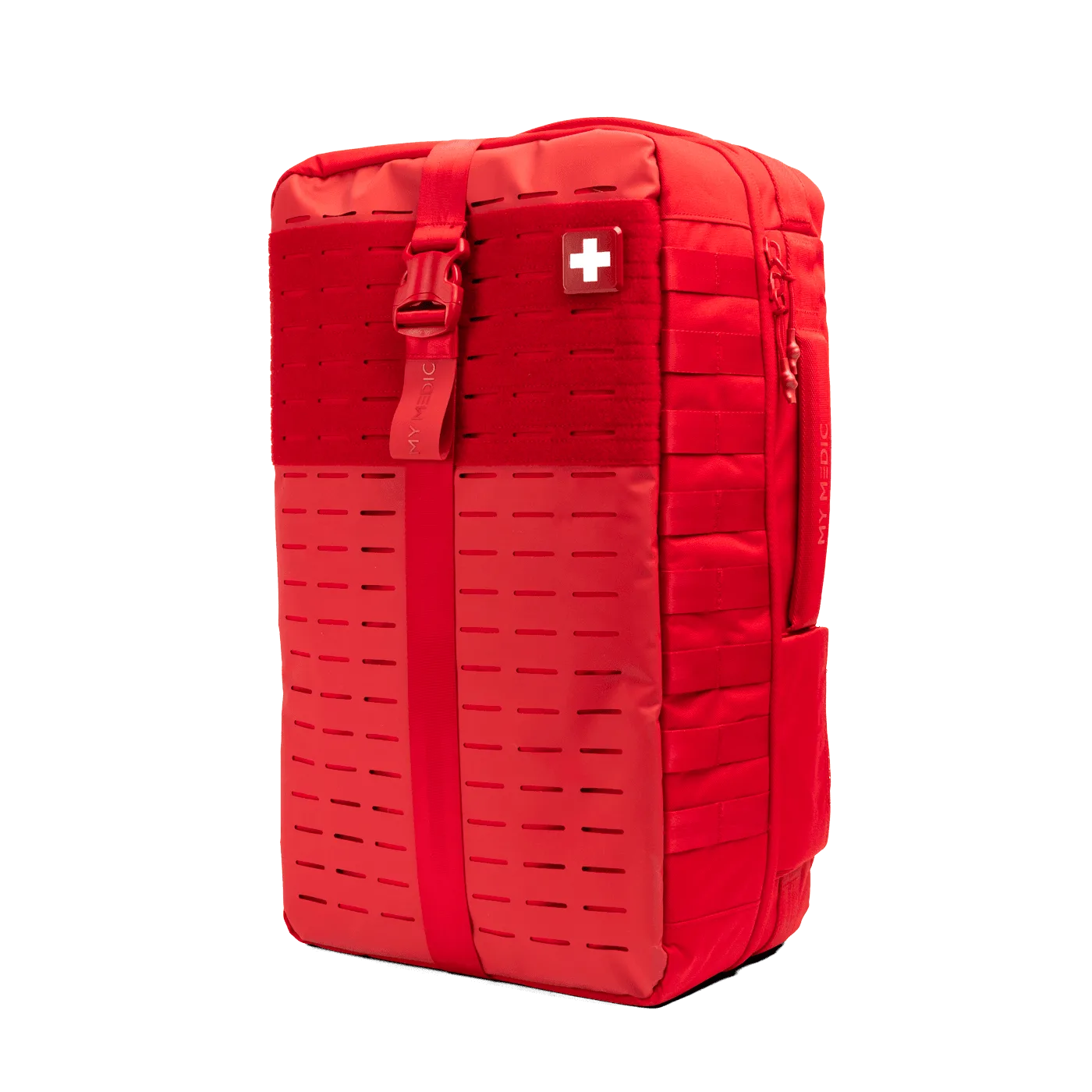
The main distinction lies in the types of injuries each kit is built to handle. A prevention kit, like the Sidekick IFAK pouch, contains over 60 life-saving first aid supplies for everyday minor injuries and severe bleeding, making it versatile for on-the-go use. In contrast, a dedicated bleeding control kit prioritizes tourniquets, hemostatic gauze, and pressure dressings to stop life-threatening blood loss quickly. If your primary concern is scrapes and splinters, a prevention kit is sufficient. If you face risks of deep cuts or gunshot wounds, a bleeding control kit is essential.
However, many modern kits blend both functions. The Sidekick, for example, is an IFAK pouch that can serve as a stand-alone kit or an add-on to a larger kit, offering extra space for customization. This hybrid approach lets you tailor your gear to your specific environment without carrying two separate pouches.
When a prevention kit makes sense
A prevention kit is ideal for home, office, car, or family outings where minor injuries are common. It typically includes adhesive bandages, antiseptic wipes, gauze pads, tape, and basic medications. These kits are budget-friendly and easy to store. For example, the Pet Medic first aid kit is designed specifically for dogs and cats, with over 25 supplies for torn paw pads and bee stings, showing how prevention kits can be specialized for different family members.
Medic
The trade-off is that prevention kits often lack the heavy-duty components needed for severe bleeding. If you work in construction, hunt, or hike remote trails, a basic prevention kit may leave you underprepared for a serious incident.
When bleeding control is the priority
Bleeding control kits are compact and focused. They contain tourniquets, hemostatic agents, chest seals, and compact bandages designed to control hemorrhage within minutes. These kits are essential for tactical professionals, law enforcement, backcountry travelers, and anyone in a remote location where emergency medical services are delayed.
The limitation is that bleeding control kits are not comprehensive for minor injuries. You would still need a separate prevention kit for everyday cuts and burns. Many users combine both: a bleeding control kit for trauma and a small prevention pouch for routine needs.
How to decide: Prevention kit or bleeding control kit?
- Your daily environment: If you spend most of your time in low-risk settings (home, office, school), a prevention kit covers 90% of incidents. If you work in high-risk trades, law enforcement, or remote areas, prioritize a bleeding control kit. Match the kit to the most likely injury scenario.
- Level of training: Bleeding control kits require training to use effectively (tourniquet application, wound packing). If you are not trained, a prevention kit with basic first aid instructions is safer. If you have taken a Stop the Bleed course, a bleeding control kit is a smart addition. Only buy gear you know how to use.
- Storage and portability: Prevention kits are often larger and meant for stationary storage. Bleeding control kits are compact and designed to be carried on a belt or in a pack. If you need something to grab on the go, consider a compact IFAK like the Sidekick. Think about where the kit will live.
Featured products at a glance
- Sidekick: Over 60 life-saving first aid supplies in the Pro kit; extra space to organize and customize; Hypalon MOLLE straps for attachment. This IFAK pouch bridges prevention and bleeding control, giving you flexibility to adapt to different situations. The extra space allows you to add your own trauma supplies if needed.
- Pet Medic: Over 25+ first aid supplies; flat lay design for enhanced organization; durable construction. If you need a dedicated prevention kit for pets, this budget-friendly option covers common pet injuries without the bulk of a human trauma kit. Its flat lay design makes it easy to find supplies quickly.
Which kit fits your life?
Best for
- Families, hikers, and office workers who need a versatile kit for minor injuries and basic emergencies
- Pet owners who want a specialized prevention kit for dogs and cats
Not for
- Tactical professionals or remote travelers who require dedicated hemorrhage control without extra bulk
- Anyone who needs a compact, trauma-only pouch to attach to a plate carrier or backpack