Quick answer
Prewashing is optional, not mandatory. Wash yardage when color bleeding or shrinkage worries you, or when the finished quilt will be laundered often. Skip it when you want crisp, flat fabric and predictable cutting. Never prewash precuts like charm packs or jelly rolls because they fray and distort.
Quilters hear two loud, opposite claims: prewash everything or never prewash anything. Both are oversimplified. The right answer depends on the fabric format, the colors in your project, and how the finished quilt will be used.
This guide separates the myths from the practical tradeoffs. For each common claim, you get a verdict and the reasoning, using only what we can verify about quilting cotton and the precuts sold here at Colibrisewing.
Myth: You must prewash all quilting fabric
Verdict: false. Prewashing is a choice, not a rule. Quilting-weight cotton like the fabrics in our catalog is sold on the bolt and is generally stable enough to cut and sew without washing first. Many quilters skip it because unwashed fabric stays crisp, flat and easy to rotary cut.
The real question is what you are protecting against. If you are worried about a dark or saturated print bleeding into lighter fabrics, or about the finished quilt shrinking after its first wash, prewashing gives you control before you cut. If neither worry applies, skipping the wash is perfectly reasonable.
- Prewash when the quilt will be washed often or given to a baby.
- Skip prewashing when precision cutting and flat seams matter most.
Myth: Prewashing always prevents shrinkage
Verdict: partly true, with a catch. Washing and drying cotton before cutting does pre-shrink it, so the finished quilt is less likely to pucker later. That is the main practical argument for prewash fabric shrinkage control.
The catch is that prewashing changes the fabric itself. It can fray at the cut edges, wrinkle, and feel slightly different under the needle. You also lose the crisp finish that makes rotary cutting and piecing easier. So prewashing trades some sewing convenience for more predictable finished size.
- If you prewash, wash and dry the way you expect to wash the finished quilt.
- If you skip prewashing, accept that the quilt may shrink a bit after its first wash.
Myth: Prewashing is the only way to stop color bleeding
Verdict: false. Prewashing can reduce excess dye, but it is not the only defense. A fabric bleeding test is a simple, low-risk check: cut a small square of the suspect fabric, soak it in warm water, and lay it on a white paper towel or scrap of light fabric. If color transfers, treat that fabric with care.
If you skip prewashing, you can still protect a quilt by using color catchers in the first wash and washing in cool water. For high-contrast quilts with deep reds, greens or blacks next to white, prewashing the dark fabrics is the safer habit.
- Test dark or saturated prints before committing them to a light background.
- Cool water and color catchers reduce the risk even without prewashing.
Myth: You should prewash charm packs and jelly rolls too
Verdict: false, and this is the myth that causes the most damage. Prewashing charm packs and jelly rolls is a bad idea. These precuts are small, precisely cut pieces. Washing them causes fraying, tangling and distortion, and you can lose the exact size you paid for.
The same logic applies to layer cakes and fat quarter bundles. Keep precuts unwashed and treat the finished quilt gently instead. If bleeding worries you, use color catchers in the first wash rather than washing the precut pieces themselves.
- Never machine wash or dry precut squares, strips or fat quarters.
- Save prewashing for yardage you cut yourself.
How to prewash fabric for quilts without creating a mess
If you decide to prewash, keep it simple. Unfold yardage, remove any selvage tags, and sew a loose zigzag or serge along the raw edges to limit fraying. Wash in cool or warm water with a gentle detergent, then dry on the setting you would use for the finished quilt.
Expect some shrinkage and a softer hand after washing. Press the fabric while slightly damp, then trim the frayed edges and square up before cutting. If you are working with a coordinated collection, wash all the yardage together so the pieces shrink and age at the same rate.
- Finish raw edges before washing to reduce fraying.
- Press damp, then square up before you rotary cut.
Prewash vs no prewash quilting: how to decide
Choose prewash when the quilt will be laundered often, when you are mixing very dark and very light fabrics, or when finished size matters and you want shrinkage handled up front. Choose no prewash when you value crisp cutting, flat piecing and a fabric that behaves predictably under the ruler.
There is no single correct answer for every project. The honest tradeoff is control versus convenience. Decide per quilt, not once and forever, and you will avoid both unnecessary work and unpleasant surprises.
- Prewash for high-contrast quilts and gifts that will be washed often.
- Skip prewash for precision piecing and projects using precuts.
Prewash verdicts at a glance
- Prewashing all quilting fabric: Not required. Prewashing is optional and depends on your project, not a universal rule. Verdict: myth
- Prewashing to control shrinkage: Washing and drying cotton before cutting does pre-shrink it, but it also softens and frays the fabric. Verdict: partly true
- Prewashing as the only bleeding defense: A fabric bleeding test plus cool water and color catchers can manage dye transfer without prewashing. Verdict: myth
- Prewashing charm packs and jelly rolls: Never prewash precuts. They fray, tangle and distort, and you lose the precise cut size. Verdict: myth
- How to prewash fabric for quilts: Finish raw edges, wash in cool or warm water, dry as you would the finished quilt, then press and square up. Next step: test one fabric before washing the whole collection
Fabric facts that affect your prewash decision
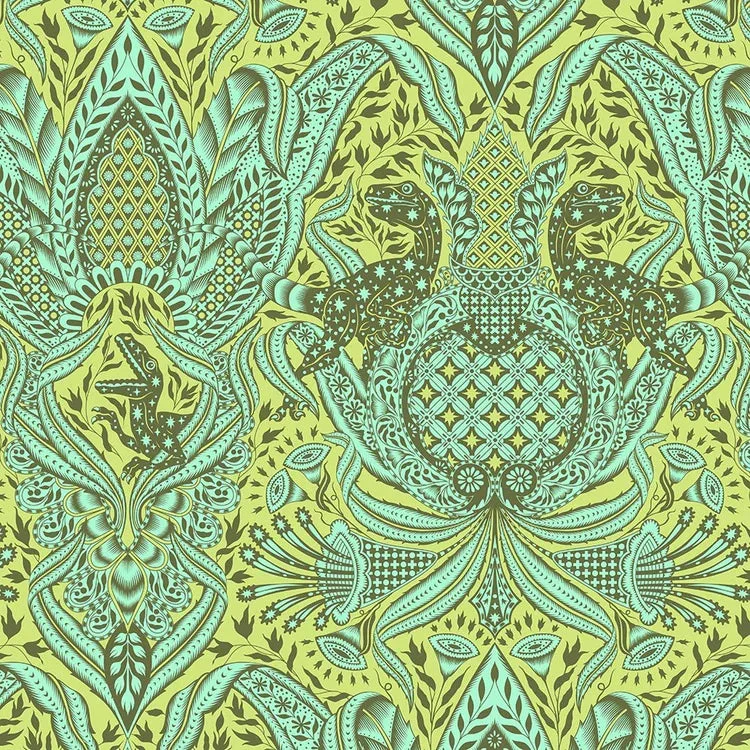
- Tula Pink ROAR! Gift Rapt - Lime 1/2 yd: 100% quilting-weight cotton, 44/45 inches wide, sold by the 1/2 yard, in a bright Lime colorway from the ROAR! collection. A vivid, saturated print like this is a good candidate for a bleeding test before it sits next to light fabrics.
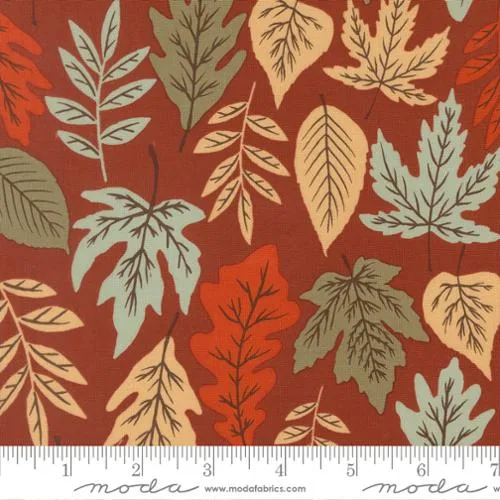
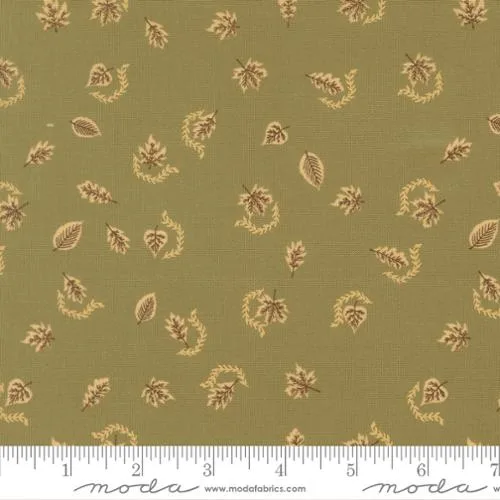
- Moda Windfall - Rust 1/2 yd: 100% quilting cotton in an earthy burnt-orange Rust colorway from the Windfall collection by Stephanie Sliwinski for Moda Fabrics. Deep, warm tones can be the fabrics most likely to release dye, so prewash or test them if your quilt mixes them with white.
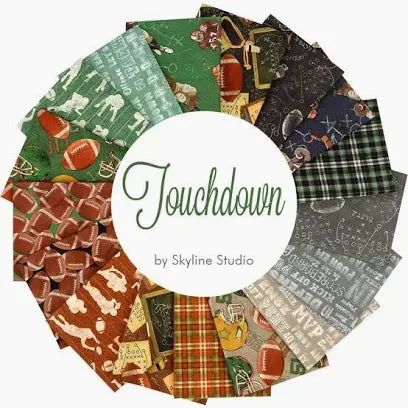
- Benartex Touchdown FQ Bundle - 17 Piece: A 17-piece fat quarter bundle of coordinated prints from the Touchdown collection, including football graphics, plaids and textured blenders. Because these are precut fat quarters, do not prewash them; treat the finished quilt with color catchers instead.
Prewashing is a tool, not a rule. Use it when shrinkage or bleeding genuinely threatens your project, skip it when crisp cutting matters more, and keep every precut out of the wash. Match the method to the quilt, and you will get predictable results without unnecessary work.