For decades, mental health research focused almost exclusively on the brain. But a growing body of evidence suggests that the state of your gut can significantly influence your mood, stress levels, and even cognitive function. This connection, known as the gut-brain axis, has opened up exciting possibilities for supporting mental wellness through diet and probiotics.
In this article, we'll explore how the gut and brain communicate, the role of probiotics in this relationship, and what the latest research says about using probiotic supplements to support mental health.
What Is the Gut-Brain Axis?
The gut-brain axis is a bidirectional communication system between your gastrointestinal tract and your brain. It involves the vagus nerve, which directly connects the gut and the brain, as well as immune, hormonal, and neural pathways. This means that your gut can send signals that affect your brain, and vice versa.
Your gut is home to trillions of microorganisms, collectively known as the gut microbiota. These microbes produce neurotransmitters like serotonin, dopamine, and GABA, which are crucial for mood regulation. In fact, around 90% of your body's serotonin is produced in the gut. This highlights why a balanced gut microbiome is essential for mental well-being.
- The vagus nerve is a key pathway in the gut-brain axis.
- Gut microbes produce neurotransmitters that influence mood.
- Stress can alter gut bacteria, affecting mental health.
How Probiotics Influence Mental Health
Probiotics are live beneficial bacteria that can help maintain or restore a healthy gut microbiome. By consuming probiotics, you may positively influence the gut-brain axis. Research suggests that certain probiotic strains can reduce symptoms of anxiety and depression, although results are still preliminary.
A systematic review of randomized controlled trials found that probiotics, particularly those containing Lactobacillus and Bifidobacterium strains, were associated with modest improvements in mood and anxiety. However, the evidence is not yet strong enough to recommend probiotics as a standalone treatment for mental health conditions. Instead, they are seen as a complementary approach to support overall well-being.
- Lactobacillus and Bifidobacterium are the most studied strains for mental health.
- Probiotics may help reduce inflammation, which is linked to depression.
- Consistency is key: benefits may take several weeks to appear.
Choosing the Right Probiotic Supplement
When selecting a probiotic for mental health, it's important to look for products that contain clinically studied strains and sufficient colony-forming units (CFUs). A daily dose of 1-10 billion CFUs is typical for general health, but some studies use higher doses. Also, consider the delivery form—capsules, powders, or gummies—based on your preference.
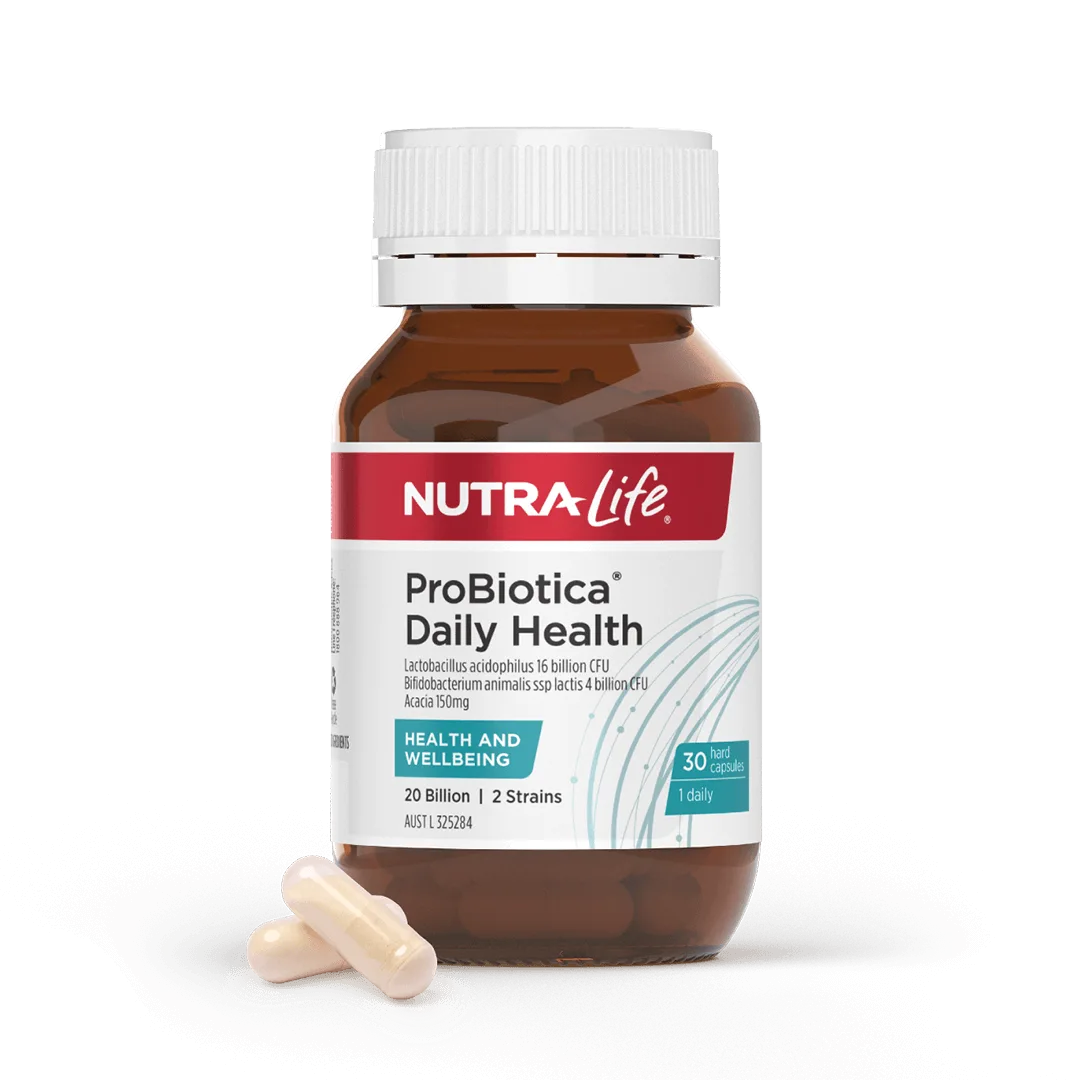
At Nutralife, we offer a range of probiotic supplements designed to support digestive and overall health. For example, Probiotica Daily Health is a comprehensive formula that includes multiple strains to promote a balanced gut microbiome. For children, Probiotica Kids Daily provides a gentle yet effective blend to support their developing immune and digestive systems.
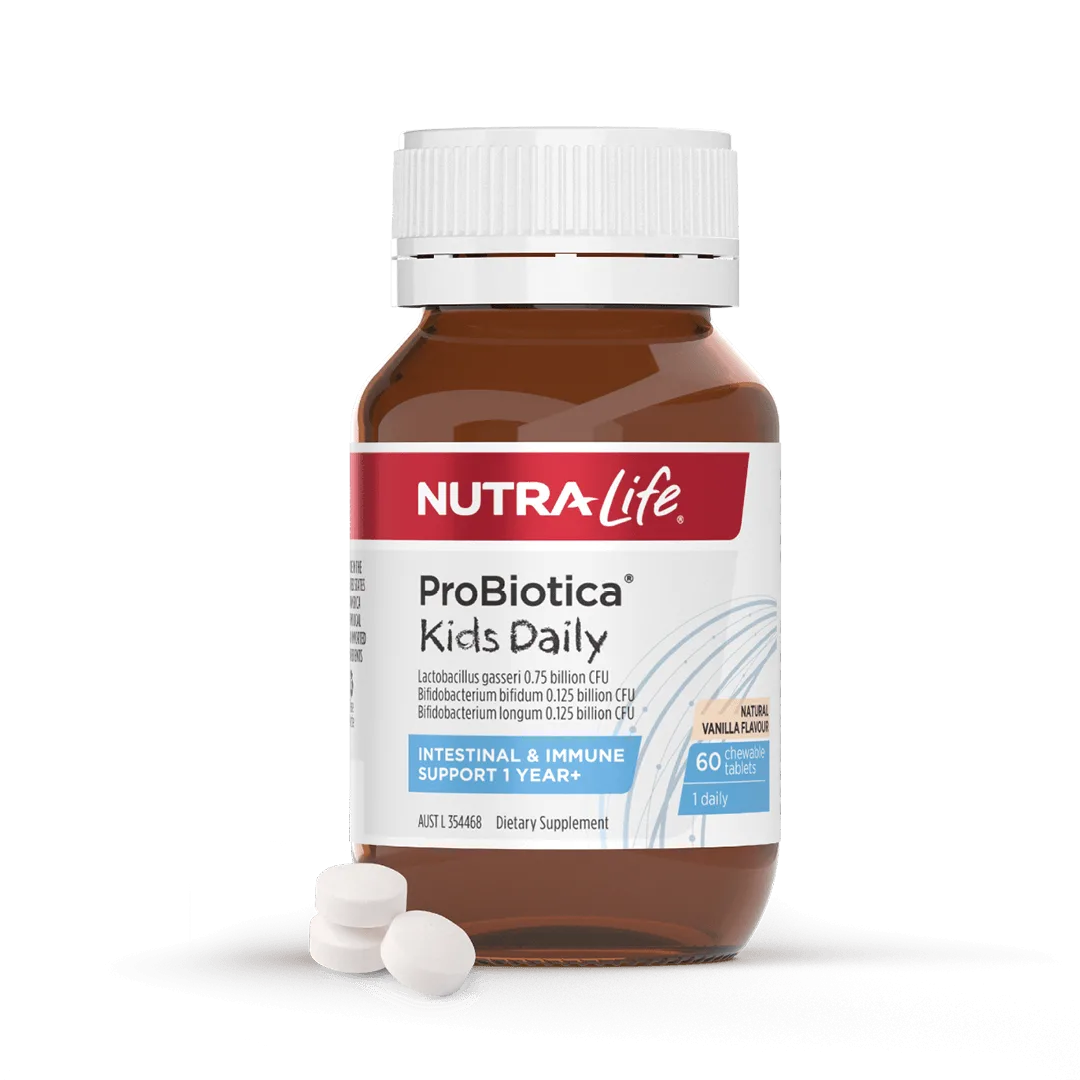
Probiotica Kids Daily
- Look for strains like Lactobacillus rhamnosus and Bifidobacterium longum.
- Check the expiration date to ensure viability.
- Store probiotics according to instructions, often in a cool, dry place.
Lifestyle Factors That Support the Gut-Brain Axis
While probiotics can be beneficial, they work best when combined with a healthy lifestyle. A diet rich in fiber, fermented foods, and prebiotics can nourish your gut bacteria. Regular physical activity and adequate sleep also positively influence the microbiome and mental health.
Stress management is crucial because chronic stress can disrupt gut bacteria and increase inflammation. Practices like mindfulness, meditation, and deep breathing can help regulate the gut-brain axis. Additionally, limiting processed foods and excessive alcohol can support a healthier gut environment.
- Include prebiotic foods like garlic, onions, and bananas.
- Aim for 7-9 hours of quality sleep per night.
- Incorporate stress-reducing activities into your daily routine.
The Future of Probiotics in Mental Health
The field of psychobiotics—probiotics specifically targeting mental health—is rapidly evolving. Researchers are identifying specific strains and dosages that may be most effective for conditions like anxiety and depression. While more clinical trials are needed, the potential is promising.
As we learn more about the gut-brain axis, it's likely that probiotic supplements will become a more integrated part of mental health care. However, they should not replace conventional treatments but rather complement them. Always consult with a healthcare professional before starting any new supplement, especially if you have a mental health condition.
- Psychobiotics is an emerging area of research.
- Personalized probiotics based on gut microbiome analysis may be the future.
- Probiotics are not a substitute for professional mental health treatment.
Probiotics offer a fascinating avenue for supporting mental health through the gut-brain axis. While research is still developing, incorporating a quality probiotic supplement like Probiotica Daily Health into your routine, alongside a healthy lifestyle, may contribute to better mood and overall well-being. Explore our range of probiotics and other wellness supplements at Nutralife to find the right support for you.