Quick answer
Choose the Protector vest GPS if your dog runs through sharp rocks and dense vegetation and you want an integrated GPS/radio pocket for your device. Choose the Protector suit F if you need full-body coverage against packing snow, mud, and ticks for year-round canicross. If your priority is a lightweight, stretchy layer that lets your dog move naturally, the suit is the better fit; if your priority is a reinforced chest piece plus a place to carry your GPS, the vest wins.
Protector vest
Coverage: full body vs. chest focus
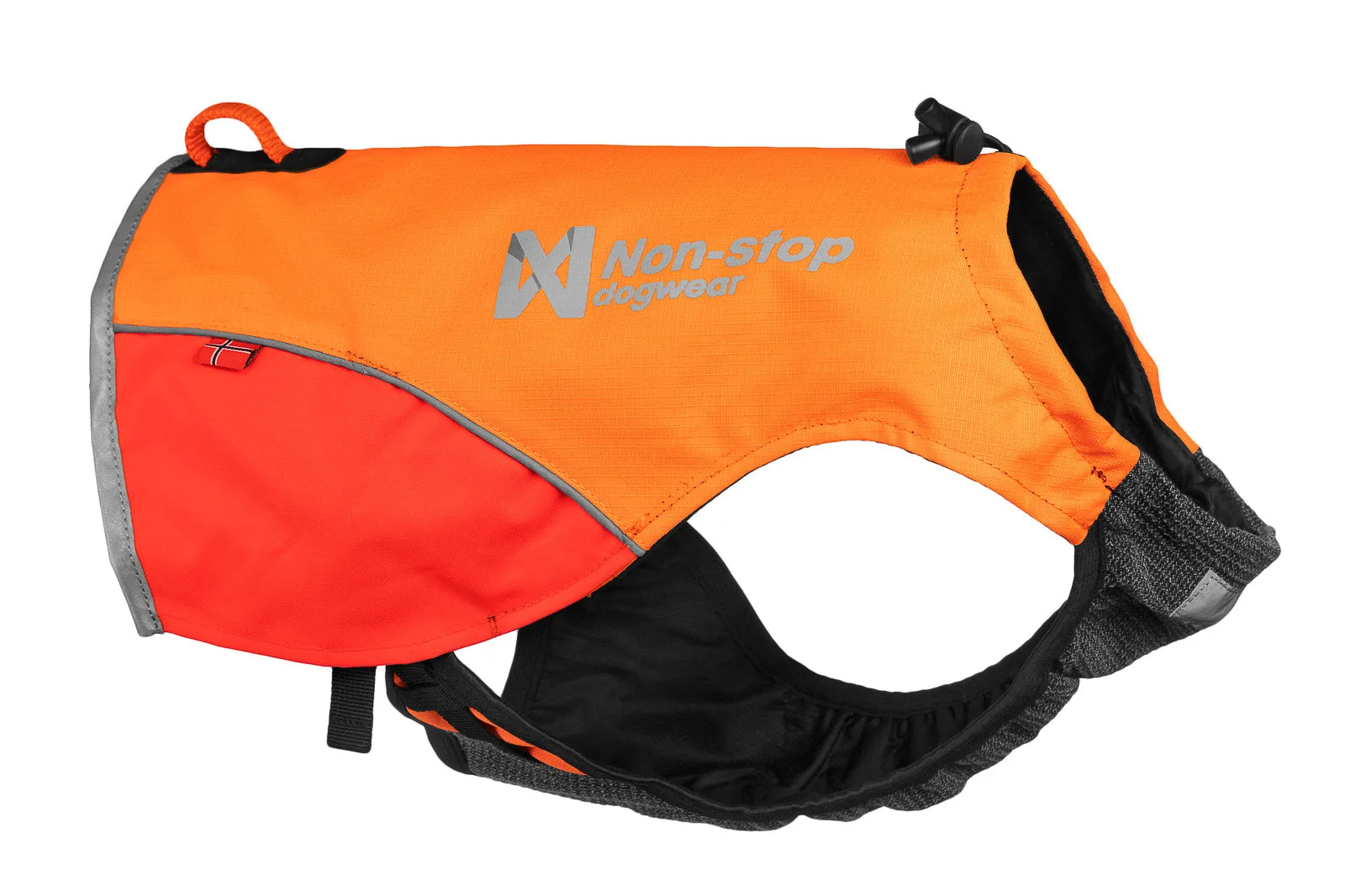
The two products solve different problems. The Protector suit F is a full-body suit: it shields your dog's body while allowing natural, unrestricted movement, and it is made for year-round use. That means it covers more surface area, which is why it handles packing snow, mud, and ticks. The Protector vest GPS is a hunting vest with an Aramid-fiber reinforced chest piece. It protects the dog from sharp rocks and vegetation, but it is not described as a full-body layer. If your canicross routes include brambles, scree, or tick-heavy trails, the suit's coverage is the more complete answer. If the main risk is chest and underside contact with rough terrain, the vest's reinforced chest piece is the targeted solution.
Carrying a GPS or radio: the vest's unique feature
The Protector vest GPS has an integrated GPS/radio pocket. That is a concrete difference, not a marketing extra: it means you can carry your tracking or communication device on the dog rather than on your own belt or in a backpack. For canicross safety gear, that matters on off-leash sections or in areas with poor visibility, because the device stays with the dog. The Protector suit F has no such pocket in its supplied description, so if device carry is a requirement, the vest is the only one of the two that meets it. If you do not carry a GPS or radio on your dog, that pocket is dead weight and the suit's full coverage becomes more valuable.
backpack
Material and movement: Aramid reinforcement vs. stretch
The vest's chest piece is reinforced with Aramid fiber, which is the reason it can stand up to sharp rocks and vegetation. That reinforcement is localized to the chest. The suit is described as lightweight and stretchy, with a design that allows natural, unrestricted movement across the body. In practice, a stretchy full-body suit tends to feel less restrictive on long canicross runs, while a reinforced chest piece gives more confidence in abrasive terrain. Neither product is described as waterproof or insulated, so do not assume either one replaces a winter coat or a rain layer. Treat them as protection layers, not weather layers.
Price and commitment
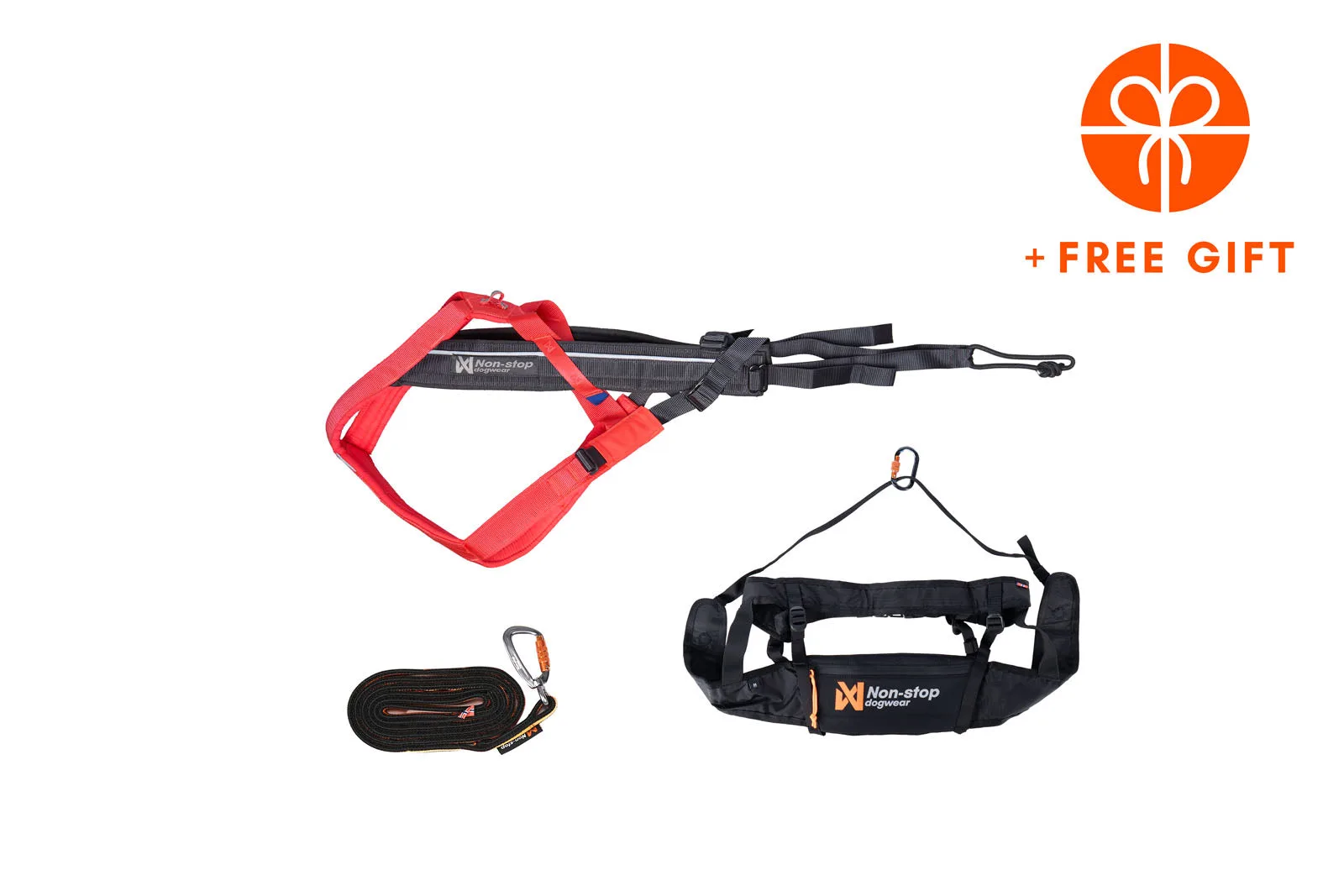
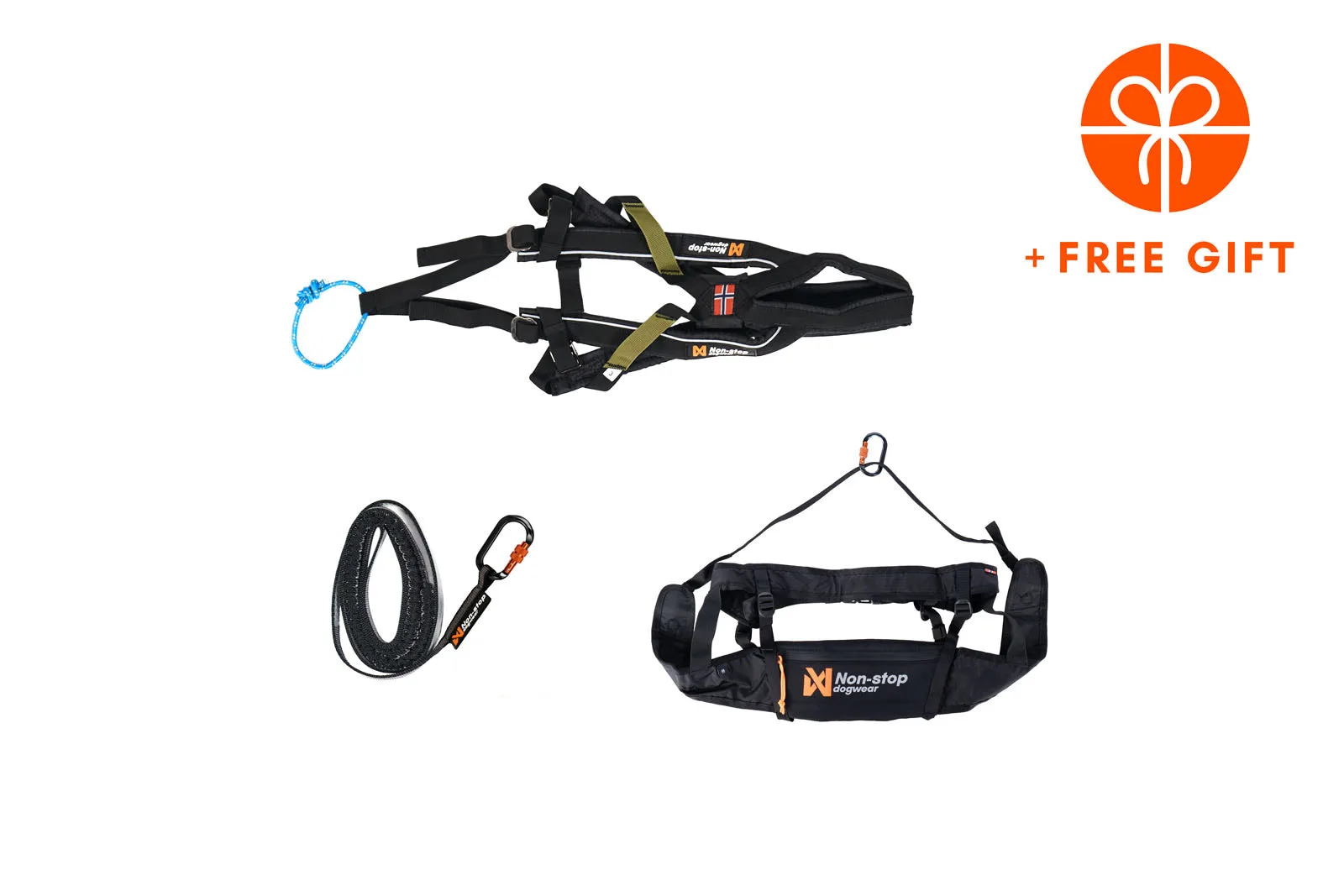
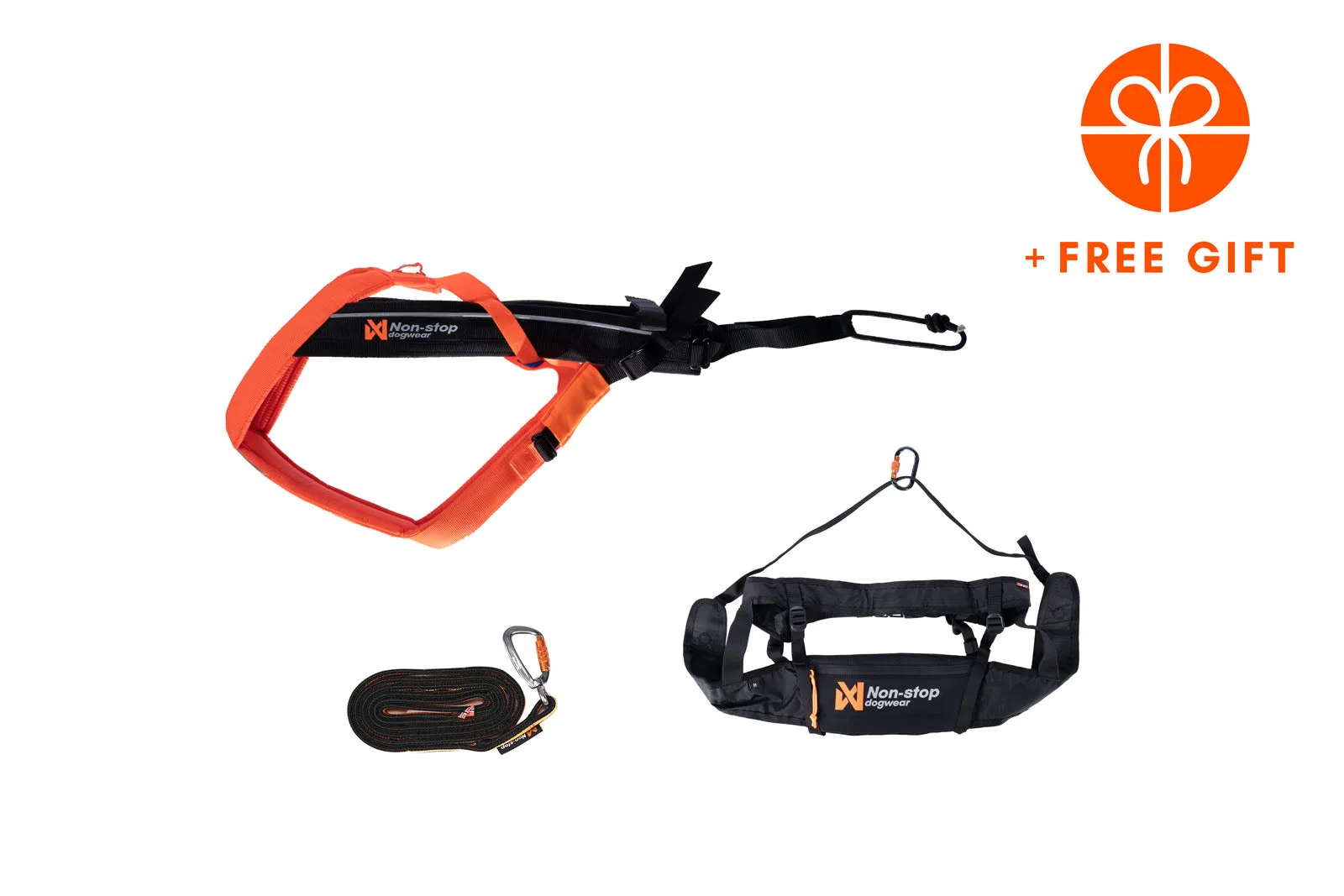
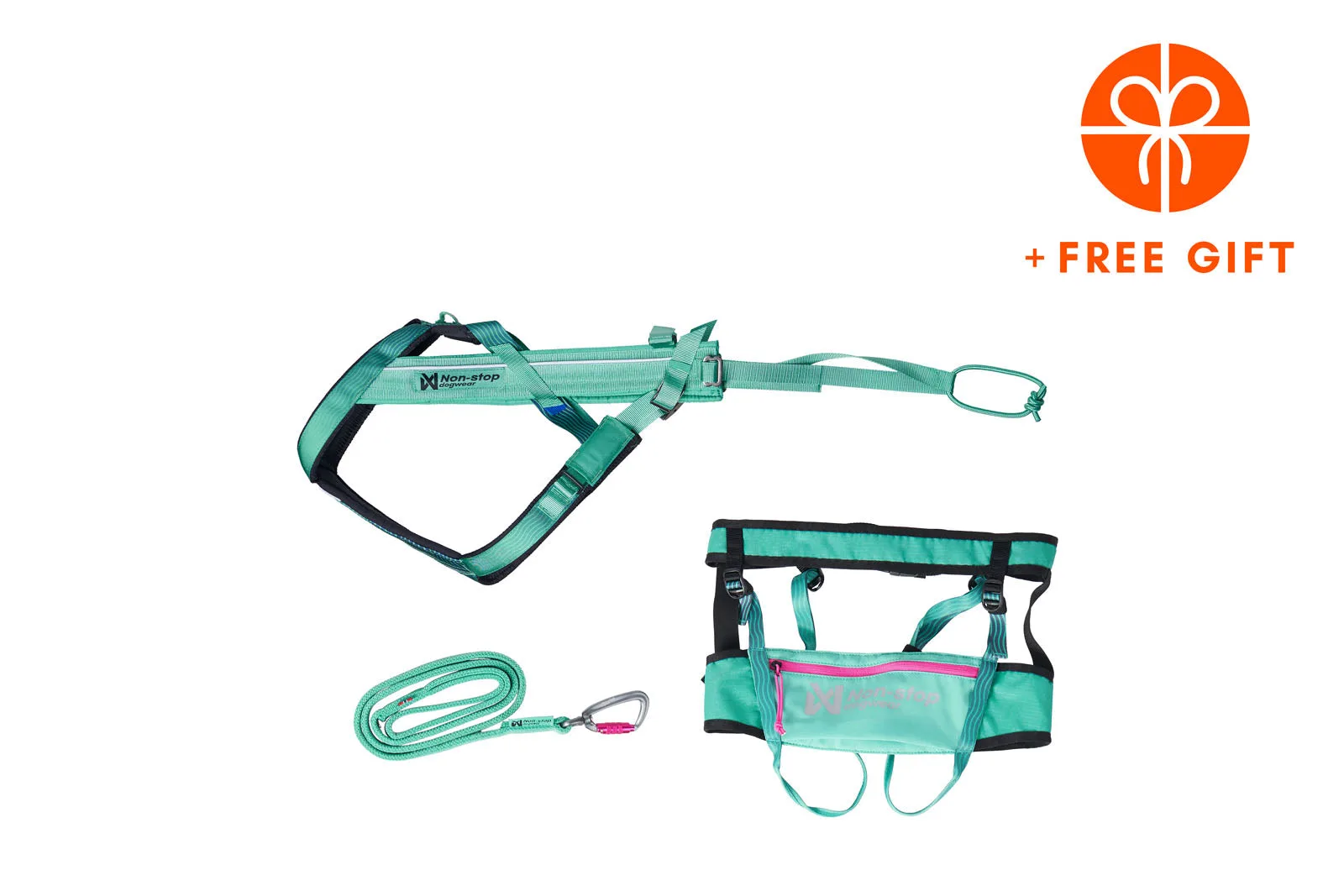
At catalog prices, the Protector vest GPS is USD 551.85 and the Protector suit F is USD 602.33. The gap is modest, so price alone should not decide this. The real commitment is how often you will use the feature you pay for. A GPS pocket only earns its keep if you actually run with a device on the dog. A full-body suit earns its keep if your trails are consistently muddy, snowy, or tick-prone. If you are building a canicross setup from scratch, note that the CaniX kit Teal bundles a https://nonstopdogwearoz.com/products/freemotion-harness-5-b3aec08d83ae6df2d3cd936d-582049Freemotion harness 5.0, a Bungee leash, and a CaniX belt 2.0, so protective clothing is a separate decision from your pulling and handling gear.
Trade-offs at a glance
- Coverage vs. focus: The suit F covers the full body for snow, mud, and ticks; the vest GPS concentrates protection in an Aramid-reinforced chest piece for rocks and vegetation. Pick coverage if your trails are messy; pick the chest piece if your trails are abrasive.
- Device carry vs. simplicity: Only the vest GPS has an integrated GPS/radio pocket. The suit F has no pocket in its supplied description. If you run with a GPS or radio on the dog, the vest is the only option here.
- Stretch vs. reinforcement: The suit is lightweight and stretchy for unrestricted movement; the vest uses Aramid fiber for durability against sharp contact. You are trading some abrasion resistance for all-over flexibility, or the reverse.
- Price difference is small: Catalog prices are USD 551.85 for the vest GPS and USD 602.33 for the suit F. Decide on the feature you will use, not the small price gap.
Product facts
- Protector vest GPS: A durable hunting vest with an integrated GPS/radio pocket. The Aramid-fiber reinforced chest piece protects the dog from sharp rocks and vegetation. Lets you carry a tracking or radio device on the dog and adds abrasion resistance exactly where rough terrain hits.
- Protector suit F: Less worries, more action. This full-body dog suit protects from packing snow, mud, ticks, and more. Made for year-round use, it shields your dog's body while allowing natural, unrestricted movement with a lightweight, stretchy design. Covers more of the body for messy or tick-heavy trails, and the stretchy build is intended to keep movement free.
- Bungee leash: A bungee leash developed for canicross, bikejoring, and skijoring. The entire length is elastic to give you and your dog a smooth experience when training together. Pairs with either protector option when you want shock absorption between you and the dog on the run.
Which one should you choose?
Best for
- Dogs running canicross or hunting routes with sharp rocks and dense vegetation where chest protection matters
- Owners who want to carry a GPS or radio device on the dog with an integrated pocket
- Dogs that need targeted abrasion resistance without a full-body layer
Not for
- Owners who need full-body coverage against packing snow, mud, and ticks
- Dogs that do best in a lightweight, stretchy layer for unrestricted movement
- Anyone who does not carry a GPS or radio on the dog and would not use the vest's pocket