Quick answer
Choose Quar Coftyran Cavalry if you want a fast, mobile force with lance-and-pistol riders that can flank and harass. Choose Persian Infantry if you need a durable, ranked battle line that holds ground and wins through attrition. Both boxes are hard plastic and come with significant discounts, so your decision should come down to playstyle, not price.
What each box gives you on the table
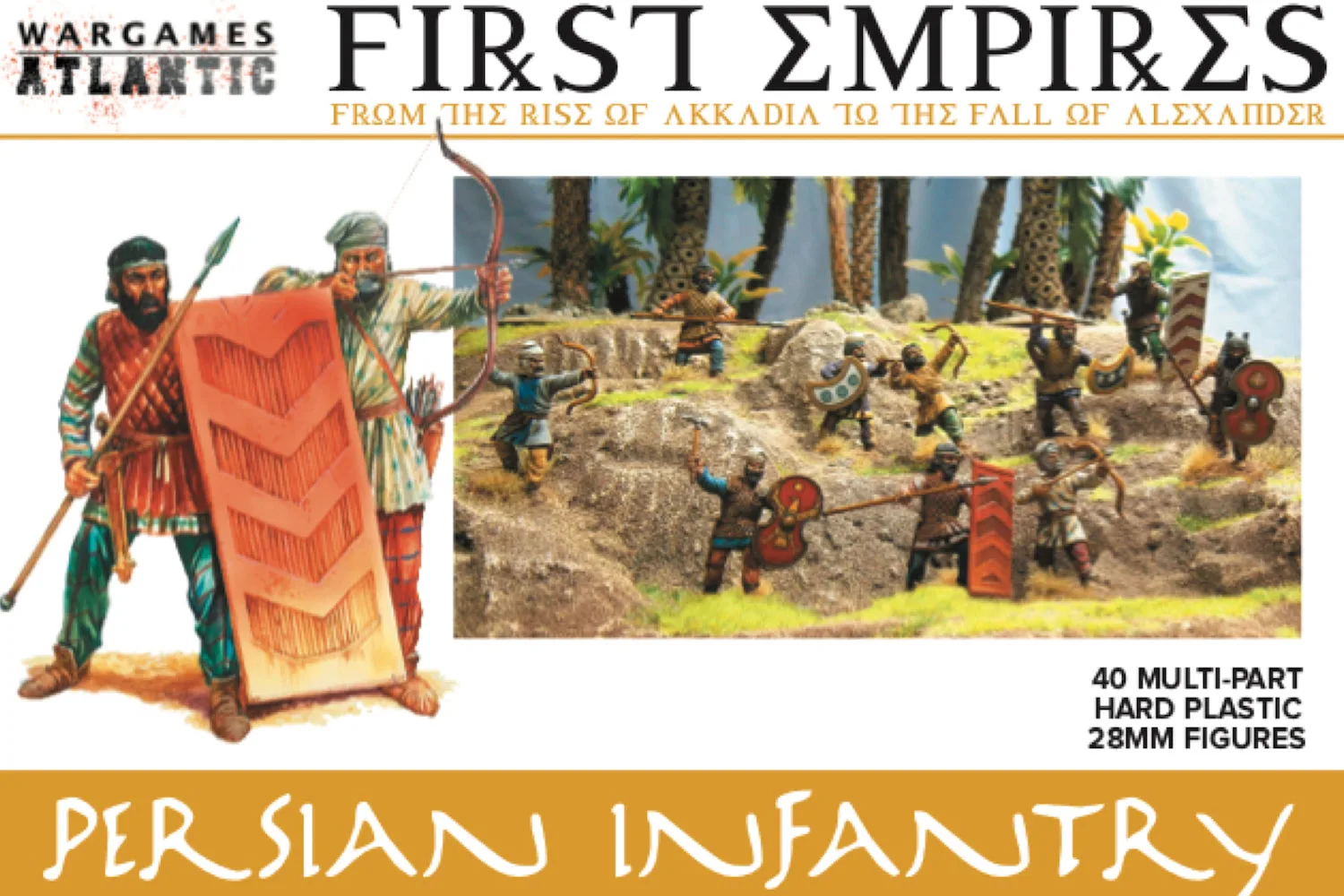
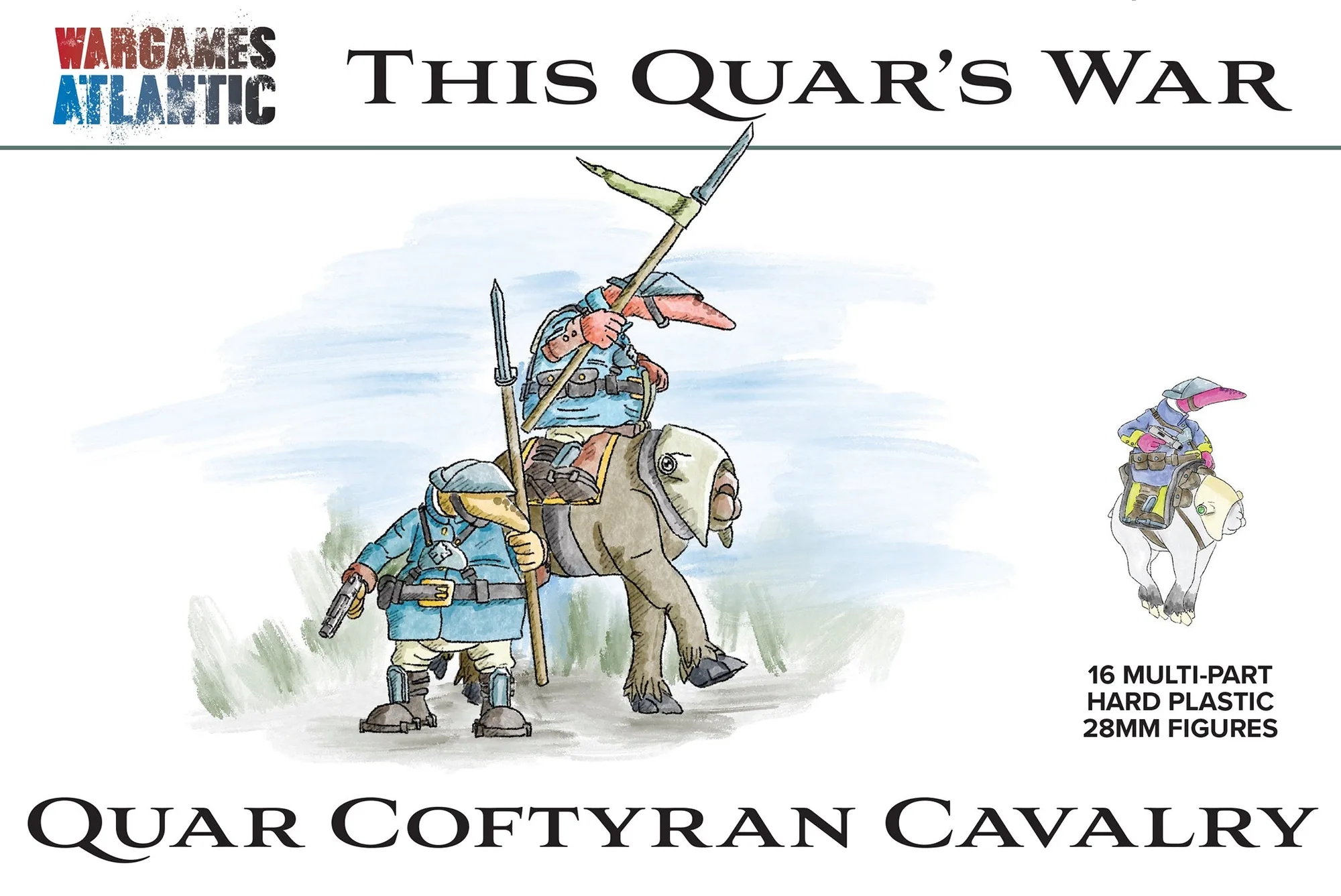
Quar Coftyran Cavalry are mounted on Cadier steeds and carry lances for charges and pistols for close combat, making them a mobile strike unit. Persian Infantry represent the ranked foot soldiers of the Achaemenid armies, including the elite Immortals, and are built for holding a battle line. The fundamental difference is speed versus staying power: cavalry wants to pick fights on its terms, while infantry wants to anchor objectives and absorb punishment.
Assembly and hobby time
Both are hard plastic kits, so you will clean, assemble, and paint them. Cavalry typically involves more parts per model because of the rider and mount, which means longer assembly time. Infantry are usually simpler and faster to batch-paint, which matters if you need a full unit ready for a game soon. If you enjoy converting, cavalry offer more opportunities for dynamic poses; if you want efficiency, infantry are the pragmatic choice.
Cost per model and value
At catalog prices, Quar Coftyran Cavalry is $25.57 (compared to $39.95) and Persian Infantry is $23.76 (compared to $38.95). Both are discounted, but the cavalry box likely contains fewer models because cavalry are larger and more complex. Calculate cost per model based on the actual model count in each box, which is not listed here, to see which gives you more figures for your money. If you need many models for a horde army, infantry usually wins on cost per figure.
How they play in historical and sci-fi settings
Persian Infantry are grounded in historical Achaemenid armies and fit any ancient-era game. Quar Coftyran Cavalry are part of the sci-fi Quar universe, so they suit weird-war or fantasy settings. If you play both historical and sci-fi, you can still use the cavalry as counts-as in a historical game, but the models have a distinct look that may not blend with strictly historical forces. Your opponent's expectations matter here.
Mixing the two in one army
You can combine them if your rules allow allies or if you are building a narrative force. Cavalry can screen infantry or chase down skirmishers, while infantry hold the center. The risk is visual and thematic mismatch: Quar cavalry are alien-looking, while Persian infantry are historical. If you want a cohesive army, pick one range. If you want a conversation piece, mixing can work but requires a story.
Trade-offs to weigh before you buy
- Mobility vs. durability: Cavalry can redeploy quickly and choose their fights, but they are more vulnerable to sustained shooting and attrition. Infantry hold ground better but cannot respond to threats across the table as quickly. Pick cavalry if your plan involves movement and disruption; pick infantry if you prefer a solid, predictable battle line.
- Historical vs. sci-fi: Persian Infantry fit historical ancient games, while Quar Coftyran Cavalry belong to a sci-fi universe. Your choice may depend on what your gaming group plays. If you play both, consider buying one box for each system rather than mixing them in one army.
- Assembly complexity: Cavalry models typically have more parts per figure, so they take longer to assemble and paint. Infantry are simpler and quicker to get to the table. If you have limited hobby time, infantry will get you gaming faster.
Key facts at a glance
- Quar Coftyran Cavalry: Mounted atop swift, loyal Cadier steeds, these riders serve as the eyes, ears, and the swift blade of the Crymuster. Armed with lances for the charge and pistols for close combat. Gives you a fast, hard-hitting unit that can flank and harass, but requires careful positioning to avoid being bogged down.
- Persian Infantry: Led by the elite Immortals, Persian armies were built from the many kingdoms and tribes conquered first by the Achaemenids including the Median, Lydian, and the Babylonian empires. Provides a historically grounded core for ancient armies, with a variety of troop types to build a balanced force.
Which should you choose?
Best for
- Players who want a fast, mobile unit for flanking and harassment
- Sci-fi or weird-war gamers building a Quar force
- Hobbyists who enjoy assembling and painting cavalry models
Not for
- Players who need a durable anvil unit to hold objectives
- Historical gamers who want strictly accurate ancient armies
- Anyone with very limited assembly time who needs models ready quickly