Quick answer
Start with a chunky first bead set and a short, thick lace, then teach in this order: free stringing, color sorting, two-color patterns, and finally pattern cards. Keep sessions to 10-15 minutes and stop while your toddler still wants more. The Rainbow Stringing Beads for Toddlers 46 Pcs set is built for this first stage because the jumbo beads are easy for small hands to grasp.
Set up the workspace before you introduce the beads
Use a low tray or shallow bin with a rim so beads cannot roll onto the floor. Sit beside your toddler rather than across from them; you will need to guide the lace tip into the bead hole at first, and side-by-side positioning makes that easier. Keep the set's lace knotted at one end so beads do not slide off mid-string, and choose a time when your child is fed and rested. A 10-minute window is plenty for a first attempt.
Teach the grip before you teach the pattern
Handling a lace and a bead at the same time is two skills, not one. Let your toddler hold the bead in their non-dominant hand and the lace in their dominant hand, then guide the lace tip toward the hole. If they swap hands, that is normal at this age. The goal is not speed; it is getting the tip through the hole with less help each time.
Move from free stringing to color sorting
Once your toddler can thread three or four beads with minimal help, add a sorting step. Ask them to find all the red beads before stringing, then all the blue. This builds color recognition and gives them a reason to pick up and release beads repeatedly, which is the same motion used in lacing activities preschool teachers use. If your child loses interest in sorting, return to free stringing for a session or two.
Introduce two-color patterns, then rainbow bead patterns
Two-color patterns are the bridge between sorting and real sequencing. String one red, one yellow, one red, one yellow, and ask your toddler to continue. Say the pattern out loud as you go: red, yellow, red, yellow. When that feels easy, expand to three colors and then a full rainbow order. Rainbow bead patterns work well because the color sequence is visible and repeatable, so your child can check their own work against the beads already on the lace.
Use bead pattern cards when your child is ready to work independently
Bead pattern cards turn stringing into a matching task: your toddler looks at the card, finds the next bead, and threads it. This is a bigger cognitive jump than it looks, because it requires holding the pattern in mind while manipulating the lace. Start with a two-color card and place the card directly next to the tray. If your child keeps losing their place, cover all but the next bead on the card with your finger.
Your 6-step bead stringing progression
- Step 1: Free stringing with one color: Put out five or six beads of a single color and let your toddler thread them onto a knotted lace with no pattern to follow. Checkpoint: your child can get the lace tip into the hole at least once without you holding the bead.
- Step 2: Two-color sorting: Ask your toddler to separate beads into two piles by color before stringing anything. Common mistake: sorting too many colors at once. Stick to two until the piles are reliable.
- Step 3: Alternate two colors: Start a red-yellow-red-yellow sequence and invite your child to add the next bead. Checkpoint: your toddler adds the correct next color two times in a row.
- Step 4: Say the pattern out loud: Narrate the sequence as your child strings: red, yellow, red, yellow. Hearing the pattern supports the visual one. Common mistake: correcting a wrong bead immediately. Let the finished string show the error instead.
- Step 5: Build a rainbow order: Lay out beads in rainbow order and have your toddler string them in that sequence from left to right. Checkpoint: your child can complete a full rainbow row with one or two prompts.
- Step 6: Match a bead pattern card: Place a pattern card beside the tray and have your toddler copy it bead by bead onto the lace. Next step: increase card length or add a third color once matching is smooth.
Which bead set fits this plan
- Rainbow Stringing Beads for Toddlers 46 Pcs | Stringing Beads: The Primary Lacing & Stringing Bead Set is described as an ideal first stringing set for a baby or toddler because the chunky and large beads are easy for little hands to grasp and handle. Large beads reduce the frustration of missed holes, so a toddler can succeed at step one before patterns are introduced.
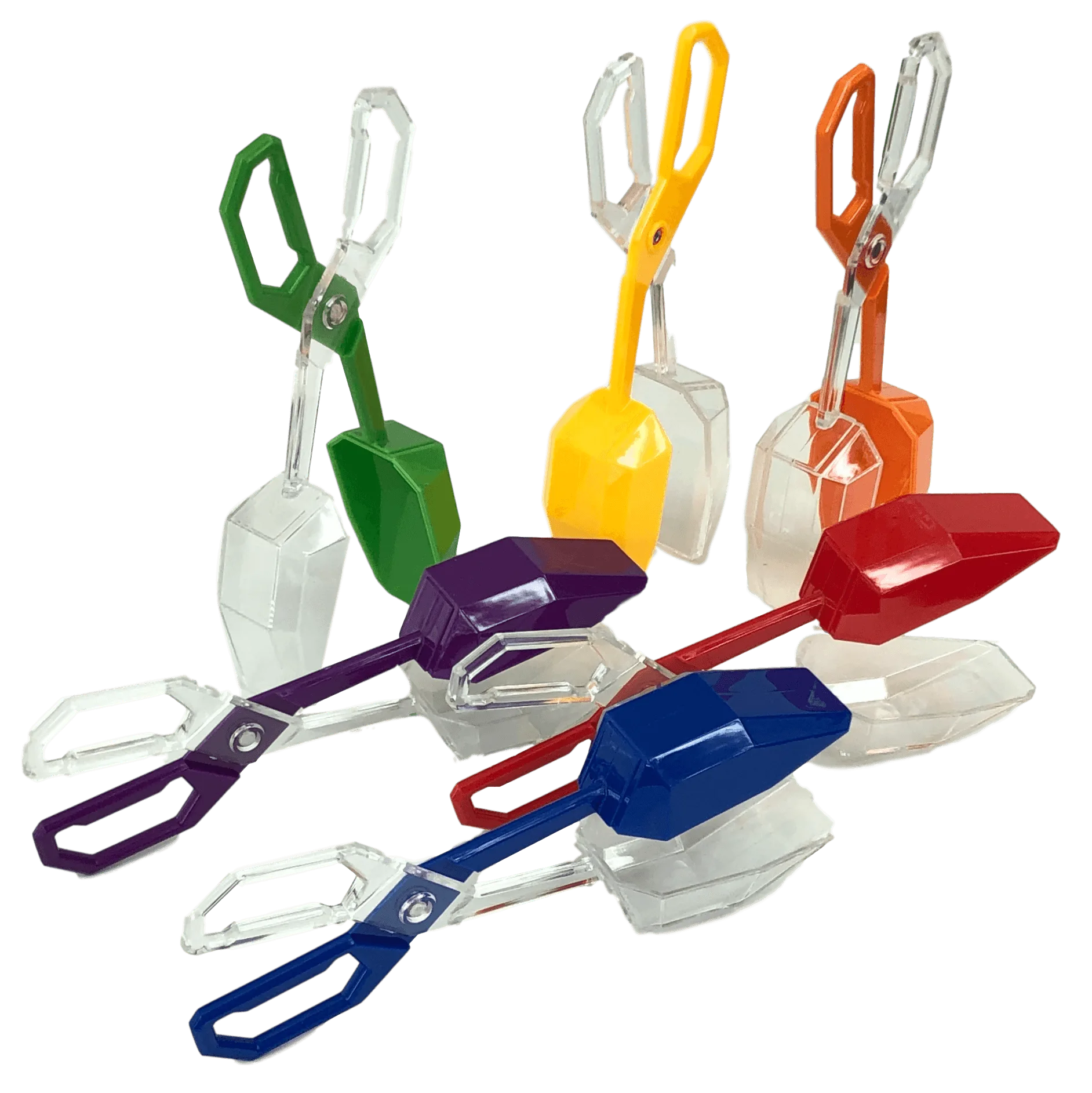
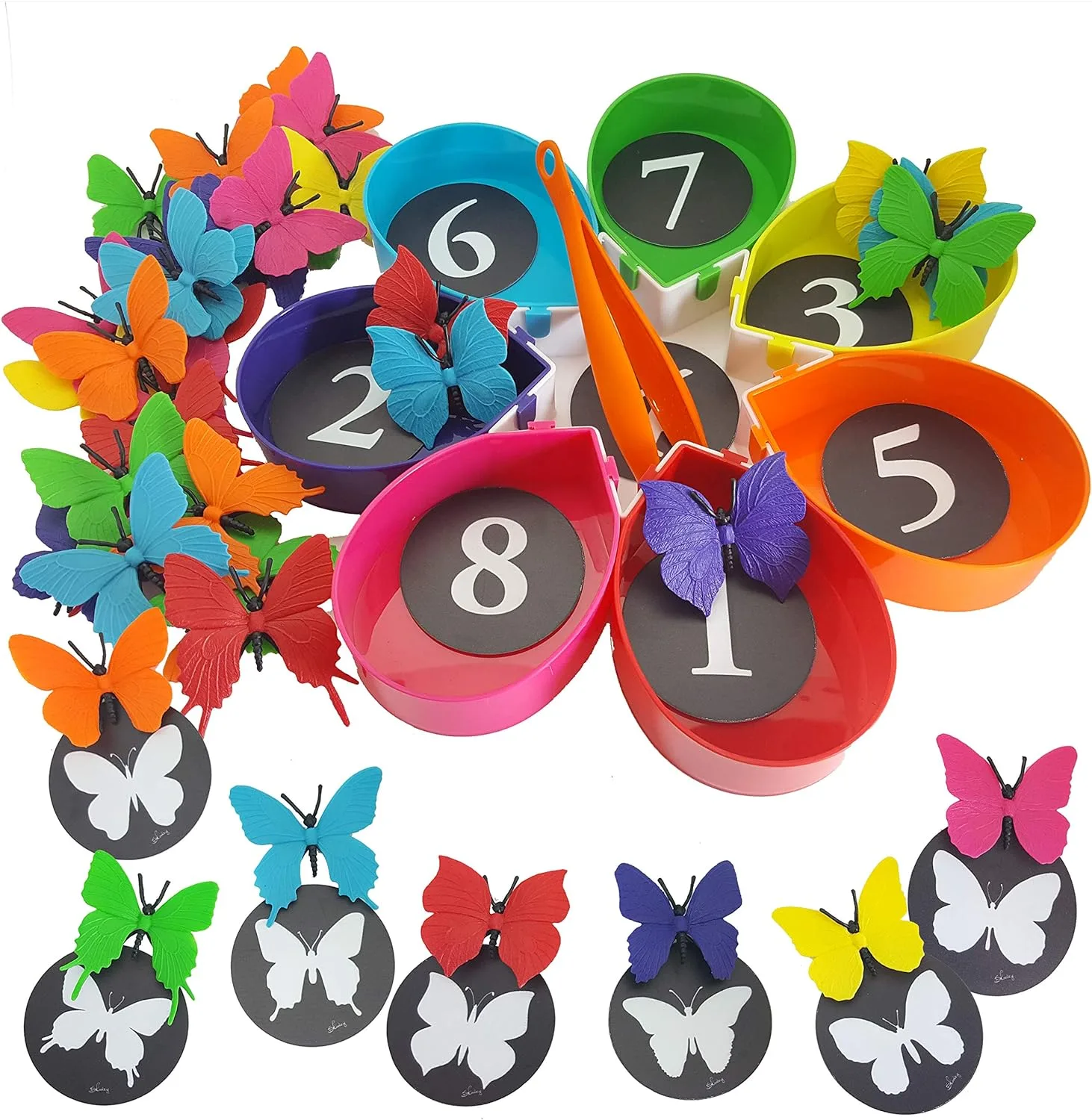
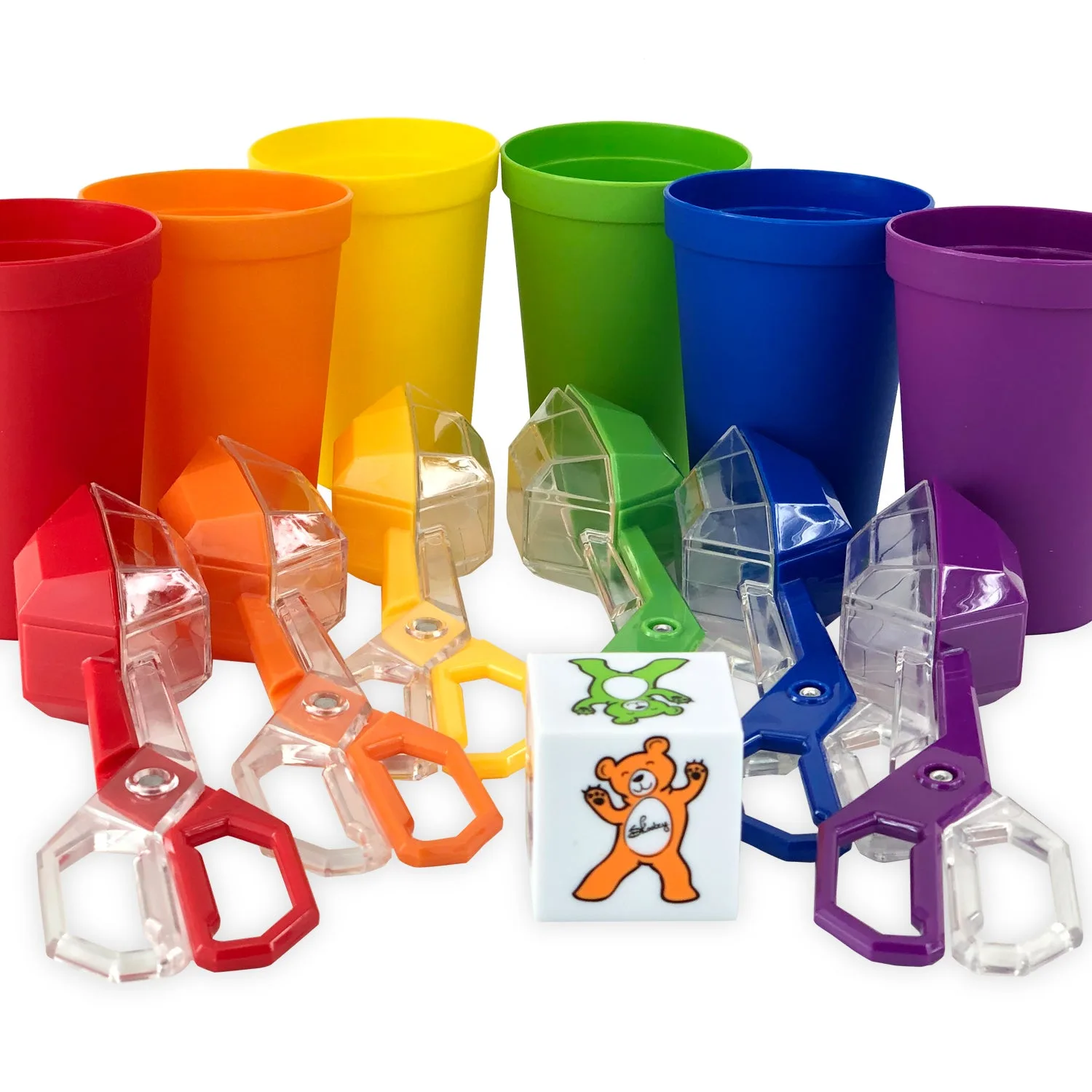
- Fine Motor Skills Toys - Color Sorting Toys for Toddlers Tools Set - Sensory Bin Rainbow Cups, Dice and Scoop Tongs for Kids Montessori Materials Ages 3+: The Fine Motor Skills Tools Set includes rainbow cups, dice, and scoop tongs for picking, scooping, and sorting small objects such as beads, buttons, or blocks. If your toddler is not ready to thread a lace yet, the tongs and cups let them practice the same pick-and-release hand motion without the precision of a bead hole.
If your toddler is still mouthing objects or cannot yet hold a lace and bead at the same time, pause stringing and build the pick-and-release motion first with tongs and cups. Return to the bead set when your child can hold a bead steady in one hand for a few seconds.