Quick answer
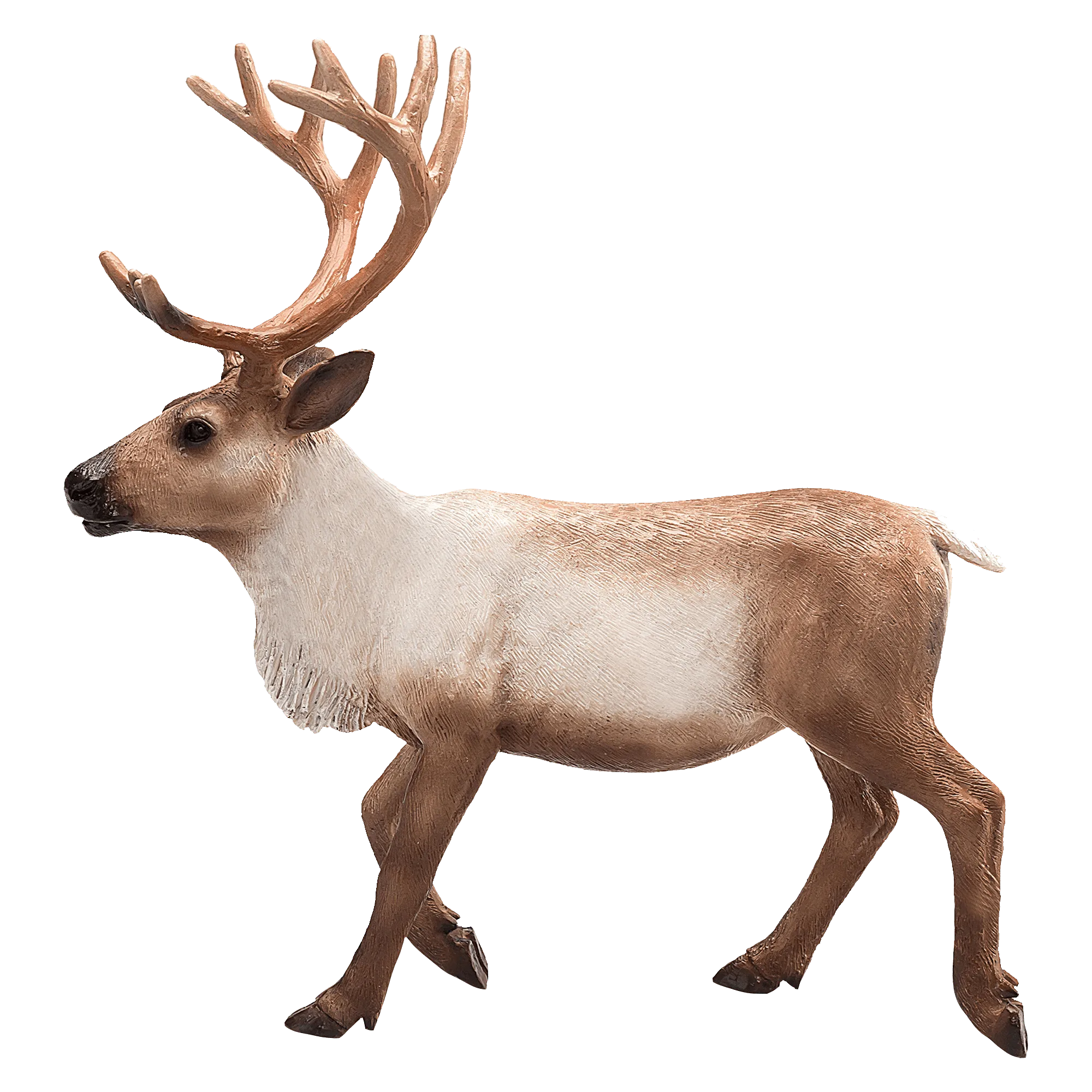
Most reindeer figure antlers break at the thin tips or at the base joint where the antler meets the skull, usually after a drop, a tight shelf fit, or repeated handling. Glue the break only after the joint is clean and dry, support the antler while the adhesive cures, and store the figure upright with the antlers facing away from other hard objects. If the antler is missing, crushed, or the break runs through a painted surface, replace the figure instead of repairing it.
Why reindeer antlers break more than other parts
Antlers are the thinnest, most exposed part of a reindeer model. The long legs and hooves of a reindeer figure are usually thick enough to survive a short fall, but the antler tips taper to a fine point. That taper is what makes the figure look accurate, and it is also what makes it vulnerable. A reindeer figure that shares a shelf with heavier animal figures can lose an antler tip without any obvious impact, because the tip catches on a neighboring model during dusting or repositioning.
The base joint is the second weak point. Where the antler meets the head, the contact area is small. If the figure is picked up by the antlers instead of the body, the joint takes the full weight of the model. Over time that stress can loosen the antler even if it never fully snaps off.
How to repair a broken antler without making it worse
Work on a clean, well-lit surface. Test-fit the broken pieces before applying any adhesive so you know the correct alignment. Use a small amount of adhesive on one side only, press the pieces together for the full cure time listed on the product, and support the antler with a soft prop such as a folded cloth while it sets. Wipe away any squeeze-out immediately with a dry cotton swab, because cured adhesive on painted surfaces is difficult to remove without lifting the paint.
If the break is at the base joint and the antler still fits, hold the head steady with one hand and press the antler into place with the other. Do not rotate the antler once the adhesive is applied. For a tip break, a tiny drop is enough; a large bead will harden into a visible lump that changes the silhouette.
Storage and handling habits that prevent the next break
Store reindeer figures upright on a stable shelf with at least a finger-width of space around the antlers. Avoid stacking figures in a storage bin, and never lay a reindeer figure on its side for long periods, because the antler tips carry the weight. When moving the figure, grip the body or the base, not the antlers or legs.
Dust with a soft brush rather than a cloth. A cloth catches on antler tips and pulls them sideways. Keep the figure out of direct sunlight and away from heat sources, since repeated warming and cooling can make thin painted sections more brittle over time.
When to stop repairing and replace the figure
Stop repairing if the antler is missing, if the break has crushed or splintered the plastic, or if the crack runs through a painted area and the paint is already lifting. A repair in those cases will not hold and can damage the surrounding finish. If the figure is a display centerpiece and the antler shape matters to you, a replacement is the more reliable choice. A new reindeer figure also gives you a fresh start on storage habits, which is often the real fix.
Antler break diagnosis
- Symptom: antler tip snaps off cleanly: The break is at the thin end and the two pieces fit back together with no missing material. Repair with a small amount of adhesive and support the tip while it cures.
- Symptom: antler wobbles at the base: The joint is loose but the antler is still attached and the paint around the base is intact. Stop handling the figure by the antlers; if it worsens, repair the base joint or replace the figure.
- Symptom: antler is missing or crushed: The broken piece cannot be found, or the break has splintered the plastic and damaged the paint. Do not attempt a repair; choose a replacement figure instead.
Product facts
- Reindeer: Reindeer don't fly, but they do sometimes have red noses. These animals are part of the deer family, or Cervidae, which includes deer, elk, moose and wapiti. Like others in their family, reindeers have long legs, hooves and antlers. The long legs and antlers that make this figure recognizable are also the parts most likely to catch on shelves or break in a fall, so handle and store it with those thin sections in mind.
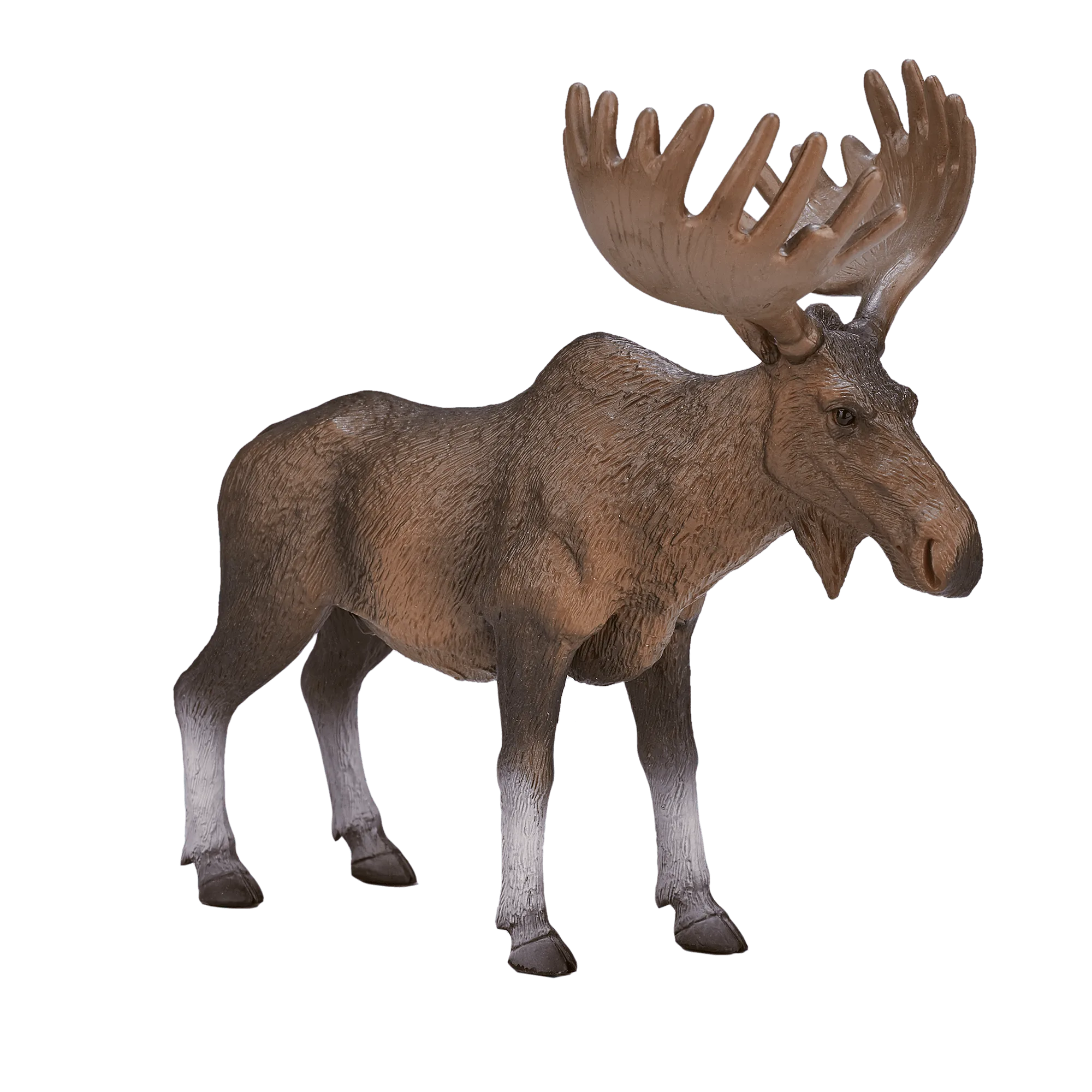
moose
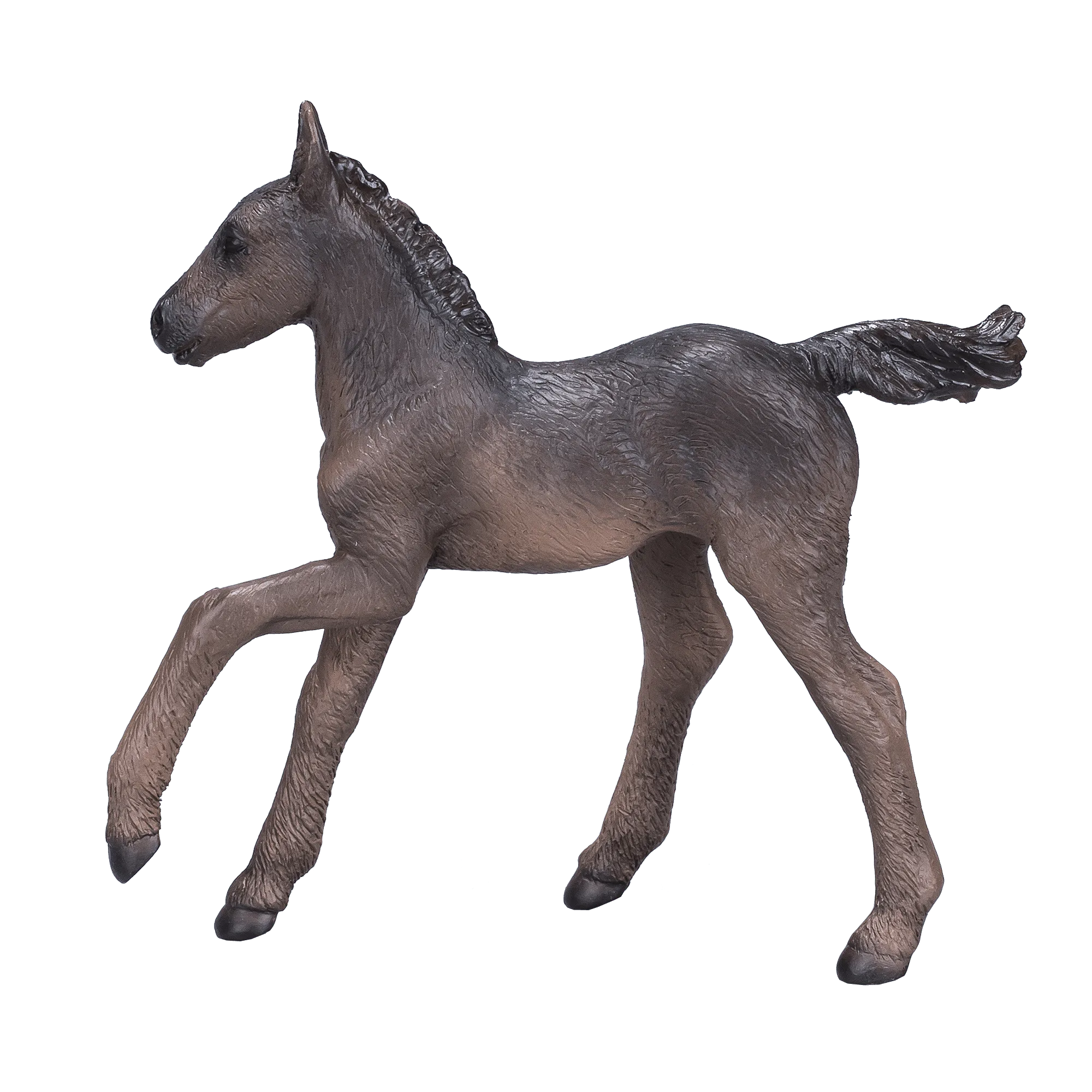
- Arabian Foal Black: The Arabian horses have a beautiful and unique appearance. They are generally small in stature but readily recognized by their dished face and fine features. Fine features on a small figure need the same gentle handling as reindeer antlers, so if you display both, keep them on a stable shelf with space between them rather than packed together.