Quick answer
A removable airbag system is a self-contained unit — airbag, trigger handle, and gas or fan inflation mechanism — that you can install in a compatible snow pack or take out and move to another compatible pack. It works by inflating a large airbag behind your head and shoulders when you pull the handle, which adds volume and can help keep you nearer the surface in a slide. It is not a substitute for a beacon, shovel, probe, and training; it is one more tool in a complete avalanche safety kit.
How deployment actually works
When you pull the trigger handle, the system releases compressed gas or starts a fan that fills the airbag in roughly two to four seconds. The inflated bag sits behind your head and shoulders, adding volume that creates buoyancy and drag in moving snow. You pull the handle with one firm motion. If you fall in a slide, the goal is to deploy early and stay on the surface rather than get buried. A deployed airbag also gives rescuers a large visual target.
- Pull the handle hard and early — a half pull may not fire the system.
- Keep the handle accessible and not buried under a jacket or strap.
- After any deployment, the canister or cartridge must be refilled or replaced before the system is ready again.
What “removable” means in practice
A removable system is built as a module: the airbag, trigger, and inflation mechanism can be unzipped or unclipped from a compatible pack and installed in another compatible pack from the same brand. That lets one system serve a small day pack for lift-accessed days and a larger pack for longer tours. It also means you can leave the system at home and use the pack as a normal snow backpack when you are not traveling in avalanche terrain. The tradeoff is that compatibility is brand- and model-specific. A module from one brand generally will not fit another brand’s pack, and not every pack in a line accepts a removable system. Check the pack’s product page or manual for explicit compatibility before you buy.
Canister versus fan: which should you choose
Compressed-gas systems are typically lighter and have a lower profile, but the canister must be refilled or exchanged after every deployment and air travel with a charged canister is restricted. Fan-powered systems run on a rechargeable battery, can be redeployed multiple times in a day for practice, and avoid canister shipping rules, but they are generally heavier and need charging before a trip. Neither is universally better. Choose based on how you travel, how often you practice, and how much weight you are willing to carry.
What to check before you buy
Confirm the pack is explicitly compatible with the system you want, then check the pack volume against your typical day. A 20-25 liter pack suits short tours and lift days, while longer tours need more space for layers, water, and rescue gear. Verify that the trigger handle sits on the shoulder strap where you can reach it with either hand, and that the pack has a dedicated pocket or sleeve for the system so it does not shift. If you already own a compatible pack, you may only need the system module. If you are starting fresh, buy the pack and system together so you know they fit.
Practice and maintenance
Deploy the system at least once per season in a safe setting, following the manufacturer’s instructions, so you know the pull force and timing. Inspect the airbag fabric, trigger cable, and connections for wear, and check the canister pressure or battery charge before every trip. Store the system dry and unloaded according to the manual. If you are unsure whether your setup is ready, have a shop that sells the brand inspect it. A system that has not been checked is not a safety system.
Avalanche airbag backpack FAQ
Does an airbag backpack guarantee I will survive an avalanche?
No. An airbag adds buoyancy and volume, which can help keep you near the surface, but it does not prevent burial in every situation. Survival depends on terrain, snowpack, depth, and how quickly companions can locate and dig you out. Treat the airbag as one part of a complete kit: beacon, shovel, probe, training, and conservative decision-making.
Can I move a removable system between packs?
Usually only between compatible packs from the same brand and system family. The module, trigger routing, and attachment points are model-specific, so a system from one brand typically will not fit another brand’s pack. Check compatibility on the pack’s product page or manual before you buy, and buy the pack and system together when possible.
How often should I practice deploying it?
Deploy at least once per season in a safe setting, following the manufacturer’s instructions. Practice helps you learn the pull force and confirm the handle is reachable with gloves on. After any deployment, refill or replace the canister, or recharge the battery, before the next trip.
What about a snow utility vest with an airbag?
Some riders prefer a vest-style carrier for a closer fit and easier access to the trigger. The same rules apply: confirm the vest is compatible with your airbag system, that the trigger sits where you can reach it, and that the vest has room for your beacon, shovel, and probe. Fit and trigger access matter more than the vest-versus-backpack label.
Products that fit this conversation
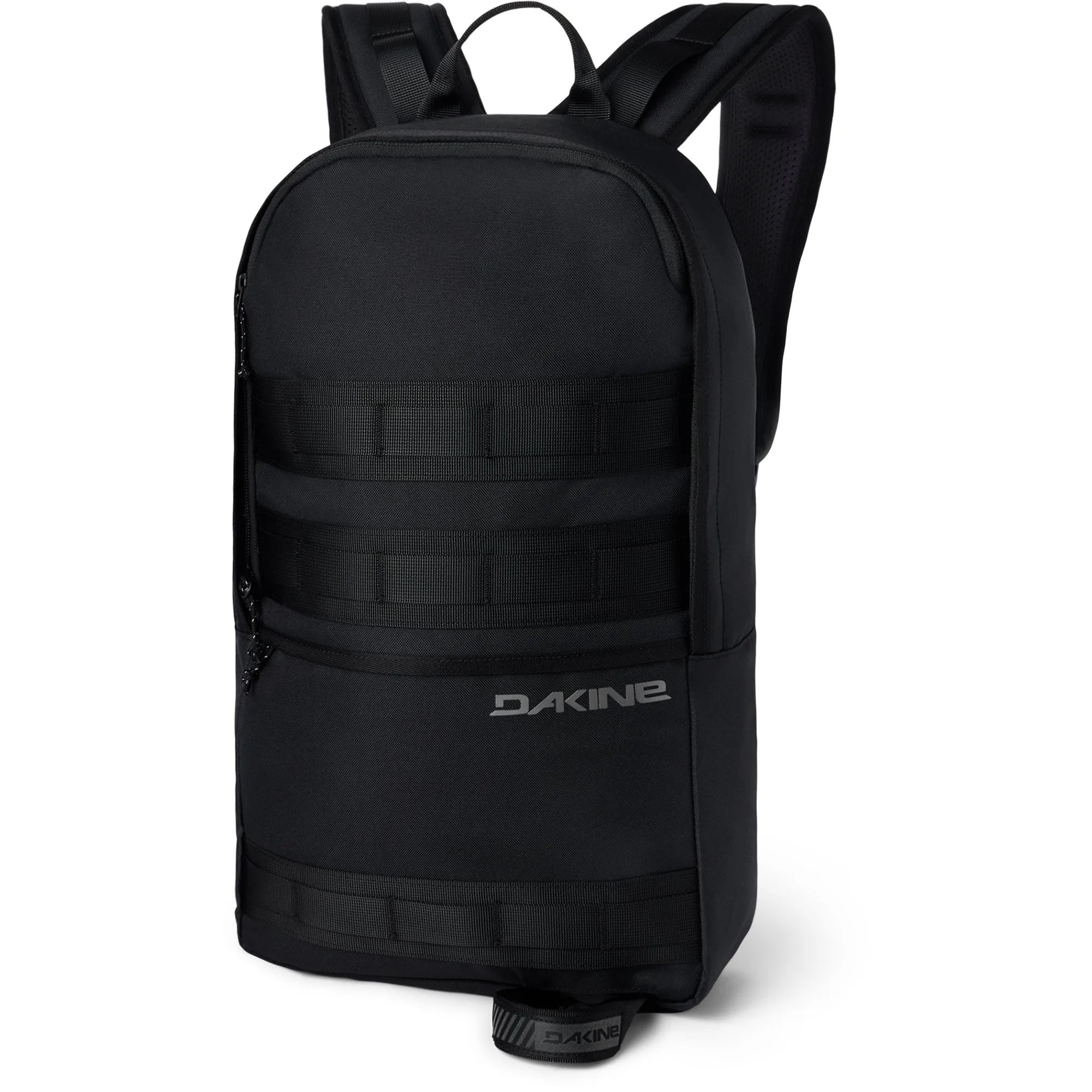
- 96 Heli Street Backpack 22L: The 96 Heli Street Backpack 22L is a lifestyle snow backpack with a 22-liter capacity, available in multiple colors and sizes. A 22L pack is a practical size for short tours and lift-accessed days, and the color and size options let you match it to your kit. Check the product page to confirm whether this specific model accepts a removable airbag system before you buy.
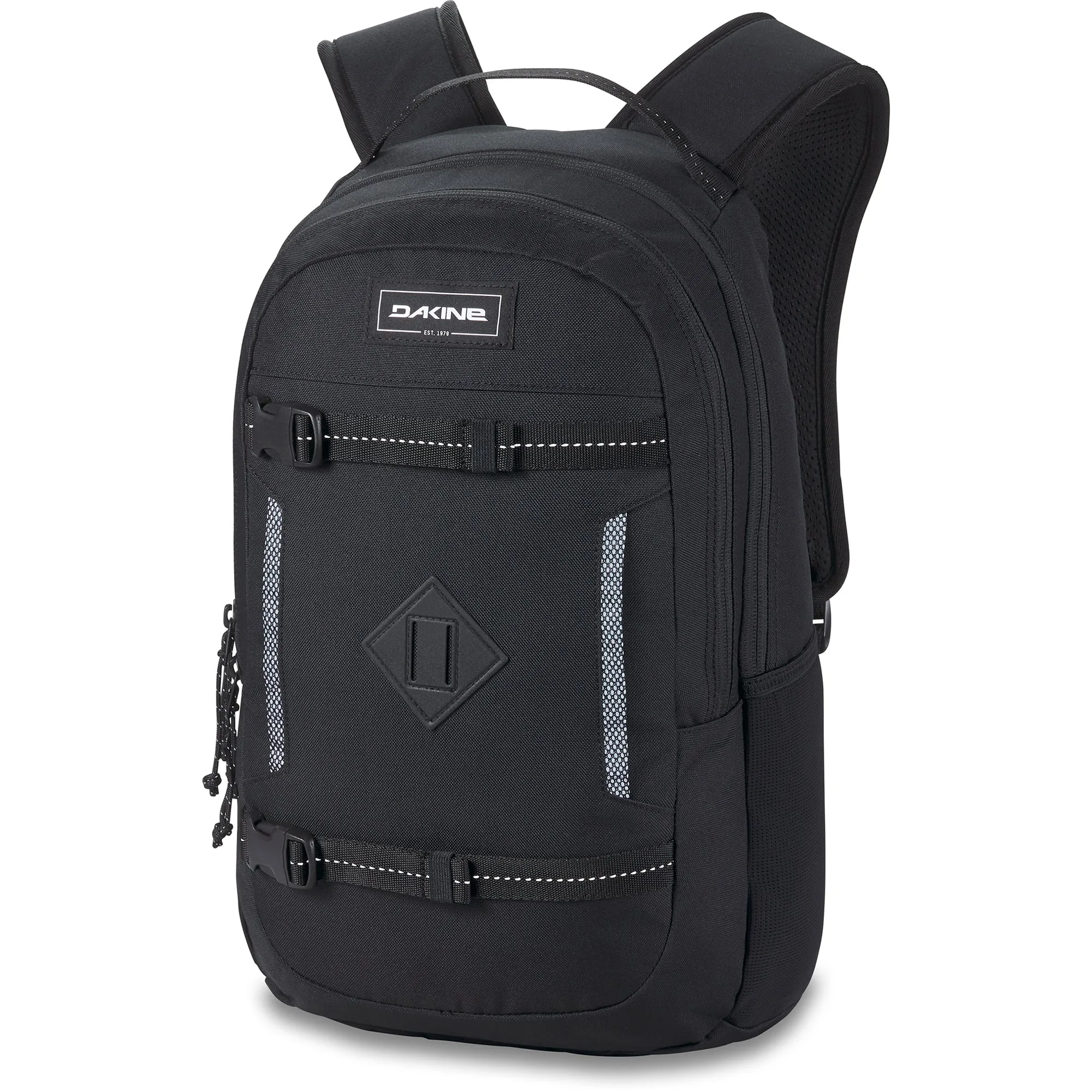
- Mission Pack 18L: The Mission Pack 18L is an all-purpose school backpack with a large zippered storage pocket, an organizer pocket with multiple compartments, and a laptop sleeve. This is an everyday backpack, not a snow airbag pack. It is useful as a contrast: if you want one bag for school and one for avalanche terrain, keep the roles separate rather than trying to adapt a non-compatible pack.