Quick answer
Buy the adapter whose output matches your device exactly on voltage and meets or exceeds its current draw, then confirm the barrel size, polarity, and UL certification. For most 5V tablets and small devices, a 5V/2A UL certified adapter such as the iView 706NB / 796TPC Charger is the safe default; for 12V devices, use a 12V/2000mA UL certified adapter such as the Magnus IV 4G Charger. Never substitute a different voltage just because the plug fits.
Read the old adapter label before you shop
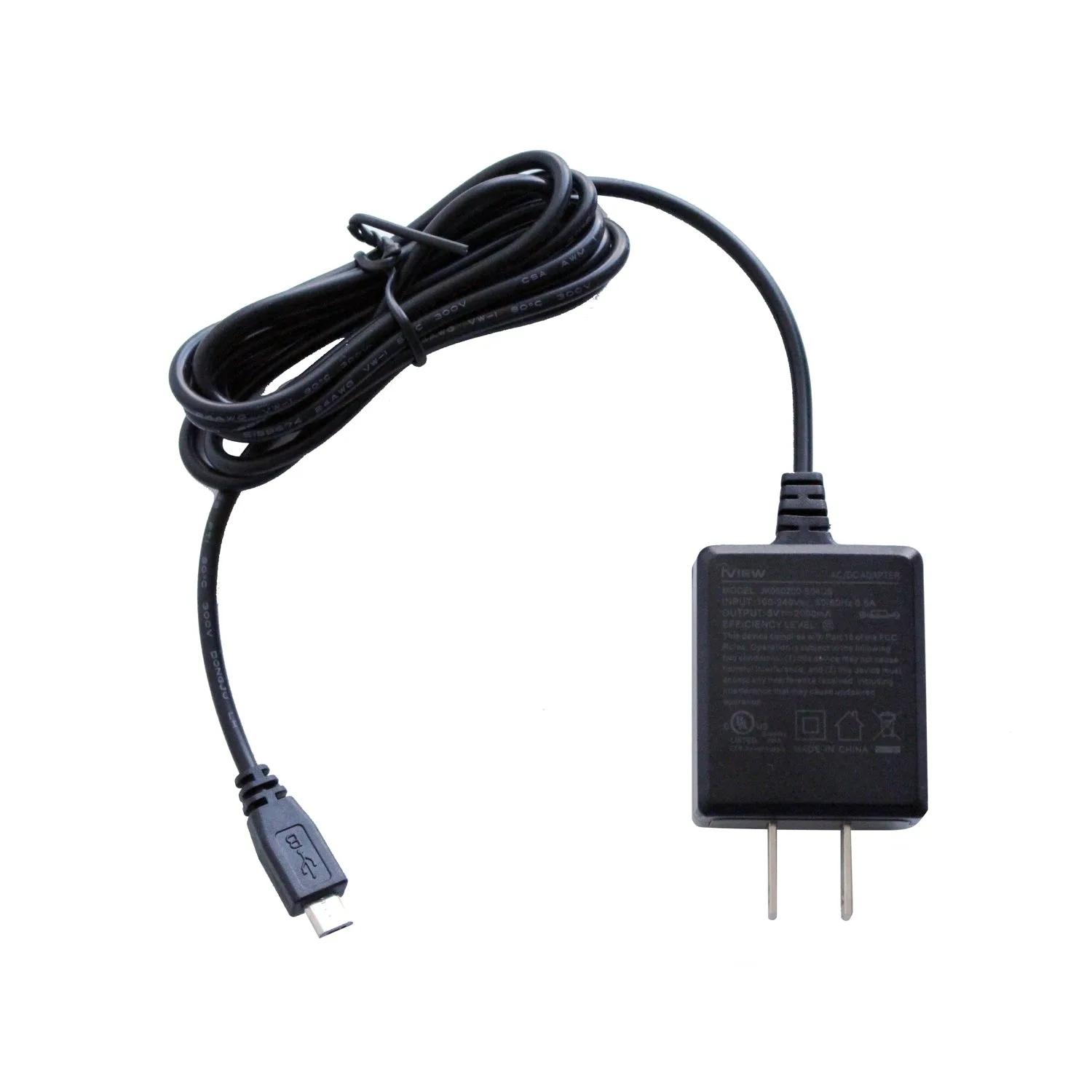
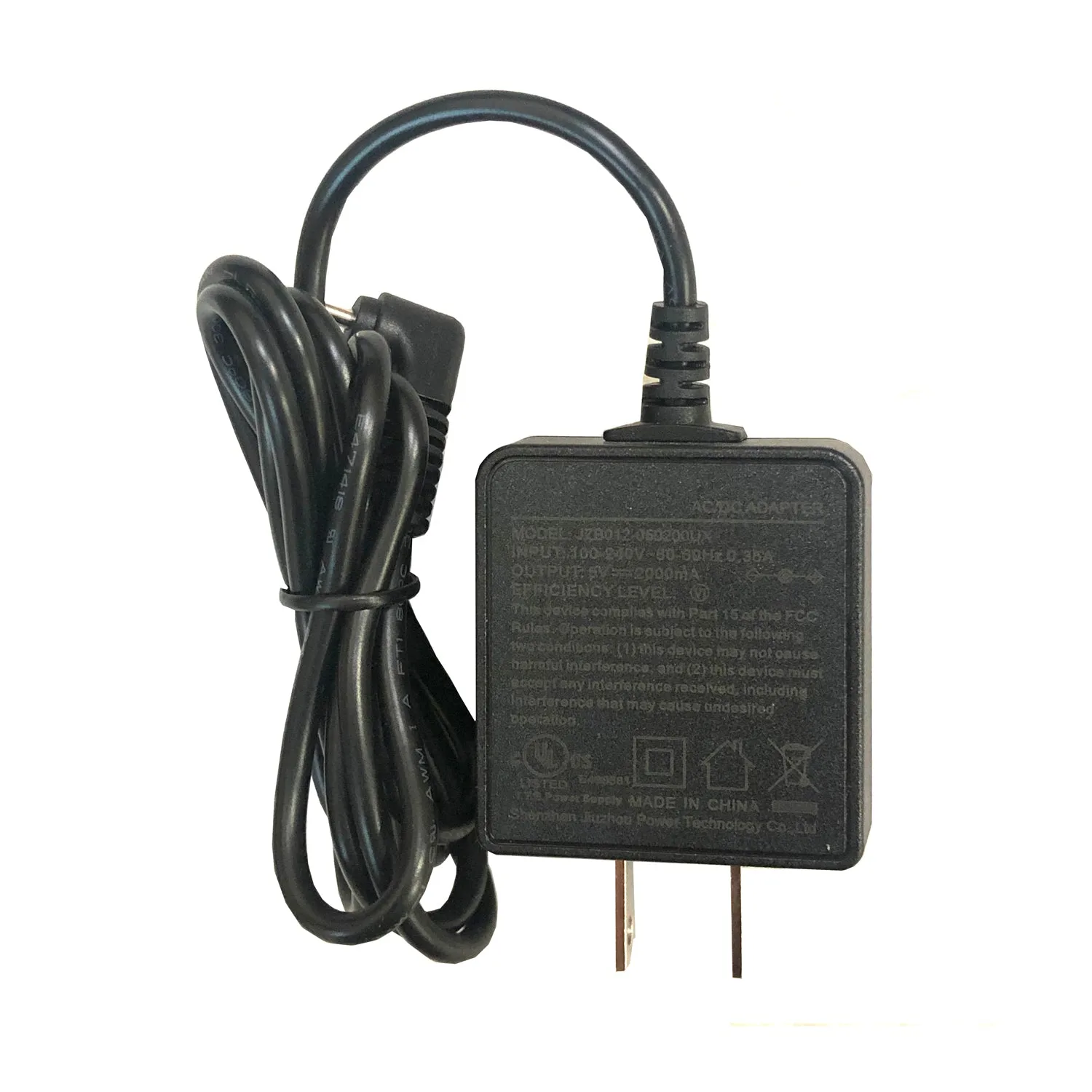
The fastest way to avoid a return is to copy the exact output line from the adapter you are replacing. Look for OUTPUT (sometimes written DC OUT) and note both the voltage and the current, for example 5V / 2000mA or DC 12V / 2000mA. The input line, such as 100-240V, 50/60Hz, 0.5A, tells you the adapter works on both US and international wall power, which matters if you travel or move the device between outlets. If the label is worn off, check the device's rating plate or manual instead of guessing.
Voltage must match, current must be enough
Voltage is not a range you can fudge. A 5V device needs a 5V adapter, and a 12V device needs a 12V adapter; feeding the wrong voltage can prevent the device from charging or damage it. Current is more forgiving in one direction: an adapter rated at 2000mA (2A) can power a device that draws less, but an adapter rated below the device's requirement may run hot, charge slowly, or fail under load. If your device calls for 5V/2A, a 5V/2A adapter is the correct match, not a 5V/1A unit that happens to fit.
Check barrel size and polarity before ordering
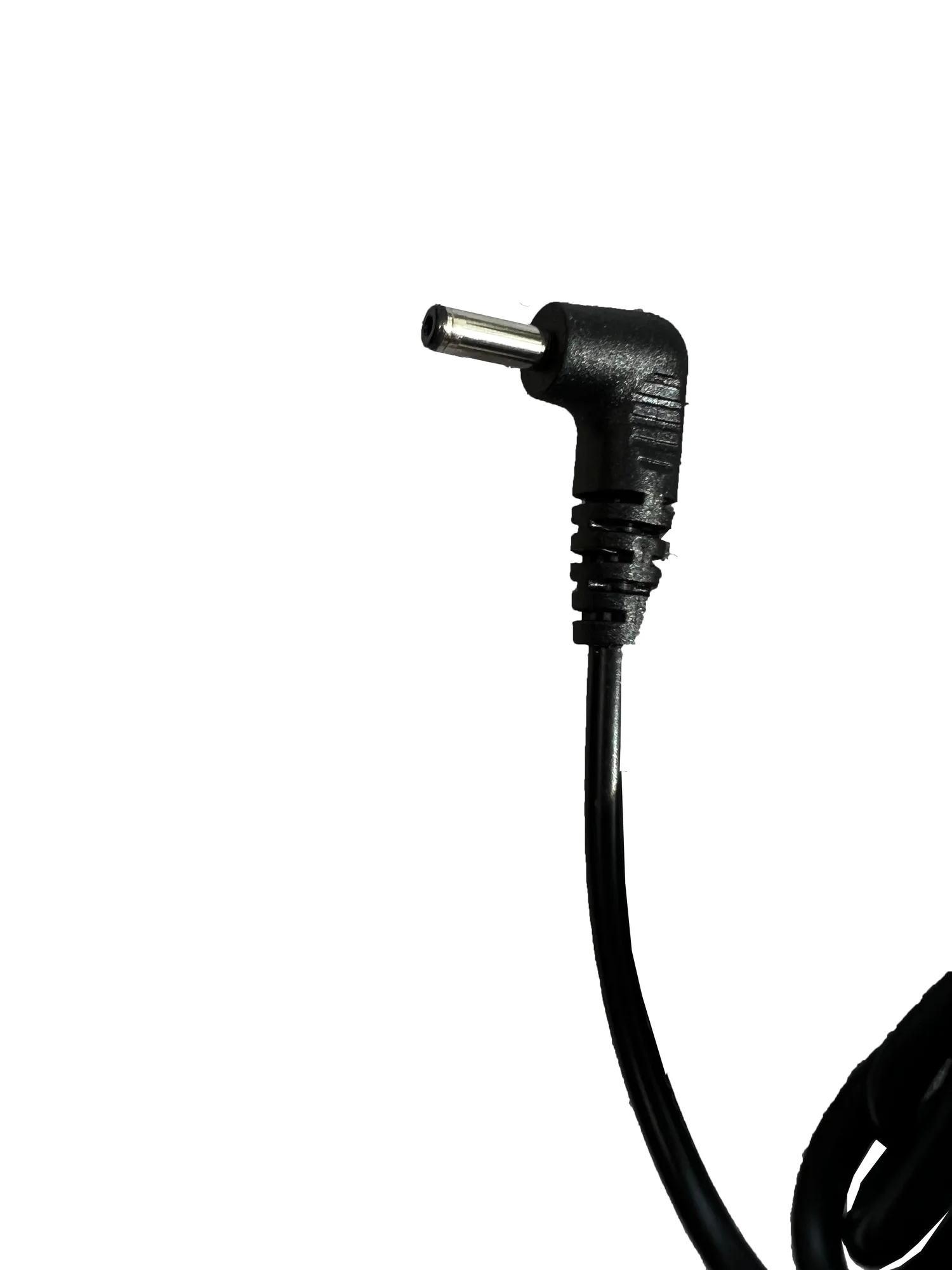
Two adapters can share the same voltage and current yet still not work together because the barrel connector differs in outer diameter, inner diameter, or polarity. Center-positive is common, but center-negative exists, and reversing polarity can damage electronics. Measure the old plug if you can, or compare it side by side with the replacement. When a listing does not state polarity or barrel dimensions, treat that as a missing specification rather than assuming it is compatible. If you cannot confirm the fit, contact the seller with your device model before buying.
Why UL certification is worth the small premium
UL certification means the adapter has been tested to a recognized safety standard for its power class, which reduces risks like overheating and short circuits during everyday charging. On inexpensive adapters, certification is often the difference between a unit that quietly works for years and one that fails early or creates a hazard. All four iView adapters covered here are UL certified, so when you are choosing between a certified replacement and an uncertified bargain, the certified option is the lower-risk purchase even at a slightly higher price.
Match the model number, not just the plug
The most reliable shortcut is to buy the adapter listed for your exact model number. iView publishes adapters keyed to specific devices, which removes most of the guesswork: the 776TPC / 788TPC / 777TPCII / Cyber PC Charger is intended for those models, and the 706NB / 796TPC Charger is intended for the 706NB and 796TPC. If your device is not on a compatibility list, fall back to the label-reading method above and verify voltage, current, barrel size, and polarity before ordering.
Decision rules for buying a replacement adapter
- Voltage: exact match only: Read the OUTPUT voltage on the old adapter or device label. Choose 5V for 5V devices and 12V for 12V devices. If voltage differs, stop and find the correct adapter.
- Current: equal or higher: Match the device's required current, such as 2000mA (2A). A higher-rated adapter is acceptable; a lower-rated one is not. A 5V/2A requirement is not satisfied by a 5V/1A adapter.
- Barrel size and polarity: Confirm outer and inner diameter and center-positive or center-negative. If the listing omits these, ask before buying. A plug that fits loosely or has reversed polarity can damage the device.
- UL certification: Choose an adapter marked UL certified for the safety testing behind its power rating. Certification is the cheapest insurance against overheating and early failure.
- Model-number match: When the seller lists your exact model, buy that adapter; it removes barrel and polarity guesswork. Model-matched beats generic when both are available.
Adapters in this guide
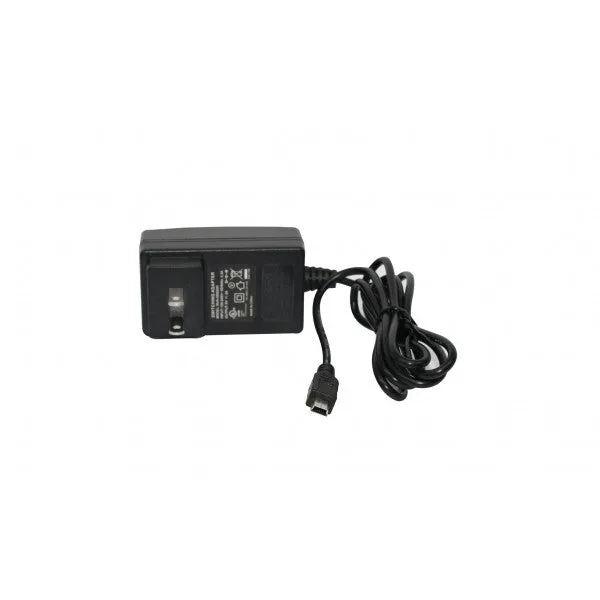
- 776TPC / 788TPC / 777TPCII / Cyber PC Charger - Affordable 100 - 240V, 50/60Hz 0.5A Input, 5V/2000mAh Output, UL Certified Replacement AC/DC Adapter: AC/DC adapter for model numbers 776TPC, 788TPC, 777TPCII, and Cyber PC, with 100-240V, 50/60Hz, 0.5A input and 5V/2000mA output; UL certified. A model-matched 5V/2A replacement that also works on 100-240V power, so it is a direct fit for those devices rather than a generic guess.
- Magnus IV 4G Charger DC 12V / 2000mA UL Certified Replacement AC/DC Adapter: Magnus IV 4G Charger is a DC 12V / 2000mA UL certified replacement AC/DC adapter. The 12V output is the deciding factor: it suits devices that require 12V and should not be swapped with a 5V adapter even if the plug fits.
- 706NB / 796TPC Charger - Affordable 100 - 240V, 50/60Hz 0.3A Input, 5V/2A Output, UL Certified Replacement AC/DC Adapter: Adapter for model numbers 706NB and 796TPC, with 100-240V, 50/60Hz, 0.3A input and 5V/2A output; UL certified. A compact 5V/2A option for those two models, and a useful example of why input current ratings differ between adapters of the same output.
- Magnus III Charger - 5V / 2000mA, UL Certified Replacement AC/DC Adapter: Magnus III Charger is a 5V / 2000mA UL certified replacement AC/DC adapter. A 5V/2A adapter for compatible electronics where the original label specified 5V and up to 2000mA.
Who this approach fits
Best for
- Owners of iView tablets or devices with a known model number who need a like-for-like replacement
- Buyers replacing a lost or failed 5V/2A or 12V/2000mA adapter who can read the old label
- Anyone who wants UL certified power rather than an uncertified bargain adapter
Not for
- Devices that need a voltage or current rating not offered by these adapters
- Situations where the barrel size or polarity cannot be confirmed and the seller cannot verify it
- Buyers looking for a universal multi-tip adapter rather than a model-matched replacement