As environmental awareness grows, every industry is re-evaluating its footprint, and playing cards are no exception. In 2026, the shift toward eco-friendly playing cards has moved from a niche interest to a mainstream movement, driven by both consumer demand and innovative manufacturers. From organic materials to sustainable production methods, the playing card industry is embracing a greener future.
For collectors and cardists alike, this means more choices than ever before. But what exactly makes a deck eco-friendly? And how can you identify truly sustainable options? In this article, we explore the rise of green playing cards, the environmental impact of traditional card production, and the top trends shaping the sustainable card industry in 2026.
The Environmental Impact of Traditional Playing Cards
Traditional playing cards are typically made from virgin paper pulp, coated with plastic for durability, and packaged in plastic wrapping. The production process consumes significant water and energy, and the use of plastic coatings makes recycling difficult. Additionally, the transportation of cards across the globe adds to their carbon footprint. As consumers become more environmentally conscious, they are demanding alternatives that minimize these impacts.
The playing card industry has responded by exploring eco-friendly materials and production techniques. One key innovation is the use of organic playing cards, which are made from sustainably sourced materials like bamboo, hemp, or recycled paper. These decks often use water-based inks and biodegradable coatings, reducing their environmental impact. The shift is not just about materials; it also encompasses packaging, with many brands opting for minimal, recyclable packaging.
- Traditional card production uses virgin paper and plastic coatings, leading to high resource consumption.
- Eco-friendly decks use sustainable materials like bamboo, hemp, or recycled paper.
- Water-based inks and biodegradable coatings reduce environmental harm.
Organic Playing Cards: A Growing Trend
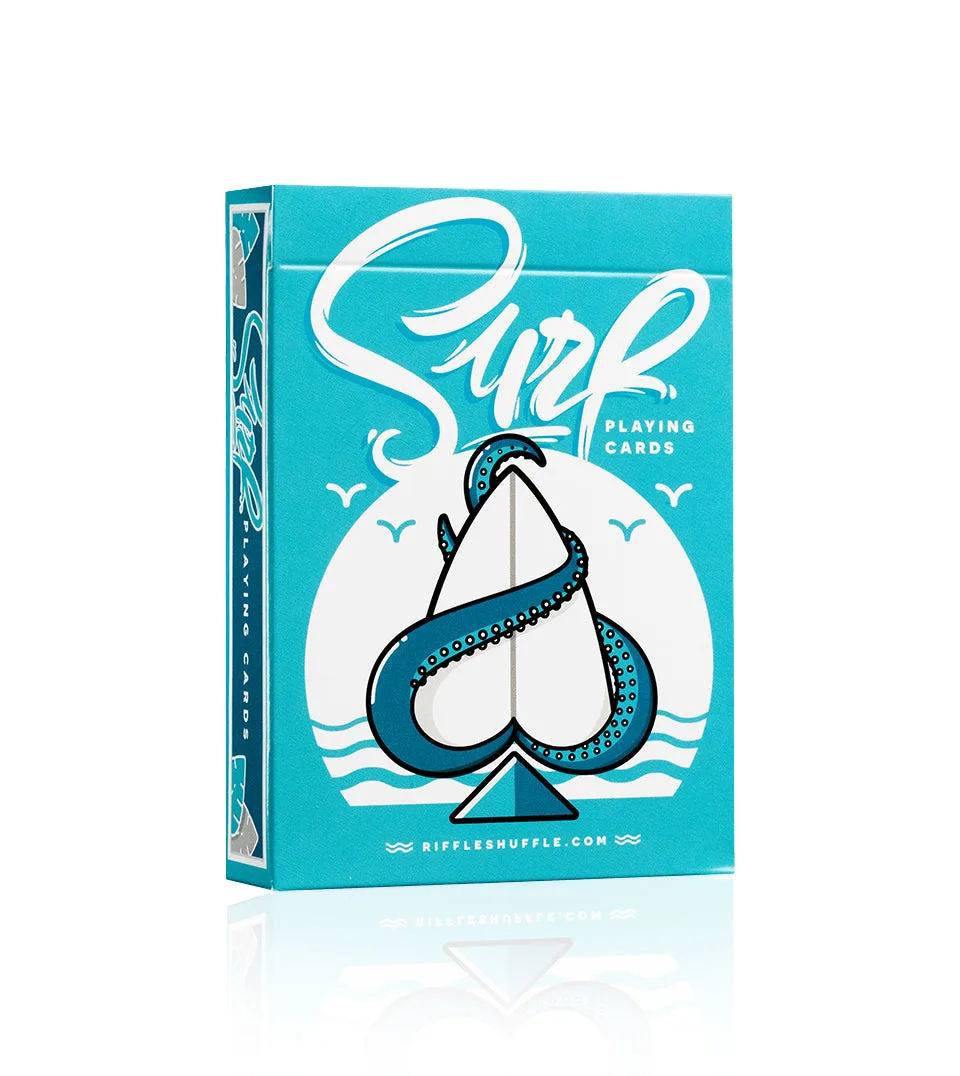
The organic playing cards trend has gained significant traction in 2026. These decks are crafted from natural, renewable resources, and often feature unique textures and finishes that appeal to cardists and magicians. For example, the Surfboard deck is known for its eco-friendly credentials, using sustainable materials without compromising on performance. Similarly, the Raspberry Snackers V4 offers a playful design while being produced with environmentally responsible practices.
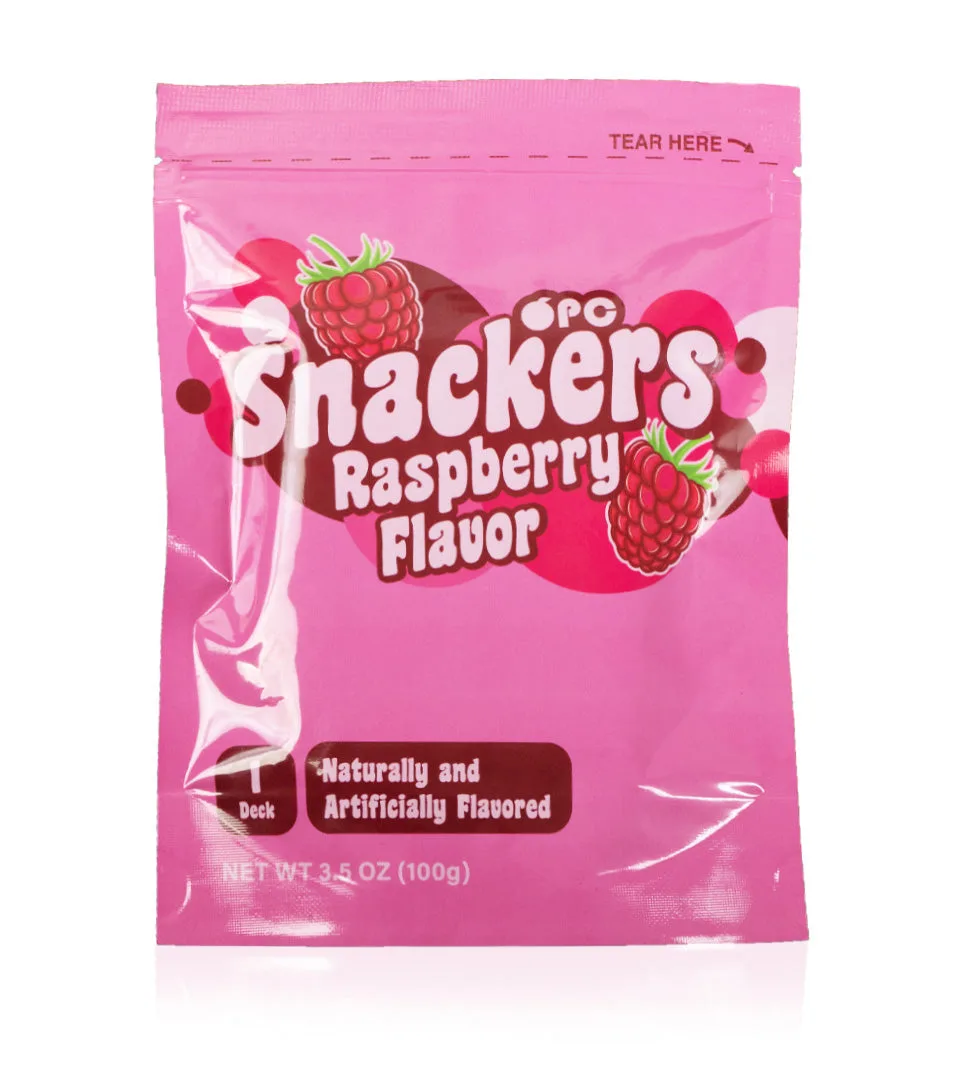
Raspberry Snackers V4
Beyond materials, organic playing cards often support ethical production, ensuring fair wages and safe working conditions. This resonates with a growing segment of consumers who value sustainability and social responsibility. As a result, many brands are now offering organic options alongside their traditional lines, catering to a wider audience.
- Organic decks use renewable materials like bamboo and hemp.
- They often feature unique textures that enhance handling.
- Ethical production is a key selling point for eco-conscious buyers.
Innovations in Sustainable Card Production
Innovation is at the heart of the sustainable card industry. Manufacturers are developing new ways to reduce waste and energy consumption. For instance, some companies are using solar power in their facilities, while others are implementing water recycling systems. Additionally, the use of recycled paper is becoming more common, with some decks using up to 100% post-consumer waste.
Another exciting development is the use of plant-based coatings instead of plastic. These coatings provide the same durability and feel as traditional plastic coatings but are fully biodegradable. This innovation is a game-changer for the environmental impact of playing cards, making them easier to recycle and compost. As technology advances, we can expect even more sustainable options to hit the market.
- Solar power and water recycling are reducing the carbon footprint of card factories.
- Plant-based coatings offer durability without plastic waste.
- Recycled paper is increasingly used, with some decks made from 100% post-consumer waste.
Eco-Friendly Decks to Watch in 2026
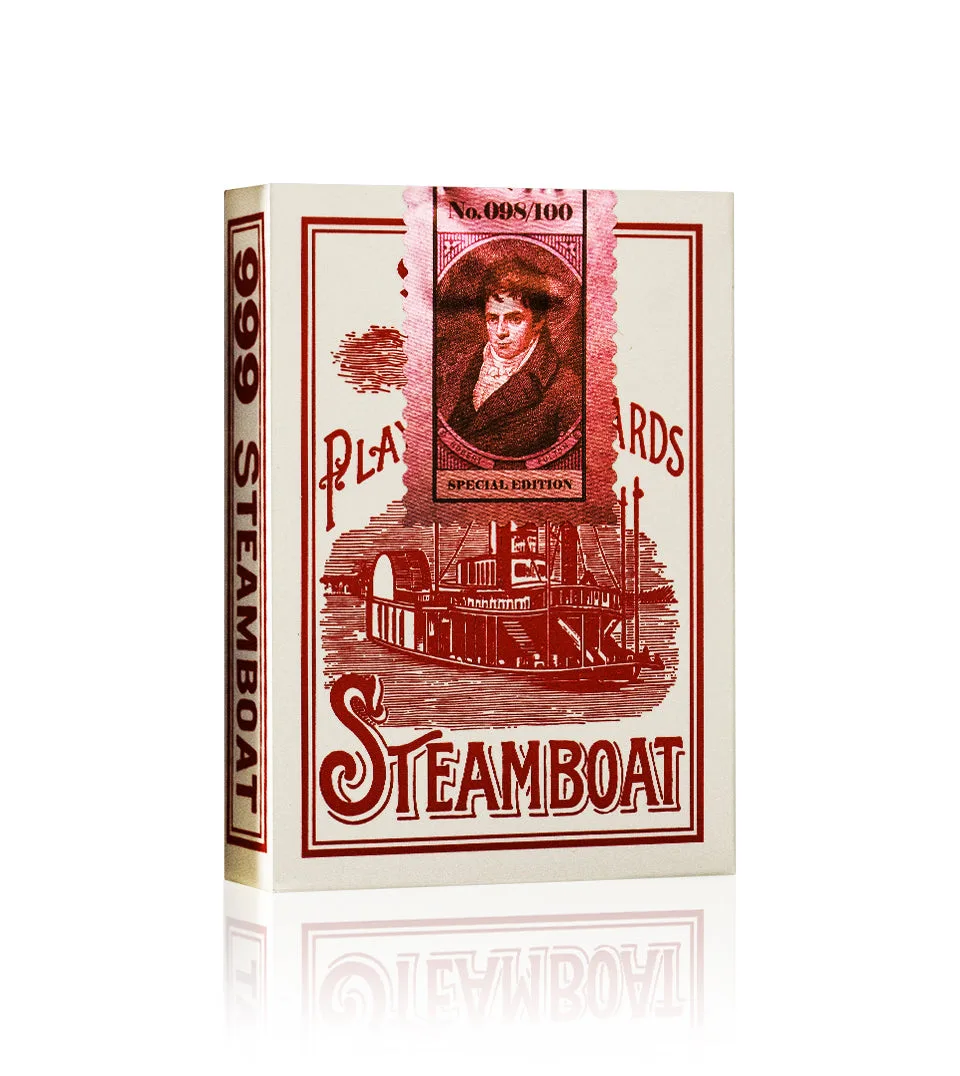
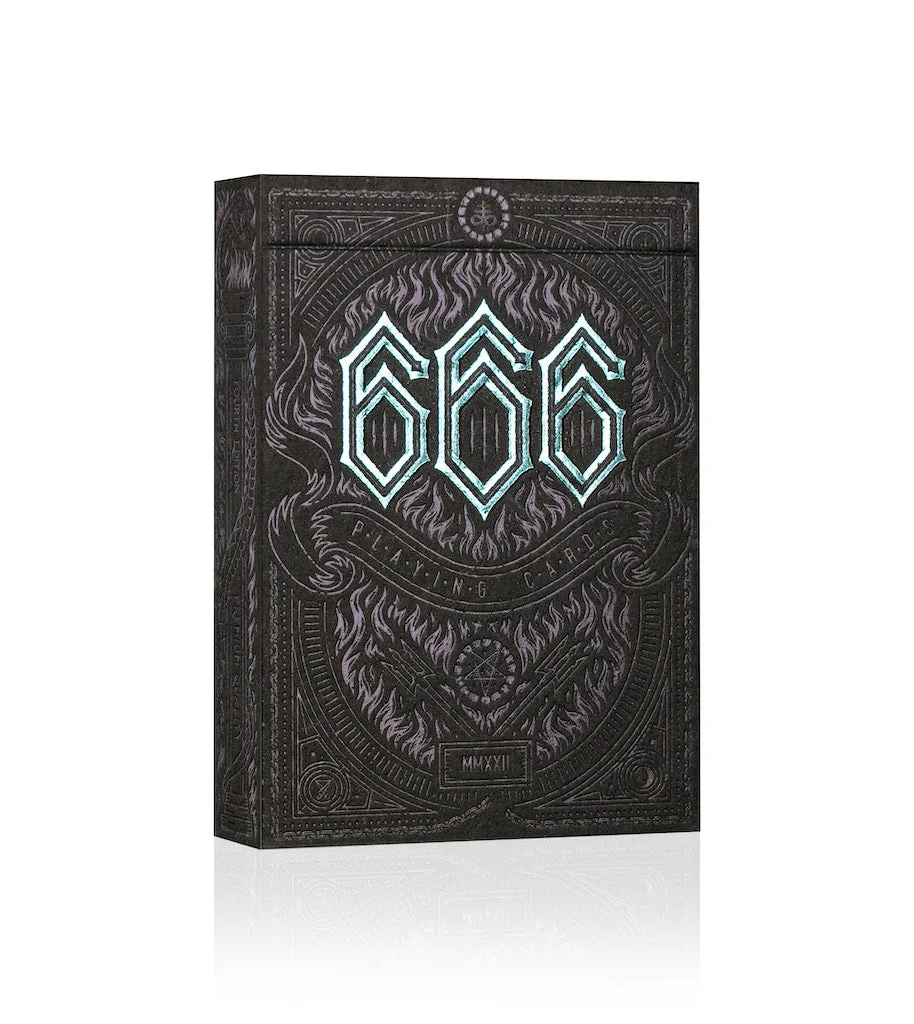
If you're looking to embrace the green playing cards trend, there are several standout options. The Foil-Edged Steamboat combines classic style with eco-friendly materials, featuring a stunning foil edge that doesn't compromise on sustainability. Another notable deck is the 666 Frostbite Playing Cards, which uses recycled materials and water-based inks to create a striking design with a minimal environmental footprint.
For those who prefer a bold aesthetic, the SHARK deck offers a unique theme while being produced with sustainable practices. These decks prove that going green doesn't mean sacrificing style or quality. Whether you're a collector or a performer, there's an eco-friendly deck that fits your needs.
- Foil-Edged Steamboat: classic design meets sustainable materials.
- 666 Frostbite Playing Cards: recycled materials and water-based inks.
- SHARK: bold theme with eco-conscious production.
How to Choose Sustainable Playing Cards
When shopping for eco-friendly playing cards, look for certifications and transparent labeling. Many brands now highlight their sustainable practices on packaging or their websites. Check for materials like recycled paper, bamboo, or hemp, and avoid decks with plastic coatings. Also, consider the packaging – minimal and recyclable packaging is a good sign.
Another factor is the brand's commitment to sustainability. Some companies donate a portion of their profits to environmental causes, while others partner with reforestation projects. By supporting these brands, you're not only getting a quality deck but also contributing to a greener planet. Remember, every small choice adds up.
- Look for certifications like FSC (Forest Stewardship Council).
- Opt for decks with recycled or plant-based materials.
- Support brands that are transparent about their sustainability efforts.
The rise of eco-friendly playing cards in 2026 marks a positive shift in the playing card industry. As consumers become more environmentally conscious, manufacturers are responding with innovative, sustainable options that don't compromise on quality or design. Whether you're a seasoned collector or a casual player, choosing green playing cards is a simple way to reduce your environmental impact. Explore the eco-friendly decks at Riffle Shuffle, like the Surfboard, and join the movement toward a more sustainable future.