Quick answer
If most of your miles are pavement with occasional dirt, pick a lightweight, supportive road shoe like the Men's Experience Form and keep a separate trail pair for wet, technical days. If you split time evenly and want one shoe, the Men's FWD VIA 2 covers mixed terrain with a 4mm drop and a soft, responsive ride. Choose the Men's Lone Peak 9 Waterproof Low only when wet grass, mud, or shallow streams are a regular part of the route.
Match the shoe to your pavement-to-trail ratio
The single biggest decision is how much of your route is actually road. A shoe built for pavement prioritizes smooth turnover and stable cushioning; a trail shoe prioritizes grip, protection, and drainage. Most runners overestimate how much trail they run, then buy a lugged shoe that feels slow and stiff on the 80% of the route that is asphalt. Count the surfaces on your two most common routes before you buy.
- Mostly road, short dirt connectors: choose a road shoe with light support, not a trail shoe.
- Roughly half road, half groomed trail: a versatile mixed-terrain shoe is the efficient single-pair answer.
- Regular mud, wet roots, or stream crossings: prioritize a waterproof trail upper and accept the extra weight.
Drop and stack height change how the shoe feels on each surface
Altra is known for zero drop and FootShape toe room, but the current line is not uniform. The Men's Experience Form uses a 4mm drop and a lightweight compression-molded midsole foam, which encourages efficient turnover on pavement. The Men's FWD VIA 2 also uses a 4mm drop, with the Altra EGO P35 midsole described as softer and more responsive than the original FWD VIA. If you are coming from a traditional 8-12mm drop shoe, a 4mm drop is a smaller change than moving straight to zero drop, which matters when you are also adding trail unevenness.
Waterproof or breathable: pick based on water, not weather
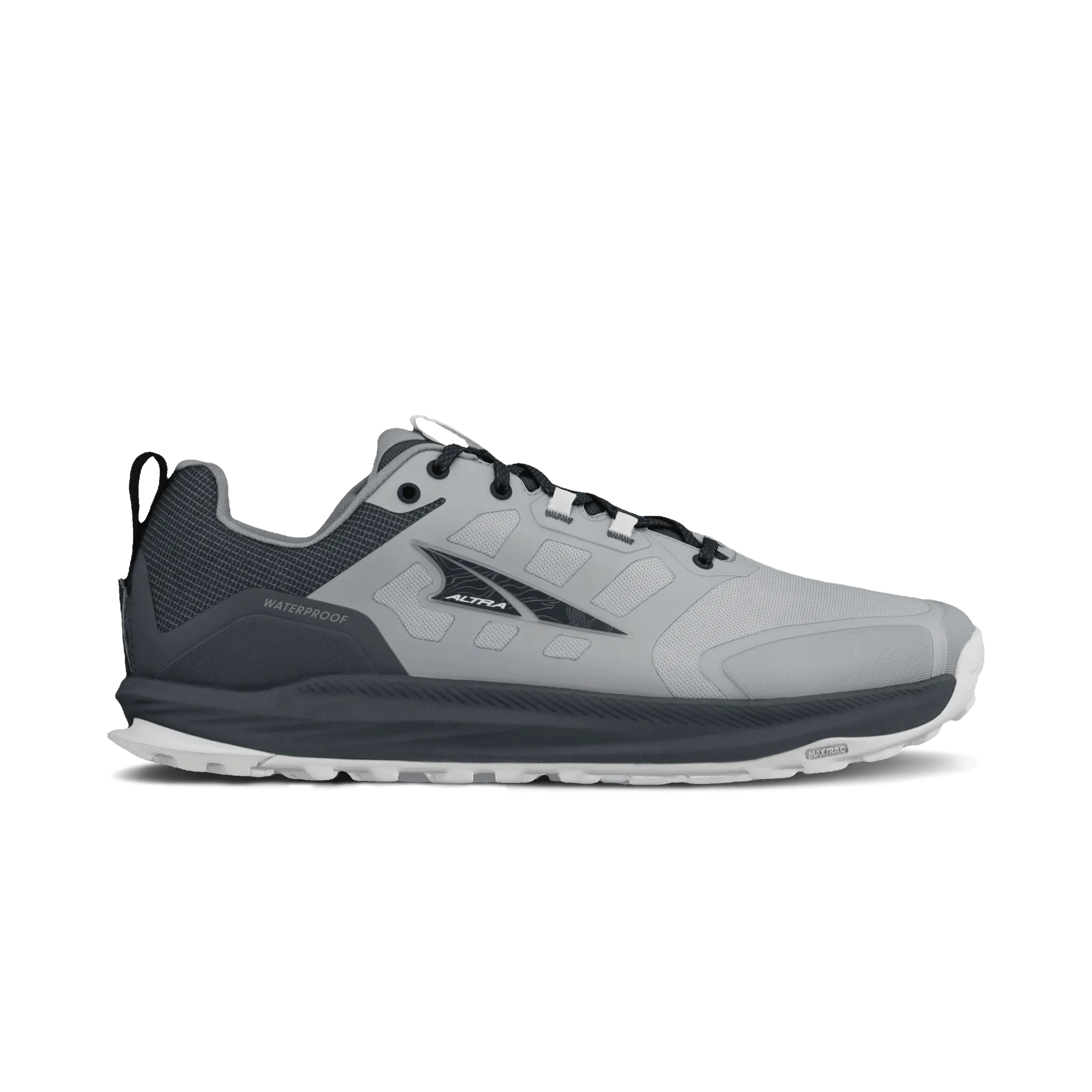
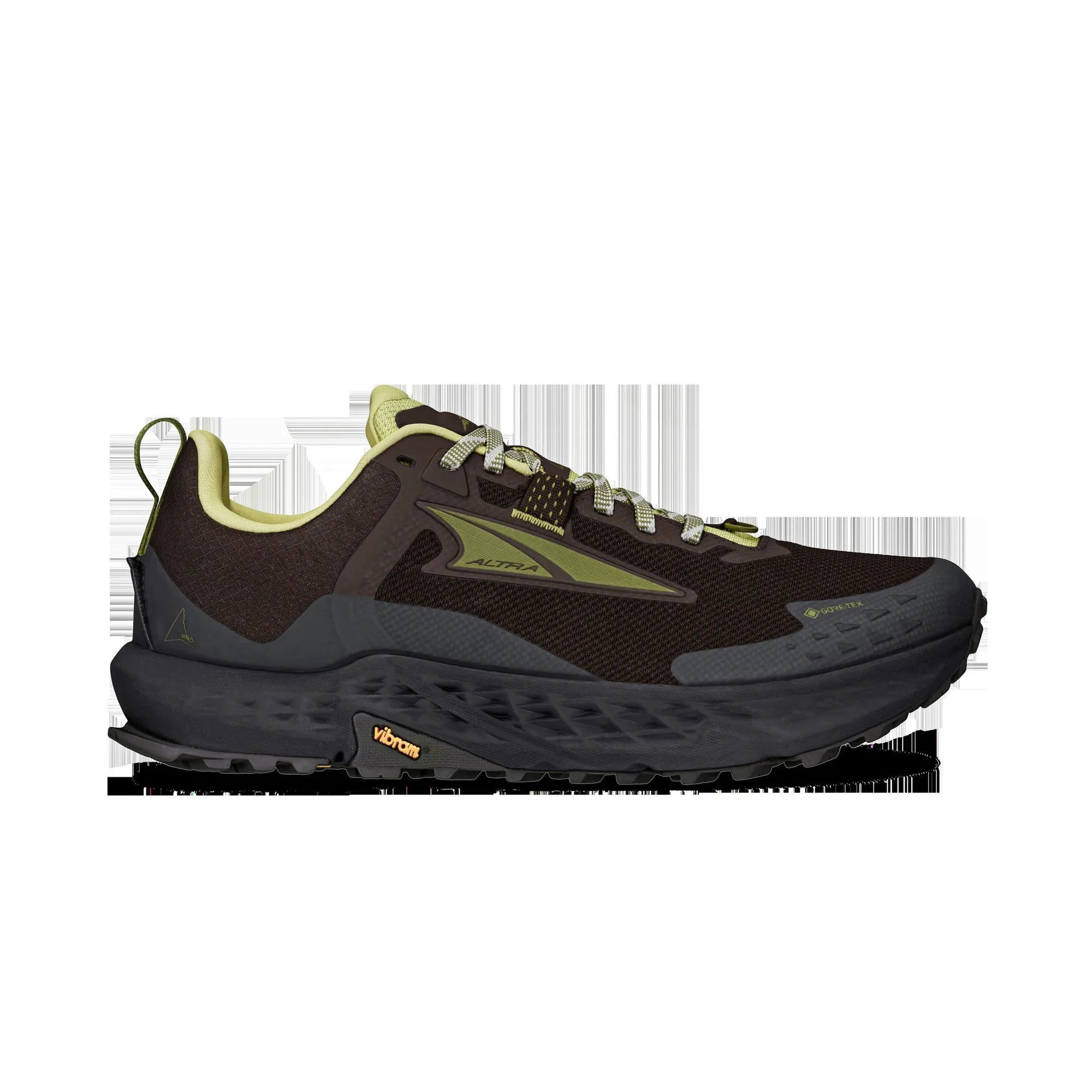
A waterproof upper helps in wet grass, mud, and shallow puddles, but it also traps heat and holds water once it gets in over the collar. The Men's Lone Peak 9 Waterproof Low uses a waterproof upper with a no-sew overlay and recycled polyester mesh that is PFC-free, plus lacing loops for a locked-in feel and a reinforced heel. That construction suits cold, wet, muddy days. For hot summer mixed terrain, a breathable mesh shoe dries faster and runs cooler.
Fit guidance for mixed terrain
Trail running makes your foot slide forward on descents and spread on uneven ground, so a road-only fit can feel tight on trail. FootShape toe room gives your toes space to splay, which helps on downhills, but the midfoot and heel still need to be secure. The Lone Peak 9 Waterproof Low adds lacing loops and a reinforced heel specifically for a locked-in feel. Try shoes on late in the day, wear the socks you run in, and check that your heel stays put when you step down hard.
- Toes should have room to splay without the upper pressing on your big toe.
- The heel should not lift when you walk downhill or push off.
- If you use orthotics or thicker socks, size with them in the shoe, not after.
Decision rules for road-to-trail shoes
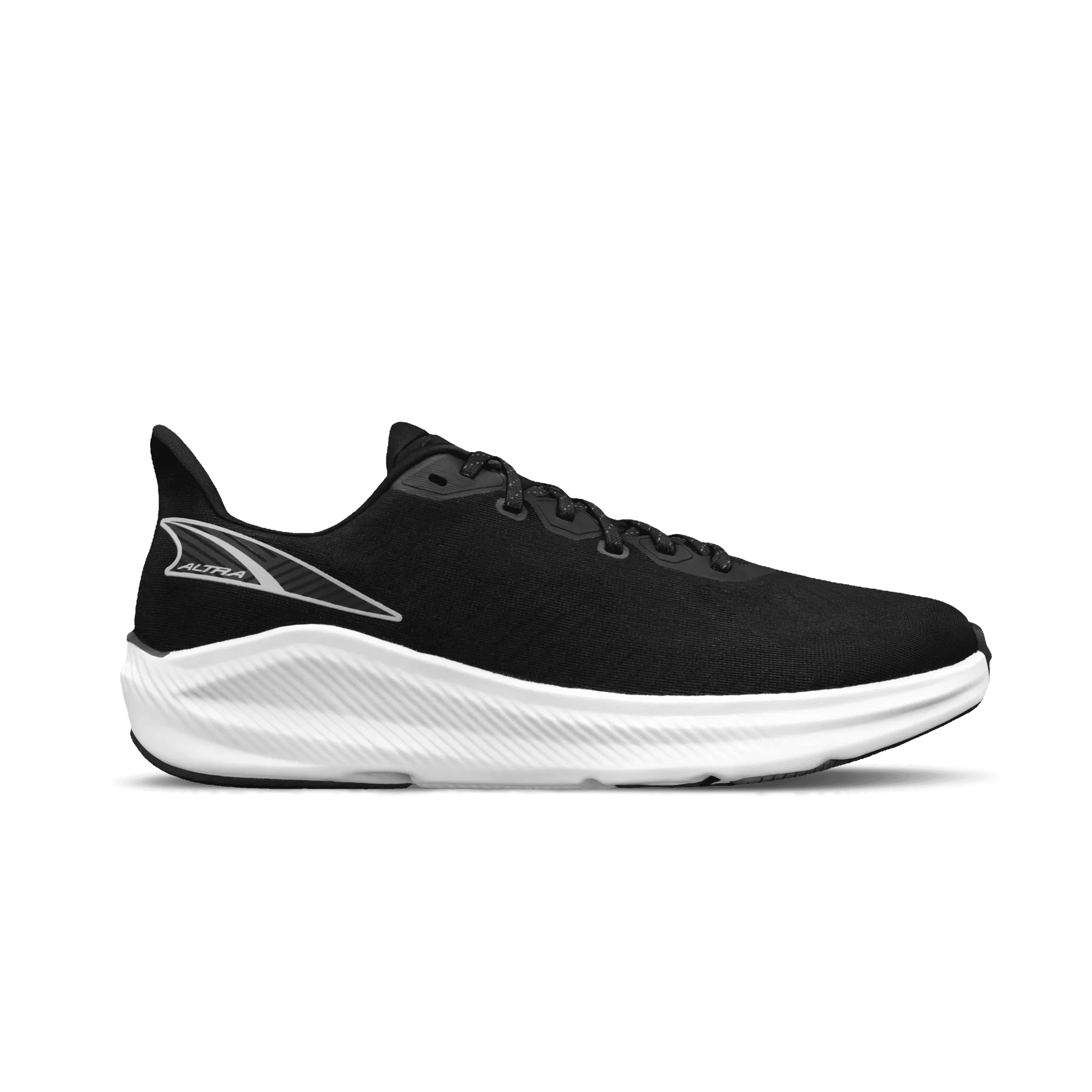
- If 70% or more of your miles are pavement: Choose the Men's Experience Form. Its 4mm drop and lightweight compression-molded midsole foam are built for efficient road miles, with GuideRail technology for support on tired legs. Keep a separate trail shoe for the messy days instead of compromising your daily trainer.
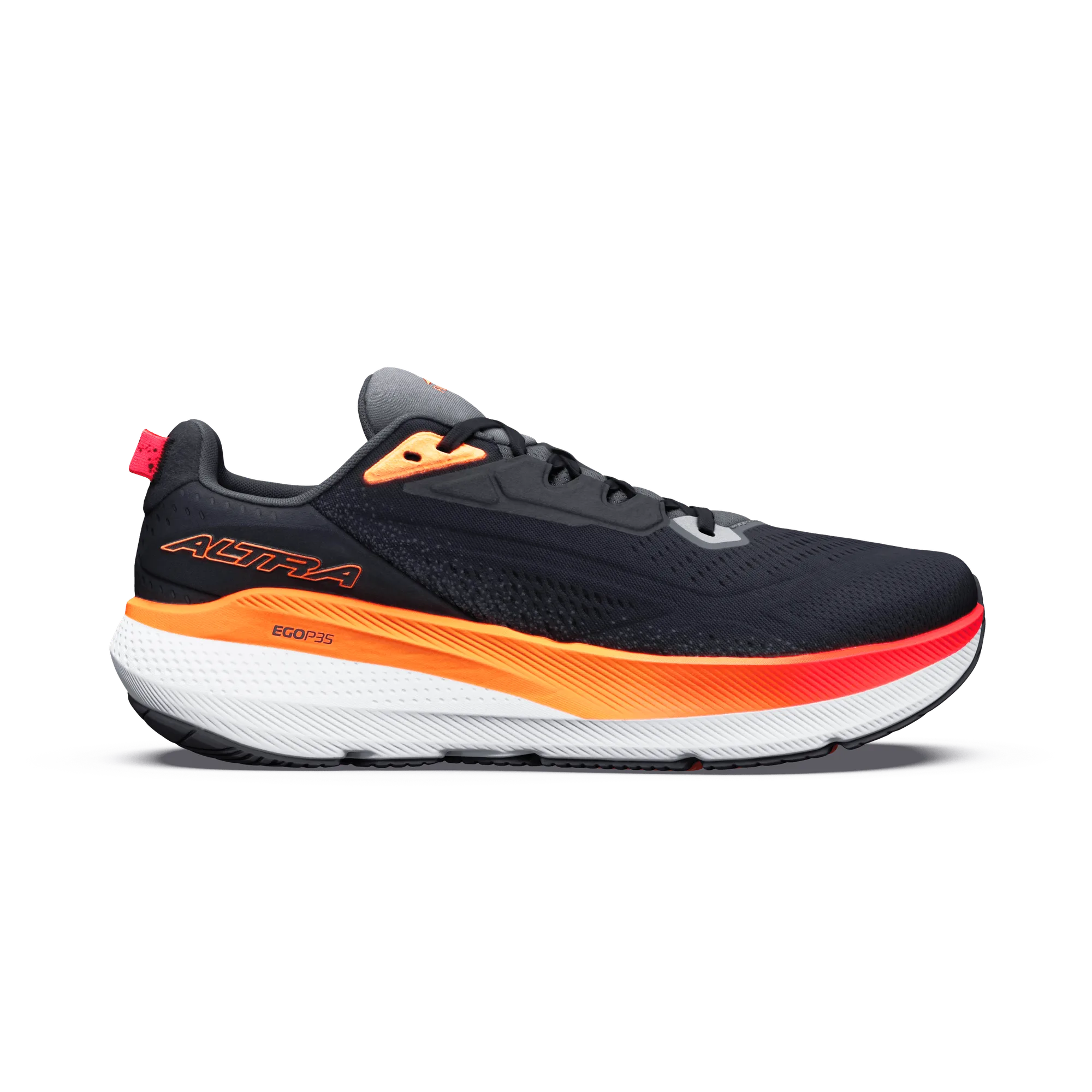
- If you split road and groomed trail roughly 50/50: Choose the Men's FWD VIA 2. The Altra EGO P35 midsole is 19% softer and 15% more responsive than the original FWD VIA, and the 4mm drop works on both surfaces. One pair covers most mixed-terrain weeks without feeling like a compromise.
- If wet mud, roots, or stream crossings are routine: Choose the Men's Lone Peak 9 Waterproof Low. The waterproof upper, no-sew overlay, and recycled polyester mesh are made for wet, dirty conditions, and the lacing loops plus reinforced heel improve security. Accept the warmer, heavier feel as the cost of staying dry on cold, wet runs.
- If you are new to lower-drop shoes: A 4mm drop is a gentler step than zero drop, especially when you are adding uneven trail surfaces at the same time. Build mileage gradually before adding technical terrain.
Altra options for mixed terrain
- Men's Lone Peak 9 Waterproof Low: Waterproof upper with a no-sew overlay and recycled polyester mesh that is 100% PFC-free, plus lacing loops for a locked-in feel and a reinforced heel. Best when wet grass, mud, or shallow water are routine; the waterproof build adds protection but runs warmer than mesh.
- Men's Experience Form: Lightweight and responsive compression-molded midsole foam with GuideRail technology and a 4mm drop. A practical choice when most miles are pavement and you want light support for daily workouts and long training runs.
- Men's FWD VIA 2: Altra EGO P35 midsole that is 19% softer and 15% more responsive than the original FWD VIA, with an engineered mesh upper and a 4mm drop. The most versatile single-pair option here for runners who split time between road and groomed trail and want max comfort.
Who each shoe is for
Best for
- Runners whose weekly routes are mostly pavement with short dirt connectors
- Runners who want one versatile shoe for road and groomed trail
- Runners who regularly run wet, muddy, or cold mixed terrain
Not for
- Runners who need maximum cushioning for long road efforts
- Runners who want a single shoe for technical, rocky alpine trails
- Runners who run only on pavement and never touch dirt