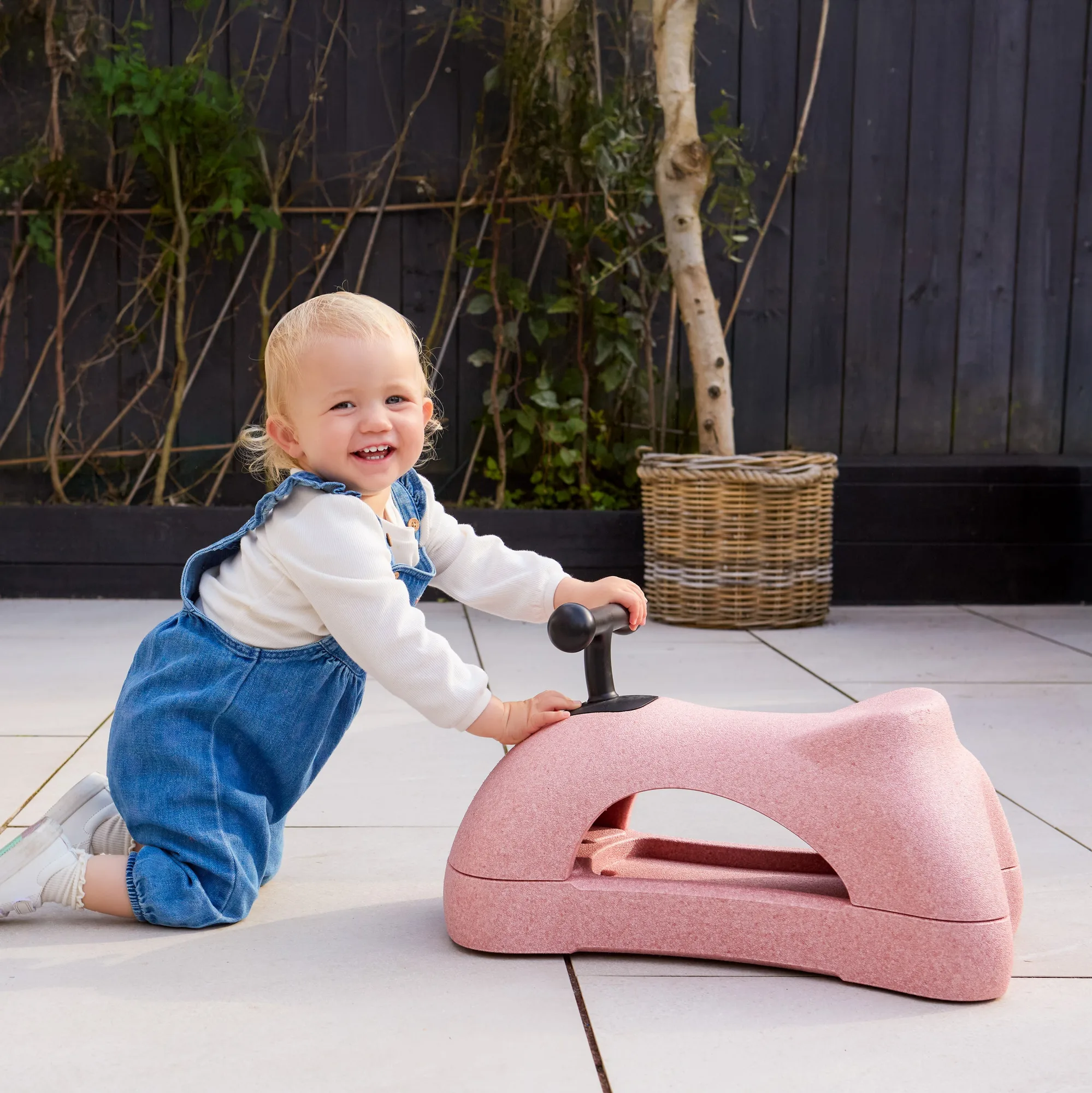
Quick Answer
The Nuby Rock 'N Ride is a 3-in-1 foam ride-on for children 12+ months that changes from rocker to scooter to caster board in seconds without tools. Start in rocker mode on a flat, carpeted or matted surface, always stay within arm's reach, and switch modes only when your child is steady enough to sit and push with control.
A ride-on toy can be one of the best ways to build balance and confidence in a toddler, but only if the setup matches your child's current abilities. The Nuby Rock 'N Ride is designed to grow with your little one by switching between three play modes, so the same toy can stay useful from first wobbles to faster laps.
This guide walks through a simple, repeatable routine: choosing the right surface, checking the toy before each ride, teaching how to get on and off, and knowing when to move up a mode. Each step includes a common mistake to avoid so you can keep riding play fun and low-stress.
Why Riding Play Is Worth the Setup
Riding toys give toddlers a way to practice balance, coordination, and steering while having fun. The Nuby Rock 'N Ride is made from lightweight yet durable, waterproof EPP foam, which makes it soft on floors and furniture as well as on little knees. That combination matters because early riding play often involves tipping, bumping, and stopping abruptly.
Because the Rock 'N Ride transforms from rocker to scooter to caster board in seconds without tools, you can match the challenge to your child's stage instead of buying three separate toys. The tradeoff is that each mode has its own safe-use habits, so a short setup routine before every ride is worth the effort.
- Keep sessions short at first—five to ten minutes is plenty for new riders.
- Ride indoors on a flat surface away from stairs, glass, and sharp corners.
Pick the Right Mode for Your Child's Stage
Rocker mode is the most forgiving starting point because the toy stays in one place and moves gently back and forth. Use it first with children who are new to sitting on a ride-on or who are still learning to hold on. Scooter and caster board modes add forward motion and require more core stability and steering control.
The Rock 'N Ride is labeled for 12+ months, but age is only a starting point. Watch for signs your child is ready to move up: they can sit unsupported, keep both hands on the toy, and stop themselves by putting their feet down. If any of those are missing, stay in rocker mode a little longer.
- Common mistake: switching to scooter mode because your child seems bored rather than because they are ready.
- Checkpoint: if your child slides off or reaches for you constantly, the mode is too advanced for now.
Set Up a Safe Riding Zone
Before the first ride, clear a flat area at least a few feet longer than your child's path in every direction. Carpet or a play mat slows the toy slightly and cushions falls better than bare tile or hardwood. Move furniture with sharp edges, pet bowls, and small toys out of the path so your child can focus on riding.
The Rock 'N Ride's EPP foam is soft on floors and furniture, but it is still a moving toy. Keep the riding zone away from stairs, pools, driveways, and any sloped surface. If you have older children or pets, set a simple rule that the riding zone is clear while the toddler is on the toy.
- Common mistake: letting a toddler ride in a kitchen or hallway with hard corners just because the space is convenient.
- Checkpoint: you should be able to walk a full circle around your child without stepping over anything.
Do a 30-Second Pre-Ride Check
A quick check before each ride catches most problems. Look over the foam body for cracks, deep gouges, or pieces that feel loose. Wipe off any moisture or sticky residue, since the waterproof EPP foam is easy to clean but can become slippery when wet. Confirm that the mode is fully locked into position before your child gets on.
Because the Rock 'N Ride changes modes without tools, it is worth tugging gently on the handle or seat area to make sure everything is seated. If any part feels loose or wobbly, stop and reset the mode rather than letting your child ride it.
- Common mistake: skipping the check because the toy was fine yesterday.
- Checkpoint: if you hear a rattle or feel movement that was not there before, take the toy out of rotation until you can inspect it.
Teach Getting On and Off First
Most riding injuries happen during mounting and dismounting, not while the toy is moving. Practice getting on and off with the toy held still. Guide your child to hold the handle with both hands, swing one leg over, and sit down before letting go. Then practice stepping off one foot at a time while you steady the toy.
Repeat this a few times in rocker mode before any forward motion. Once your child can get on and off with minimal help, they will be safer in scooter and caster board modes because they already know how to exit the toy under control.
- Common mistake: letting a child climb on while the toy is already rolling or rocking.
- Checkpoint: your child can sit down and stand up with both feet flat and no rushing.
Supervise Actively, Not Just Nearby
Active supervision means staying within arm's reach and watching the toy, not just being in the same room. Toddlers can pick up speed quickly on smooth floors, and the Rock 'N Ride's lightweight foam design makes it easy for them to move. Keep your phone down and your hands free during riding sessions.
If you need to step away, take your child off the toy first. This is especially important in scooter and caster board modes, where a child may not yet have the judgment to stop before hitting a wall or a pet.
- Common mistake: assuming a soft foam toy cannot cause a fall or a bumped head.
- Checkpoint: you can reach your child in one step at all times.
Clean and Store It So It Lasts
The waterproof EPP foam wipes clean easily, which helps with everyday spills and sticky hands. Use a damp cloth with mild soap, then dry the toy before storing it. Avoid soaking it or leaving it wet, since moisture can make the riding surface slippery and may affect how the toy feels to use.
Store the Rock 'N Ride indoors, away from direct sun and extreme heat, and out of the path of foot traffic. Keep it in the mode your child uses most so setup stays quick, and recheck the mode lock each time you bring it out.
- Common mistake: storing a foam ride-on outside where temperature swings and moisture can affect it.
- Checkpoint: the toy is dry, locked in one mode, and out of walkways before you put it away.
Your Safe Riding Play Routine, Step by Step
- 1. Clear and check the riding zone: Choose a flat, carpeted or matted area and remove sharp-edged furniture, small toys, pet bowls, and anything your child could roll into. Keep the zone away from stairs, pools, and slopes. Checkpoint: you can walk a full circle around your child without stepping over anything.
- 2. Match the mode to your child's stage: Start in rocker mode for new riders. Move to scooter or caster board only when your child can sit unsupported, hold on with both hands, and put feet down to stop. Common mistake: moving up a mode because your child seems bored instead of ready.
- 3. Do a 30-second pre-ride check: Inspect the foam for cracks or loose pieces, wipe off moisture, and confirm the mode is fully locked by gently tugging the handle and seat area. If anything feels loose or rattles, reset the mode or take the toy out of rotation.
- 4. Practice getting on and off: Hold the toy still while your child practices sitting down with both hands on the handle and stepping off one foot at a time with your support. Checkpoint: your child can mount and dismount with minimal help before any forward motion.
- 5. Supervise within arm's reach: Stay close enough to grab the toy or your child in one step, keep your hands free, and take your child off the toy if you need to step away. Common mistake: assuming a soft foam toy cannot lead to a fall or bumped head.
- 6. Clean, store, and recheck: Wipe the EPP foam with a damp cloth and mild soap, dry it fully, and store it indoors in the mode your child uses most. Recheck the mode lock each time you bring it out. Checkpoint: the toy is dry, locked in one mode, and out of walkways before you put it away.
Product Facts That Matter for Riding Play
- Rock 'N Ride | Blue: 3-in-1 design transforms from rocker to scooter to caster board in seconds without tools, made from lightweight, waterproof EPP foam, for 12+ months. One toy can match your child's growing balance and steering skills, and the foam is soft on floors and furniture while staying easy to wipe clean.
- Boogie Buggy | Pink: 3-in-1 scooter, walker, and caster board made of ultra-durable, waterproof EPP foam, lightweight enough to lift and easy to wipe clean, for 12+ months. If your child is ready for more forward motion than rocking, this adds a walker stage that supports first steps before scooter and caster board play.
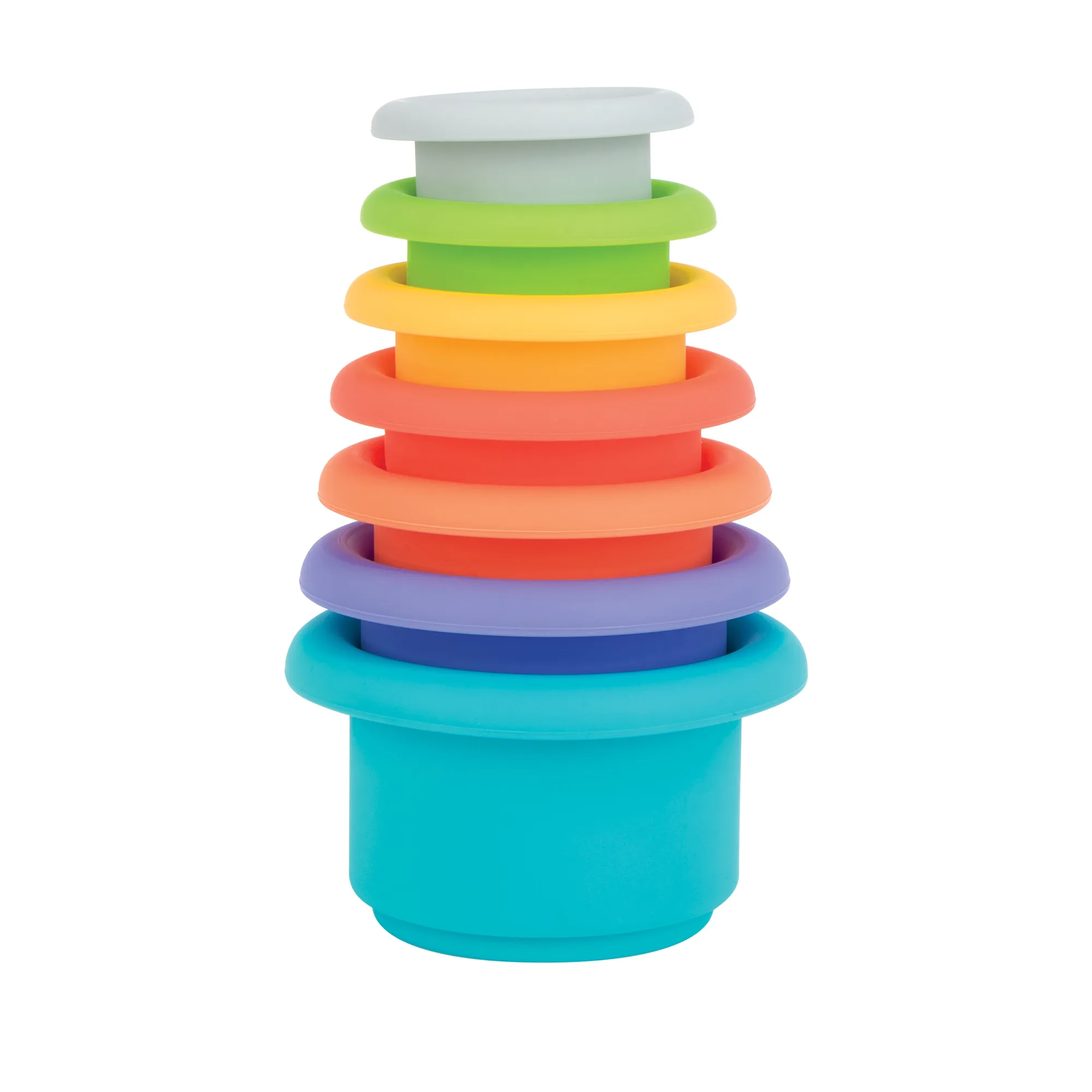
- Silicone Stacking Cups: Designed to encourage cognitive development and fine motor skills, including hand-eye coordination that helps with future tasks like self-feeding, with various sized pieces for color recognition and size sequencing. A quiet, stationary option for the same play area when you want to build hand control between riding sessions.
Safe riding play comes down to a short, repeatable routine: clear the zone, match the mode to your child's stage, check the toy, and stay within arm's reach. The Nuby Rock 'N Ride is built to grow with your toddler through three modes, so you can keep riding play fun while your child builds balance and confidence at their own pace.