Quick answer
Replace your rotary blade as soon as you notice skipped threads, ragged edges, or extra pressure needed to cut. Most quilters swap blades after 8–12 hours of cutting, but fabric type and cutting surface matter more than a calendar. Store blades in their original case or a dedicated blade safe, and keep them dry and away from metal objects.
Why Blade Life Varies More Than You Think
Blade life depends on what you cut, how you cut, and what you cut on. Cutting through multiple layers of dense fabric, like denim or canvas, dulls an edge faster than cutting single layers of quilting cotton. A self-healing mat that is heavily scored or has deep grooves can also accelerate wear because the blade catches in the cuts. Even your cutting angle matters: pressing too hard or rocking the cutter side to side puts uneven stress on the edge.
How to Inspect a Blade Without Guessing
Before each cutting session, run a scrap of fabric through the cutter. If the cut edge looks fuzzy or you hear a tearing sound instead of a clean slice, the blade is dull. You can also look at the blade under bright light: a sharp edge reflects a thin, continuous line, while a dull edge shows tiny nicks or a white, worn band. Never test sharpness with your finger. Use a scrap of fabric or a piece of paper.
Step-by-Step: Replace a Rotary Blade Safely
Always unplug or lock your cutter before starting. Work over a tray or mat so small parts do not roll away. Keep the new blade in its packaging until the old one is fully removed and secured.
Storage Habits That Extend Blade Life
Store blades in a dedicated blade case or the original clamshell. A magnetic holder works, but keep blades separated so edges do not touch. Moisture causes rust, so avoid storing cutters in damp basements or near sinks. If you live in a humid climate, add a silica gel packet to your storage box. Finally, retract the blade guard every time you set the cutter down, even for a moment.
When Sharpening Makes Sense (and When It Does Not)
Sharpening a rotary blade can extend its life if you use a commercial blade sharpener designed for rotary cutters. However, sharpening removes metal and can change the blade's diameter, which may affect cutting depth and accuracy. For standard 45mm blades, replacement is usually faster and more reliable than sharpening. If a blade has visible nicks or rust, sharpening will not restore it. Replace it.
Rotary blade replacement in 5 steps
- Disassemble the cutter: Unscrew the handle or retract the blade guard according to your cutter's instructions. Keep all screws and washers in a small bowl. Checkpoint: The blade should be fully exposed and the cutter stable before you touch the blade.
- Remove the old blade: Use the plastic hub or a magnet to lift the blade. Never pry it with metal tools or your fingers. Mistake to avoid: Forcing the blade off can bend the arbor and ruin the cutter.
- Clean the blade housing: Wipe away lint and fabric dust with a dry cloth. A clean housing ensures the new blade seats flat. Checkpoint: No wobble when you spin the new blade by hand.
- Install the new blade: Align the center hole and place the blade onto the arbor. Reassemble the washer and screw in the order shown in your manual. Mistake to avoid: Over-tightening the screw can bind the blade and cause drag.
- Test and store: Cut a scrap of fabric to confirm a clean slice. Retract the guard and store the cutter in a dry case. Next step: Label the replacement date on the blade case to track future swaps.
Products that support better blade care
- Tilda Jubilee – Circus Life Jubilee Red 1/2 Yard: Tilda Jubilee – Circus Life Jubilee Red 1/2 Yard is a 100% cotton quilting fabric cut to 18" x 44/45". A clean, sharp blade prevents fraying and distortion on crisp quilting cotton, so this fabric is a good test for blade sharpness.
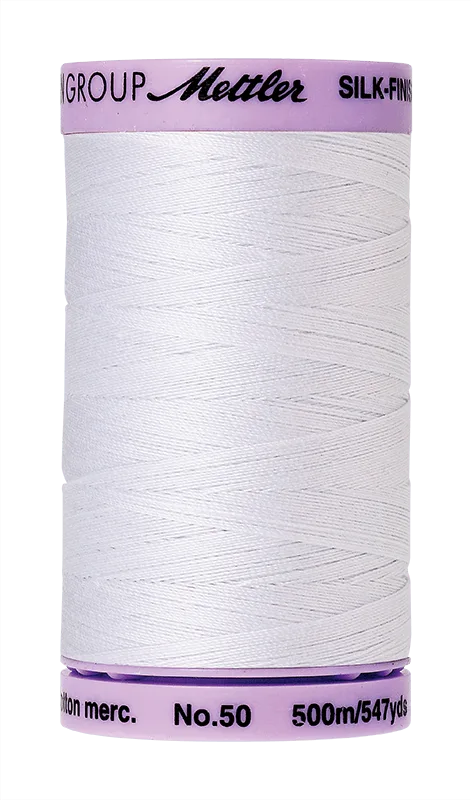
- Mettler Silk-Finish Cotton Thread 50wt 500M – White: Mettler Silk-Finish Cotton Thread 50wt 500M – White is a mercerized cotton thread for piecing and quilting. Dull blades can snag and shred thread during piecing; keeping a fresh blade protects your thread and seams.