Quick Answer
For most quilting tasks—cutting strips, squares, and multiple layers—a rotary cutter with a ruler and mat is faster and more accurate. Scissors win for curves, fussy cutting, and trimming small or delicate pieces. Many quilters keep both: a rotary cutter for straight, repetitive cuts and fabric scissors for detail work.
Every quilter faces the same fork in the road: reach for the rotary cutter or the scissors? The answer depends on the cut, the fabric, and how much repetition is involved. This comparison breaks down where each tool shines and where it struggles, so you can choose the right one for the task at hand.
We'll look at speed, accuracy, safety, and the types of cuts each tool handles best. Along the way, we'll note how a couple of Piece N Quilt resources—including a course on marking and quilting a Courthouse Steps block—fit into the picture.
How Rotary Cutters and Scissors Differ
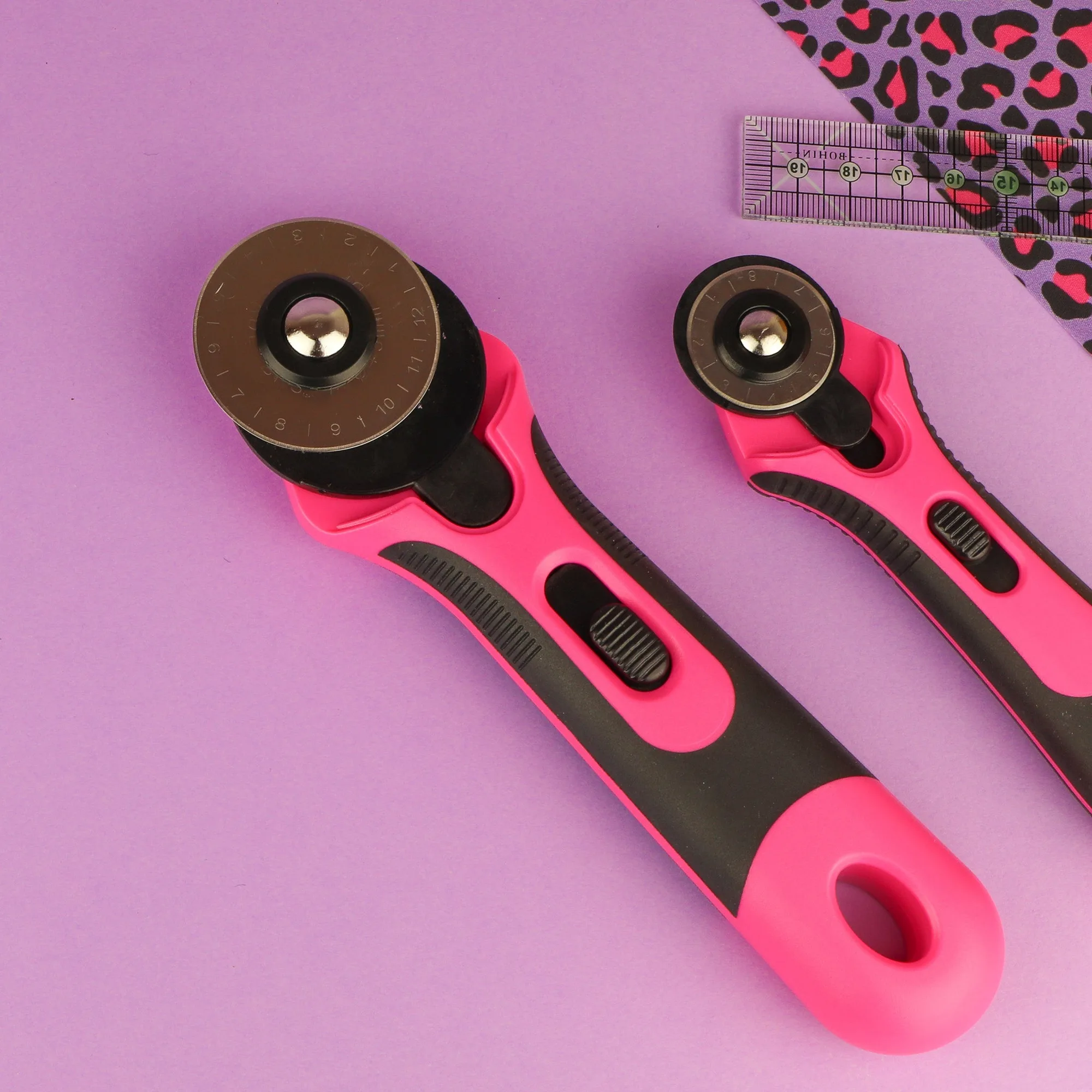
A rotary cutter is a rolling blade that slices through fabric when pushed along a straight edge, typically a quilting ruler. It cuts multiple layers at once and produces clean, consistent strips. Scissors are manual blades that cut one layer at a time (or a few if you're careful) and excel at following curves, tight corners, and detailed shapes.
The trade-off is speed versus control. Rotary cutters dominate when you need many identical pieces—think strip piecing or cutting binding. Scissors dominate when the shape isn't a straight line or when the fabric is too small or slippery for a ruler. Neither tool is universally better; they solve different problems.
- Rotary cutters require a self-healing mat and a ruler to work safely and accurately.
- Scissors need regular sharpening and a dedicated pair for fabric only.
- Always measure twice and cut once, regardless of tool.
Speed and Accuracy: Where Each Tool Wins
For straight cuts, a rotary cutter is hard to beat. You can layer several strips and cut them all at once, which saves time and keeps dimensions consistent. This is why most modern quilt patterns assume rotary cutting for pieces like 2.5-inch strips or 5-inch squares. The learning curve is mostly about blade pressure and ruler stability.
Scissors are slower for long straight cuts, but they give you direct control for curves, appliqué shapes, and trimming seams. If you're cutting out a template or fussy-cutting a motif, scissors let you pivot without lifting a ruler. The trade-off is that repeated scissor cuts can tire your hand, and accuracy depends on your line-following skill.
- Use a rotary cutter for any cut longer than a few inches that follows a straight line.
- Switch to scissors for curves, notches, and tight inside corners.
- Keep a small pair of scissors at your machine for thread trimming.
Safety and Maintenance Trade-offs
Rotary cutters have a reputation for accidents because the blade is extremely sharp. Always close the blade guard when not in use, cut away from your body, and keep your fingers clear of the ruler edge. A dull blade is actually more dangerous because it encourages pressing harder. Replace blades regularly.
Scissors are safer for beginners but can still cause cuts if you're careless. They require less setup—no mat or ruler needed—but they dull over time, especially if you cut paper or batting with them. A sharp pair of fabric scissors is a pleasure to use; a dull pair makes every cut a struggle.
- Invest in a quality rotary cutter with a comfortable handle and a reliable blade lock.
- Reserve one pair of scissors for fabric only and label it clearly.
- Store rotary cutters with the blade retracted and away from children.
Matching the Tool to the Quilting Task
If you're piecing a quilt with lots of strips and squares, a rotary cutter will save you hours. The same goes for cutting binding strips or sashing. For appliqué, curved piecing, or cutting around templates, scissors give you the finesse you need. Many quilters keep both within arm's reach and switch without thinking.
Consider the fabric too. Slippery fabrics like satin or velvet can shift under a rotary cutter, making scissors a safer bet. For stable cottons, a rotary cutter is efficient. If you're working with a pattern that mixes straight and curved cuts, you'll likely use both tools in the same project.
- Rotary cutter: strip piecing, squares, rectangles, binding, sashing.
- Scissors: appliqué, curves, fussy cutting, trimming small pieces.
- For intricate quilting designs, marking and quilting may call for different tools—see the course below.
Trade-offs at a Glance
- Rotary cutter: speed and repetition: Cuts multiple layers quickly and accurately with a ruler and mat. Requires more setup and carries a higher risk of cuts if the blade is exposed. Choose a rotary cutter for strip piecing and any project with many identical straight pieces.
- Scissors: control and curves: Perfect for curved seams, appliqué, and fussy cutting. Slower for long straight cuts and can cause hand fatigue on large projects. Keep fabric scissors for detail work and small trimming tasks.
- Hybrid approach: use both: Most quilters rotary cut the main pieces and switch to scissors for curves, notches, and final trimming. This balances speed with precision. If you only buy one tool first, start with a rotary cutter for piecing; add scissors as your skills grow.
Piece N Quilt Resources That Support Your Cutting and Quilting
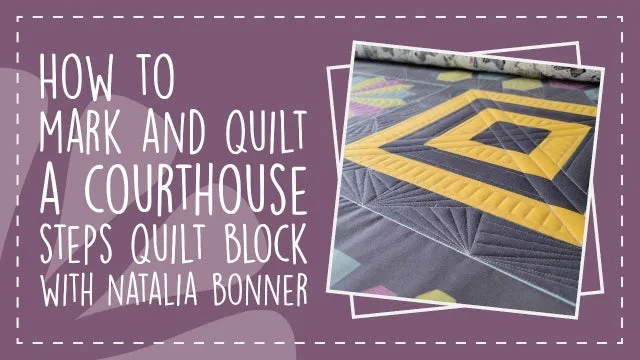
- How to Mark and Quilt a Courthouse Steps Quilt Block: Join Natalia as she walks you through her process of marking and quilting this detailed version of a Courthouse Steps quilt block. Even with perfect cutting, marking and quilting require precision. This course shows how to handle a detailed block, which may influence whether you choose a rotary cutter or scissors for the piecing stage.
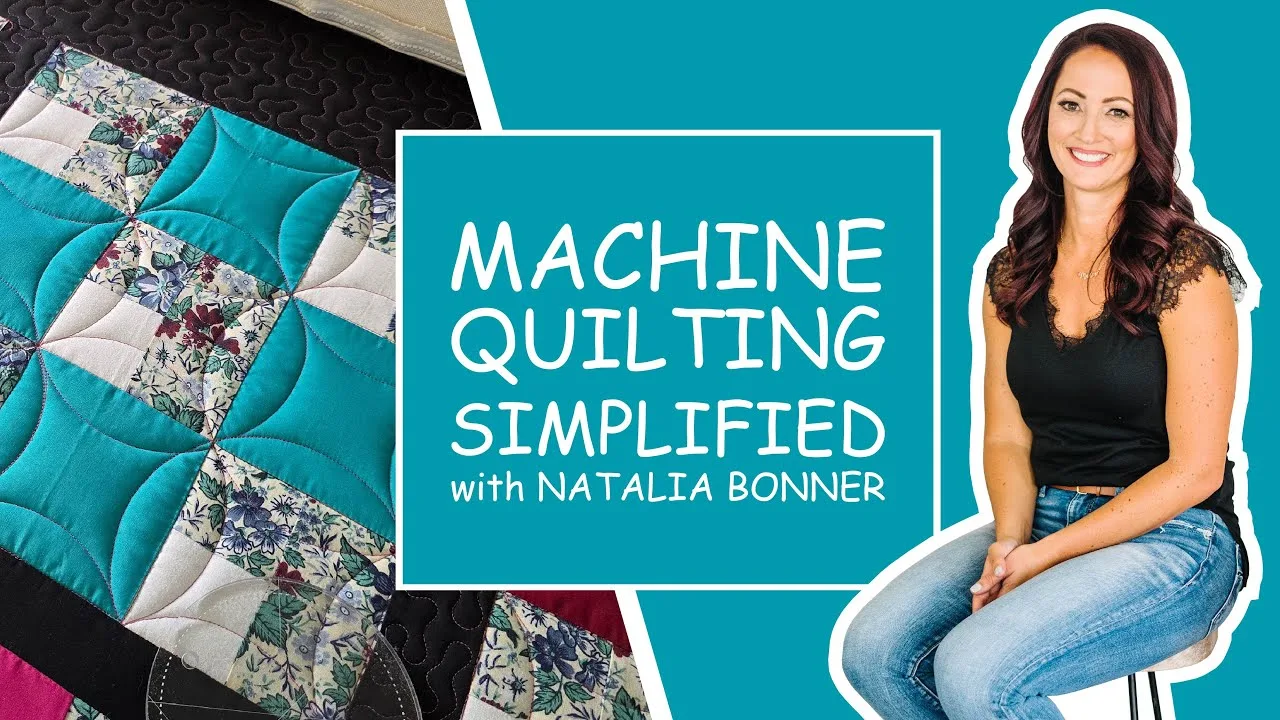
- Machine Quilting Simplified on a Traditional 9 Patch with Natalia Bonner: Join professional machine quilter Natalia Bonner inside the PNQ Academy as she thoughtfully custom machine quilts a meaningful traditional 9 Patch quilt from start to finish. A traditional 9 Patch is typically rotary cut for accuracy. Watching Natalia's simplified approach can help you decide if rotary cutting is worth the investment for your piecing style.
Which Should You Choose?
Best for
- Quilters who cut many strips, squares, or binding and want speed and consistency.
- Projects with straight seams and repetitive pieces, such as 9 Patch or Courthouse Steps blocks.
- Quilters who have a self-healing mat and ruler and are comfortable with blade safety.
Not for
- Cutting curves, appliqué shapes, or fussy-cut motifs—scissors are better here.
- Quilters who lack space for a mat or prefer to cut without extra equipment.
- Anyone uncomfortable with a very sharp exposed blade; consider scissors until you're ready.
There's no single winner in the rotary cutter vs scissors debate—only the right tool for the cut. Start with a rotary cutter for piecing and add a good pair of fabric scissors for detail work. As you practice, you'll naturally reach for the one that matches the task.